
The new regulations will “close the loop”, she said, noting “a very large percentage of people involved in real estate transactions are not involved in any kind of criminal activity or money laundering”.
Still, the property market in Australia appeals to organised criminals. Since 2020, police have frozen about $1.2 billion in criminal assets – two-thirds of that is related to property.
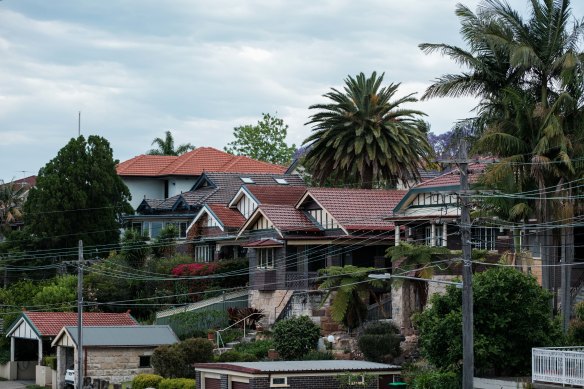
Real estate agents will have to satisfactorily identify buyers and sellers once the new regulations come in.Credit: Oscar Colman
Katie Miller, deputy chief executive of regulation at AUSTRAC, said it’s unlike other money-laundering channels, where criminals could expect to lose some of their proceeds.
“Because of Australia’s property market and the increase in value, they can not only launder their money and give it the appearance of legitimacy, sometimes they can even make money out of it,” she said.
Buyers and sellers might see “no real difference” in how they engage with a real estate agent or service provider, aside from providing more information when the regulations begin, Waldren said.
Loading
The incoming reforms won’t mean a large change to the buying process, McGlynn said. But there were instances where further checks may be required, for example when there are more complex structures like trusts involved and directors needed to be identified.
“That’s where those particular transactions will be deemed a lot more high risk than just your standard mum and dad transaction, buying the family home in your own personal name,” McGlynn said.
Miller said agents and others involved in a transaction would need to keep doing checks from when contracts are exchanged until the transaction is completed, and remain aware of any changes throughout.
Moving from a mortgage to cash during a sale may be a red flag, for example, and could prompt an agent or other party to ask more questions and potentially lodge a “suspicious matter report”, she said.
“It might be, it doesn’t really add up that the person who’s buying this … can really afford it,” she said as an example of when a report may be required.
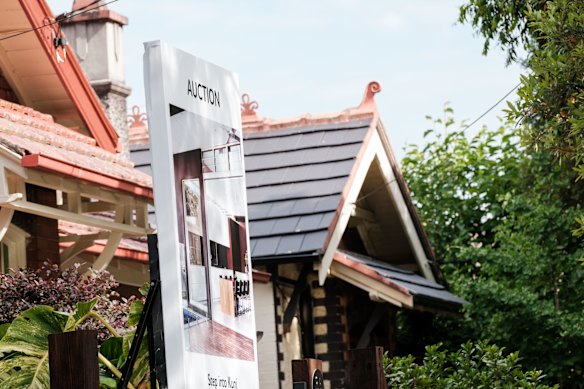
During financial year 2024, across NSW, Victoria and Queensland, there were 140,572 cash, or mortgage-free, purchases, which accounted for 26.5 per cent of all residential property purchases.Credit: Oscar Colman
“Doesn’t really seem to be the sort of person who could be buying an $8 million house in Toorak … Or if they’ve got suspicions about the identification that they’ve provided.”
KordaMentha’s Waldren said it would “certainly be seen as a red flag if somebody was purchasing in part, or in whole, with cash”.
Some 26.5 per cent of all residential property purchases were made in cash, or mortgage-free, in financial year 2024 across NSW, Victoria and Queensland, according to electronic conveyancing platform PEXA.
Loading
AUSTRAC is releasing program starter kits for small businesses soon to help participants meet their regulatory obligations.
“We recognise that for a lot of businesses, this is not the main game,” Miller said of managing anti-money laundering (AML) risks. “So we want to try and make it as easy as possible.”
There was no obligation for an agent to stop a property transaction, only to know their customers and report anything suspicious, said Miller.
Shaun Doyle, agency compliance manager at Ray White Group, said the AML reforms were significant, but compliance in general was becoming more central.
“So, our position on this is, every office should have someone responsible for compliance, not just AML, but total compliance, ” he said.