
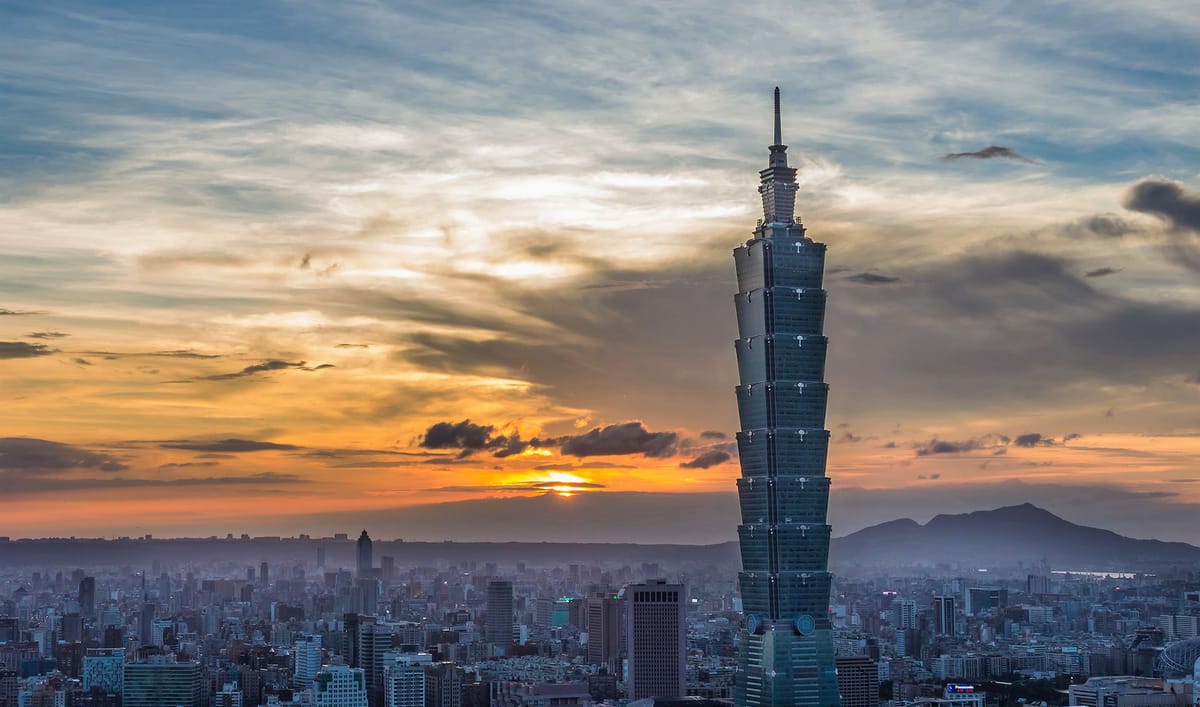
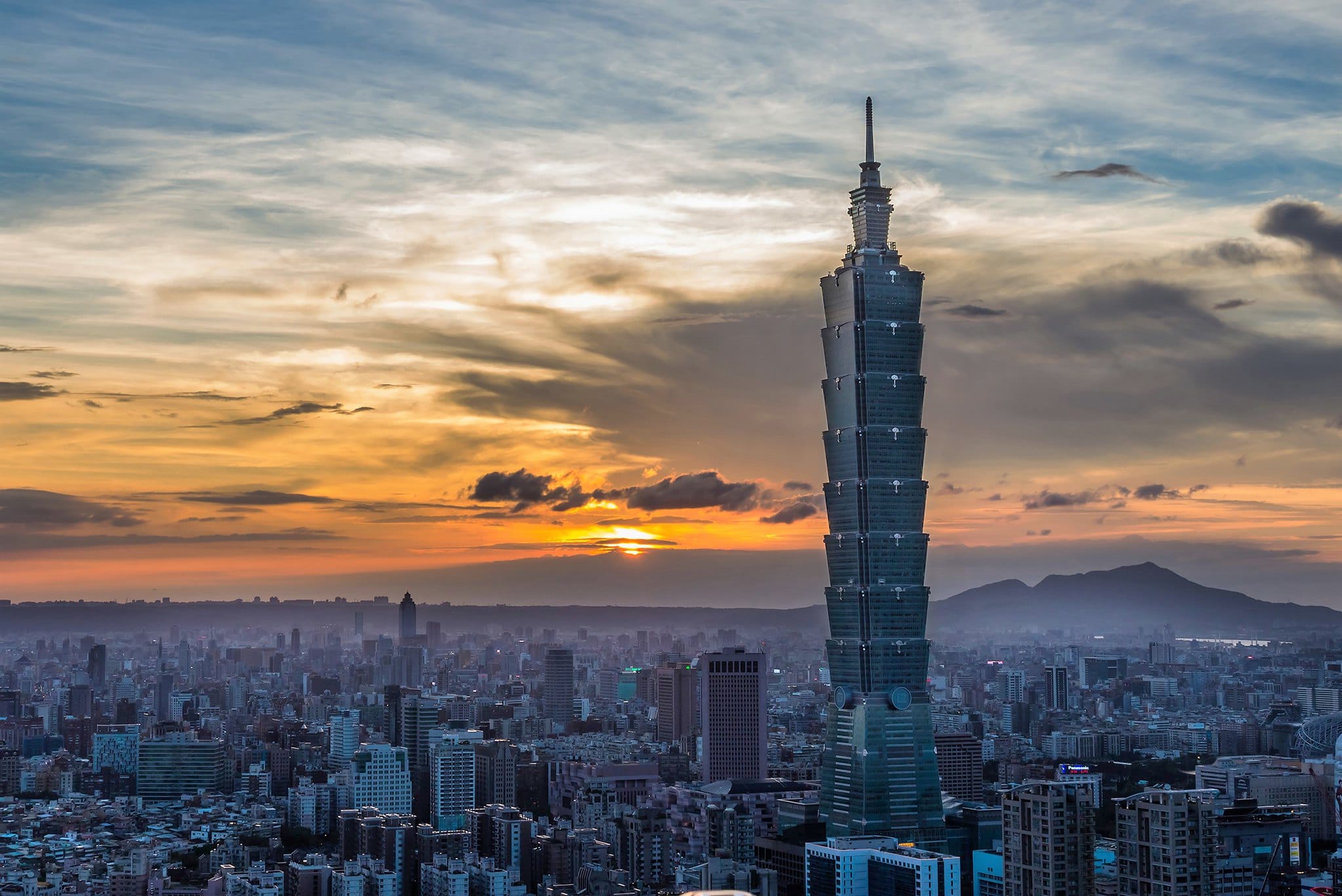
Taipei 101. Image credit: Flickr user tsaiian licensed under CC BY-NC 2.0
On January 25th, American climber Alex Honnold completed a climb of Taipei 101. Streamed live on Netflix, the solo climb took place without ropes or safety nets and has become the tallest urban free solo climb in history. Honnold first came to public attention by climbing El Capitan without safety gear in 2017.
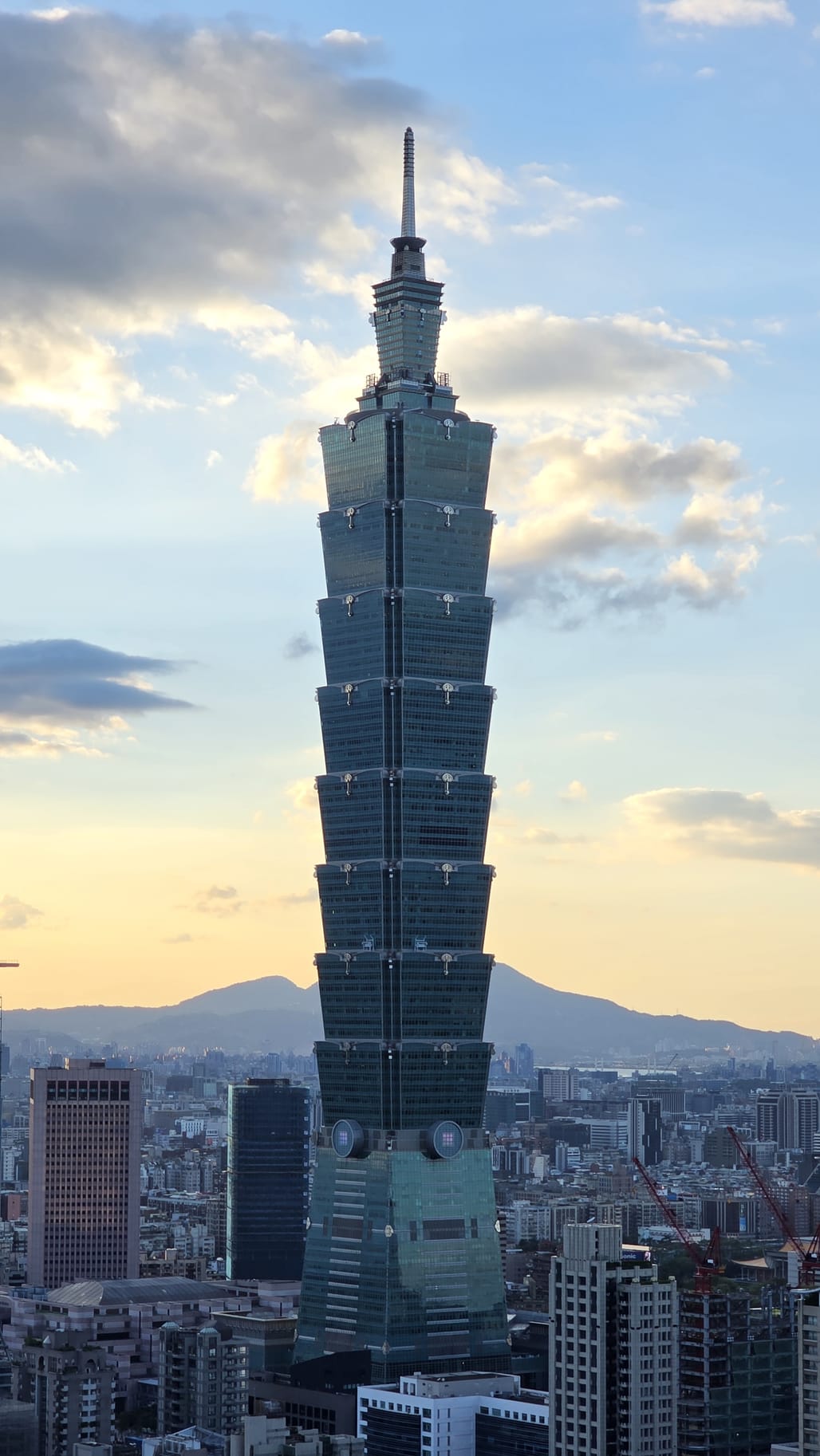 Image credit: Wikimedia user Sinsuan licensed under CC BY-SA 4.0
The building that Honnold chose to complete the impressive feat is architecturally significant in its own right. Completed in 2005, Taipei 101 briefly held the title of the world’s tallest building at 1666 feet. The title was usurped by the Burj Khalifa in 2009.
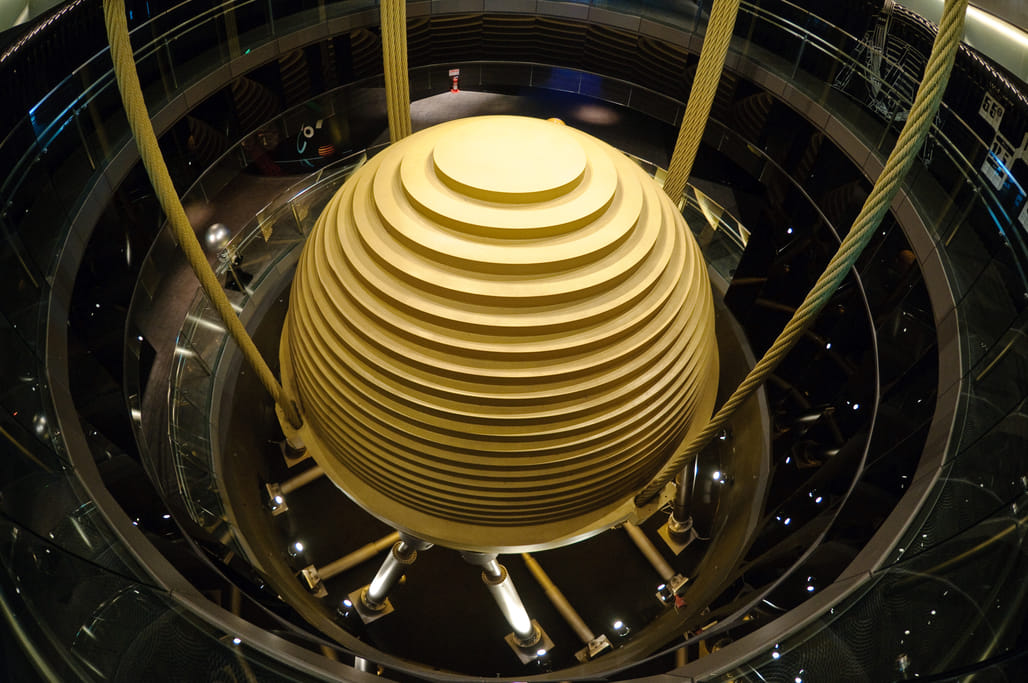 Image credit: Wikimedia user Armand du Plessis licensed under CC BY 3.0
Located in a region prone to earthquakes and typhoons, the tower incorporates a high-performance steel and reinforced concrete system designed for flexibility and resilience. Its most distinctive engineering feature is a 660-ton tuned mass damper, suspended between the upper floors, which counteracts wind and seismic forces.
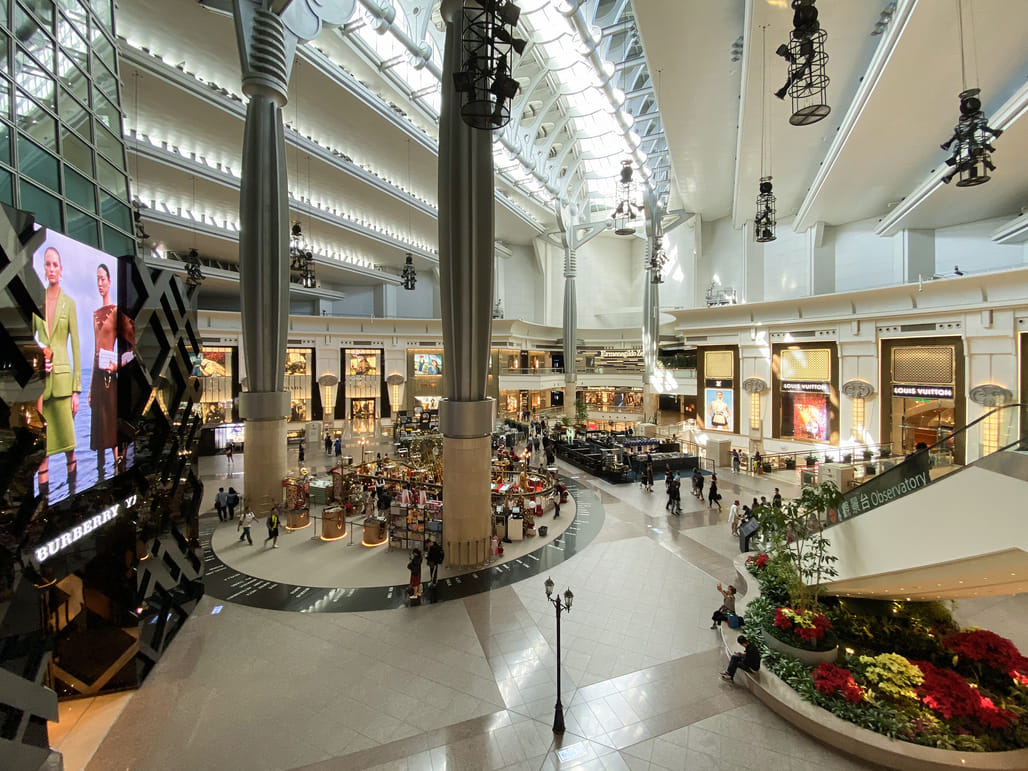 Image credit: Wikimedia user Wpcpey licensed under CC BY 4.0
Aesthetically, the tower departs from the minimalist glass prisms common in skyscrapers of the era, instead adopting a Neo-futurist tiered massing derived from traditional Chinese pagodas and bamboo stalks. The form was designed by architects C.Y. Lee and C.P. Wang to symbolize growth, stability, and prosperity.
“The easiest way up the building is also the coolest way up the building,” Honnold told The New York Times before the climb. “You’re pinching the very outer edge, climbing over these ornamental dragon heads. There are a bunch of features on the building that just make it insanely fun, like a jungle gym, in that the holds are wide pinches that feel comfortable in your hand.”
Similar articles on Archinect that may interest you…