
The fossils date to a time when animal and plant life was still confined to the seas. They rival two other important fossil assemblages in providing a look at life in the Cambrian seas – the Burgess Shale biota of Canada’s province of British Columbia and the Chengjiang biota of China’s Yunnan province.
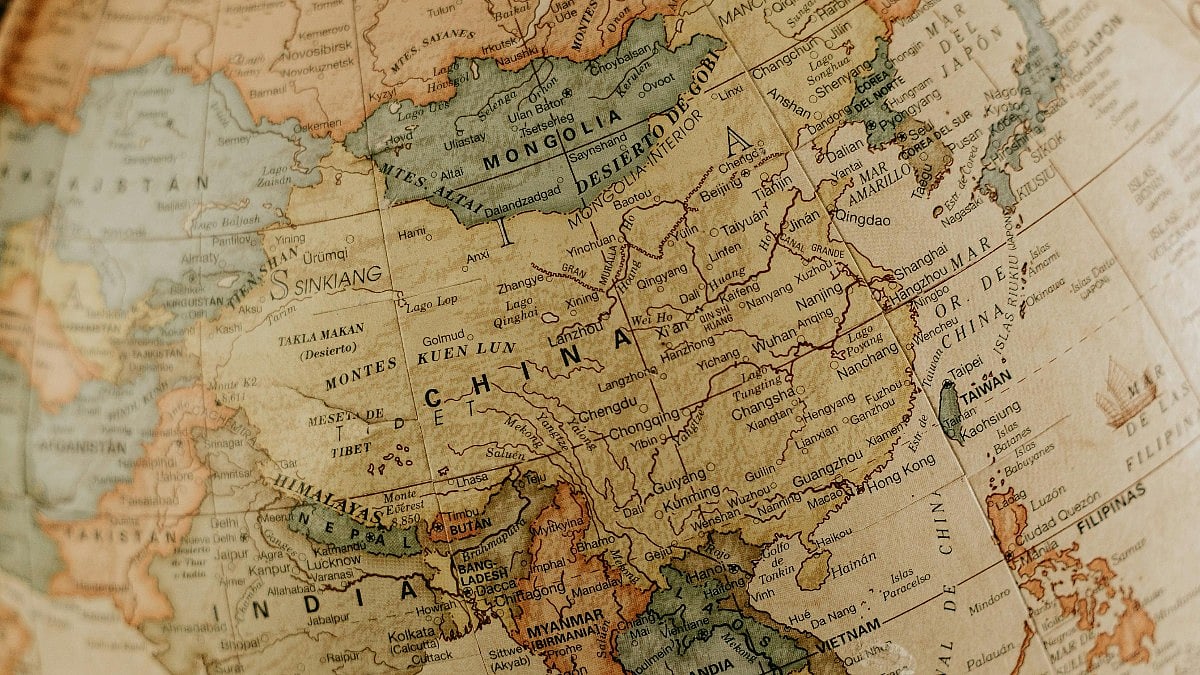
“The Huayuan biota was situated at a deep-water environment at the edge of the continental shelf of South China,” said Han Zeng, a palaeontologist at the Nanjing Institute of Geology and Palaeontology, part of the Chinese Academy of Sciences, and lead author of the study published on Wednesday in the journal Nature.
“The Huayuan biota was a thriving ecosystem with animals distributed from the water column to the surface and inside of marine sediment. The animals have various feeding habits and motility,” Zeng said.
The dominant groups among the fossils included: arthropods, the group that includes today’s crabs, shrimp, scorpions, insects, spiders, centipedes and millipedes; cnidarians, which include today’s jellyfish, corals and sea anemones; and sponges, which are among the oldest animals.