
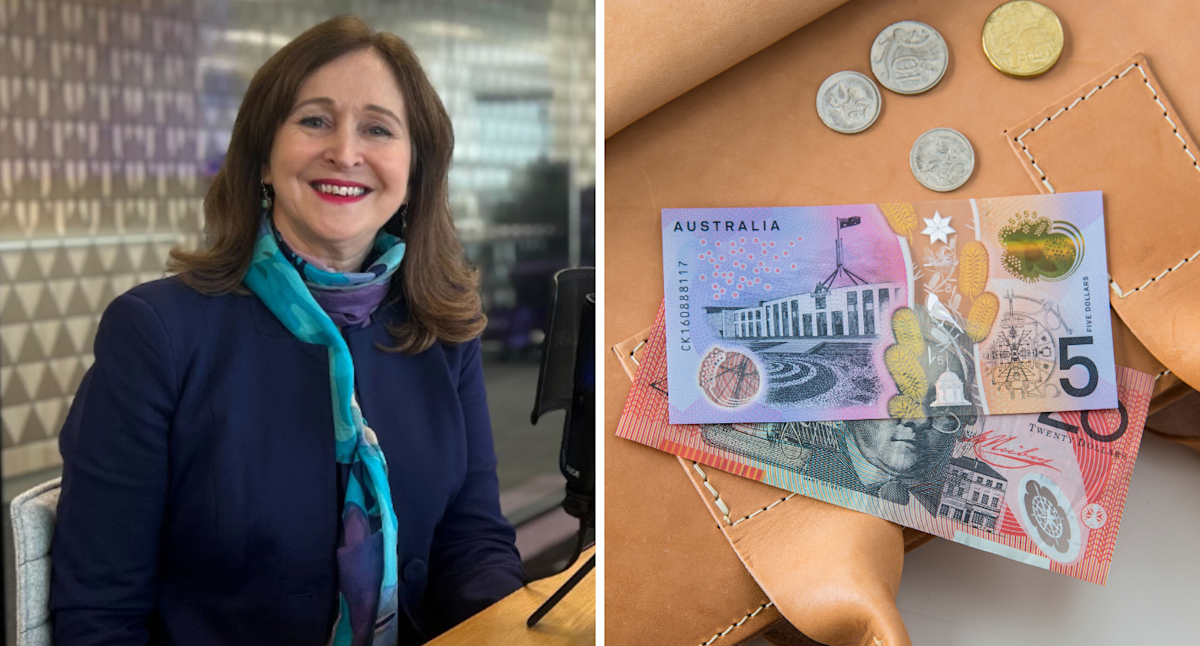
 HESTA CEO Debby Blakey says there’s no better time than right now to look at your super. (Source: HESTA/Getty)
January is nearly behind us and most Australians are now back into the work grind, with kids returning to school to embark on another year. With things settling back to normal, it’s prompted one big retirement question to come to the minds of many workers.
Google Trends data shows searches for ‘how much do you need to retire’ surge as the school year begins. It’s one of four major spikes, along with around the Easter holidays, end of the financial year and the September school holidays.
Super fund HESTA has reported a surge in Australians using its retirement planning tool at the start of the school year, with activity increasing by more than 40 per cent in late January and early February in 2025.
RELATED
“We regularly see a jump in planning activity around this time of year after many members have enjoyed quality time with family and friends over the festive season – be it BBQs by the beach or relaxing by the pool,” HESTA CEO Debby Blakey said.
“As Australians look ahead to the rest of the year, many ask one simple question: when can I retire?”
Do you have a story to share? Contact tamika.seeto@yahooinc.com
There’s obviously no one-size-fits-all answer to this question.
While there’s no set retirement age in Australia, to be eligible for the Age Pension, you’ll need to be at least 67.
In terms of how much money you need, the Association of Superannuation Funds of Australia’s standard estimates a single would need $595,000 and a couple $690,000 in their superannuation to retire comfortably at the age of 67. This assumes you receive a part age pension and own your home outright.
If you’re one of the many Aussies dreaming about retirement, Blakey said now was the time to take action.
“The reality is there is no better time than right now to take action on your super and it’s never too late to make a difference to your financial future,” she said.
“There are many small actions people can take to support their journey to a dignified retirement.”
To start with, Blakey said it was important to understand how much super you had, how much your employer was contributing, where your super is invested and how much it’s grown over the long-term.
The super fund’s research found a third of people were only checking their balance once a year or less, while 43 per cent were more likely to check it in times of market turbulence.
Making extra contributions to your super could also make a huge difference at retirement, whether that’s salary sacrificing or extra contributions.
“Our modelling shows $10 a week extra could amount to tens of thousands of dollars at retirement for someone in their forties and hundreds of thousands for someone just joining the workforce,” Blakey said.
Blakey also recommended checking your insurance coverage and ensuring you had a binding beneficiary nomination in place. Most super funds will offer advice at no extra charge.
Get the latest Yahoo Finance news – follow us on Facebook, LinkedIn and Instagram.