
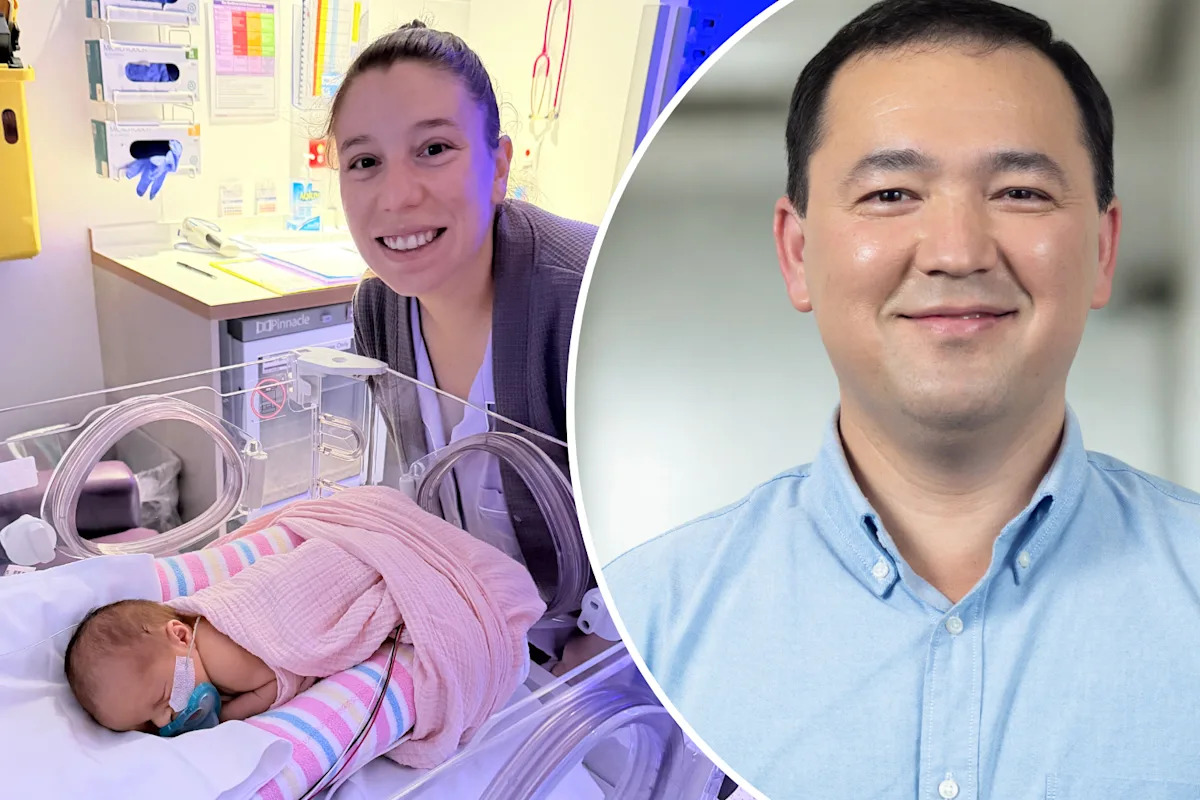
For many, the fertility path does not run smooth. While the phrase “you only need to do it once” was drummed into us as teenagers, the reality is very different for many couples.
After a few months of trying to conceive a child, panic can set in. But Sydney fertility doctor Oybek Rustamov told Yahoo Lifestyle some of his industry’s little-known secrets to help wannabe parents navigate this stage of their lives.
This comes as Australia’s birth rate is set to fall to a record low of 1.42 in 2025–26, which is well below the replacement rate.
“You may be surprised to learn that, for a healthy couple in their 20s, it typically takes around six to 12 months to conceive with regular, unprotected intercourse,” Dr Rustamov said.
RELATED:
“A healthy couple in their early 30s has a 15 to 20 per cent chance of conceiving naturally each cycle.
“Chances reduce significantly once the female partner reaches 35.”
When everyone around you seems to be sporting a huge baby bump, it’s a wake-up call for how hard it can actually be to do something that’s supposedly so “natural”.
Do you have a story to share? Contact au.lifestyle.ent@yahooinc.com
Hard to conceive
Belinda Harbach, 29, who struggled with fertility for years told Yahoo Lifestyle how her fertility journey went.
“I think when we first started trying to have a baby we thought it would be quite easy because we were both young,” she said.
“The hardest part was feeling that maybe there was something wrong with one of you.
“What I realise now is that it’s actually common for so many people.”
After four years of trying naturally, Belinda and her husband used IVF to conceive her daughter, Cleo, who was born in December 2025.
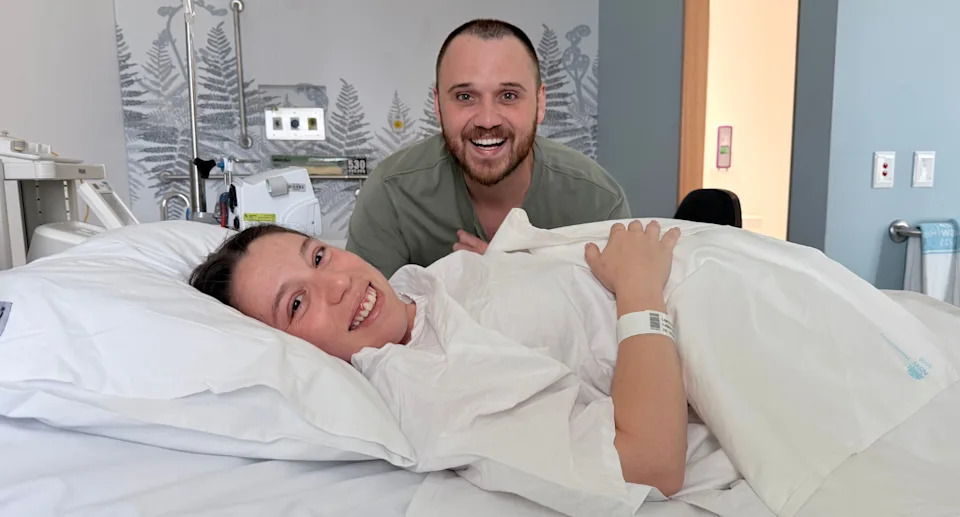
Belinda Harbach and her husband said it was shocking how long it took for them to conceive their first-born child. Picture: Supplied
“There are many couples who struggle with infertility and we should talk about it more and not be embarrassed,” she said.
While it can be hard enough to get pregnant at what Dr Rustamov calls a woman’s “peak in fertility” in their 20s, when a couple gets past 40, it’s far more difficult.
With celebrities like Hilary Swank, who had twins at 48, and Brigette Nielsen, who had her fifth baby at 54, it’s become normalised.
But Dr Rustamov, from Adora Fertility, painted a different picture.
“For a healthy couple aged 40 to 44 the chances of natural conception each month are less than 5 per cent,” he said.
“Egg quality and quantity decrease with age which affects your chances of conception. For men, sperm quality starts to decline in your late 30s, with a noticeable decline in sperm quality in men over 40.”
When should I freeze my eggs?
There is a range of fertility treatment options available for people of all ages.
However, the older you are, Dr Rustamov said the key factor is not to delay seeking help.
One option, which involves some forward planning, is egg freezing.
“Egg freezing offers no guarantee… however, freezing a sufficient amount of eggs at an earlier age can give you a significantly higher chance of falling pregnant when ready,” Dr Rustamov said.
He called the period between 30 to 35 the “ideal time” to do this.
“If you freeze your eggs earlier, you may actually never need to use them as you have time to meet the right partner and if you freeze your eggs later, egg freezing is less likely to be successful,” he said.
The success rates for freezing eggs
There’s been significant chatter in the media and online about how successful egg freezing actually is, and whether it’s just a money-grabbing venture by fertility clinics.
Dr Rustamov wanted to be honest about the chances and explained the laundry list of factors that affected their success.
“These include your age and health at the time of freezing, how many mature eggs are retrieved, how many survive the freezing and thawing process, how many eggs successfully fertilise and whether they become viable embryos and successfully implant for pregnancy,” he said.
“Older women need more frozen eggs than younger women to have a similar chance of a live birth. For example, a 32-year-old woman freezing five eggs has a 55 per cent chance of a live birth.
“A 38-year-old woman must freeze around 15 eggs to have a similar chance of a live birth. This is because the quality of eggs declines with age.”
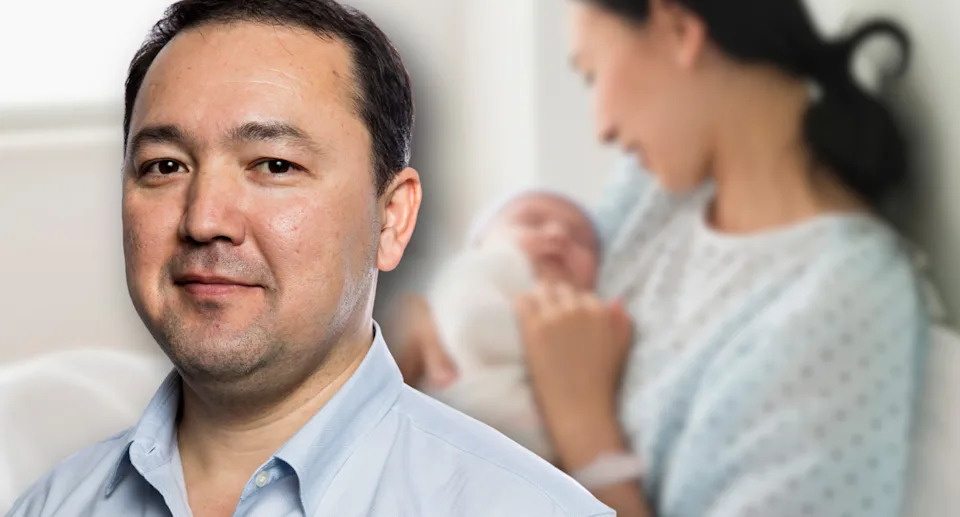
Fertility doctor Oybek Rustamov said there are many factors that influence a person’s ability to conceive. Picture: Supplied/Getty
How early is too early to start looking into fertility?
Dr Rustamov said it’s wise to be proactive and informed at any age so you can give yourself the best chance of conception.
You certainly don’t have to have been trying for over 12 months before going to a GP for some simple tests.
“For women, [there’s a] hormone blood test and an anti-mullerian hormone (AMH) test, which provides an estimate of the number of eggs remaining in the ovaries,” he said.
“For men, a semen analysis can evaluate the quality, concentration, motility and morphology of the sperm. You don’t need to be trying for a baby to take charge of your fertility health.”
Lifestyle change and nutrition
While age is the biggest factor in fertility other things also have a big impact on it including diet, lifestyle and exercise.
Weight is an important consideration, and not just for the woman.
“In men, obesity can lower sperm count by up to 50 per cent,” Dr Rustamov said.
“Overweight men are also more likely to suffer erectile dysfunction and have a higher rate of DNA fragmentation in sperm.
“Women who are overweight or underweight can face difficulties conceiving as weight can affect your ovulatory cycle.”
It means exercise is advised, and Dr Rustamov also said a Mediterranean-style diet has been shown to be potentially good for fertility.
SHOP:
“Meals that include an adequate intake of good fats, fish, iron and fruits and vegetables are an excellent start. There are some vitamins that could give your fertility a boost,” he said.
“These include folic acid, anti-oxidants, vitamin B12 and omega- 3 fatty acids.
Smoking is widely understood to be detrimental in pregnancy but Dr Rustamov added it’s not good for general fertility either.
“Smoking damages the ovaries and smokers generally go through menopause earlier than non-smokers, so our advice is not to smoke or vape,” he said.
Dr Rustamov’s message is that there is help out there if couples are struggling to conceive.
“We generally recommend if you are aged 35 years or under and have been trying to conceive for 12 months or more, then it may be time to seek help,” he said.
“Or if you are over 35 and have been trying for six months or more, without success.”
Want the latest lifestyle and entertainment news? Make sure to follow us on Facebook, Instagram, and TikTok.