
Nearly 100 complaints but Ombudsman determines the use of satire as a form of artistic expression.
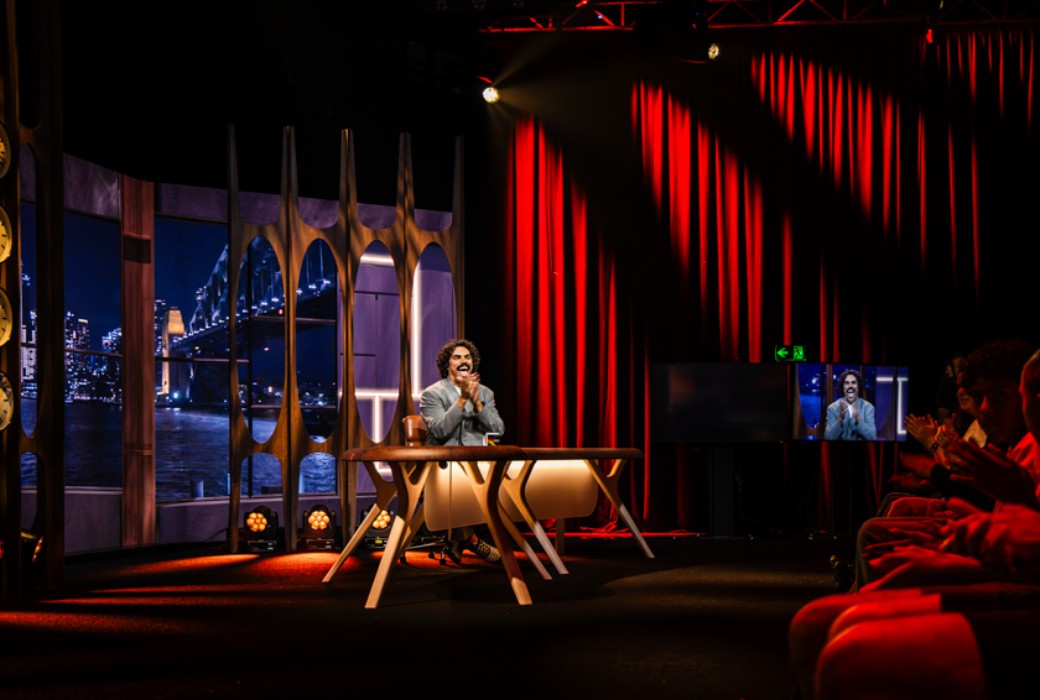
The ABC Ombudsman has cleared comedy special Always Was Tonight, hosted by Tony Armstrong, following a range of complaints.
The Ombudsman’s Office received 96 complaints about the broadcast and 4 complaints about associated short-form clips published on ABC social platforms.
Broadly, the complaints raised concerns about bias and offence suggesting the content was ‘anti-white’, ‘racist’, and ‘divisive’.
More specifically, complainants suggested that the segment ‘Don’t Ruin The BBQ’ contained inaccurate claims about the introduction of smallpox into Aboriginal communities in the 1700’s.
Concerns about the welfare of children who participated in the filming of the segment ‘No Child Should Call This Place Home’ were also raised. This segment was also considered distressing and lacking in context when viewed in isolation on social media platforms.
ABC Indigenous stated:
Always Was Tonight was billed as a satirical news special that sought to “decolonise the news — one headline at a time”. The satirical nature of the program would have been clear to audiences through program descriptions and advance publicity, which characterised it as “a fast, funny and unflinching special” with “an agenda to go where no other show dares”, and as “a sharp and satirical show delivering news with a bit more blaklash”.
The ABC broadcasts a wide range of content around January 26 across television, radio and digital platforms, including citizenship ceremonies, Australia Day Live and the Australian of the Year Awards. Always Was Tonight formed one part of this broader offering, and it is important that First Nations perspectives are represented within the national conversation at this time of year.
To the commentary that “Don’t Be a Dog” ABC Indigenous said:
The program includes colloquial Indigenous terms and expressions used within cultural and narrative context. Terms such as “dog” were used in a colloquial sense common within Indigenous communities and were not intended, nor reasonably understood in context, as hate speech or vilification. The host’s use of ‘dog’ is conversational. It is not aggressive or presented in the context of any other insults. It is helpful to view the utterance in context — Armstrong delivers the above with a relatively sombre and plaintive affect; the overall tone is of gentle or sad reproach.
Complaints raised concerns over the welfare of children who participated in the filming of the clip ‘No Child Should Call This Place Home’ ABC Indigenous said:
The participation of children in this segment was carefully planned and managed in accordance with the ABC’s child safety and wellbeing frameworks. The shoot was registered with the relevant NSW Office of the Children’s Guardian, and the ABC’s Child Safety and Wellbeing team was consulted throughout development and production.
Parents were provided with the full context and lyrics of the segment in advance and gave informed consent for their children’s participation. Production staff conducted individual briefings with parents prior to filming to discuss the content and address any questions. During production, a qualified Indigenous psychologist was present on set at all times and available to support the child participants, with a nurse also in attendance. All industry requirements for working with children were clearly communicated to crew and strictly adhered to.
ABC Ombudsman Fiona Cameron determined the program was explicitly framed as satire from an Indigenous perspective and did not purport to present a balanced or comprehensive examination of contested issues. Comedy and satire must be afforded significant latitude to express ideas that challenge and critique the status quo.
Predominantly, concerns related to audience members taking offence and perceiving the program to be in poor taste. Taste is a subjective judgement and the ABC’s editorial standards should always be applied in ways that do not unduly constrain journalistic enquiry or, as in this case, satire as a form of artistic expression.
While undoubtedly complainants were offended and offence was foreseeable, the content could be justified by its editorial purpose to provide a First Nations-led satirical counterpoint to mainstream media coverage of Australia Day. The mainstream media included extensive ABC coverage, celebrating Australia Day across the weekend.
Always Was Tonight was cleared of any Breach.