
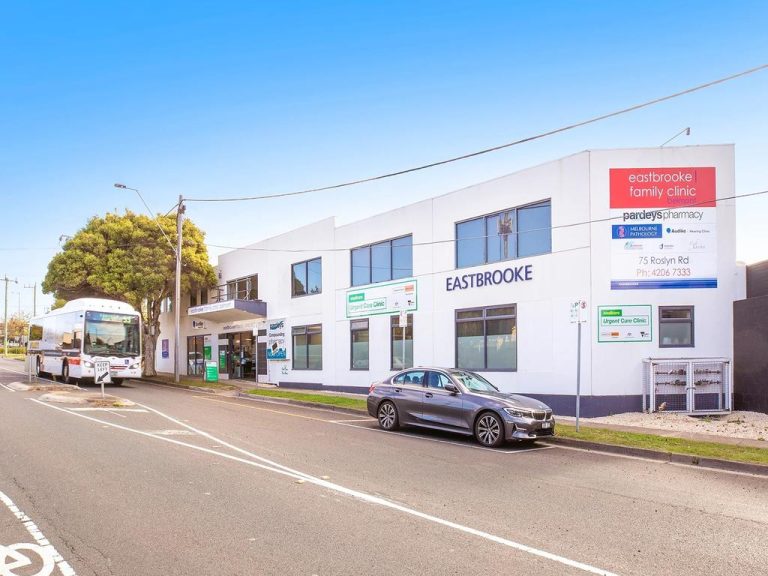
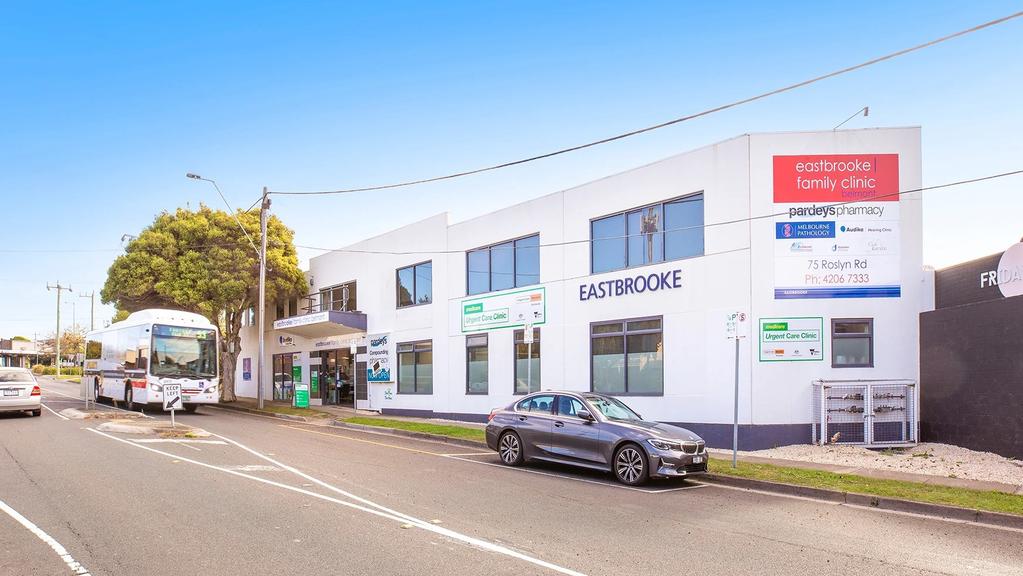
The Eastbrooke Medical Centre on Roslyn Rd, Belmont, has been sold for $10.6m.
Healthcare assets are one of the nation’s most sought-after alternative real estate sectors as buyers chase the safety of non-discretionary healthcare spending, longer lease terms and increasing government investment.
An ageing population is driving investor interest, with Australia’s population aged 65 and over is projected to represent 22 per cent of the total population by 2044, while private health insurance coverage has reached 12.2 million Australians.
“These demographic and insurance penetration trends, combined with ongoing healthcare innovation and advancements in service delivery, position the sector for sustained investor interest throughout 2026 and beyond,” JLL’s Head of Alternatives Capital Markets – Australia Simon Quinn said.
RELATED: Historic Geelong bank with 10m-high chamber seeks new owner
Spirit of Tasmania ferries hit market in $100m deal
Defence to sell Fort after 160 years, Geelong bases
JLL completed five strategic healthcare transactions valued at about $85m, comprising three assets in Queensland and two in Victoria.
The Victorian assets comprised medical centres in Cowes and Geelong, while the Icon Cancer Centre in Chermside sold alongside assets in Clayfield and Townsville.
The Eastbrook Medical Centre in Roslyn Rd, Belmont, changed hands for $10.6m.
The strong global covenant underpinning the asset, with long-term lease to Bupa, a healthcare provider that serves over 60 million customers worldwide across 11 key markets.
The property was 100 per cent leased with net income of $700,910 a year, plus GST and outgoings.
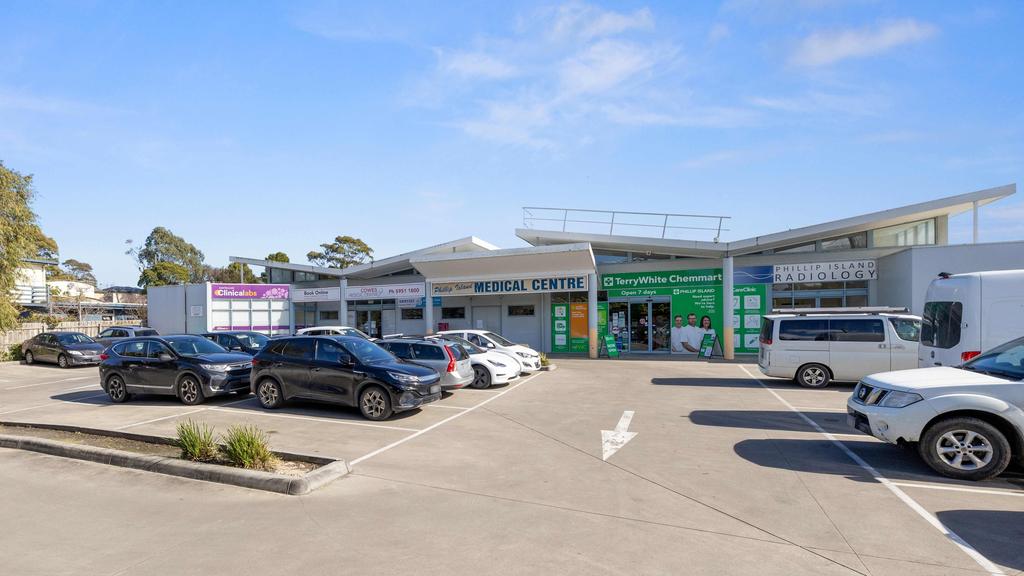
The Cowes Medical Centre on Phillip Island has been sold.
It is one of 29 Urgent Care Clinics in Victoria, offering expert urgent care seven days a week, delivered by local health services and supported by state and Federal governments
The transactions were negotiated by JLL’s Mr Quinn, Thomas Thorsen and Mark Stafford.
“The market is demonstrating sophisticated asset selection criteria, with investors prioritising high-quality lease covenants and strategic positioning within established healthcare precincts,” said Mr Quinn.
“Transaction values ranging from $10.3m to $30m highlight both the sector’s accessibility and the depth of capital seeking investment opportunities in healthcare,” Mr Quinn said.
The sector’s underpinning by non-discretionary healthcare spending, longer lease terms and increasing government investment have supported average total returns of about 11.6 per cent a year over the past decade, alongside lower volatility compared to other real estate asset classes.
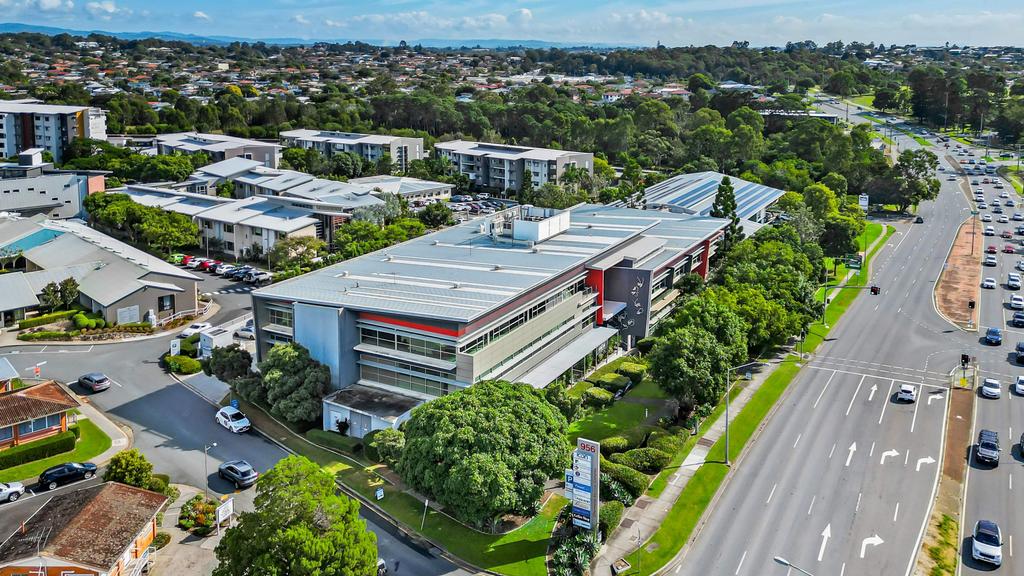
Chermside’s Icon Cancer Centre has been snapped up among five strategic healthcare asset transactions. 956 Gympie Rd, Chermside
Senior associate Mr Stafford said the Victorian assets generated strong interest from both local and interstate buyers because of the opportunity to secure multi-tenanted medical assets anchored by high quality tenancies and supported by a comprehensive range of allied health services.
The potential for regional stamp duty concessions further enhanced buyer engagement.
“Throughout 2025, we observed increased activity from private investors and syndicators, with these groups becoming increasingly location agnostic,” Mr Stafford said.
Associate director Mr Thorsen said growing demand for healthcare opportunities across Queensland comes as the state benefits from strong population growth and healthcare infrastructure investment.