
Home
»
TRAVEL NEWS
»
New US Ski Tourism Trends: Political Tensions and Snow Drought Redefine Winter Travel
Published on
February 13, 2026
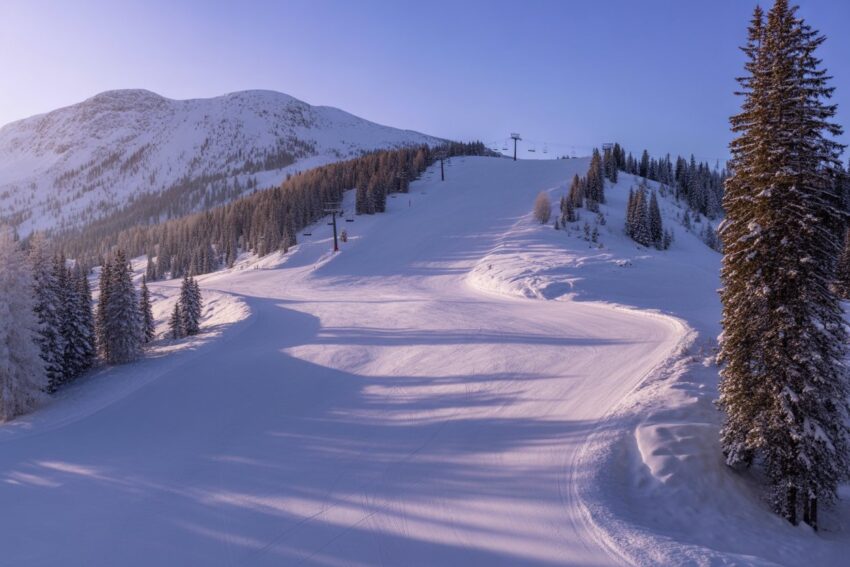
The 2025–2026 US ski season has proven to be one of the most unusual in recent memory, with geopolitical tensions and abnormal weather patterns reshaping ski tourism in the U.S. Canadian skiers, traditionally a major segment of the U.S. winter tourism market, are noticeably absent this year due to strained political relations between the U.S. and Canada. This absence has left ski resorts in regions like Vermont and Montana scrambling to maintain occupancy levels, while resorts in the Western U.S. struggle with a snow drought affecting the overall experience for domestic and international visitors.
At Jay Peak Resort in northern Vermont, which has long relied on Canadian visitors for about 50% of its business, the loss of Canadian skiers has hit particularly hard. Resort owner Steven Wright noted that while the lack of snow is one factor, the main issue is the political climate — Canadian season pass holders expressed hesitation about crossing the U.S. border this year, citing diplomatic rhetoric and travel uncertainties. Wright highlighted that his resort’s loss of Canadian visitors was not only affecting skiing revenue but also the broader hospitality sector, including weddings, conferences, and local businesses that depend on ski tourism.
The Impact of Missing Canadians: A Decline in Cross-Border Ski Tourism
The loss of Canadian visitors to U.S. ski resorts has been confirmed by recent data from Statistics Canada. The data shows that car crossings from the U.S. into Canada were down 30% in December 2025 compared to the previous year, and U.S. figures from the National Travel and Tourism Office indicate that Canadian arrivals through November were 22% lower than in 2024. As one of the largest sources of international visitors to the U.S., this reduction is significant for the U.S. travel economy.
Wright mentioned to a U.S. Senate committee that many of his Canadian guests had expressed concerns over traveling to the U.S. under the current political climate. Jay Peak Resort, a popular winter destination in the Northeast, typically sees 50% of its visitors from Canada, making this absence of Canadian skiers a major challenge for the resort’s operations and surrounding community. The broader ski industry, especially in Vermont, is feeling the repercussions of this absence, especially during the lucrative winter months.
Advertisement
Advertisement
East Coast Resorts Thrive Amid Snowy Conditions
Despite the decline in Canadian tourism, the Eastern U.S. ski resorts are experiencing a snowy renaissance. Resorts in states like Vermont and New Hampshire have reported exceptionally heavy snowfall this season, with some areas exceeding 200 inches of snow. This influx of snow has been dubbed “white gold” by resort officials, and it has helped salvage the season by attracting more domestic skiers and offsetting the decline in international arrivals.
In contrast, resorts in the Western U.S. have been dealing with significantly lower snowfall compared to historical averages. Resorts like Vail and Aspen are reporting that snowfall is about 50% below normal levels, leading to fewer visitors. Ski operators at these resorts are experiencing declines in both domestic and international visitors, with Canadian bookings falling by 41% due to the lack of snow. This snow drought has significantly impacted Western U.S. ski resorts, leaving them dependent on limited snowmaking capacities and the domestic market to fill ski lifts and lodges.
Advertisement
Advertisement
Local Impacts: Ski Resorts Adjust to New Travel Realities
Some resorts in Montana, like Whitefish Mountain Resort, are faring slightly better compared to their peers in Colorado and California. The resort has seen a 25% drop in Canadian visitors, which, while significant, is not as sharp as declines experienced by resorts in the Northeast. As local economies in ski towns like Killington and Jay Peak rely heavily on seasonal tourism, resort operators are finding creative ways to adjust to these new travel realities. Resort owners are focusing more on attracting domestic skiers and increasing spending on year-round activities such as mountain biking, water parks, and indoor facilities to diversify offerings.
Despite the challenges, ski operators are embracing flexibility and innovation. Many are adding snowmaking infrastructure to mitigate the effects of low snowfall and create better conditions for skiing. They are also improving guest experiences with new lodging options and more diverse off-season attractions. This shift aims to ensure that resorts remain competitive, even in seasons with limited natural snow.
Advertisement
Advertisement
The Future of Ski Tourism: Adjusting to Changing Global Travel Dynamics
Looking ahead, the U.S. ski tourism industry will need to adapt to a new reality shaped by geopolitical tensions, climate variability, and changing tourism preferences. The political shift between China and Japan and China and the U.S. will likely continue to influence cross-border travel, while the increasing trend of domestic travel will remain crucial for the ski industry. Resorts will need to innovate and adapt by offering diverse experiences, engaging with new markets, and enhancing sustainability efforts to maintain long-term growth.
The evolving snow conditions and travel restrictions suggest that ski tourism may not return to pre-pandemic patterns for some time. As climate change continues to impact seasonal patterns, resorts will need to invest in adaptive technologies and diversified tourism strategies to attract new visitors and continue delivering top-tier winter experiences.
