
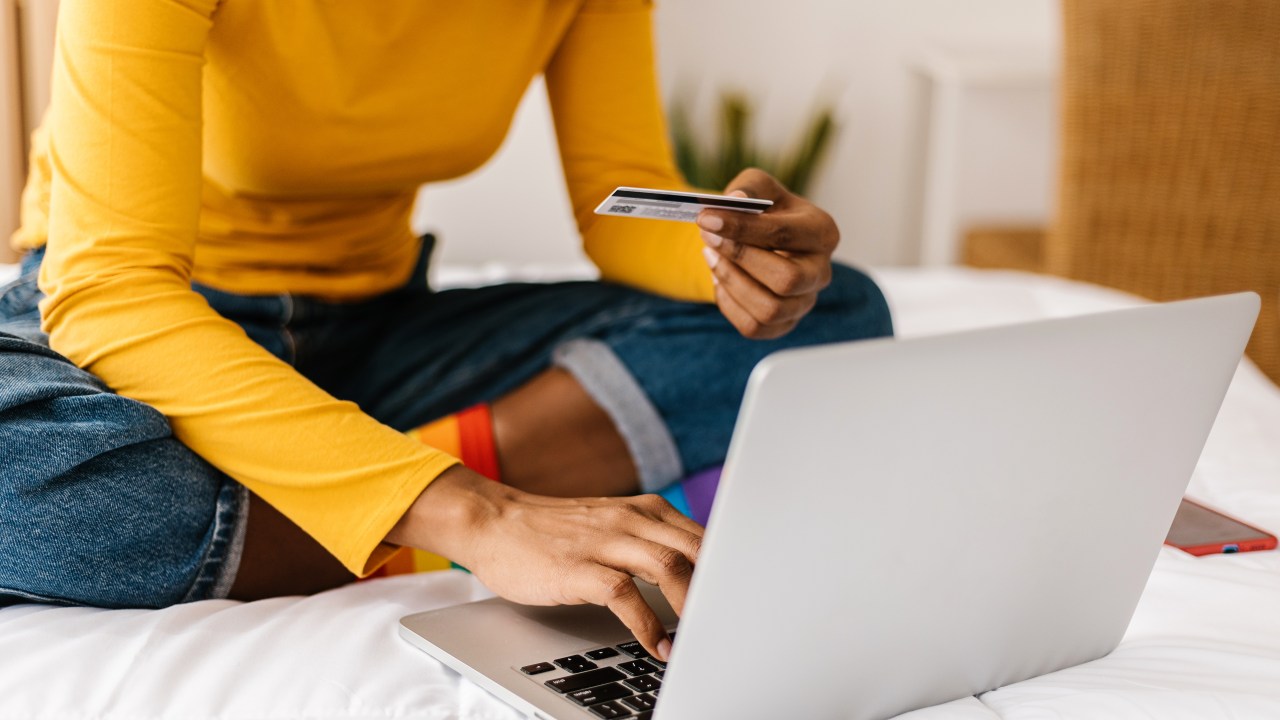
Millions of Aussies are struggling with burdensome debt from their buy now, pay later (BNPL) loans, which are heaping financial stress on households already facing heated inflation.
New research from comparison site Finder, shared exclusively with SkyNews.com.au, shows more than one in seven Aussies exposed to BPL loans say the debt is causing them stress.
About 11 per cent said they feel “somewhat burdened” and another three per cent reported feeling “extremely burdened” by their loan.
Finder estimates this equates to about three million Aussies who feel pressure over their BNPL loans.
BNPL has boomed in popularity in recent years as shoppers look to purchase more expensive goods with a series of smaller payments.
PayPal data shows 53 per cent of Millennials use BNPL for purchases alongside 38 per cent of generation Z shoppers.
However, Finder’s personal finance expert Sarah Megginson said a reliance on these payments could be dangerous for households.
“When three million Australians say BNPL debt is weighing on them, that’s a clear sign these products are adding pressure, not easing it,” she said.
She noted BNPL stress builds slowly, making it challenging for consumers to better understand when they are in jeopardy.
“People underestimate how quickly multiple small repayments can snowball into a serious cash-flow problem,” Ms Megginson added.
The payment method becomes most popular during holiday periods, when shoppers look to buy lavish gifts for friends and family despite being cash shy.
Pressure can build as shoppers can be slugged by late fees, payment processing fees and monthly account keeping fees which can worsen the holiday debt burden.
Some Aussies, though, use the payment for everyday goods, leaving them scrambling week to week.
Some also flock to BNPL when inflation surges and makes key goods less affordable.
Soaring post-pandemic inflation, which saw prices cumulatively rise 19.1 per cent between the December quarter of 2021 and the same period in 2025, prompted an uptick in the number of Aussies using the payment method.
Inflation is again on the rise, lifting 3.8 per cent in the 12 months to December, potentially pushing more households toward BNPL.
“BNPL bills don’t exist in isolation. They compete with rent, groceries, power bills and childcare, and something eventually misses out,” Ms Megginson said.
“This isn’t just a handful of people doing it tough. The number of Australians feeling the pressure is growing quickly and it’s likely to get worse before it gets better.”
The Albanese government introduced new laws in June which put products purchased using BNPL under the same laws that apply to credit cards and personal loans.
The laws ensure Aussies using BNPL for purchases worth more than $2,000 can actually afford the cost and that sellers hold a credit licence.