
 Credit: Numan
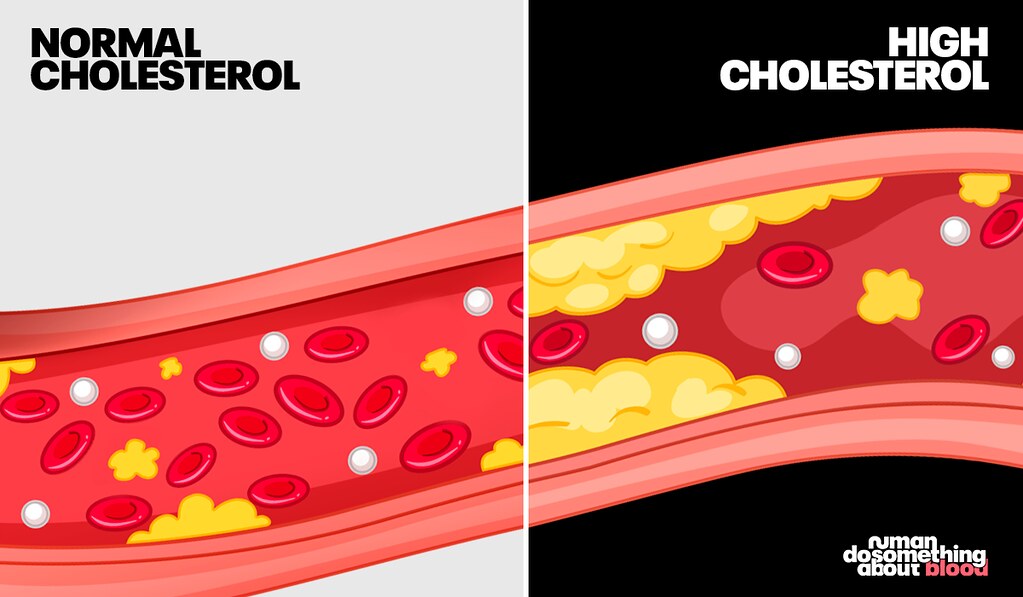
Cardiovascular disease often advances without obvious warning, driven in part by the gradual accumulation of low-density lipoprotein (LDL) cholesterol within arterial walls. Over time, this buildup narrows blood vessels and raises the risk of heart attacks and strokes. Although statins have long formed the foundation of treatment, many patients do not achieve the increasingly stringent cholesterol targets recommended by current medical guidelines.
Now, a new contender has arrived in tablet form. In a Phase 3 trial published in The New England Journal of Medicine, an experimental pill called enlicitide decanoate drove LDL down sharply in people with heart disease—or at high risk for it—without an obvious safety penalty over a year.
“An oral therapy this effective has the potential to dramatically improve our ability to prevent heart attacks and strokes on a population level,” said Ann Marie Navar, a cardiologist at UT Southwestern Medical Center, in a statement.
Pill vs. Shot
Enlicitide targets a protein called PCSK9, a kind of molecular brake that limits the liver’s ability to remove LDL from the bloodstream. Block PCSK9, and the liver can pull more LDL out of circulation.
Researchers Michael Brown and Joseph Goldstein discovered the LDL receptor in the 1970s and 80s. It was this work that helped launch statins and won them the 1985 Nobel Prize. Later, the Dallas Heart Study, led by Helen Hobbs and Jonathan Cohen, tied naturally low LDL levels in some people to genetic changes that reduce PCSK9, helping spark the entire PCSK9 drug era.
Doctors can already do this with injectable PCSK9 inhibitors, which can cut LDL by roughly the same magnitude. But in everyday medicine, those shots have been hard to translate into routine care—because of cost, insurance hurdles, and simple reluctance to prescribe or take an injection.
The new trial, called CORALreef Lipids, tested whether enlicitide could bring that biology into a daily pill. Researchers enrolled 2,909 adults at 168 sites in 14 countries. They randomly assigned participants, in a 2-to-1 ratio, to receive either 20 milligrams of enlicitide or a placebo for 52 weeks.
The participants’ average age was 63, most already on statins, yet still averaging an LDL of about 96 mg/dL at the start.
×
Thank you! One more thing…
Please check your inbox and confirm your subscription.
By 24 weeks, LDL levels fell by about 57% in the enlicitide group while inching up slightly in the placebo group. The pill also lowered other blood markers tied to risk, including non-HDL cholesterol, apolipoprotein B, and lipoprotein(a).
“These reductions in LDL cholesterol are the most we have ever achieved with an oral drug by far since the development of statins,” Dr. Navar said.
Limits of the Current Evidence
For patients, the key question is whether lowering cholesterol will lead to fewer heart attacks and strokes. This trial was not designed to answer that, as it followed participants for only a year. That’s long enough to measure cholesterol changes and common side effects, but not long enough or large enough to determine differences in major cardiovascular events.
William Boden of Boston University, who was not involved in the study, says the research offers “compelling evidence” that the pill lowers cholesterol about as much as injected PCSK9 drugs. But, he cautioned, there is no proof yet that the LDL reductions translate into fewer heart attacks or strokes.
Safety, at least at first glance, appeared reassuring. In the NEJM trial, the incidence of adverse events “did not appear to differ between the groups.”
To address that, a much larger cardiovascular-outcomes trial designed to track heart attacks and strokes is already underway.
Still, the fine print matters. The NEJM authors note that rare side effects can hide in trials this size, and that real-world adherence can be messier than in a closely monitored study.
If enlicitide is approved, it is unlikely to replace statins. Instead, it would offer another option for people who still have high cholesterol despite lifestyle changes and standard treatment.