
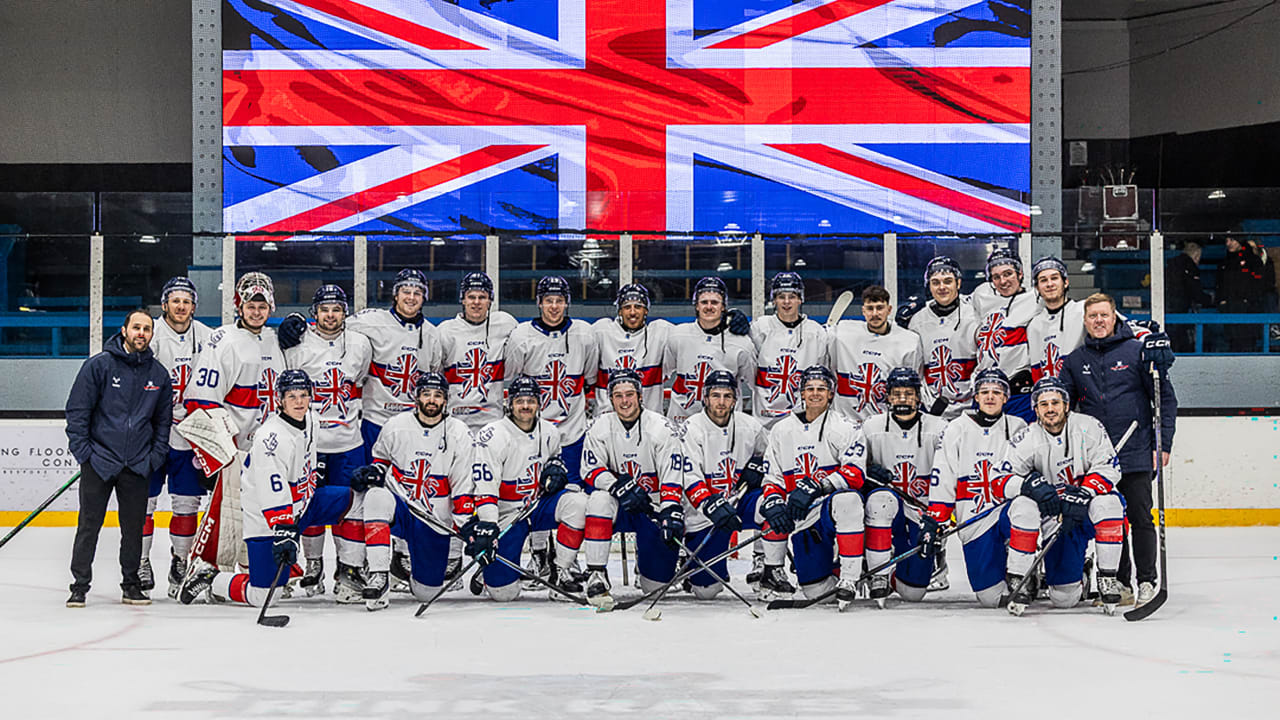
Hosting the event added another layer. Britain had not staged a senior international in Scotland this century. Murrayfield, which opened in 1939 and sits beside the national rugby stadium, carries deep roots in Scottish hockey. Its capacity of just over 3,000 was manageable and, for Britain’s final game on Saturday, full.
“It was a fantastic opportunity to celebrate the long history that we have in the UK with the game, especially in Scotland,” King said. “It wasn’t just about the players. It was about whether we have the ability to deliver an event like this.”
Success was measured in more than standings. Junior clubs from across Scotland attended. Schools participated. So did members of local Ukrainian and Polish diasporas. Sponsors activated across all three days. Streaming numbers exceeded projections, even with domestic league games competing for attention.
There is, however, a structural challenge unique to Britain. Unlike most European countries, the UK does not mandate international breaks in its professional league schedule. Nations such as Slovenia and Poland pause domestic play during international windows. Britain does not, largely because of the economic realities of its league model.
“We’re one of the only European countries that doesn’t,” King said. “In an ideal world it would be like the rest of Europe, where there are international breaks. That’s not where we are right now.”
Ice Hockey UK worked closely with the Elite League, capping call-ups at roughly two players per club to avoid stripping rosters during a busy part of the season. It required negotiation and partnership, but King insists the relationship is improving.
“We all realize we’ve got to work together to grow the game,” he said.
If pride is any indicator, the foundation is strong.
“They don’t call us British lions for nothing. Every time we put on that GB jersey, you see it.”
The next test is imminent. At this year’s IIHF World Championship, to be held in Switzerland from May 15-31 in Zurich and Fribourg, Great Britain will once again compete in the top division. Britain will be based in the Zurich group alongside Switzerland, the United States, Finland, Germany, Latvia, Austria and Hungary — a demanding lineup and a clear reminder of the level Britain is trying to normalize.
Before heading to Switzerland, Britain will tune up with two exhibition games against Italy in late April and early May.