
Formula 1 qualifying will look a little bit different in 2026.
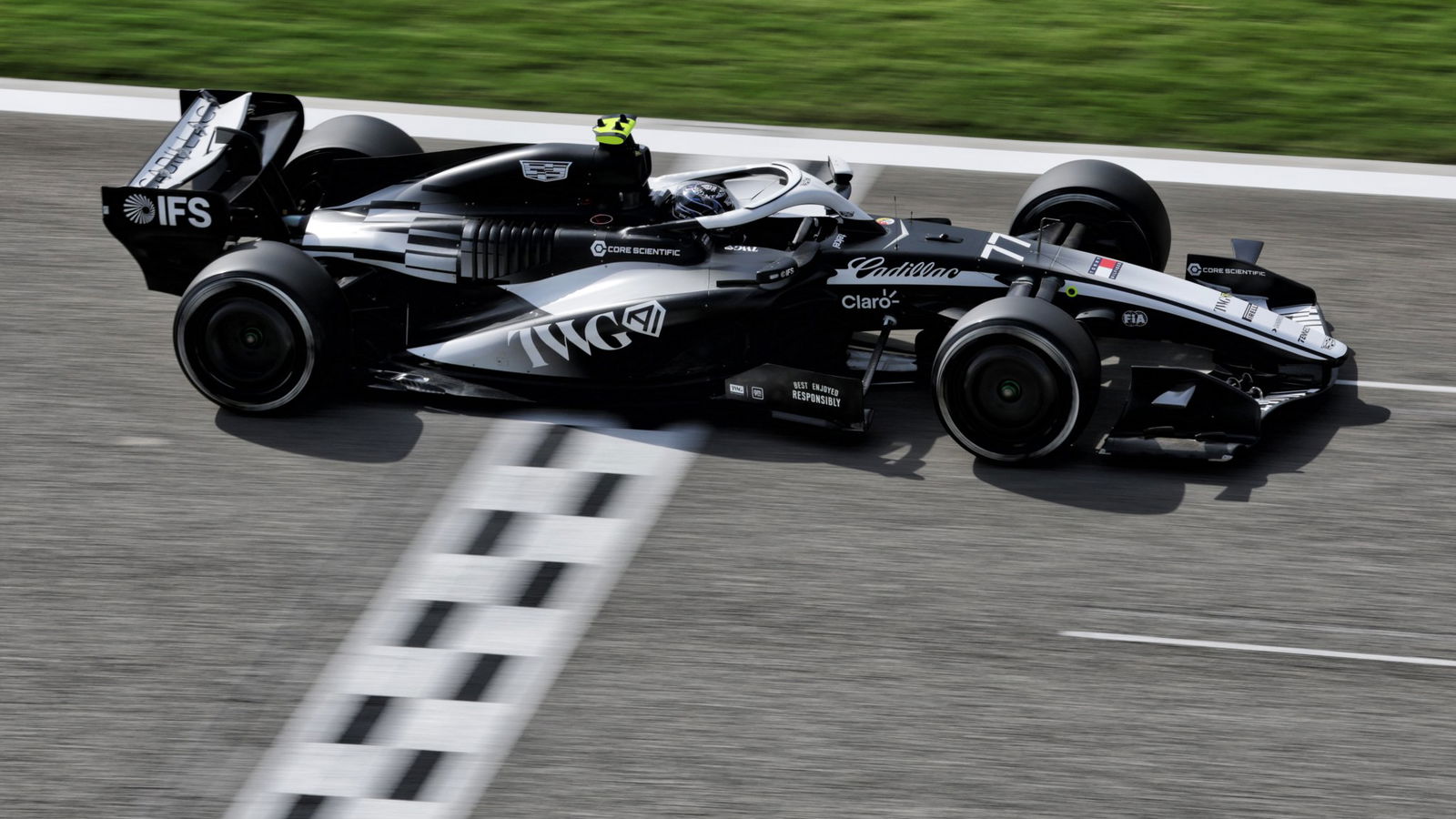
That is because Cadillac has joined the grid, taking the amount of drivers up from 20 to 22 for the upcoming campaign.
To accommodate the additional F1 team and two extra drivers, a small tweak has been made to the format.
The traditional three-part knockout structure remains the same, with only 10 cars advancing to contest the top-10 Q3 shootout.
With 12 cars now needing to be eliminated before Q3, that means the six slowest drivers will be knocked out in both Q1 and Q2.
Article continues below ADVERTISEMENT
Article continues below ADVERTISEMENT
The six drivers dumped out of Q1 will determine grid positions P17 through to P22.
Q2 will run for 15 minutes, with the slowest six drivers eliminated to lock in grid positions P11 to P16.
No changes have been made for Q3, where the top-10 grid positions and pole position will be decided during a 12-minute session.
Sprint qualifying will follow the same structure on the six allocated grands prix weekends to feature a sprint race in 2026.
The last time F1 had 22 cars and 11 teams on the starting grid was in 2016.
Article continues below ADVERTISEMENT
Article continues below ADVERTISEMENT
Incidentally, 2016 featured a facial qualifying experiment that was immediately dropped after one weekend.
F1 debuted a new-look elimination-style qualifying system at the season-opening Australian Grand Prix, but agreed to make a U-Turn after cars repeatedly did not take to the track at the end of each segment.
Subscribe to our F1 Newsletter