
Despite previous reforms, the NBA continues to struggle with tanking. Potential solutions include banning consecutive top-four picks and rewarding post-deadline wins. The goal is to adjust the league’s incentive structure so that late-season effort becomes more valuable than strategic losing.
The NBA has tried to shame tanking, fine it, and flatten it out with math.
And yet every spring, the same ugly truth shows up in the standings: too many franchises make a rational business decision to be unwatchable.
This week’s tone from the league office suggests the NBA knows it, too.
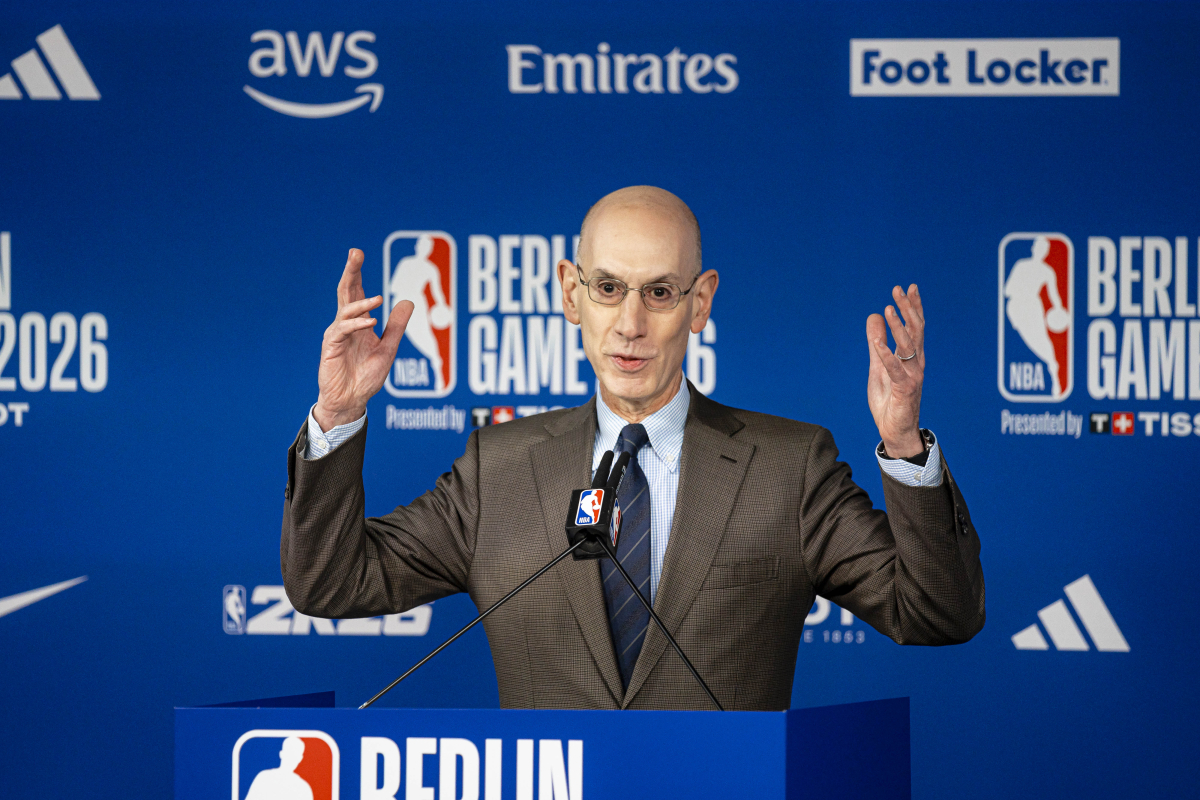
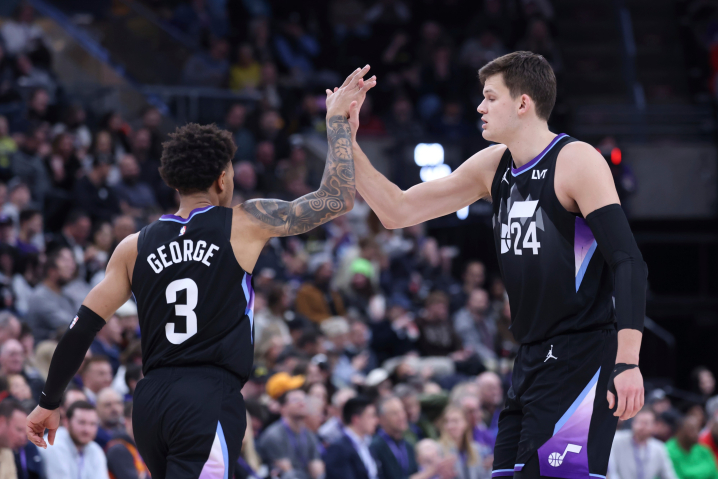
Commissioner Adam Silver has acknowledged that the problem is worsening. Both the Jazz and the Pacers were recently fined for violating player participation rules–a tool the league clearly dislikes using but continues to employ when lineups begin to resemble preseason experiments.
So here’s the real question: if tanking is logical under the current incentive structure, what changes would make competing logical again?
Why tanking survives every “fix” 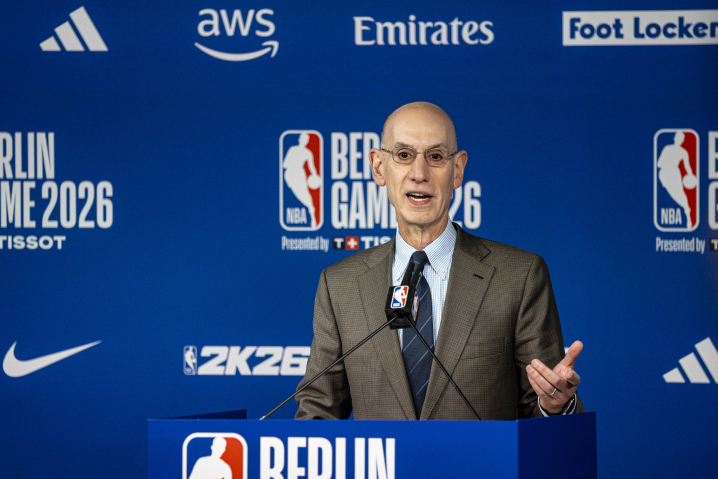
Credit Rokas Snarskis
Start with the obvious: the draft is the NBA’s best competitive-balance engine, and the top of the draft remains the most cost-effective way for franchises to acquire a star.
Yes, the NBA already flattened lottery odds in 2019, so the three worst teams each have a 14% chance at the No. 1 pick, and the worst record can’t pick lower than fifth.
That reduced the incentive to be the single worst team, but it also widened the temptation to be bad enough to join the bottom tier.
Then add modern cap management. Stars are expensive, second-apron rules are punishing, and rookie-scale contracts are gold.
If you’re not close to contention, losing now in exchange for a premium young player later can provide the cleanest path toward long-term financial health.
And the Play-In, while great for April drama, didn’t eliminate tanking–it just changed the timing. Many teams “compete” until the runway looks too short, then pivot hard once the odds are clearer.
The league’s latest reported menu of anti-tanking ideas basically admits the same thing: the problem isn’t morality. It’s incentives.
NBA’s current proposals
According to reports on league discussions, the NBA is considering options such as freezing lottery positions at the trade deadline, using two-year records for lottery odds, preventing teams from picking in the top four in consecutive years, expanding lottery eligibility, and even flattening the odds for all lottery teams.
Several of these ideas can help, but they all have trade-offs:
Freezing lottery odds at the trade deadline can reduce late-season shamelessness. If your race to the bottom can’t be turbocharged after February, you remove the most toxic stretch of the calendar.
Two-year lottery odds (a WNBA-style approach) attacks repeat tankers by making a single lost season less rewarding, and a multi-year teardown less efficient.
Banning consecutive top-four picks is a blunt instrument: it doesn’t stop a team from being bad, but it stops them from being paid repeatedly for being bad.
But none of these fully solve the NBA’s core issue: tanking isn’t just about draft odds. It’s also about development seasons where the team quietly chooses future flexibility over present competitiveness–and fans are asked to pretend that’s not what’s happening.
So if the NBA actually wants to stop tanking, it needs a package that changes behavior at three levels: front office incentives, late-season incentives, and accountability.
Credit AP – Scanpix
A realistic anti-tanking blueprint 1. Freeze draft positioning earlier – and reward post-deadline wins
Do the freeze at the trade deadline, but don’t stop there. Add a competitive bonus that teams can only earn after the deadline, when tanking traditionally spikes.
One clean way: after the deadline, track wins among non-playoff teams and award modest draft-position improvements (or extra second-round equity) to the best post-deadline performers.
This is the idea behind recent “count the wins” proposals: by incorporating late-season effort into draft mathematics, the league can ensure that 4-24 finishes are no longer rewarded.
The key is moderation. You don’t want mediocre teams gaming the system to leapfrog into elite picks. But you do want to make it costly, in draft value, to shut down winnable games for no reason other than probability.
2. Use a two-year record for lottery odds – with a one-year injury exemption
Two-year odds are among the best structural deterrents discussed because they target repeat behavior.
But the NBA has to protect against punishing legitimate injury seasons.
The fix is straightforward: allow a narrowly defined exemption when a team loses an extreme number of games involving max-contract players, or when it has medically verified season-long absences that meet a clear threshold.
That keeps the deterrent pointed at intentional losing, not misfortune.
3. Cap the bottom-out benefit: flatten odds after the bottom tier
The NBA can keep the current top-end odds (14%, 14%, 14%), but should reduce the difference between, say, the 4th-worst and 8th-worst teams–or even cluster them.
Right now, there’s still a meaningful incentive to slide from “bad” to “very bad,” as every ranking drop increases the probability of a premium selection.
Make the bottom tier less steep, and you reduce the payoff of the extra 10 intentional losses.
4. Create an anti-tank prize that owners actually care about
If you want owners to pressure front offices to avoid tanking, give them a reason.
For example:
a meaningful cash pool distributed to the best-performing non-playoff teams after the deadline, a small but real roster mechanism like an extra mid-level exception slot, or a limited “cap relief credit” (tightly controlled to avoid competitive imbalance), or additional two-way roster flexibility.
You’re basically paying teams to keep the product legitimate in March and April. The NBA prints money on TV inventory; it can afford to protect the value of those games.
The uncomfortable truth: you can’t eliminate tanking, only make it not worth it 
Credit AP – Scanpix
There will always be genuinely bad teams. There will always be seasons where the smartest move is to pivot toward youth. The NBA shouldn’t outlaw rebuilding.
What it can do is stop rewarding the ugliest version of rebuilding: late-season collapses, “injury management” that functions as strategy rather than treatment, and months of games in which neither team appears interested in winning.
The league’s recent discussions suggest the NBA is finally ready to treat tanking like what it is: not a PR problem, but a design flaw.
How NBA Accidentally Encouraged Tanking

Nojus Stankevičius began his basketball writing journey in 2023, when he started studying Journalism at Vilnius University. In 2024, he participated in the BasketNews Academy. Then, a year later, in 2025, he officially joined BasketNews as a Daily Writer, marking the beginning of his professional career in sports journalism.
About author


Support BasketNews so we could make even better content.
If you like our content, please click here and add us as your preferred source. It helps us a lot, and we are committed to delivering you the very latest basketball news.