
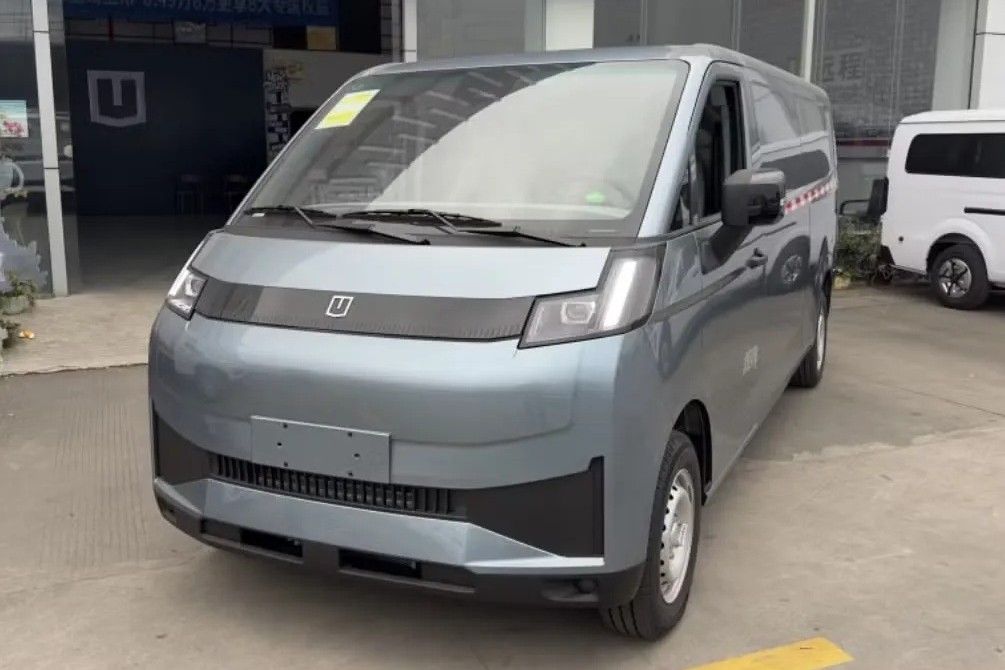
Key PointsFarizon V7E and V8E have passed Australian Design Rules (ADR) approval, with 12 variants listedThe V7E offers up to 329km WLTP range and 6.95m³ cargo capacity, while the V8E steps up to 8.5m³ and a 65kWh batteryBoth vans are built for commercial fleets and are expected to launch in Australia soon through Jameel Motors
Two new electric cargo vans from Farizon have cleared Australian regulatory approval. The V7E and V8E, both part of Farizon , Geely ‘s international commercial vehicle arm, have passed Australian Design Rules (ADR) with 12 variants listed across the two models.
Farizon entered Australia in 2025 with its SuperVAN, distributed through Jameel Motors. The V7E and V8E are smaller, purpose-built cargo vans targeting last-mile delivery, cold chain, FMCG distribution and fleet operators.
No official launch date has been confirmed, but ADR approval is the final regulatory step before a vehicle can be sold in Australia. A launch is expected soon.
News
Kia’s first electric van is officially cleared for Australia
Read More →
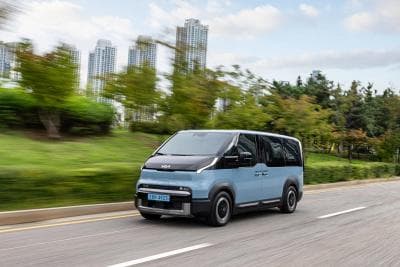 The V7E: Compact Cargo Van with Strong Range
The V7E is the smaller of the two models. It is built on the GMA architecture and designed for urban logistics. Key specs are based on the Australian-spec configuration provided.
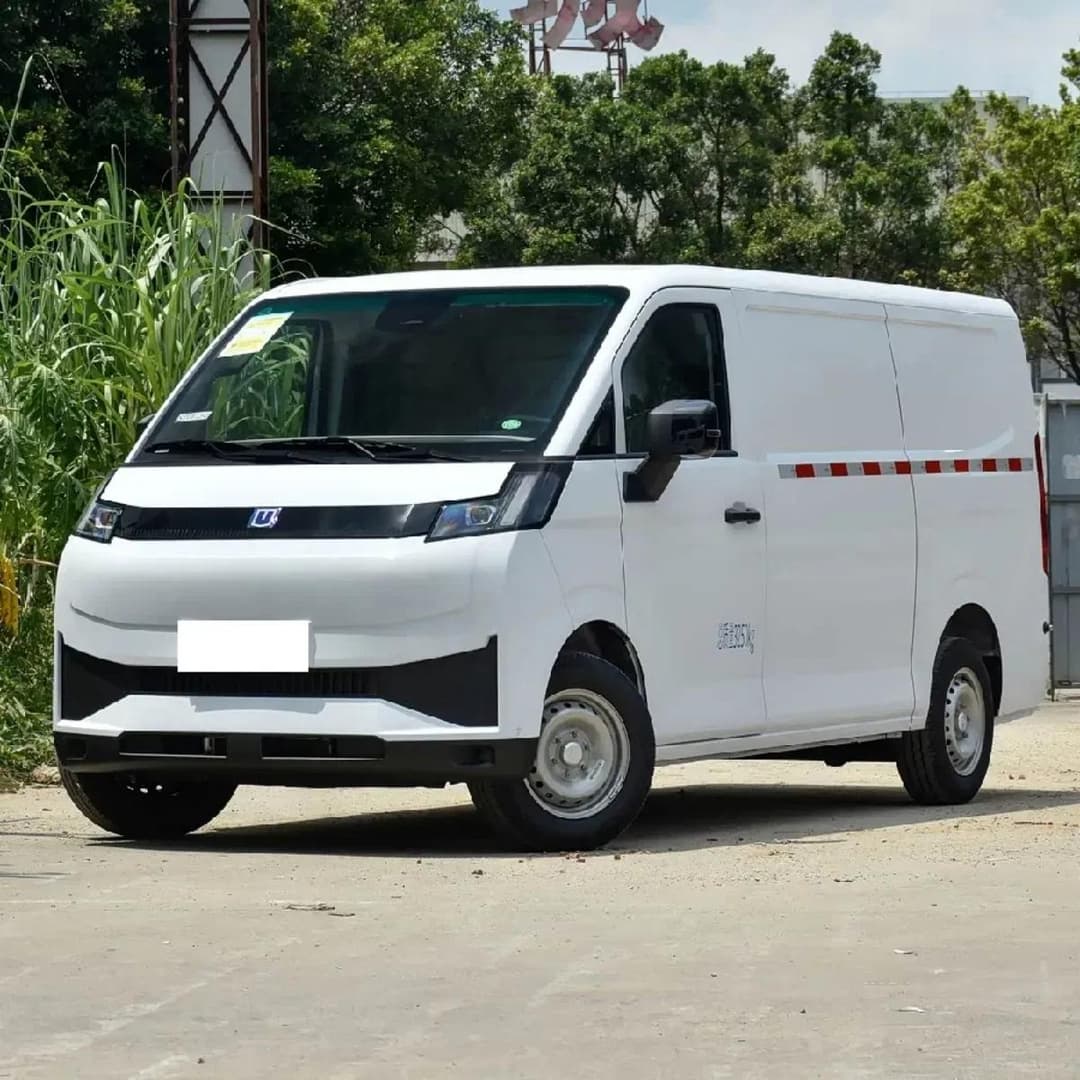 Farizon V7E Key Specifications
The V7E uses a CATL LFP battery with liquid heating and cooling and overheat protection. LFP chemistry offers better thermal stability than NMC, which suits hot Australian conditions.
The motor is a 6-in-1 integrated unit, combining the motor, inverter, reducer, and other components into a single assembly. This reduces weight and improves efficiency for urban stop-start driving.
Intended use cases include last-mile delivery, FMCG distribution, cold chain support, facilities maintenance fleets, and SME transport operations.
The V8E: Bigger Cargo, Longer Range
The V8E is the long-wheelbase variant on the same platform as the V7E. It is designed for operators who need more cargo space and higher payload.
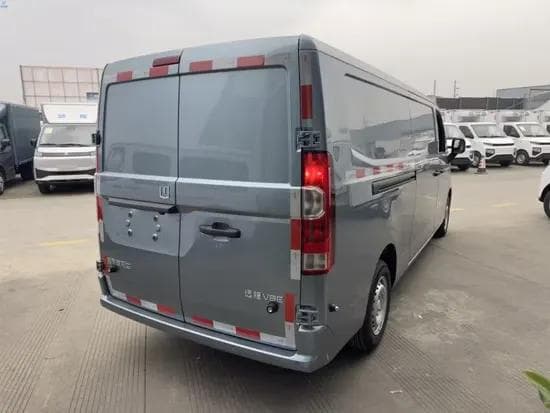 Farizon V8E Key Specifications
The V8E’s cargo compartment is 3,280mm long internally and supports space expansion to fit pipes up to 4.1 metres. The 1.1-metre-wide sliding side doors support forklift pallet loading. The rear barn doors open to 270 degrees.
The V8E also supports V2L (vehicle-to-load) reverse charging, which can power tools, refrigeration units or other equipment directly from the van.
News
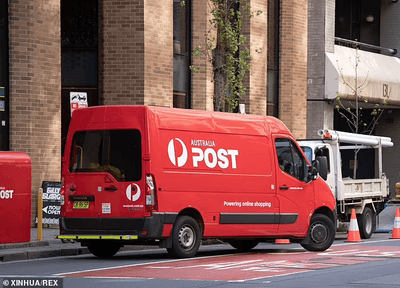
Australia Post Adds 36 New Electric Vans To Delivery Fleet
Read More →
 V7E vs V8E: Which One Suits Your Fleet?
Both vans share the same platform and LFP battery chemistry. The V7E is the more compact option with a 6.95m³ cargo hold and a WLTP-tested range of 329km. The V8E is longer, carries more, and has a faster charge time, but its range figure is based on the CLTC test cycle, which tends to be more optimistic than WLTP.
What to Expect at Launch
Farizon has not announced pricing or a specific launch date for the V7E or V8E in Australia. ADR approval means both models are legally cleared to be sold here. Pricing and availability details are expected to follow.
Farizon’s existing Australian distributor, Jameel Motors, handles the SuperVAN. It is likely the V7E and V8E will come through the same channel, though this has not been confirmed.
For fleet buyers, the key question will be pricing relative to competitors like the LDV eDeliver 7 and the upcoming Kia PV5. Both the V7E and V8E bring competitive specs on paper, particularly around cargo volume and charging speed.