
Welcome to Yahoo’s weekly column where lawyers Alison and Jillian Barrett from Maurice Blackburn tackle problems everyday Aussies face — whether it be consumer, property, money matters, relationships or work.
Question
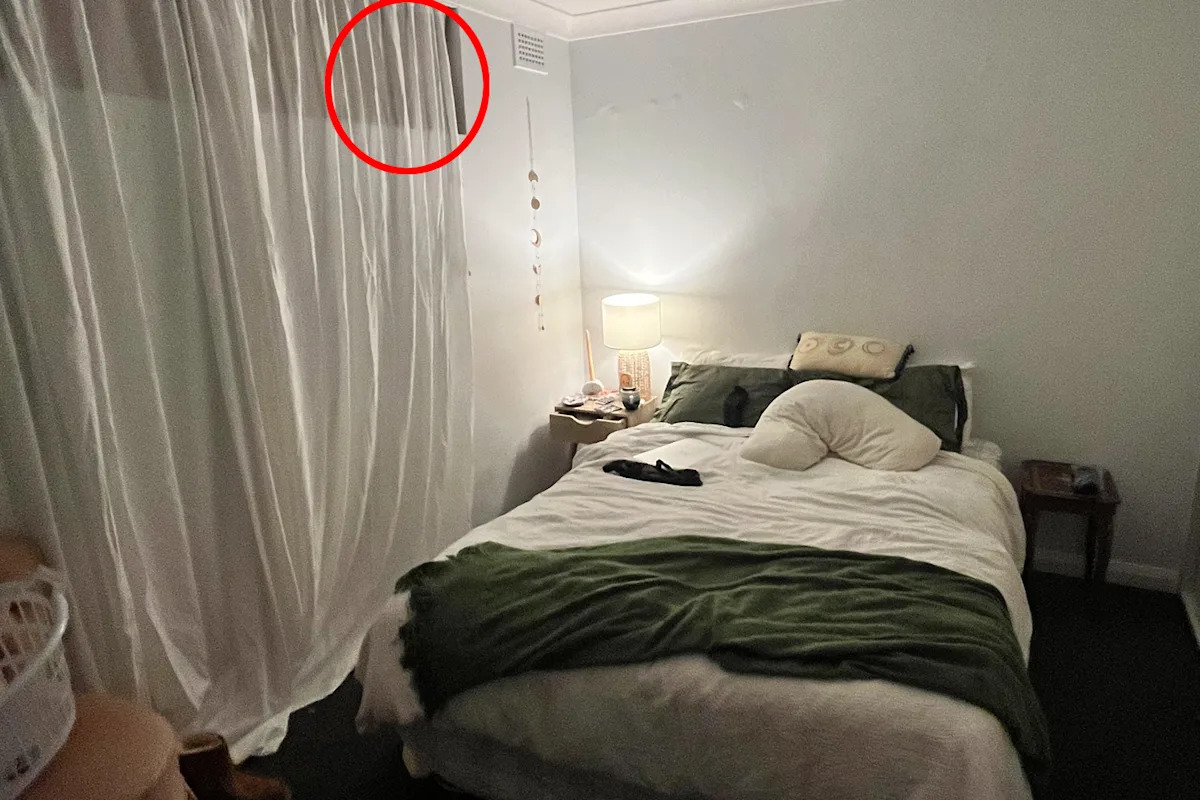
I am a tenant in a rental in Sydney and it is so bloody hot inside my apartment — I feel like I can’t breathe. There’s no screen on my door so I can’t keep it open (there’s so many roaches and other bugs) and only one external window. I get full sun and my apartment is roasting by the morning. I had to cardboard up my bedroom window as every time someone walks into the building a sensor light goes off and lights up my room. It’s a pretty small window anyway so it’s not letting much air get in. It’s also the reason a portable air conditioner won’t work. I’ve raised it with my landlord but they refuse to do anything. I moved in winter so had no idea and now it’s summer I don’t know what to do. A fan doesn’t cut it. If I leave, I will lose money and the rental market is so expensive. What can I do?
Across Australia, landlords must provide rentals that are reasonably safe, secure, and fit to live in.
Each state uses slightly different language, but the principle is the same: the property must be in a liveable condition.
While the law doesn’t require every rental to have air-conditioning, it does require landlords to address concerns that create a safety issue or make the home unfit to live in.
What you have described — poor ventilation, excessive heat and light, pest issues and inadequate window coverings — collectively suggest that your apartment isn’t meeting basic standards or your right to reasonable peace, comfort and privacy in the premises.
What reasonable changes can you ask for?
Think about it in terms of practical, low-cost fixes that improve ventilation, block heat and light, and address pests.
In NSW, tenants can request “minor modifications” and a landlord must not unreasonably refuse consent for common items such as:
Installing flyscreens (including a screen door) so you can safely ventilate.
Adding block-out blinds or curtains to address the sensor light and heat caused by the sun.
Applying removable window film or shade solutions that don’t damage the property.
You can also ask the landlord to arrange pest control if roaches are a problem.
If the sensor light is part of the building’s common property, your landlord (as the lot owner) can ask the owners’ corporation or strata managing agent to adjust the light’s angle, timer or shielding.
Do you have a matter you’d like us to weigh in on? Contact newsroomau@yahoonews.com and we might feature it next.

Alison and Jillian Barrett are Principal Lawyers at Australia’s leading plaintiff law firm, Maurice Blackburn.
(William Gordon Photography)What should you do next?
We note you have raised your concerns with the landlord and no action has been taken.
You should:
Document the problem
Take dated photos/videos of the light shining in, the blocked window, and any pest issues.
Keep a heat log (even a photo of a simple thermometer) showing indoor temperatures at different times.
Put it in writing
Send a clear request proposing solutions, for example, permission to install a flyscreen door, proper window coverings, strata adjustments to the sensor light, and pest treatment.
Detail any impact on your health.
Use a formal process
If the landlord won’t engage, send a Notice to Remedy Breach describing what needs to happen and by when.
If your landlord won’t budge, you can apply to the NSW Civil and Administrative Tribunal (NCAT) for:
Repair or work orders (including orders that consent not be unreasonably refused for minor modifications).
Compensation or a rent reduction for loss of amenity while issues persist.
If the place is genuinely unliveable for you, two pathways exist to leave early:
Hardship application: you can ask NCAT to terminate the lease without the break fee if continuing the lease would cause you undue hardship (for example, a health risk from extreme heat and poor ventilation).
For advice tailored to your lease and situation, contact the Tenants’ Union of NSW or a community legal centre.
This information is general in nature and should not be regarded as specific legal advice. For legal advice on a specific situation, consult a qualified solicitor.
The contents of this column reflect or are inspired by real-life experiences. Some details may be adapted.
You can also follow us on Facebook, Instagram, TikTok, Twitter and YouTube.