
Plumbing products containing lead will remain legal to install in Australia until 2028, after the national building authority extended a phase-out deadline by two years.
The Australian Building Codes Board (ABCB), which sets national construction standards, said the delay was necessary due to “insufficient” availability of lead-free certified products.
According to the Plumbing Industry Climate Action Centre (PICAC), this means the vast majority of plumbing products, which contain between 4.5 per cent and 6 per cent lead content, can continue to be installed into Australian buildings until May 1, 2028.
It comes three years after the board declared only certified copper alloy products with less than 0.25 per cent lead content could be used to convey drinking water as a way to address the health effects caused by lead.
“In light of the strong housing agenda and risks of insufficient … certified products being available in the market, the Board agreed to extend the [deadline],” the board said in a statement.
However, industry bodies, including the PICAC, Master Plumbers and the Victorian Chapter of Association of Hydraulic Services Consultants Australia, want the board to enforce the original May deadline.
The ABC understands the Victorian government is looking at enforcing the 2026 deadline.
Industry outrage
Plumbing Industry Climate Action Centre CEO Shayne La Combre said the decision put the health of Australians, particularly children and unborn babies, at risk for decades to come.
“There is no safe level of lead exposure — every health authority in the world agrees on that,” Mr La Combre said.
Shayne La Combre says the delay is deeply disappointing. (Supplied: Shayne La Combre)
He said the delay was on top of an already lengthy process that harked back to a full regulatory impact statement in 2021.
“It concluded the benefits of moving to a low-lead standard outweighed the cost,” Mr La Combre said
He said the extension could risk Australia’s drinking water for decades.
“Plumbing fittings don’t get replaced every few years,” he said.
“They can sit in walls and structures for 50 years or more.
“So this isn’t just a two-year delay, it potentially means decades of additional exposure and risk embedded in the build environment and a decision like this leaves Australia behind the rest of the developed world.”
New Zealand will enforce the same 0.25 per cent lead limit from May 2026 — the deadline Australia has now pushed back by two years.
The US and Canada introduced similar standards more than a decade ago, and the UK did so in the late 1980s. The EU is expected to go further, setting a 0.1 per cent limit from December 2026.
Mr La Combre said the delay risked Australia becoming a dumping ground for higher lead products that could no longer be sold overseas.
‘Kick in the guts’
President of Master Plumbers Australia Norman Anderson said the extension was a “kick in the guts” for the businesses that reacted to the proposed ban.
Mr Anderson said his plumbing business was commercially disadvantaged, with competitors’ lead products potentially able to be sold more cheaply.
“It’s totally unfair — we’re not happy about the extended deadline because we’ve already done the right thing,” he said.
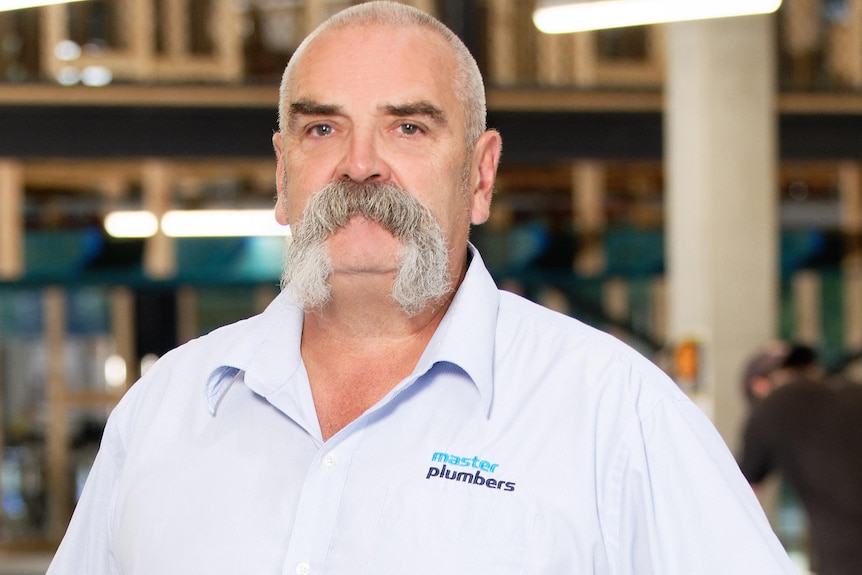
Norman Anderson says the extension will hurt businesses that acted in good faith. (Supplied: Master Plumbers)
“We’ve gone and invested [$100,000] to make everything work and have the lead-free products.
“Then you get the extension — it’s a bit of a kick in the guts and it set us back.
“That’s going to destroy some of the people who’ve done the right thing because they’re going to dump product here from overseas and we’re going to get caught out, because we don’t have a product that’s cheap anymore.
“And [consumers] will say, ‘We can get the [lead product] at $5 cheaper, we’re going to buy the cheaper option.'”
Mr Anderson said the extension was a “get out of jail free card” for big businesses that stockpiled lead products.
“It’s not fair to manufacturers and suppliers and makers of products, but also not fair to the Australian community,” he said.
Dangers of lead
In a statement, the ABCB said Australia’s Chief Medical Officer had indicated there was “no evidence of lead-related adverse effects on human health from the consumption of drinking water in Australia”.
However, Royal Australian College of General Practitioners Tasmanian chair Toby Gardner said there was no safe level of lead exposure.
“The people we’re particularly worried about with lead exposure [are] pregnant women and children because of the potential neurotoxicity of lead that accumulates in the system,” Dr Gardner said.
“With children, you are more likely to develop behavioural disturbances, cognitive issues and intellectual issues with the absorption of lead into the system.
“With adults, the primary effects [of lead] are more cardiovascular and to do with the heart and blood pressure.”
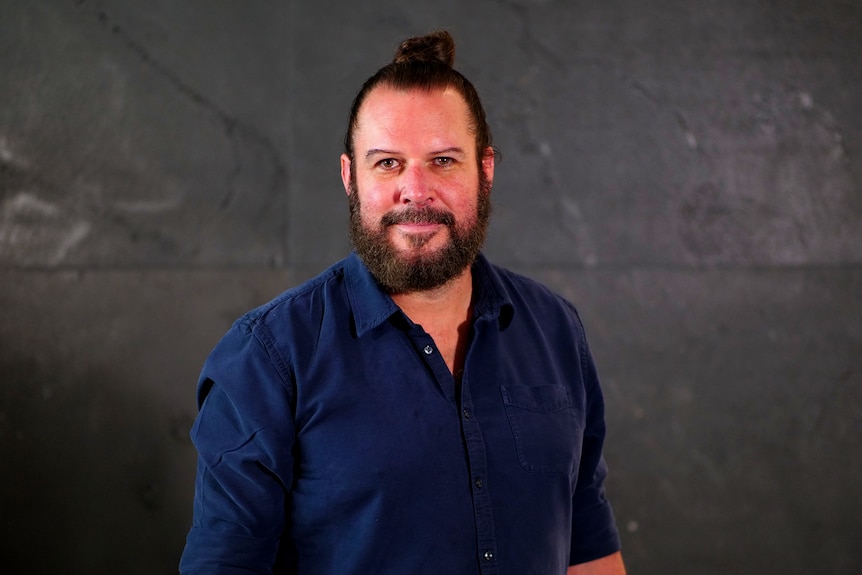
Toby Gardner says children and pregnant women are particularly vulnerable to lead exposure. (Supplied: The Royal Australian College of General Practitioners)
Dr Gardner said the potential for lead leaching into drinking water was a concern.
“The way lead usually gets into your body is through ingestion,” he said.
“I’d be concerned if I was told I had lead pipes in the house.”Board says new deadline final
The ABCB said the delay was because there were not enough lead-free products in the market and it could slow down housing construction.
The board said some businesses had excess stock containing lead as a result of the COVID-19 pandemic.
“Product accumulation was in response to supply disruptions during the pandemic, and other international events,” the board said.
The ABCB said businesses that invested in the lead-free products would not be disadvantaged, as the “market demand for lead-free [products] is increasing”.
From May 2026, manufacturers will only be able to produce lead-free certified plumbing products.
The board confirmed on its website the new deadline was final.