
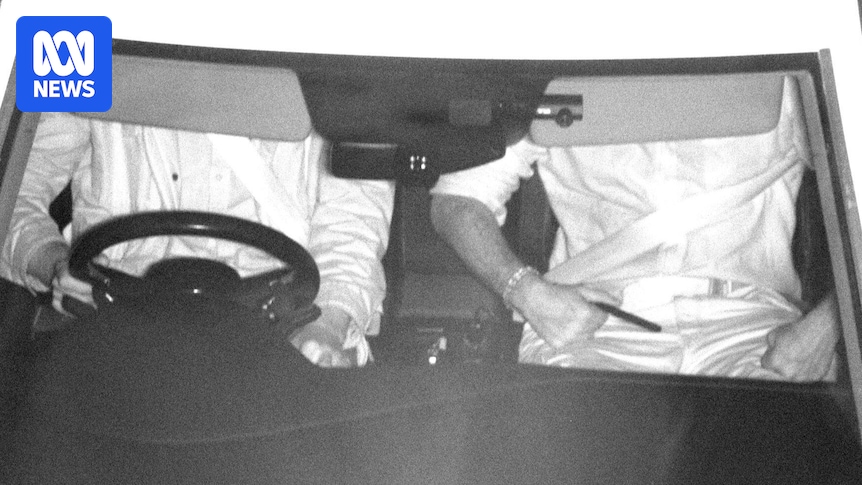
A Queensland magistrate’s decision to dismiss an AI-detected seatbelt fine has raised concerns that drivers across Australia may be wrongly penalised by AI-assisted road safety cameras.
Most Australian states now have some form of the new camera system, which uses AI to identify potential mobile phone and seatbelt breaches, with fines then sent to drivers.
Software engineer Hugo Burton, 22, received an infringement notice late last year after his passenger shifted his seatbelt underneath his arm mid-trip.
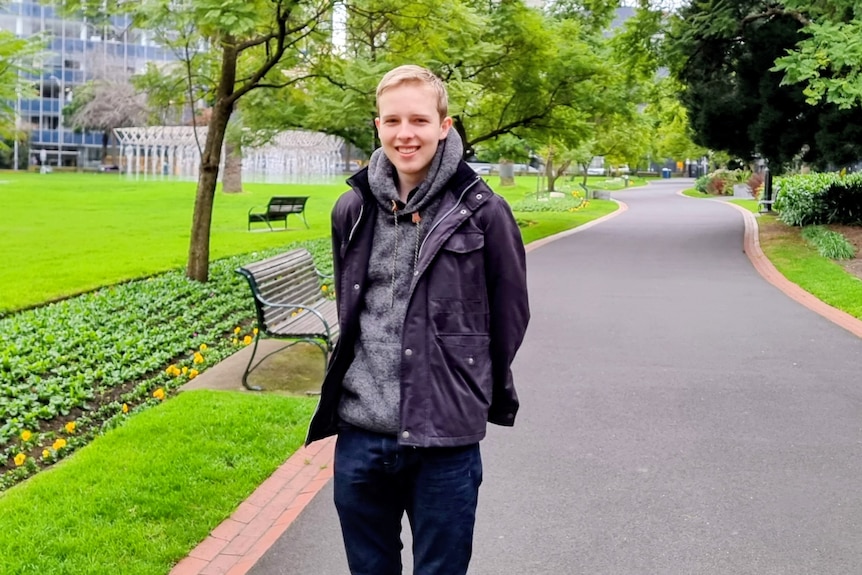
Hugo Burton, 22, represented himself in court and won. (Supplied: Hugo Burton)
Representing himself in court in January, Mr Burton argued it would have been infeasible and potentially unsafe to constantly monitor whether his passenger was wearing his seatbelt during the trip.
In a recording of the court case obtained by the ABC, Magistrate Kerry Magee agreed.
She said it was not reasonable to expect Mr Burton to keep looking across to check it was being worn properly — particularly once they got onto the M1, a freeway in Brisbane, where overhead cameras snapped the infringement.
“The M1 is acknowledged by the prosecution to be a potentially dangerous road,” she said.
“It does require considerable concentration to ensure that that road can be traversed safely.”
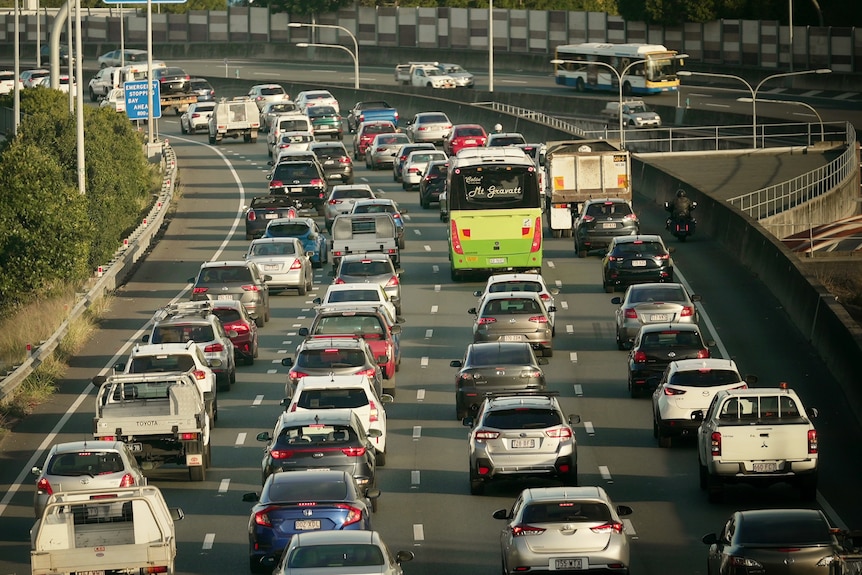
The magistrate told the court driving on the M1 required “considerable concentration”. (ABC News: Mark Leonardi)
Magistrate Magee found Queensland’s Department of Transport had failed to exclude the possibility that Mr Burton “honestly and reasonably believed that his passenger was wearing a seatbelt [that was] properly adjusted and fastened”.
At the end of the hearing, Mr Burton asked what would prevent him and others from being unfairly fined in the future.
‘My whole licence gone’: Drivers caught unaware by AI traffic cameras
He said the prospect of going through the whole rigmarole of fighting it in court again made him not want to drive with a passenger at all.
Magistrate Magee said she could not give legal advice but noted that the prosecution would “have some difficulty” defending any case where the passenger’s seatbelt remained fastened.
Drivers say system unfair, inaccurate
Mr Burton told the ABC he was one of several people in court on the day battling similar AI-detected seatbelt infringements, as frustration at the new systems mounts in several states.
In Western Australia, Milly Bartlett said she received an infringement notice despite the photo provided as evidence showing she was wearing her seatbelt correctly.
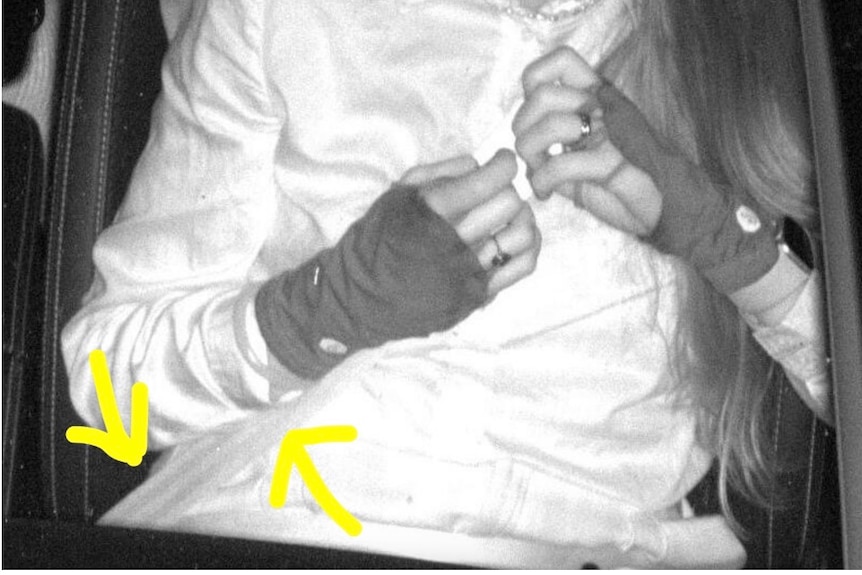
Milly Bartlett received a fine despite the photograph from an AI-powered camera showing her wearing her seatbelt. (Supplied: Milly Bartlett)
She said strong sun reflection makes the seatbelt appear white and blend in with her top in the black-and-white image.
However, the AI-detection software picked it up as a breach.
“I’m so risk-averse you can see that I’m wearing long sleeves and sun gloves in my car at 6pm,” she said.
“I’m the least likely person to be not wearing a seatbelt on the freeway.”
Milly Bartlett says she was also wrongly fined by the cameras. (Supplied: Milly Bartlett)
Ms Bartlett, who said she had never received a demerit point in 30 years of driving, faces a $550 fine and eight demerit points — double the normal amount as the alleged infringement took place during the summer holiday period.
She appealed three weeks ago and was still waiting on an outcome, but said she was not hopeful, as a friend had recently had a similar appeal rejected.
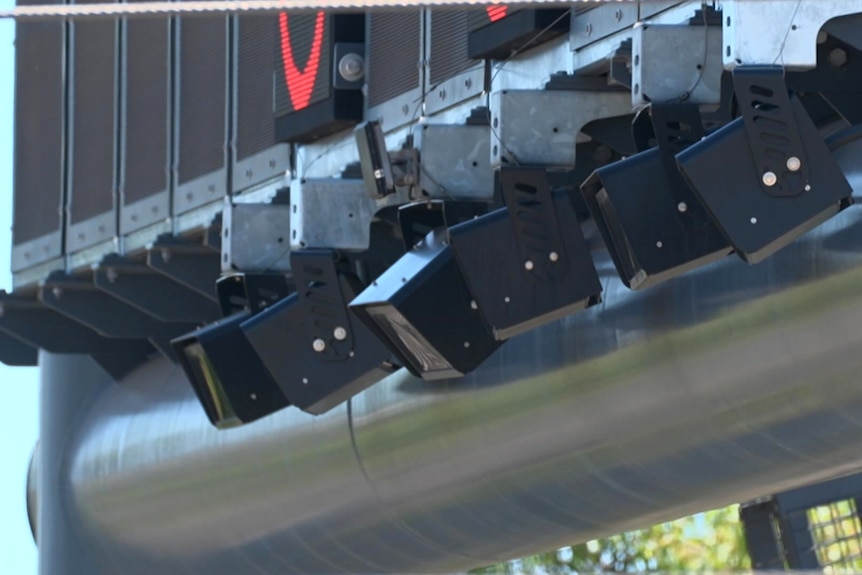
The AI-powered cameras have been installed along Perth’s freeway system. (ABC News)
“I get that technology is catching a lot of people doing stupid things, but clearly it is returning a hell of a lot of infringements, and they’re not being closely checked before they’re getting sent out to people,” she said.
“I just resent the time and effort and energy that it’s made me waste.”
Ms Bartlett said the government had made it “very difficult” for people to prove their innocence and called for a more accessible, efficient review channel, given the number of errors being made.
In WA, a review of the penalty system was underway, with the Transport Minister saying late last week people could appeal the fines for “exceptional circumstances”.

Rita Saffioti is WA’s Transport Minister and Deputy Premier. (ABC News: Keane Bourke)
“I’ve heard it first hand from a lot of people who have had fines from the seatbelt issue,” Rita Saffioti said.
“I can understand why people are upset about receiving those fines.”Cases clog system
In most jurisdictions, a person who receives a traffic infringement notice can request a review by emailing or sending a letter to the Department of Transport with “supporting documentation”.
The department then investigates the request and responds with an outcome.
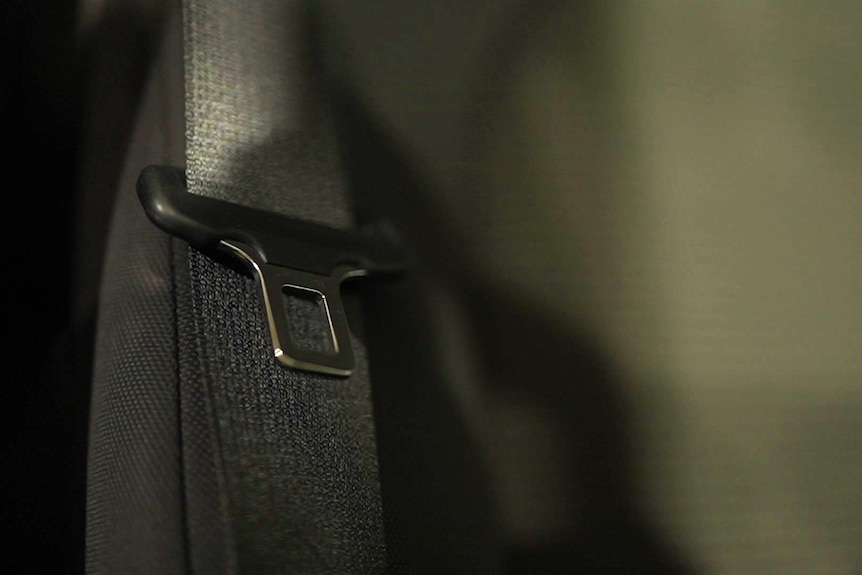
There are concerns about seatbelts blending in with people’s clothing on camera. (ABC News)
If it rejects the appeal, the person must either pay the fine or request a court hearing.
Lawyer Avinash Singh said seatbelt infringements were creating “an unnecessary backlog” in the courts.
He said the legal community was putting pressure on the department to improve its appeals process to reduce the burden.
“What we found is a lot of legitimate appeals to reviews are turned down, and it actually does take getting it before a magistrate or a judge to actually have a fair hearing,” he said.