

When 13-year-old Jack Triffitt describes his walk to school every Friday, it sounds like an exaggerated tale from years past.
“I walk down the hill. It’s very steep and then I’d have to walk down a yucky swamp and then I’d have to walk up another hill, which is very rocky,” he said.
Next comes a dirt road, a bridge and another 1.5 kilometres through suburbia before he reaches his school in Bridgewater, north of Hobart.
He could stick to paved streets, but that would add an extra 15 minutes to an already 25-minute walk.
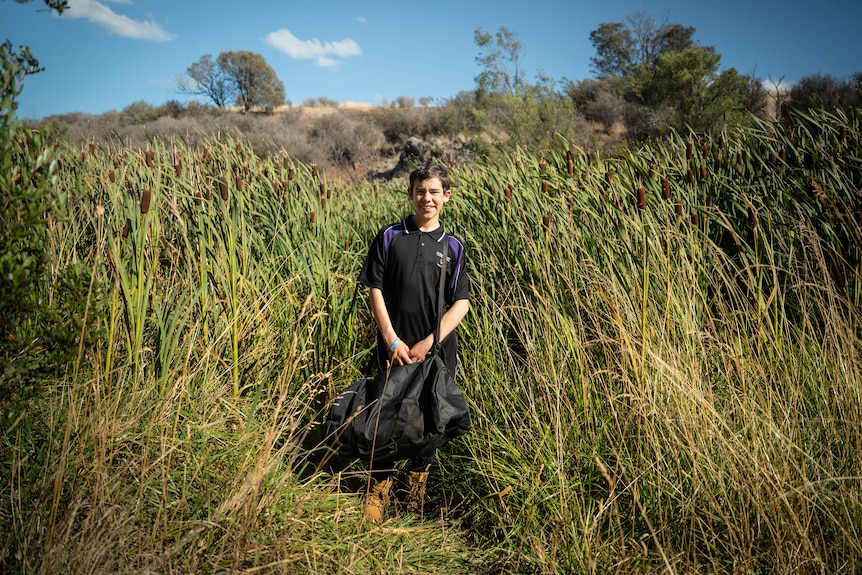
Jack says he had to walk through a swamp to get to school on Fridays. (ABC News: Jonny McNee)
From Monday to Thursday, Jack catches the 530 Metro bus to school from his home in Gagebrook.
But on Fridays, there was no bus to catch.
The 530 bus ran on a different schedule that did not provide a service early enough for Jack to get to school on time.
Other students also had to find alternative transport on Fridays and some ended up not attending school.
Loading…Two years of lobbying brings results
Jack has been working with the Brighton Youth Action Group for two years, trying to get the Friday bus reinstated.
He has lobbied politicians, government departments and Metro.
“The whole process has been very hard and very busy,” Jack said.
“I’ve been back and forward with ministers, getting emails, phone calls.”
Jack will not have to walk through the swamp on Fridays after the government agreed to make changes. (ABC News: Jonny McNee)
The campaign has finally been successful, with the state government committing to reinstating the service.
“I felt excited,” Jack said.
“People at my school felt very excited and very happy that they could get to school finally five days a week.”
Transport Minister Kerry Vincent said he had been aware of Jack’s plight.
“We’ve worked through it and we’ve reinstated those buses for Jack,” he said.
“We had been working through with [the Department of State Growth] to make sure those services were there.”
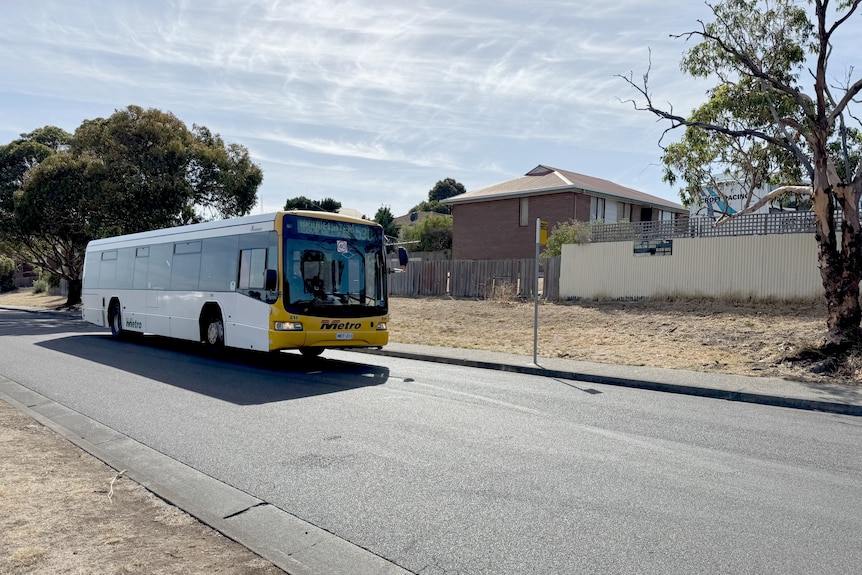
The local council says Jack’s issues are part of a broader lack of public transport in the area. (ABC News: Selina Bryan)
Bus services inadequate for growing region
While Jack’s problem has been solved, the broader Brighton community continues to face other transport challenges.
Brighton Council community development manager Angela Turvey works with the Brighton Youth Action Group (BYAG).
“It’s been a very long road for the BYAG. This is not the end, though,” she said.
“That’s the most important thing to remember, that this is just a small part of the issues for our community when it comes to public transport.”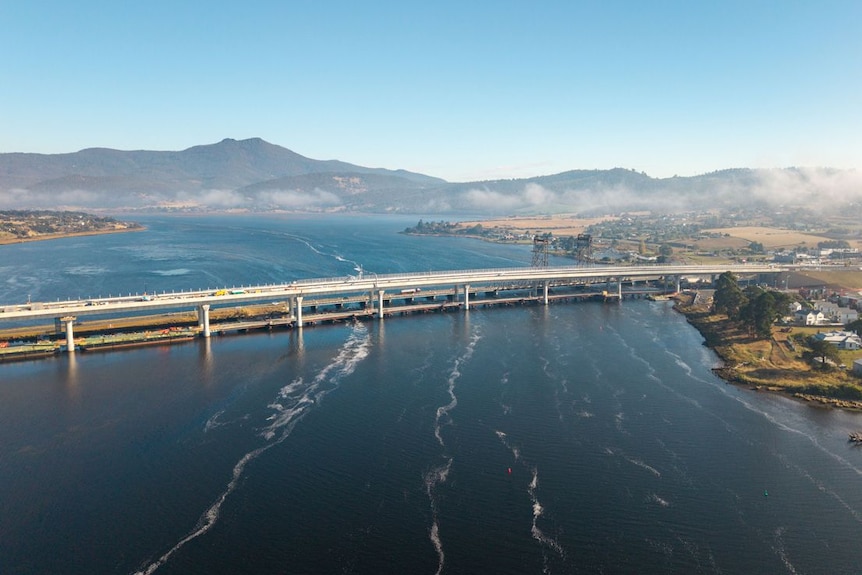
Bridgewater, Brighton and Gagebrook are on the northern side of the Bridgewater Bridge over the River Derwent. (Supplied: Department of State Growth)
Ms Turvey cited the regularity of buses into Glenorchy and Hobart as one challenge, while getting around within Brighton’s suburbs of Bridgewater, Gagebrook and Herdsmans Cove as another.
Bridgewater, Brighton and Gagebrook are on the northern side of the Bridgewater Bridge over the River Derwent, making interconnected local bus services even more important.
Bridgewater is considered one of Hobart’s most disadvantaged suburbs, with poor public transport options a contributing factor.
“It’s unrealistic to be able to use those services to just hop between suburbs because they’re so infrequent,” she said.
Ms Turvey said that contributed to social isolation and mental health issues because it was a barrier to engaging and participating in the community.
The council is working on creating better transport connections, pushing for a trial of buses running on loops within suburbs and linking with park and ride facilities and express bus services.
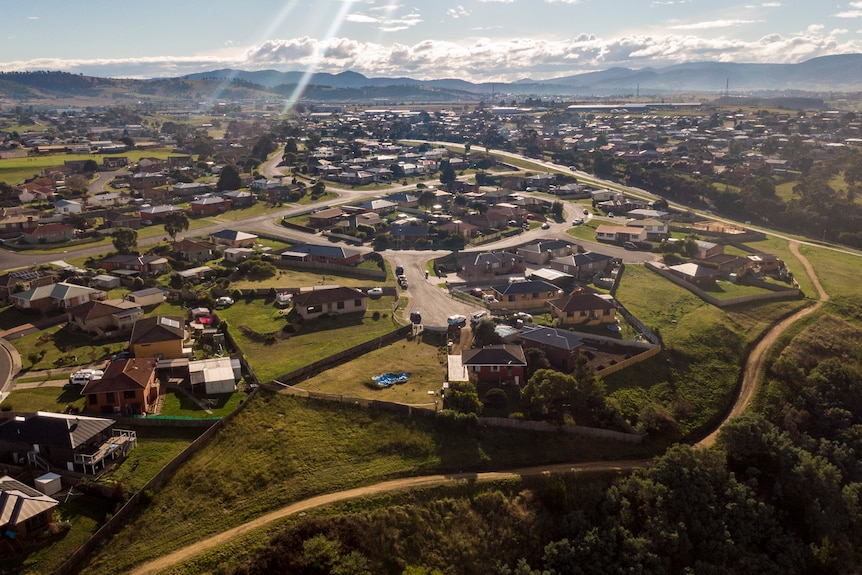
Bridgewater is considered one of Hobart’s most disadvantaged suburbs. (ABC News: Luke Bowden)
Brighton Council chief executive officer James Dryburgh said it would address the gaps in the network.
“It’s as simple as people’s daily lives being able to function — education, health, food, groceries, just being able to get around,” he said.
“We have a big population now. The critical mass is there to support this sort of service, so we just need to respond to that population now and improve the system overall.”
The council is working with the state government and Metro to try to progress the plan.
Mr Dryburgh said he was realistic about how quickly that could be achieved.
“We understand that money’s not that freely available, but there are lots of incremental steps we can take to build the overall system,” he said.