

Anthropic’s Claude has long been one of the most capable AI assistants for reasoning and writing. But until recently it mostly lived inside a chat window, explaining how to do things rather than actually doing them.
But, Claude Cowork aims to change that. After spending time testing the new desktop agent, it’s clear Anthropic has a much bigger ambition: turning Claude into something closer to a digital coworker — one that can organize files, analyze spreadsheets, generate reports and connect to the tools people already use for work. From what I’ve seen, using Claude Cowork is one of the easiest ways to utilize AI to boost productivity and upskill at work. As the saying goes, you may not be replaced by AI, but by someone who knows how to use it.
What I like about Claude Cowork is that it doesn’t just suggest what to do next, it can actually complete the task. Here’s a look at what happened when I put it to the test.
What Claude Cowork actually is
Introducing Cowork: Claude Code for the rest of your work – YouTube
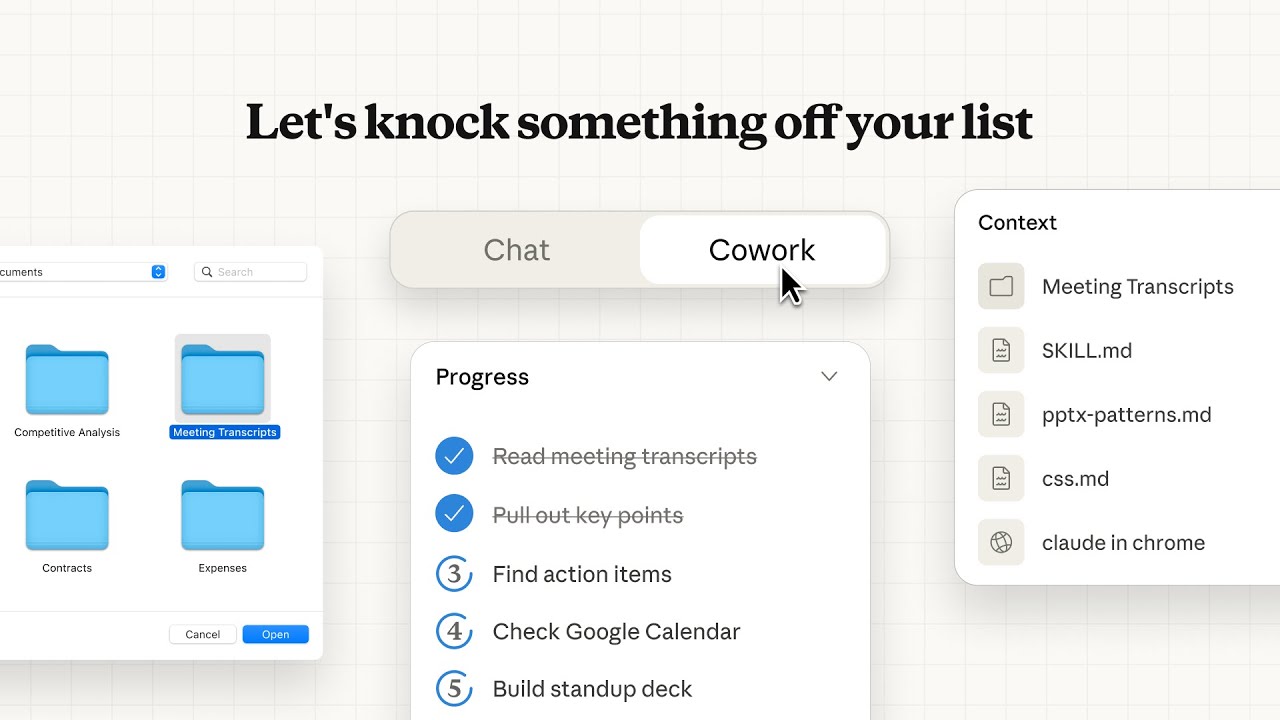
Claude Cowork brings the agent-style capabilities first introduced in Claude Code to the desktop app. When I first heard about Claude Cowork, I wondered if I would ever need to use it. But it’s a lot less complicated than most people think.
You may like
In fact, the idea is simple. Instead of asking Claude a question and manually carrying out the steps yourself, you give it access to the files or apps involved in the task and let it handle the work. And for those worried about privacy, I’ve tested that, too. Claude is among the most safe of big name AIs.
You might ask Cowork to:
Organize a cluttered downloads folderAnalyze a spreadsheet and summarize the resultsGenerate a formatted report from raw dataCompile research from multiple documents
So, it truly is an AI assistant and less of a chatbot when used like this. The feature grew out of an unexpected trend. Anthropic noticed that Claude Code became extremely good at filesystem tasks, and many non-developers started using it to organize files, compile research and draft documents. Cowork packages those abilities in a desktop interface that doesn’t require a terminal or coding knowledge.
Getting started with Claude Cowork
(Image credit: Future)
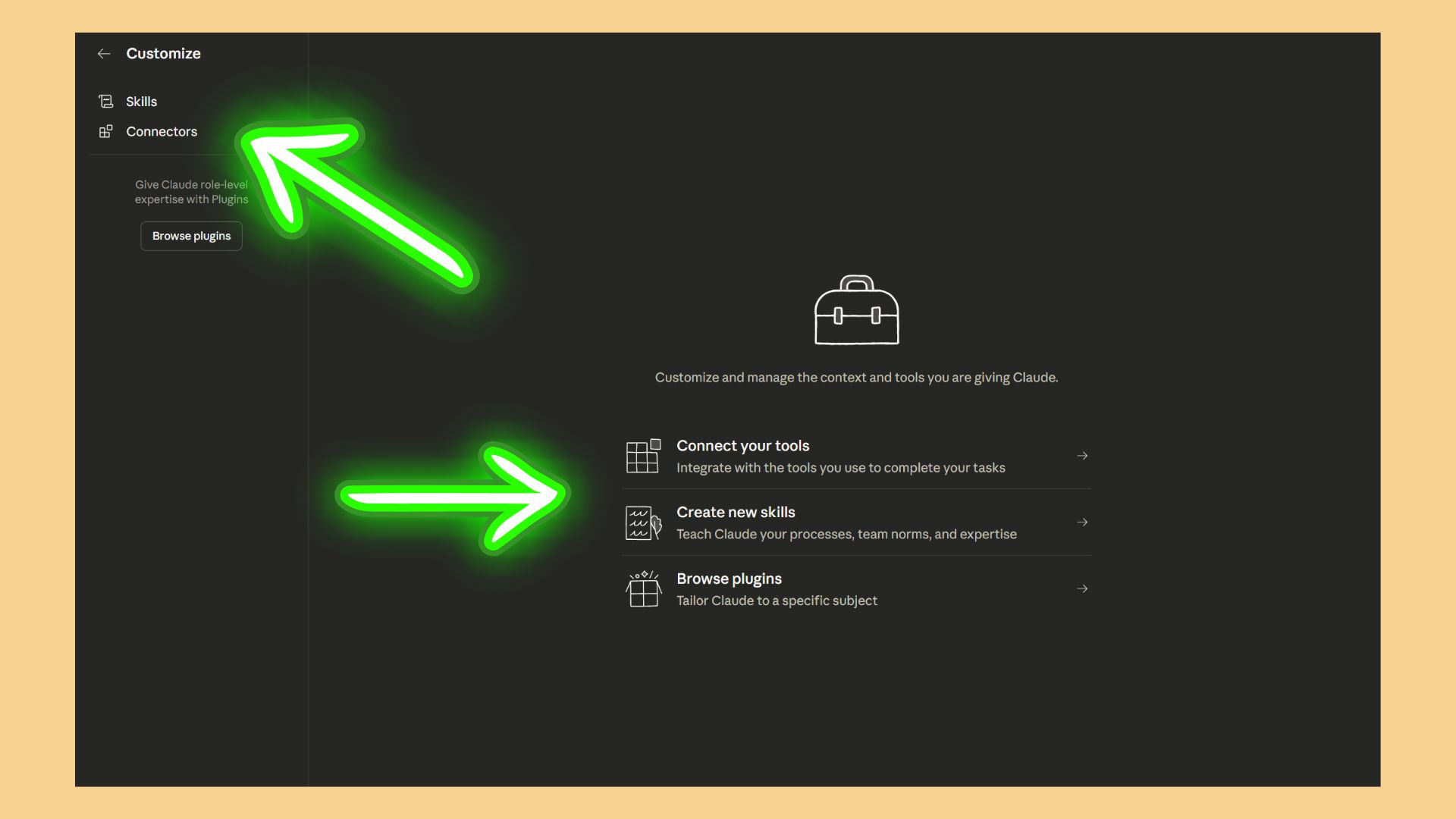
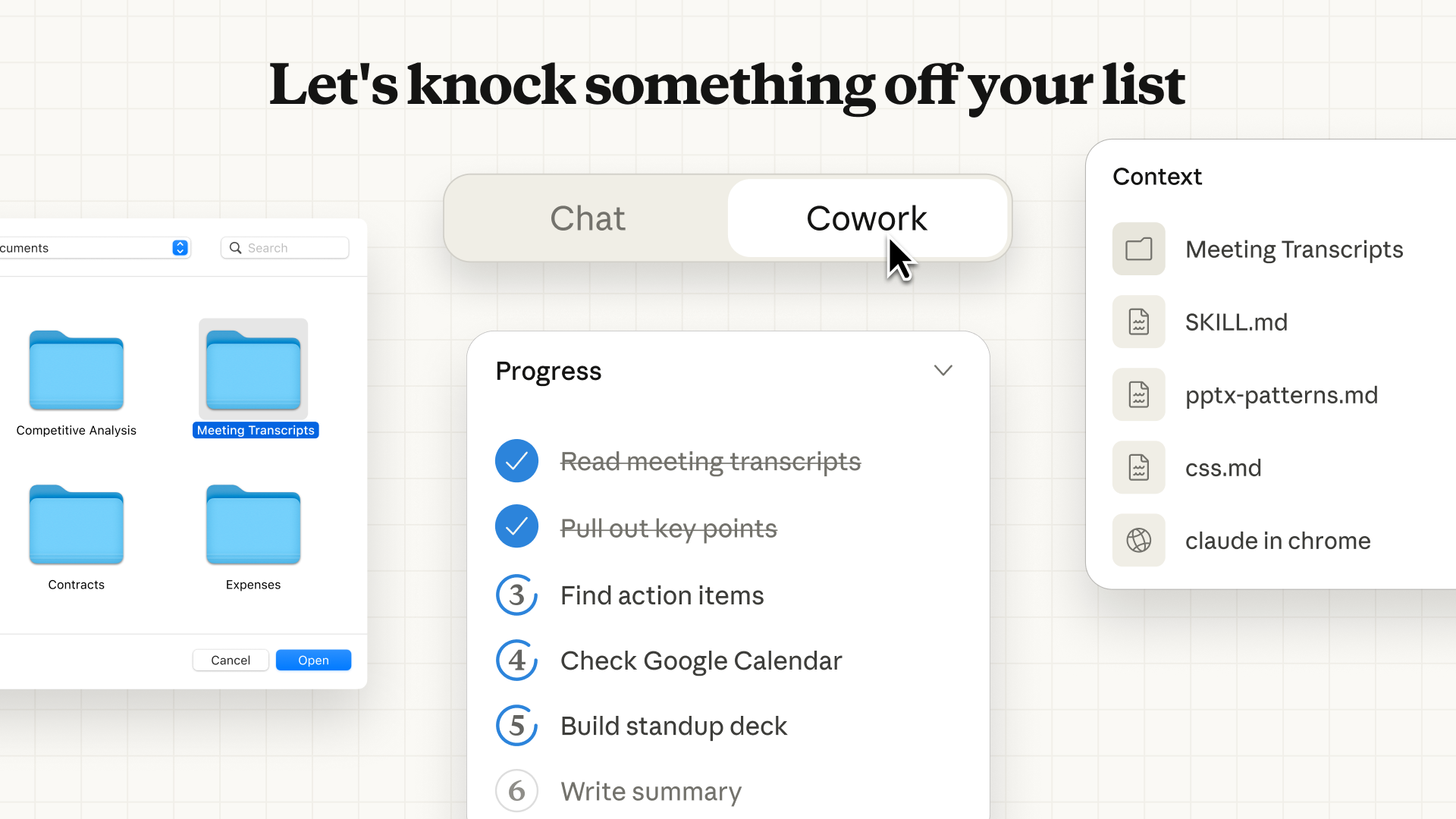
Cowork lives inside the Claude desktop app alongside Chat and Code. Switching modes tells Claude that you want it to execute tasks rather than just discuss them. Start by downloading the desktop app and selecting Cowork mode. Then, simply describe your task and grand access to relevant folders or connectors.
Before taking action, Claude generates a step-by-step plan showing how it intends to complete the work. You can approve the plan, adjust it or cancel it entirely.
That review step matters. Claude doesn’t immediately begin moving files or editing documents without permission.
Conversation history also stays stored locally on your device, not on Anthropic’s servers, which should ease some privacy concerns.
What impressed me most

(Image credit: Shutterstock)
In testing, three areas stood out. Cowork is surprisingly good at cleaning up messy folders. When I pointed it towards my downloads and prompted it to cleanup old files, it proposed an organiation structure before touching anything. It then grouped my files by type, renamed them with consistent naming conventions and completely sorted my folders.
From there I could either deny or approve. Once approved, Claude executed and cleaned up everything in minutes. For anyone with a chaotic downloads folder — which is most people, let’s be honest — this alone can be useful. Cowork can handle common office formats including xlsx, pptx, docx and pdf.
What to read next
Cowork tasks can also be scheduled to run automatically
(Image credit: Anthropic)
If I wanted to I could have Claude clean up my files every Thursday at 8 a.m. — Cowork tasks can be scheduled to run automatically on a daily, weekly or monthly basis. For busy professionals, that opens the door for useful automation such as:
Generating weekly summaries from project filesCompiling reports from spreadsheetsOrganizing newly downloaded documents
When it comes to using AI in the workplace, these repetitive tasks are exactly the kind of work AI agents are best suited for.
Should you try Claude Cowork?

(Image credit: Unsplash)
I was skeptical, but once I gave it a try, I realized it was easy enough to use and more helpful than I ever imagined. Claude Cowork is available on paid Claude plans for Windows and macOS, though it remains in research preview. So keep in mind that it may have some kinks it’s still working out.
But even in its early form, the potential is easy to see. The ability to organize files, generate documents and connect to workplace tools already makes Cowork useful. If Anthropic continues to improve the agent capabilities behind it, the idea of AI acting as a true digital coworker may arrive sooner than many people expect.
Bottom line
After using Claude Cowork I can see how it reflects a broader shift happening across the AI industry. AI is becoming more autonomous and moving beyond traditional chat windows. As a result, it’s becoming more supportive for workflows and less manual to use. This is where AI is headed.
Instead of people going to AI in a separate app, we’re starting to see AI show up directly inside the tools where work already happens. In that sense, Claude and other AI assistants will function less like chatbots and more like collaborators.

Follow Tom’s Guide on Google News and add us as a preferred source to get our up-to-date news, analysis, and reviews in your feeds.
More from Tom’s Guide