
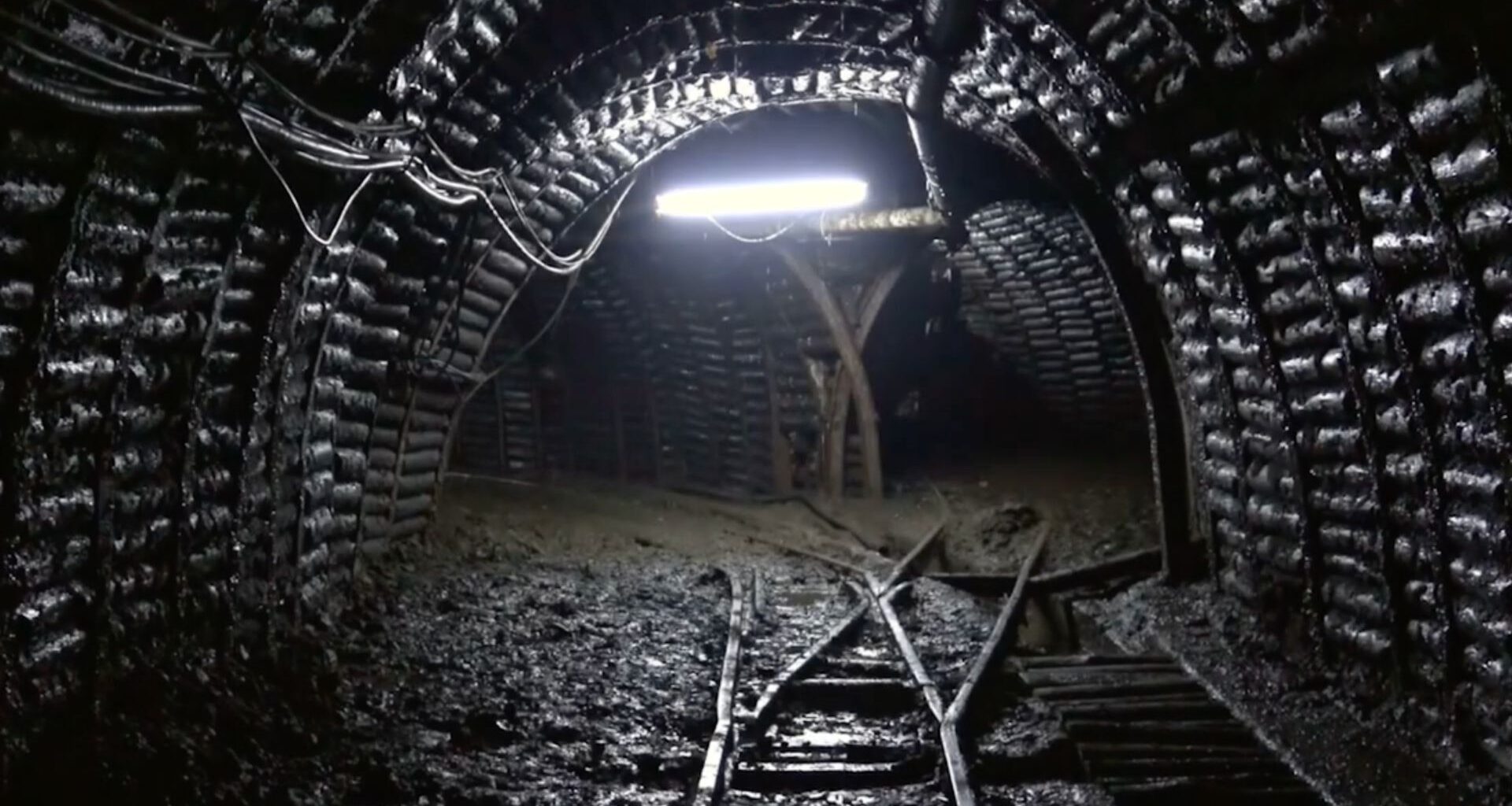
Researchers at Oak Ridge National Laboratory (ORNL) have successfully developed advanced modeling tools that could transform the nation’s thousands of abandoned coal mines into massive underground reservoirs for energy storage.
By creating high-fidelity hydrodynamic and chemical models, the team has cleared a major technical hurdle in determining how these defunct sites can be repurposed for Pumped Storage Hydropower (PSH).
This development offers a dual solution for the US energy landscape. It provides the long-duration storage needed for a carbon-neutral grid while revitalizing former mining communities.
Reimagining the “water battery”
Traditional PSH is often called a “water battery” because it works by moving water between two reservoirs at different elevations.
When energy is cheap or abundant, such as during a sunny afternoon, water is pumped uphill. When demand spikes, the water is released through turbines to generate electricity.
While PSH currently accounts for over 90% of all utility-scale energy storage in the United States, its growth has been historically stalled by geography. Standard facilities require massive mountains or hills to create the necessary height differential, also known as the “head.”
The ORNL breakthrough shifts this paradigm by moving the operation underground.
This approach leverages existing infrastructure by using deep shafts of abandoned mines as the lower reservoir instead of building new mountainside facilities.
By doing so, the technology can be expanded to flatter geographic regions that were previously ineligible for hydropower. In addition to this, utilizing these existing tunnels and shafts significantly slashes construction costs and accelerates deployment timelines.
Overcoming chemical erosion and stability risks
Repurposing a coal mine is complex because the environment inside a mine is chemically active and structurally intricate. ORNL Senior Researcher Thien Nguyen noted that while underground PSH is an exciting opportunity, the industry must first overcome challenges like chemical erosion and structural stability.
The new ORNL models allow engineers to simulate exactly how water moves through these specific tunnels and how it interacts with native minerals. This helps researchers predict corrosion risks by identifying how leftover minerals might damage expensive turbines.
It also allows them to assess structural integrity to ensure that the rapid movement of water under high pressure does not cause mine walls to fracture or collapse.
“Underground PSH is an exciting opportunity, but we have to overcome challenges like chemical erosion and structural stability,” said ORNL Senior Researcher Thien Nguyen.
Future economic and system analysis
Now, the ORNL team is moving toward a comprehensive techno-economic analysis.
“Our modeling tools will help industry partners evaluate these risks and make informed decisions about facility design, construction and operations at specific locations of interest,” concluded Galen Fader, Science Writer at Oak Ridge National Laboratory.
The researchers also plan to conduct system efficiency analyses to determine best practices for facility construction and operations at specific locations of interest.
By turning environmental liabilities into grid-scale assets, this research could soon allow the very mines that once powered the industrial age to stabilize the clean energy future.