
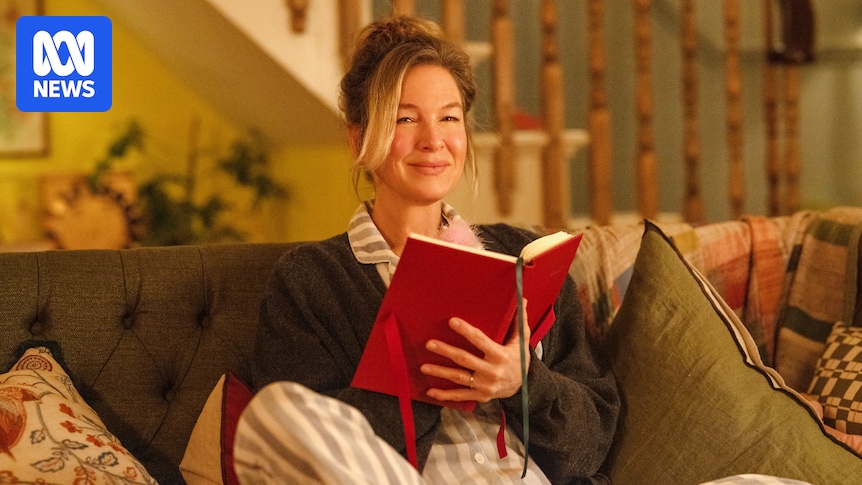
When Oxford-educated Helen Fielding introduced readers to Bridget Jones in her UK newspaper column, in her own words, she was “quite embarrassed”.
As a journalist for The Independent, she was asked to write a column about her life in London as a single woman in her 30s.
But she found the idea too personally exposing, and instead invented Bridget — a character whose life echoed the experiences of Fielding and her friends, with a comedic twist.
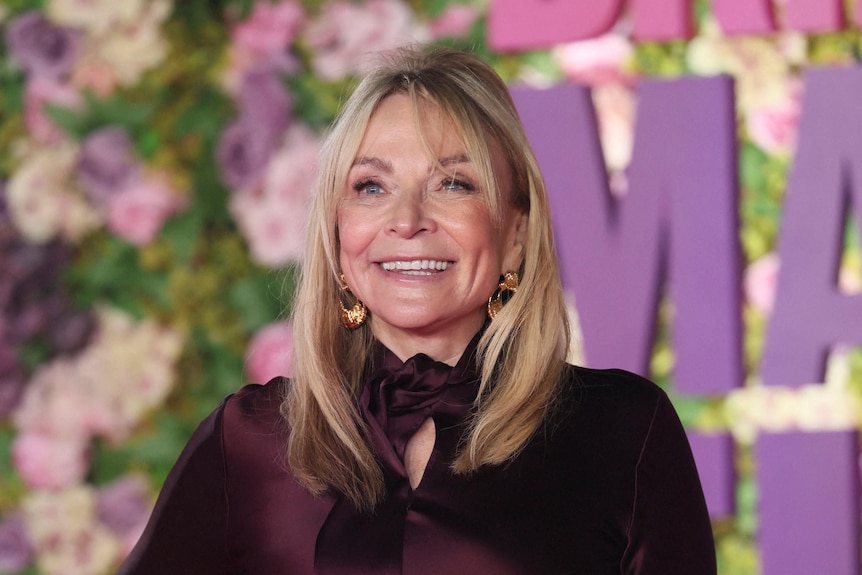
Helen Fielding at the world premiere of Bridget Jones: Mad About the Boy at Leicester Square in London last year. (Reuters: Isabel Infantes)
“I thought, I’ll make up this overblown and exaggerated, comic character … and of course … everyone thinks she’s me anyway,” she said later.
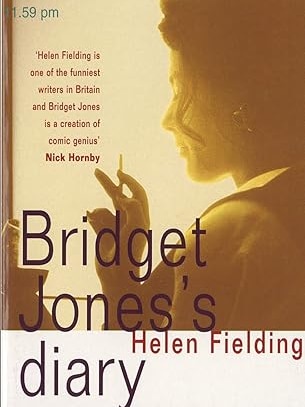
The first edition hardback of Bridget Jones’s Diary was released in 1996. (Supplied: Macmillan UK)
Hesitant to put her name to a column “about such tiny things”, initially only Fielding and her editor knew who the author was.
But as the column’s popularity snowballed, that changed.
When the first hardback edition of Bridget Jones’s Diary hit bookshelves in the UK in 1996, based on the column, Fielding’s name was front and centre.
Thirty years later, it has sold more than 15 million copies worldwide in numerous languages, is part of a four-book series, and has spawned four blockbuster films starring Renée Zellweger, Colin Firth and Hugh Grant.
Pride and Prejudice in the 90s
Bridget Jones’s Diary won the 1997 British Book of the Year award and was hailed by reviewers at the time as “a perfect Zeitgeist of single female woes“.
The publishing world had a blinder in 1996, with George R.R. Martin’s A Game of Thrones, Fight Club by Chuck Palahniuk and Frank McCourt’s memoir, Angela’s Ashes, all released in the same year.
But Fielding’s book was unique, as — despite being written as satire, with a plot loosely based on Jane Austen’s Pride and Prejudice — it spoke to women in a way that hadn’t quite been done before.
It made them feel seen.
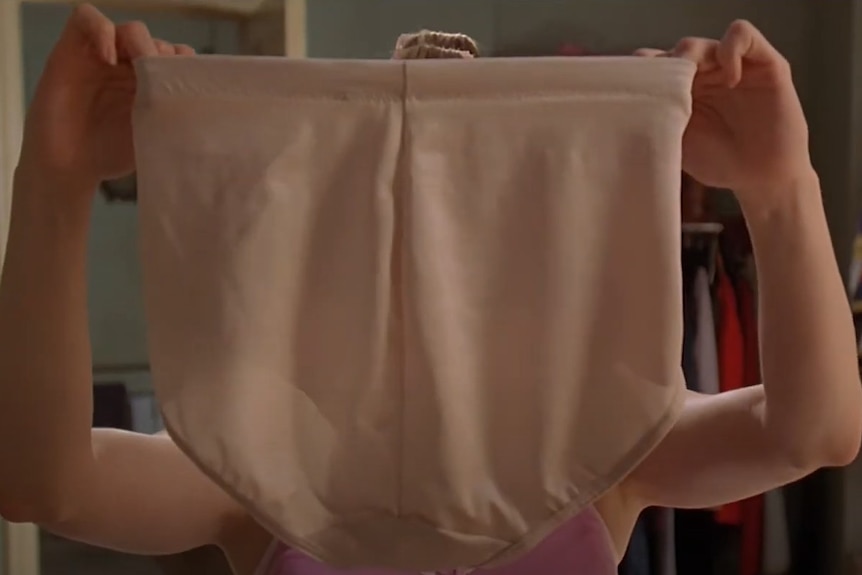
Bridget Jones’s Diary the movie — with its portrayal of “enormous panties”, as Hugh Grant’s Daniel Cleaver calls them — hit screens in 2001. (Supplied: Universal Studios/StudioCanal/Miramax)
While it’s hard to argue she was a feminist icon — Fielding herself admits this — Bridget’s calorie counting, chain smoking, and boozy camaraderie with fellow “singletons” Shazzer, Jude and Tom struck a chord with readers, along with her futile quest for self-improvement and efforts to avoid “dying alone and being found three weeks later half-eaten by an Alsatian”.
And with help from the films, expressions in the book like “emotional f***wittage” (describing the behaviour of men in the dating world) became part of the single woman’s lexicon.
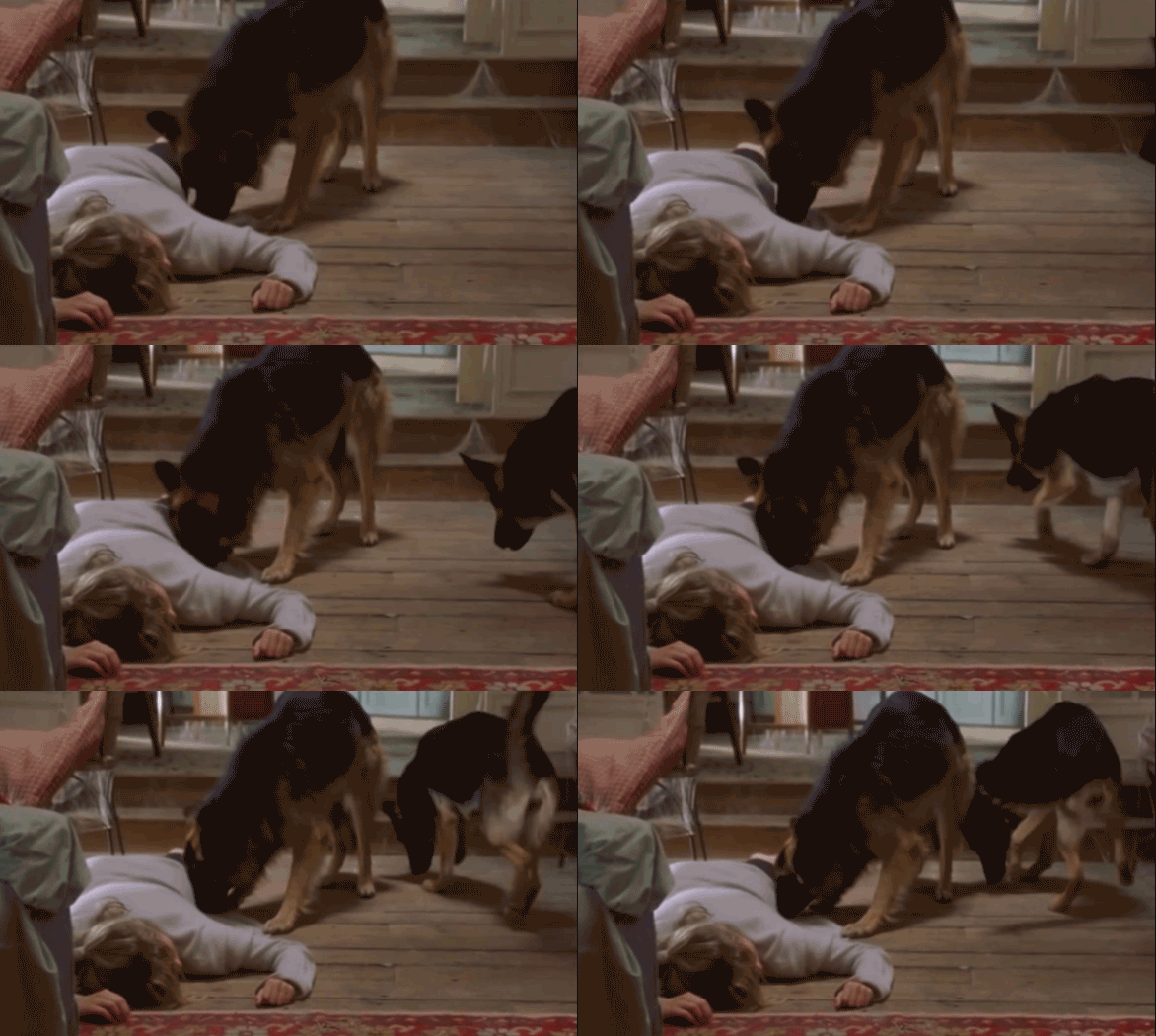
A cut scene from the first film in which Bridget imagines dying alone and being eaten by a dog. (Bridget Jones)
In a 1998 interview with journalist Charlie Rose coinciding with the book’s release in the United States, Fielding joked about the reasons for the book’s appeal to women.
“They say they laughed out loud in the elevator, they say, ‘Bridget Jones, that’s me!'” she said.
“But most of all, they say, ‘I have that same problem with my panty hose’ — finding them scrunched up into a great rope-like object with bits of tissue stuck in them.
“It seems to be the panty hose that links the two continents.”
Reflecting on the topic more seriously, Fielding said she believed it was Bridget’s failed efforts to conform to society’s expectations of women that truly resonated with many female readers.
“It’s sort of about the way that women feel that they have to be perfect in so many areas… they’ve got to whiz from the gym, to the board meeting, to the elaborate supper that they’ve cooked for 12 people and … when the guests arrive they find themselves still in their underwear, with wet hair and one foot in a pan of mashed potato,” she said.
“It’s the gap between what we’re expected to be, and how we really are — I think that’s what appeals to people.”
It’s a sentiment the author still believes rings true, decades later.
‘A bold, but lonely, trailblazer’
Fielding’s juggernaut has faced valid criticisms over its lack of diversity and two-dimensional portrayal of women as vapid and man-obsessed, and it’s minimisation of misogyny and workplace sexual harassment.
But other critics point out that its dismissal as girly fluff, particularly in 1990s, showed “just how condescending the literary world could be to women writing about relationships”.
Since then, Bridget Jones and her diary have been credited with supercharging the chick-lit genre and paving the way for a new wave of comic heroines.
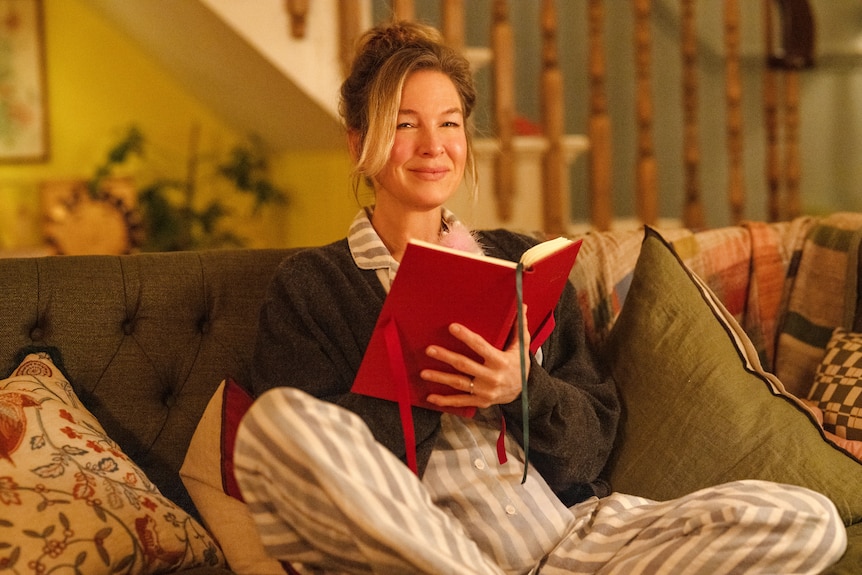
Fielding’s iconic ‘singleton’ was still going strong in 2025, which saw the release of Bridget Jones: Mad About the Boy. (Supplied: Universal)
As comedian and actor Caitlin Moran put it in her introduction to the 20th anniversary edition of the book: “While she was a bold, but lonely, trailblazer in 1996, currently, the funniest people in the world are women — women playing characters who are all, decidedly, post-Bridget.”