
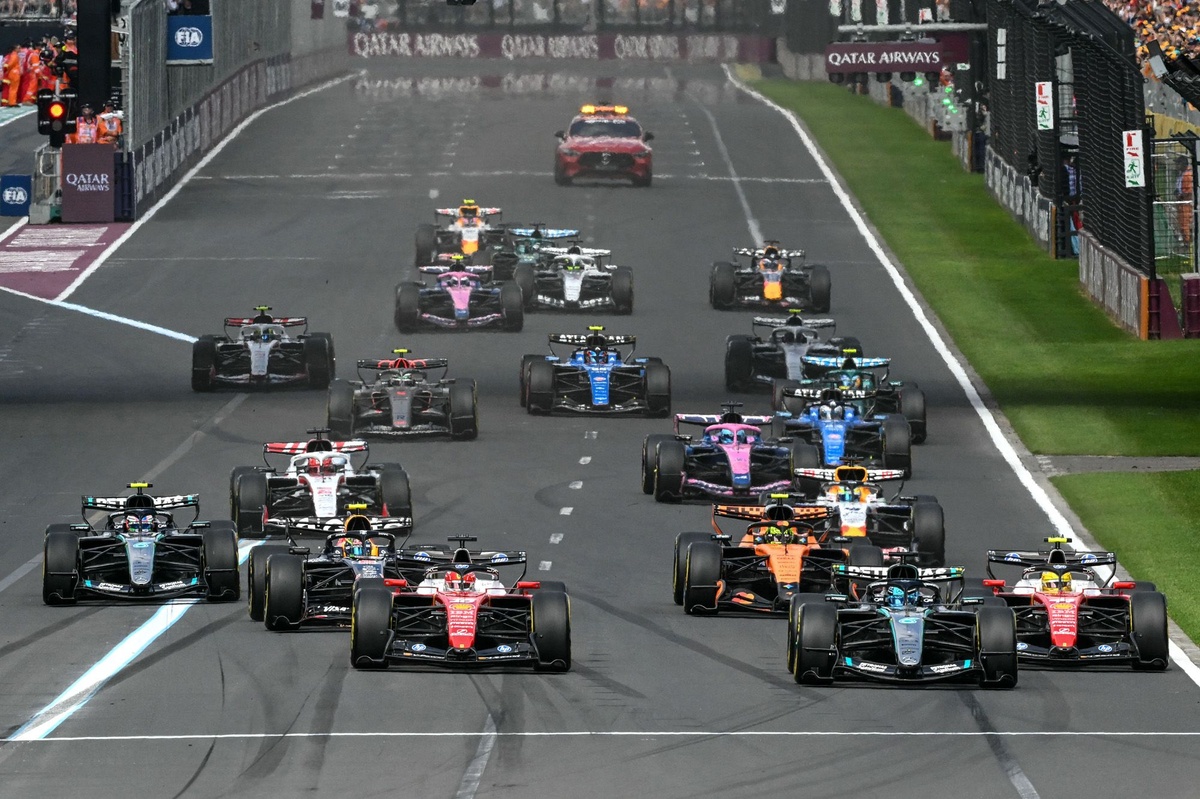
McLaren Formula 1 team principal Andrea Stella says the Australian Grand Prix has confirmed that the series should “do more” to alleviate safety concerns, particularly related to the start procedure.
On Sunday, Alpine driver Franco Colapinto avoided a huge startline crash after narrowly swerving around a slow-starting Liam Lawson, after the complex start procedure with these F1 2026 had already been a talking point for many months.
Read Also:
To help drivers spool up their turbochargers at the start, which has become a requirement for a strong getaway under this year’s revamped power unit regulations, the FIA had already extended the pre-start procedure by holding cars for an additional five seconds.
But Melbourne’s chaotic start showed the procedure is still a potential safety hazard, and Stella feels Colapinto’s lucky escape means the series must continue looking at ways to improve the situation.
“I think the concern remains. Today the start was a bit of a near-miss,” Stella said. “There was a huge speed differential on the grid. We can hope for the best, or we can just do something further to make sure that we reduce this speed differential.
“This is a very technical matter. I don’t think we should go too far into ‘We should do this or we should do that’. My appeal is to say we should do more. Keep attention on the start because at some stage that will become a problem.”
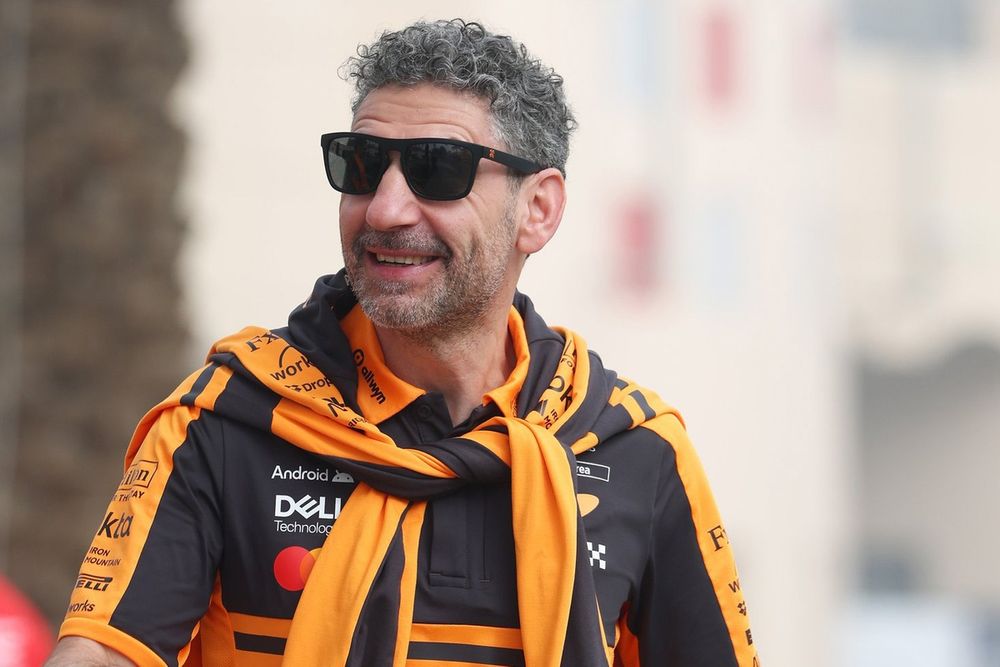
Andrea Stella, McLaren
Photo by: Sam Bloxham / LAT Images via Getty Images
Over Bahrain testing Stella had also flagged concerns over the huge closing speeds on the straights when cars start running out of battery power and begin harvesting energy while at full throttle, a phenomenon called super clipping.
That was particularly visible on the long flat-out section between Albert Park’s Turns 8 and 9, which was the scene of various hair-raising battles. Stella backed his driver Lando Norris, who said the big and unpredictable closing speeds are an accident waiting to happen.
“In my view, this was mainly a point of concern in the first lap,” Stella explained. “Lando, in particular, made the point that it’s quite tricky when you have cars very close to you that may have still deployment ongoing or not.
“To create this speed differential, this becomes quite unpredictable. And even from this point of view, we should not be happy because nothing happened. We should always be on the front foot when it has to do with safety.”
Because of the requirement to constantly harvest electric energy around Albert Park, F1’s 2026 curtain-raiser did deliver early excitement with plenty of battery-related overtakes, including a lead battle between eventual winner George Russell and Charles Leclerc.
Read Also:
But Stella reckons those battles were an early “artefact” of teams and drivers trying to figure out the best deployment strategies, and feels they will soon start converging on the optimal approach.
“It was definitely exciting at the start of the race when we had the overtaking, in particular between Mercedes and Ferrari,” Stella acknowledged. For me, this still looks like a little bit of an artefact. It’s a [type of] overtaking which has to do with how we are using the battery.
“Actually, when the pace settles and everyone is on the same pattern from a deployment schedule point of view, then I think the overtaking becomes difficult, so this is something that we need to keep reviewing.
“So, the three points of attention, I think they still stand. And the first race confirmed that that’s the case.”
We want your opinion!
What would you like to see on Motorsport.com?
– The Motorsport.com Team