
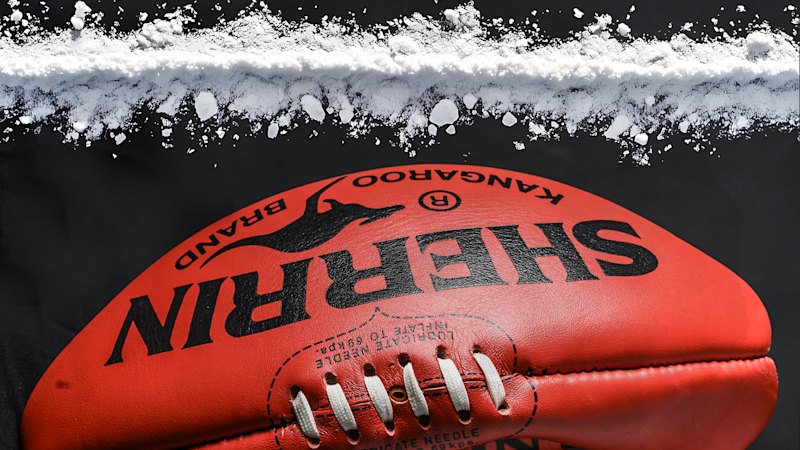
Players will be compelled to make a financial contribution to their treatment as part of the policy, as previously reported by this masthead.
Clubs have been largely supportive of what is considered a policy that is more structured and forces players who record positive tests to be more accountable during treatment, according to three competition sources who spoke about the changes that had been widely communicated.
But the club and AFL doctors will retain the capacity – as they do in the present version – to rule players unfit for selection. In practice, this lever has been the method used to stop players with illicit drug issues from taking the field.
This practice has been criticised by the likes of independent MP Andrew Wilkie, who said players testing positive for illicit drugs were often asked to fake injuries to cover up their results. However, the league has been unapologetic about not letting players take the field when they might inadvertently test positive to a substance deemed performance-enhancing on match day under the separate anti-doping policy.
“If there’s a chance that they may have something in their system, we don’t want them training and we don’t them taking part in matches for their health and welfare above anything else,” Dillon said in 2024.
Loading
Former St Kilda champion Nick Riewoldt has been at odds with the players’ union in arguing the current regime leaves too much wriggle room for players to avoid consequences for illicit drug use.
However, the move to hair testing means that more players will be tested overall, potentially leading to more positive tests. Hair testing can detect drug use that happened weeks if not months earlier.
Until 2026, hair testing was used only for clubs and the AFL to gain a snapshot of their clubs’ extent of illicit drug use, without identifying players, but the hair testing did not directly trigger strikes.
A number of players, including Melbourne’s Joel Smith, have had game-day positives under the WADA code (which focus on performance-enhancement) because some illicit drugs that act as stimulants are banned on game day and carry years-long suspensions.
Confidentiality will remain a key condition, given that the policy is voluntary and would not be enacted without the consent of players.
Loading
The overlap between drug use and mental health also has seen players placed in an AFL medical group, where they are treated confidentially and only tested for treatment purposes.
Much of the decision about the players’ treatment for drug use is in the hands of the club doctors, who have patient/doctor confidentiality. Under the new policy, according to sources apprised of some details, there will be more rigour in how players are treated, placing more responsibility on the players themselves.
Keep up to date with the best AFL coverage in the country. Sign up for the Real Footy newsletter.