
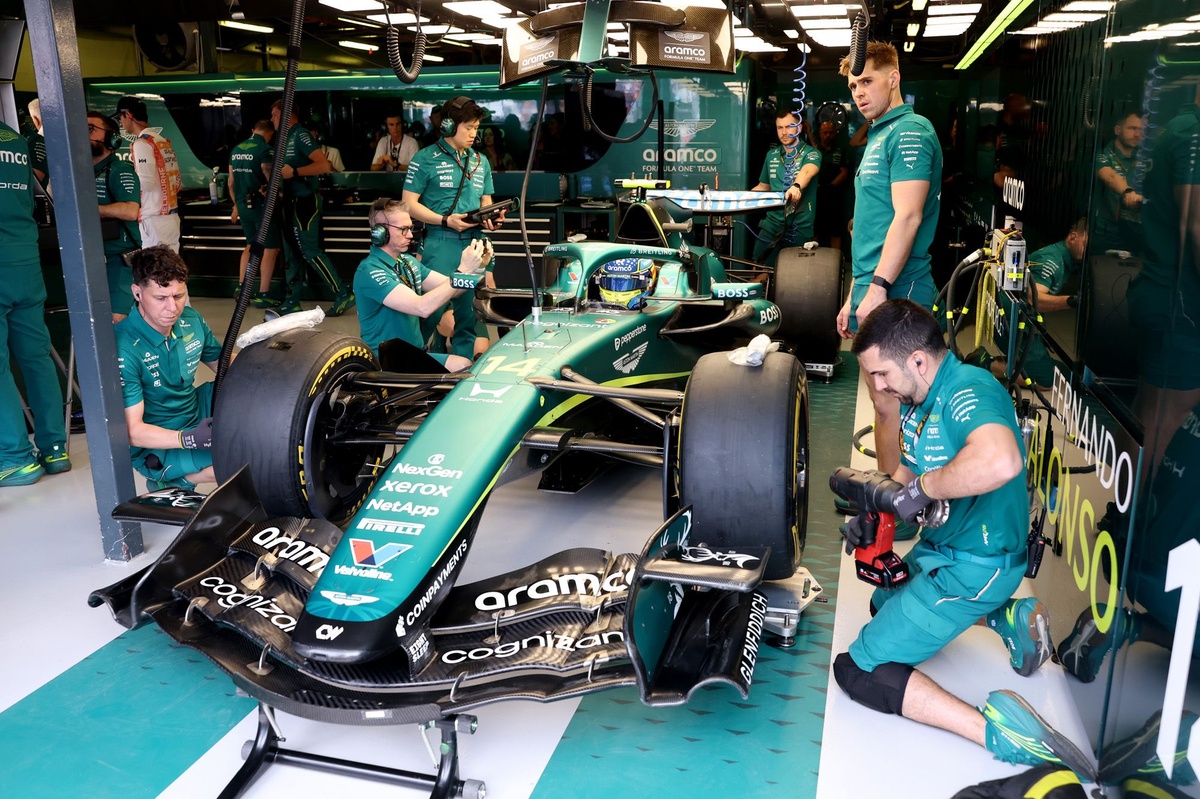
After a baptism of fire at the Australian Grand Prix, Honda is hoping the second race of its 2026 Formula 1 power unit in China will be a more “standard” weekend.
The debut of Honda’s partnership with Aston Martin could hardly have endured a worse start. Across pre-season, crippling vibrations from the engine kept damaging the batteries, causing significant driver discomfort and triggering other reliability issues.
It was so severe that it only had two functional batteries to use in Melbourne, meaning the team had to be ultra-conservative with its running to not risk missing the 2026 curtain-raiser altogether. Lance Stroll and Fernando Alonso combined for a grand total of 18 laps across Friday’s two practice sessions, while Alonso showed improvement by turning 20 laps in FP3, but Stroll was sidelined all day due to another engine issue.
Understanding the complex 2026 power unit rules is like peeling an onion, and by not getting the required mileage in, both Aston Martin and Honda have been stuck at the outer layer for a long time, unaware of deeper issues and gremlins that the pairing didn’t even have a chance to discover yet.
Stroll’s power unit related issue on Saturday was one such problem that would have been rather handy to catch in Barcelona or Bahrain, and it led to the Canadian sitting out qualifying and starting from the back of the grid. Alonso, meanwhile, qualified 17th, 2.4 seconds behind the frontrunners and seven tenths away from a Q2 berth.
It ultimately mattered very little, as neither Stroll nor his team-mate reached the finish at Albert Park. Having been significantly off the pace to begin with, both drivers were called in for a long pause to make undisclosed “adjustments”, and were then pulled from the race indefinitely as a precaution to conserve what little spare parts Aston had left.
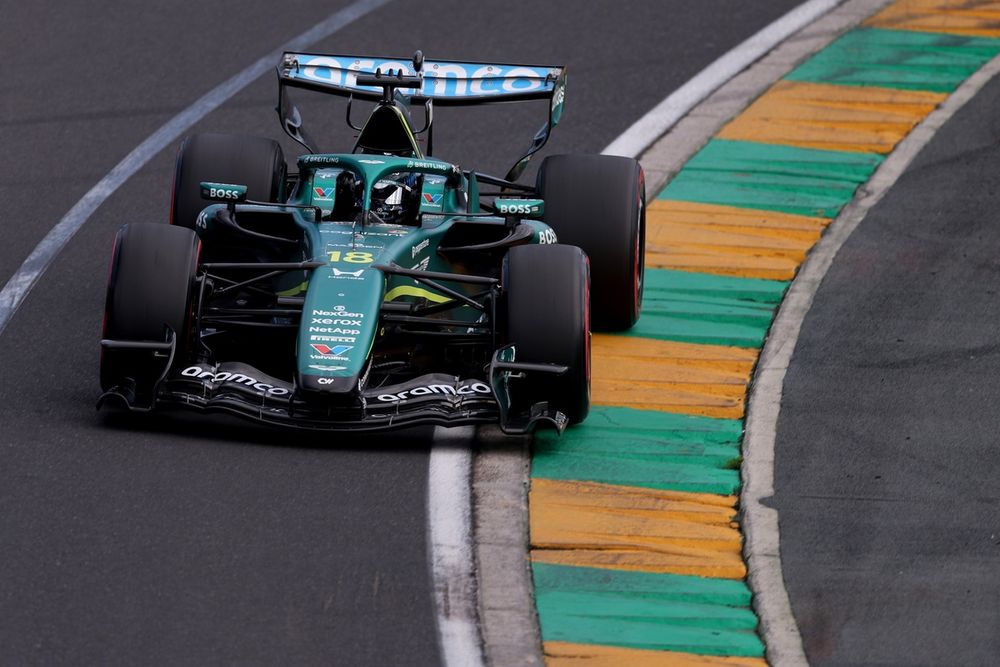
Lance Stroll, Aston Martin Racing
Photo by: Lars Baron / Getty Images
Aston’s sole highlight was a blistering start by Alonso, who had a hair-raising romp down to Turn 3, temporarily moving up to 10th before falling back to the AMR26’s natural position.
With just a few days to go until cars hit the track again in Shanghai, there appears little scope for Aston and Honda to make radical improvements. But the number of laps its cars turned on Sunday is at least a small sign of progress, however painful the would-be superteam’s plight is right now.
One silver lining is that Autosport understands there is some optimism the squad will at least have one spare battery available this weekend. While Honda won’t be able to supply additional spares at such a short notice, the battery pack that was rendered unusable in Australia due to communication issues between the various management and control systems, is believed to be salvageable. What’s more, while the PU vibrations are still wreaking havoc on the AMR26, Honda has at least been able to make some inroads on the damage done to the battery – as demonstrated on Sunday.
Aston will need a whole lot more than a glorified test grand prix to start exploiting much more from its package, but at least it’s a start – and a crucial improvement from the hopeless situation it found itself in when its crew touched down in Melbourne.
“From a vibration viewpoint, we are confident [we could have] covered the full mileage in the race. So that is a big improvement from Aston Martin and Honda. That was a very key point for us as a team,” said Shintaro Orihara, Honda’s trackside general manager and chief F1 engineer.
“After Bahrain testing, Aston Martin and Honda worked together very hard to find a solution. Then we brought some countermeasures here and we found good progress compared to Bahrain. Then today we built up a lot of mileage.”
Chief trackside officer Mike Krack confirmed the team did not encounter any power unit woes during the race itself and could have likely finished the race if it really wanted to. “We do not have a crystal ball, but I am quite confident that we could have finished,” he said. “It is common knowledge that we are not rich in any parts. There was not much to gain from where we were and we took the decision together to preserve the parts.”
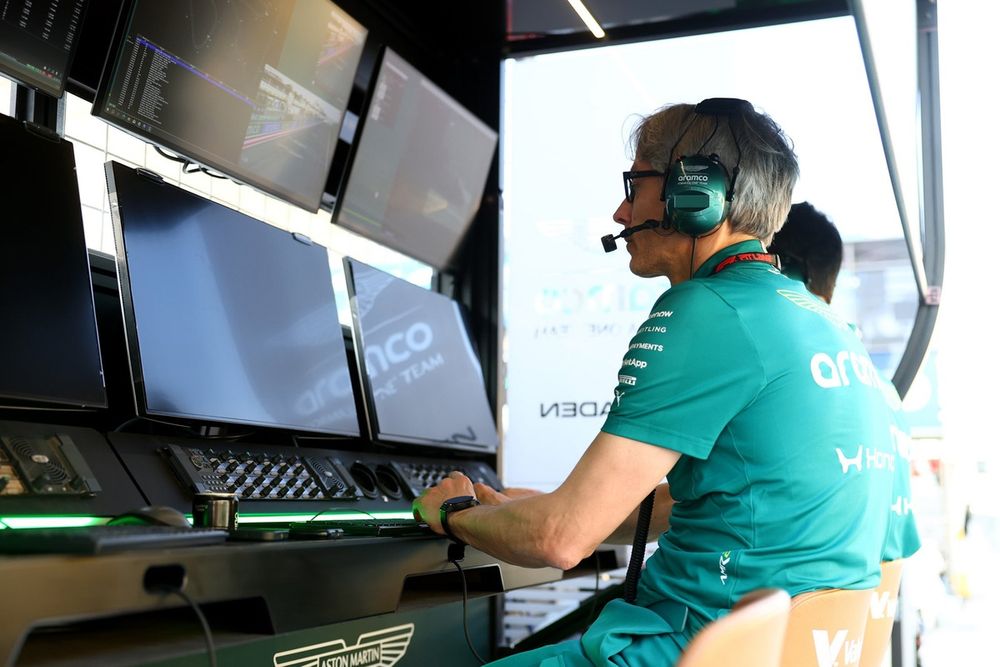
Mike Krack, Aston Martin Racing
Photo by: Zak Mauger / LAT Images via Getty Images
What certainly appears to have gone away is the dramatic claim made by team principal Adrian Newey on Thursday that Aston’s drivers could have suffered nerve damage to their hands if they had completed long race stints. Alonso soon shrugged that suggestion off, saying “if we were fighting for the win, we can do three hours in the car”, and Krack claimed that particular topic hadn’t really been a major talking point in the post-race debrief.
But the outstanding issue is that the vibrations themselves have not gone away, and both Aston Martin and Honda will have to pull out all the stops to get on top of the situation. Honda is especially keen to make a respectable impression on home soil in Japan, just three weeks from now for the third round of the 2026 campaign.
That’s why there is a lot riding on the Chinese Grand Prix as Aston must now further ramp up the mileage. That’s particularly because it is Honda’s sole F1 runner, so is already facing a disadvantage compared to the likes of Mercedes and Ferrari at the best of times.
“From Bahrain to here, we have made big improvements in terms of battery vibration,” said Orihara. “Then in China, we focus on building up mileage, gathering data to improve our performance and also optimise energy management. Difficult to say if we can get big steps, but we just keep pushing hard to improve our performance.
“Now we are confident to build up more mileage on batteries, so next week should be a more standard week.”
While permanent solutions in Sakura are still a tiny speck on the horizon, grinding out laps in China will at least allow both parties to keep discovering the AMR26 and the complex power unit, peeling the onion one layer at a time…
Read Also:
We want to hear from you!
Let us know what you would like to see from us in the future.
– The Autosport.com Team