
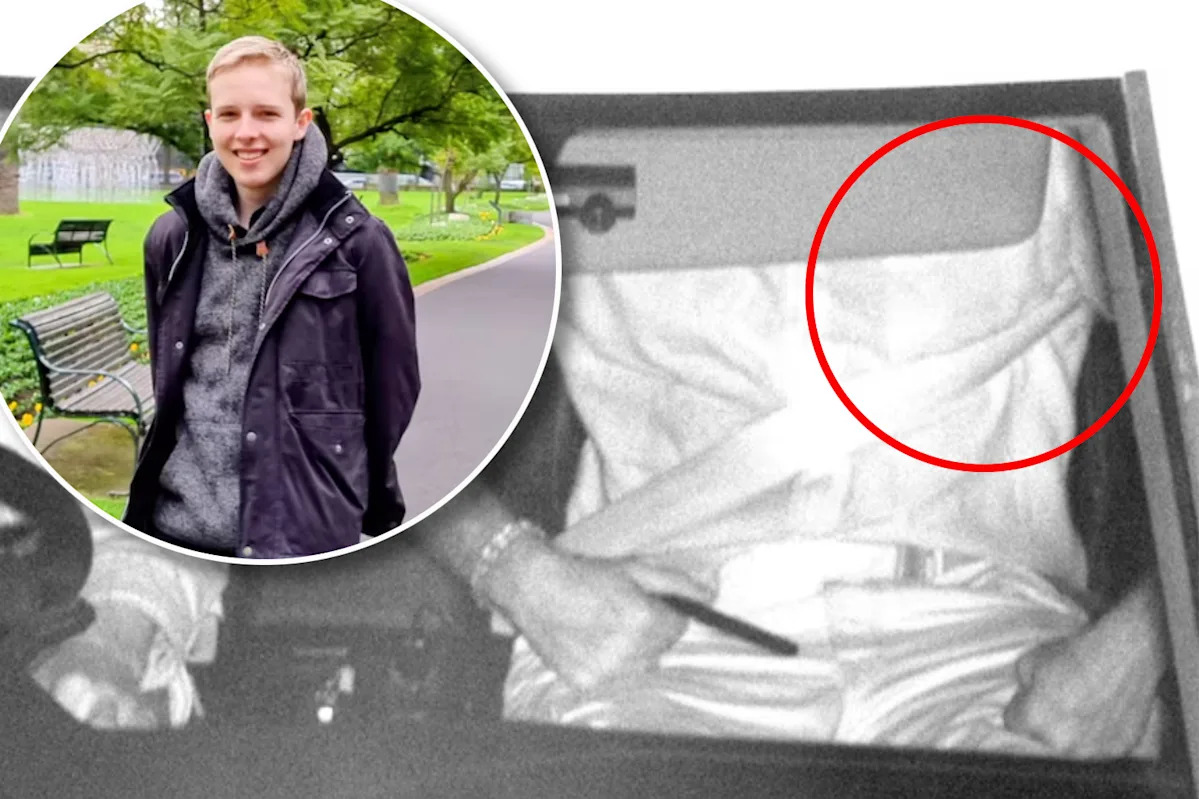
A driver’s successful challenge to a fine caught on a mobile and seatbelt detection camera could open the door for others to contest similar penalties.
Legal experts say the ruling may influence how courts assess such cases, after a Queensland magistrate overturned the fine given to a 22-year-old earlier this month.
Late last year, software engineer Hugo Burton was hit with a fine, believed to be $1,251, after his passenger placed the seatbelt under his arm during the drive.
But Hugo argued in court that it would have been unsafe and impractical to constantly check his passenger’s seatbelt.
Magistrate Kerry Magee agreed this week, saying it was unreasonable to expect him to monitor it while driving on the M1, where the camera captured the offence, the ABC reported.
Hugo’s case is similar to countless others emerging around the country in recent weeks.
Sydney lawyer Avinash Singh said the ruling could be “persuasive” in court if other drivers believe they were wrongly penalised by AI-assisted road safety cameras.
“While the decision of a magistrate is not binding, the legal reasoning used in it can be persuasive for other judges,” he told Yahoo News Australia.
“The use of the ‘honest and reasonable mistake’ defence, which was applied in this case, could be relied on by other drivers when facing similar fines.”
He said the case could also encourage more drivers to challenge fines issued by automated camera systems, provided the circumstances are comparable.
“This case should make it easier for drivers to challenge fines issued by AI traffic cameras, but only if the legislation and facts are similar,” Singh said.
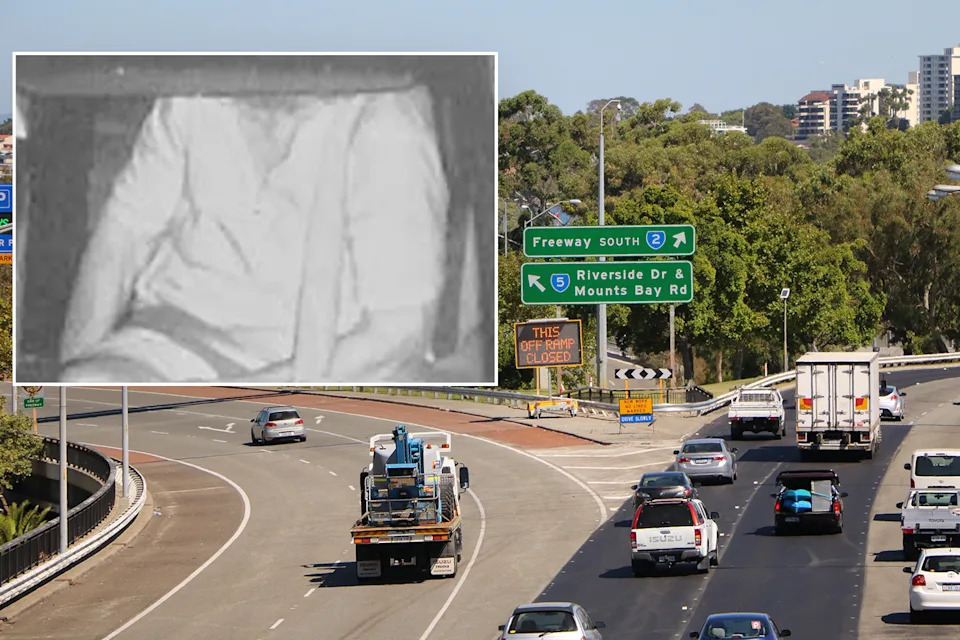
In Western Australia, an elderly passenger pulled her seatbelt away from her body to talk to children in the back. Her son, the driver, copped a fine as a result. Source: Supplied/Getty
Singh said other magistrates remain free to interpret the law differently, but the reasoning used in the case could still influence future rulings — particularly in Queensland, where drivers may argue they had an honest and reasonable belief their passenger was wearing a seatbelt correctly.
In other jurisdictions, however, the same argument may not apply.
“In other states, the wording of the legislation may be different,” he said.
“For most traffic offences, the defence of ‘honest and reasonable mistake’ does not apply because they are ‘absolute liability’ offences.
“This means that the prosecution generally does not have to establish the mens rea of the offence, that is, whether the driver was aware the passenger’s seatbelt was worn properly is irrelevant.”
Could Hugo’s case shape future court challenges?
The magistrate’s acceptance that a driver cannot reasonably be expected to constantly watch a passenger’s seatbelt while driving could also shape how similar arguments are raised in future cases.
Singh said the finding may allow motorists to argue they took reasonable steps to ensure passengers were complying with the law, even if a camera later captured a brief moment when a belt was worn incorrectly.
“The magistrate’s finding that it wasn’t reasonable for a driver to constantly monitor a passenger’s seatbelt while driving could change how courts interpret the law in relation to a driver’s obligation to ensure passengers are wearing seatbelts,” Singh, of Astor Legal, said.
“It should, however, be borne in mind that this was a factual finding based on the facts that were presented in this case. Each case will be determined on its own facts.
“Drivers should consult with a specialist criminal defence lawyer for advice on whether their fine can be challenged on this or some other basis.”

Sydney lawyer Avinash Singh. Source: Astor Legal
Australia’s increasing use of AI-assisted cameras
Automated enforcement has become increasingly common across Australia as governments roll out AI-assisted cameras designed to detect mobile phone use and seatbelt offences.
But the technology has also drawn criticism from some motorists and legal experts, who argue it can capture only a single moment in time and may not always reflect the broader circumstances of a situation.
Singh said this limitation can create evidentiary challenges compared with offences directly observed by police.
“Automated enforcement creates significant evidentiary issues compared with offences observed by police,” he said.
“The main issue is that automated AI cameras will only present still images of a particular point in time.
“This does not take into account the important context surrounding the incident.
“Police officers generally are far better at taking this context into account and applying discretion in deciding whether to issue a fine or not.”
Do you have a story tip? Email: newsroomau@yahoonews.com.
You can also follow us on Facebook, Instagram, TikTok, Twitter and YouTube.