
You can trust Cyclingnews
Our experts spend countless hours testing cycling tech and will always share honest, unbiased advice to help you choose. Find out more about how we test.
Tech Specs
Weight: 7.79kg (with pedals, computer mount, bottle cages and 30c tyres)
Prices: $13,499 (Astana spec), $3,751 (frameset incl seatpost and cockpit)
Sizes: XS, S, M, L, XL
Colours: Black, Blue fade, Astana
XDS, the parent company that makes X-Lab bikes, is probably the biggest bike brand you’ve never heard of. Although, in recent years with the sponsorship of XDS-Astana and a breakout into the WorldTour, this is less of a true statement than it used to be. Much like Giant and Merida, XDS makes bikes for Western brands, and while I am not at liberty to tell you for which brands, there’s every chance that it made your bike.
The AD9 is X-Lab’s aero machine, the bike XDS-Astana races on, and as you might guess from the name, it is the ninth iteration of the machine, one more than Specialized’s Tarmac. It’s the first Chinese-branded bike to be raced at the highest level of our sport (though definitely not the first Chinese-manufactured), and while it’s not the easiest one to get hold of as a consumer, it represents a key part of a growing encroachment into the established Western market by Chinese brands.
We’ve tested the AD9 in the wind tunnel alongside the Seka Spear and a load of new western machines to get ahead of this trend, but bikes don’t ride themselves, and while aero data is important, if the bike doesn’t also ride well, then it’s a little academic. With this in mind, I’ve been testing the AD9 on my home roads over the past month or so (yes, in all that January rain – joy of joys) to see how it handles flat blasts, punchy and protracted climbs, and whether it can remain comfortable over some truly horrendous British tarmac.
All in all, I’ve been extremely impressed; the AD9 is a good bike. I don’t think it’s necessarily the most exciting, but it certainly doesn’t stand out in any negative way compared to any other WorldTour machine I’ve had the pleasure of testing in recent years.
Image 1 of 7
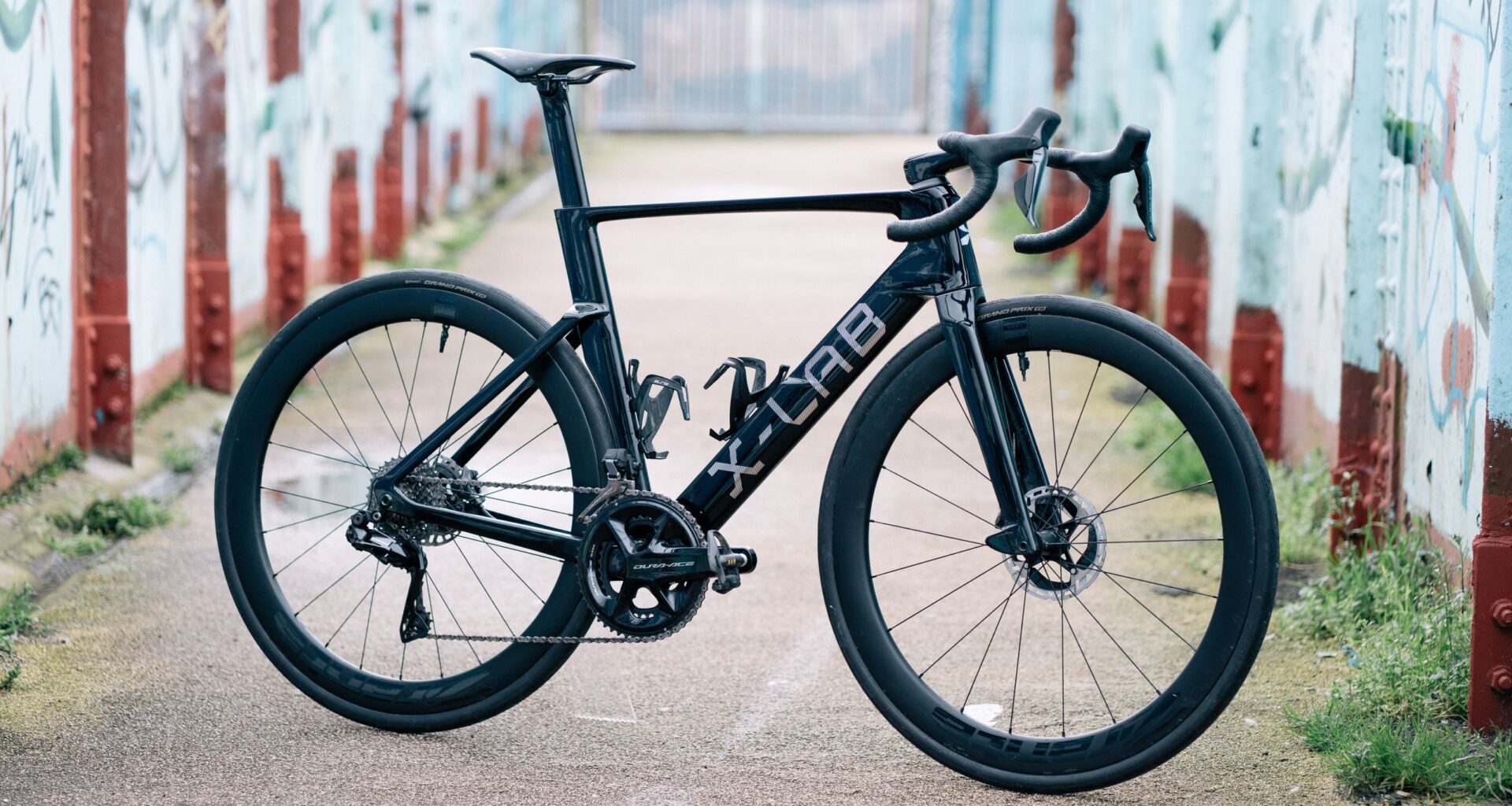
 Decent looking bike, that.(Image credit: Will Jones)
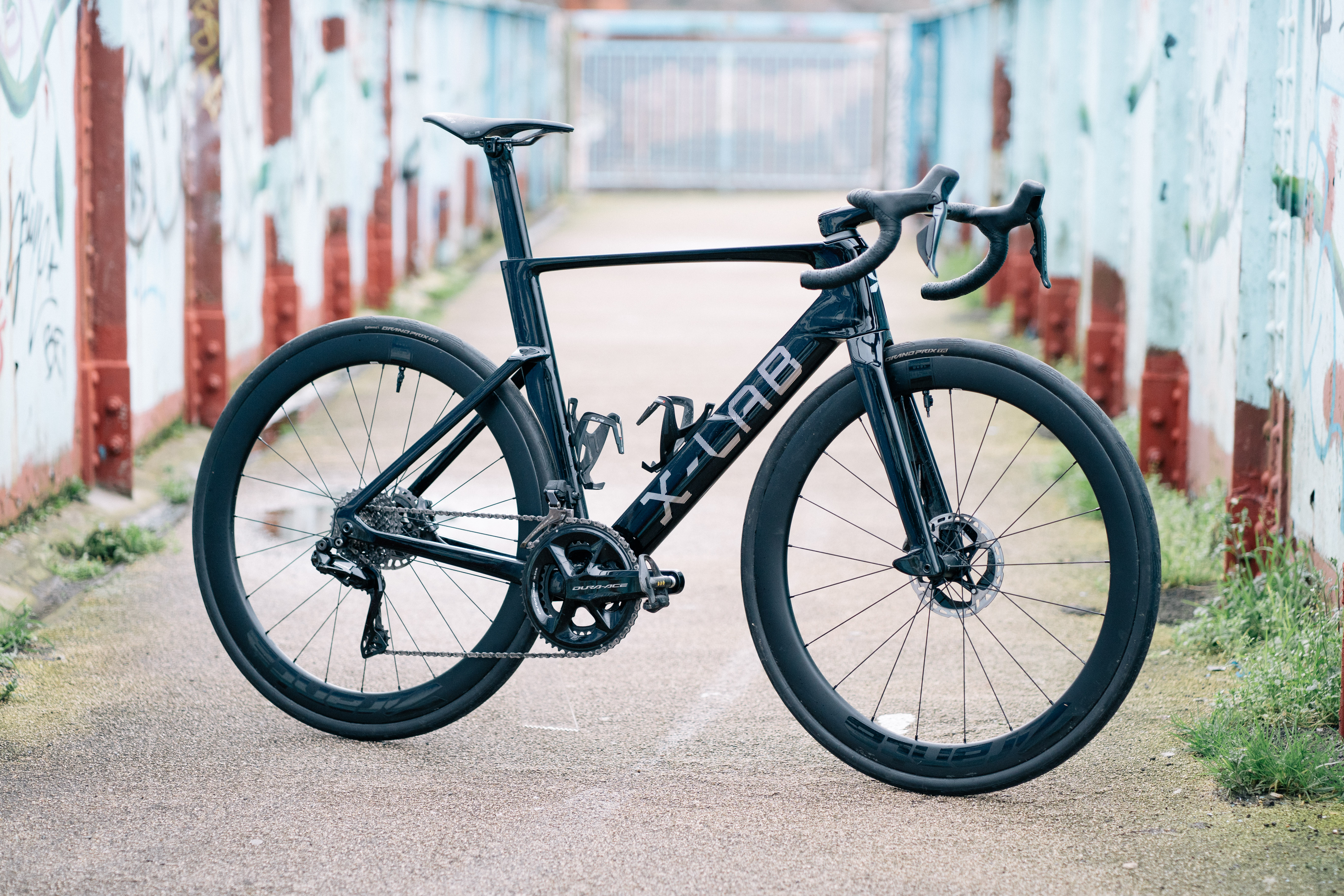
 While it’s still uncommon, you’ll probably be seeing more Chinese brands in the coming years. (Image credit: Will Jones)
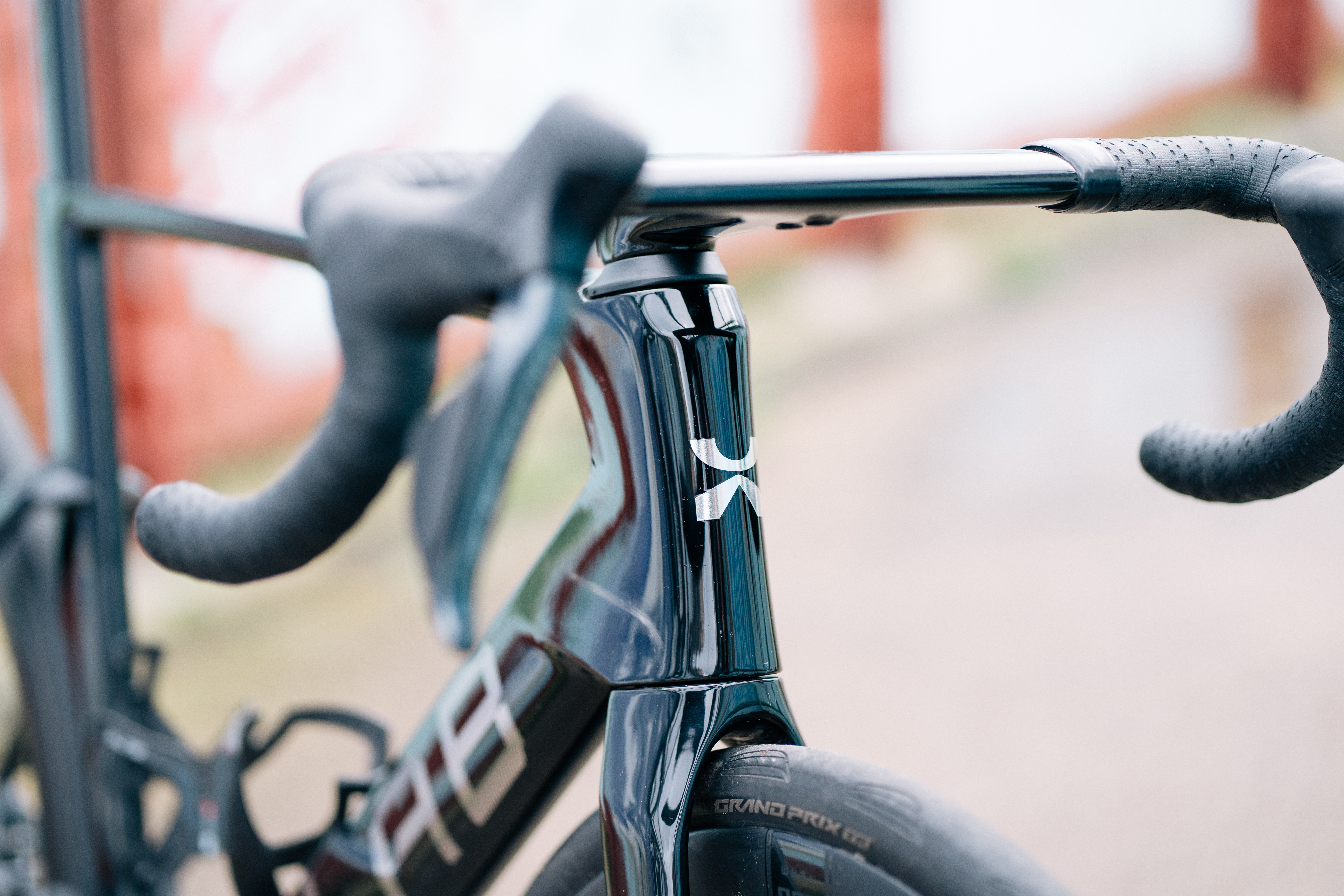 The front end has a slight forward protrusion. (Image credit: Will Jones)
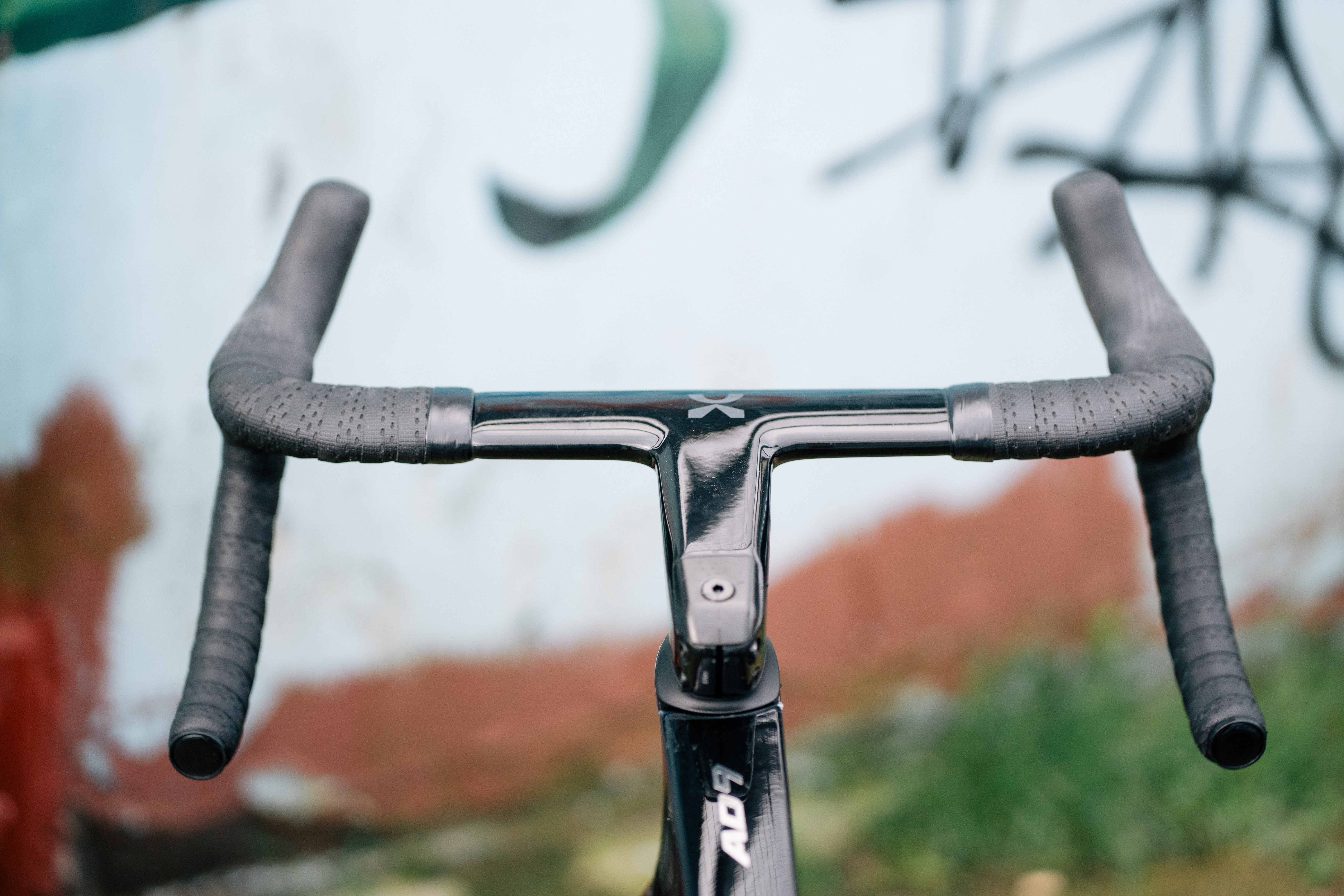 Sadly you cannot choose your cockpit width at point of sale, which is frustrating. (Image credit: Will Jones)
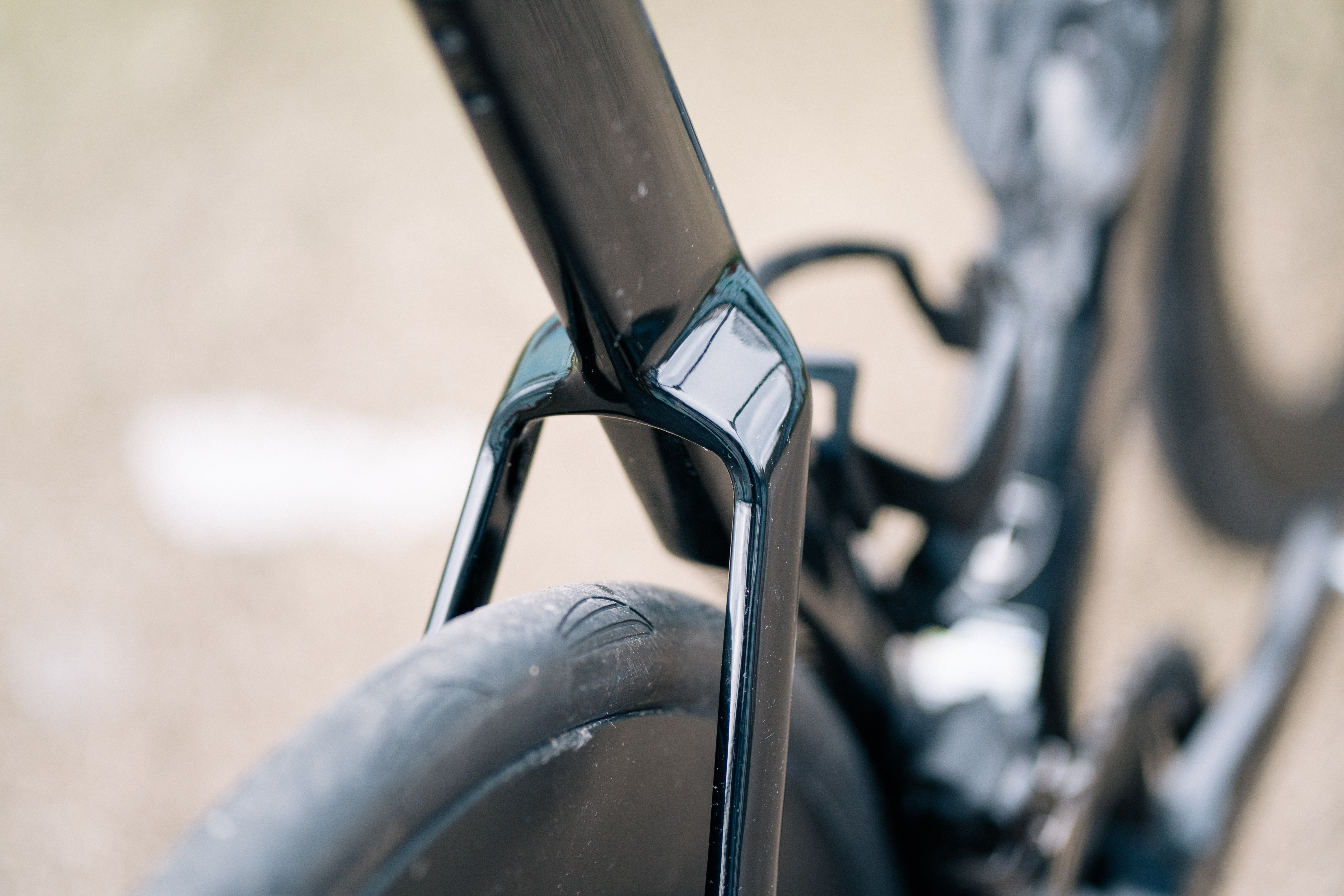 Wide-set seat stays are become the norm now for aero machines. (Image credit: Will Jones)
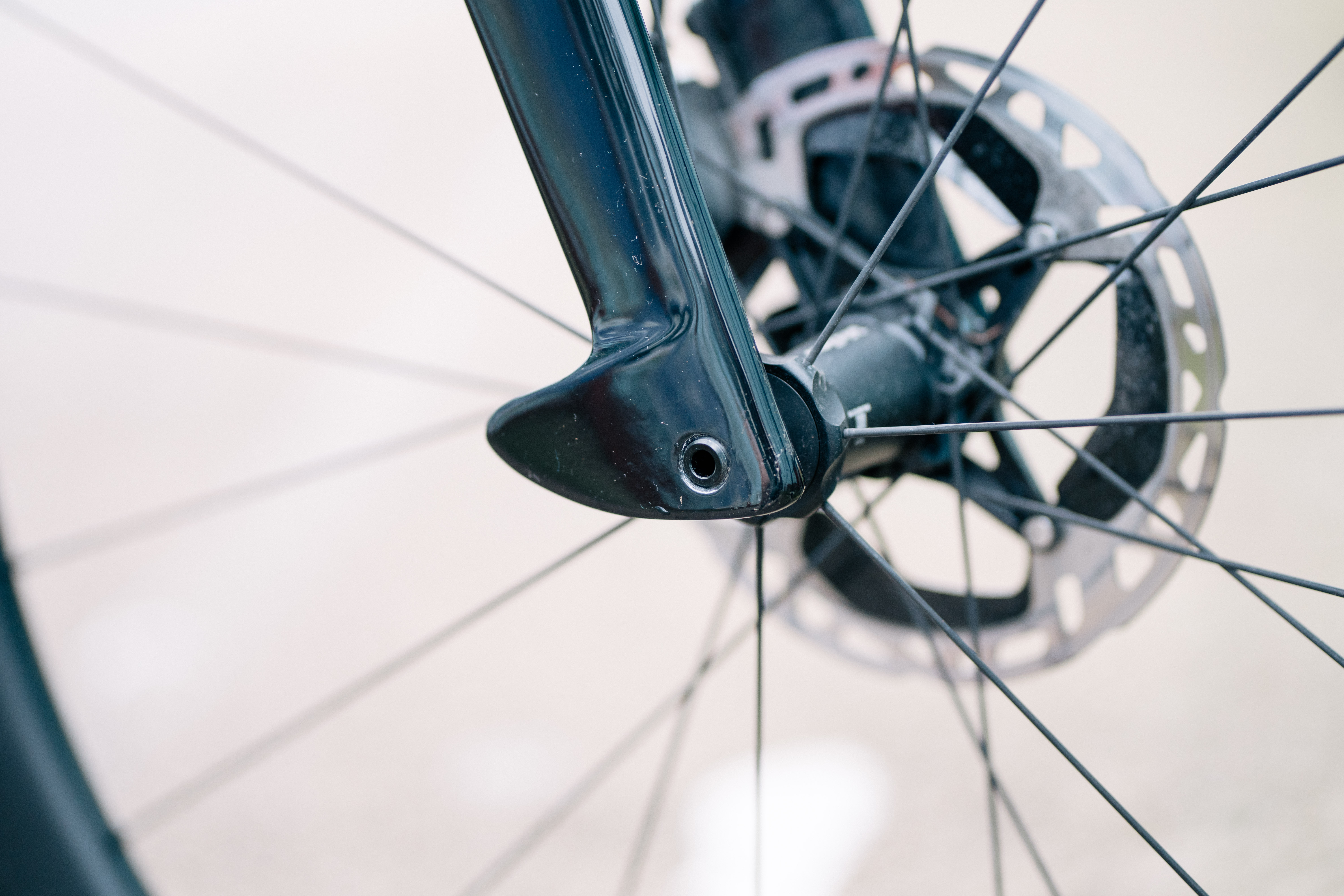 These wee tails on the fork dropouts allegedly have aero benefits. (Image credit: Will Jones)
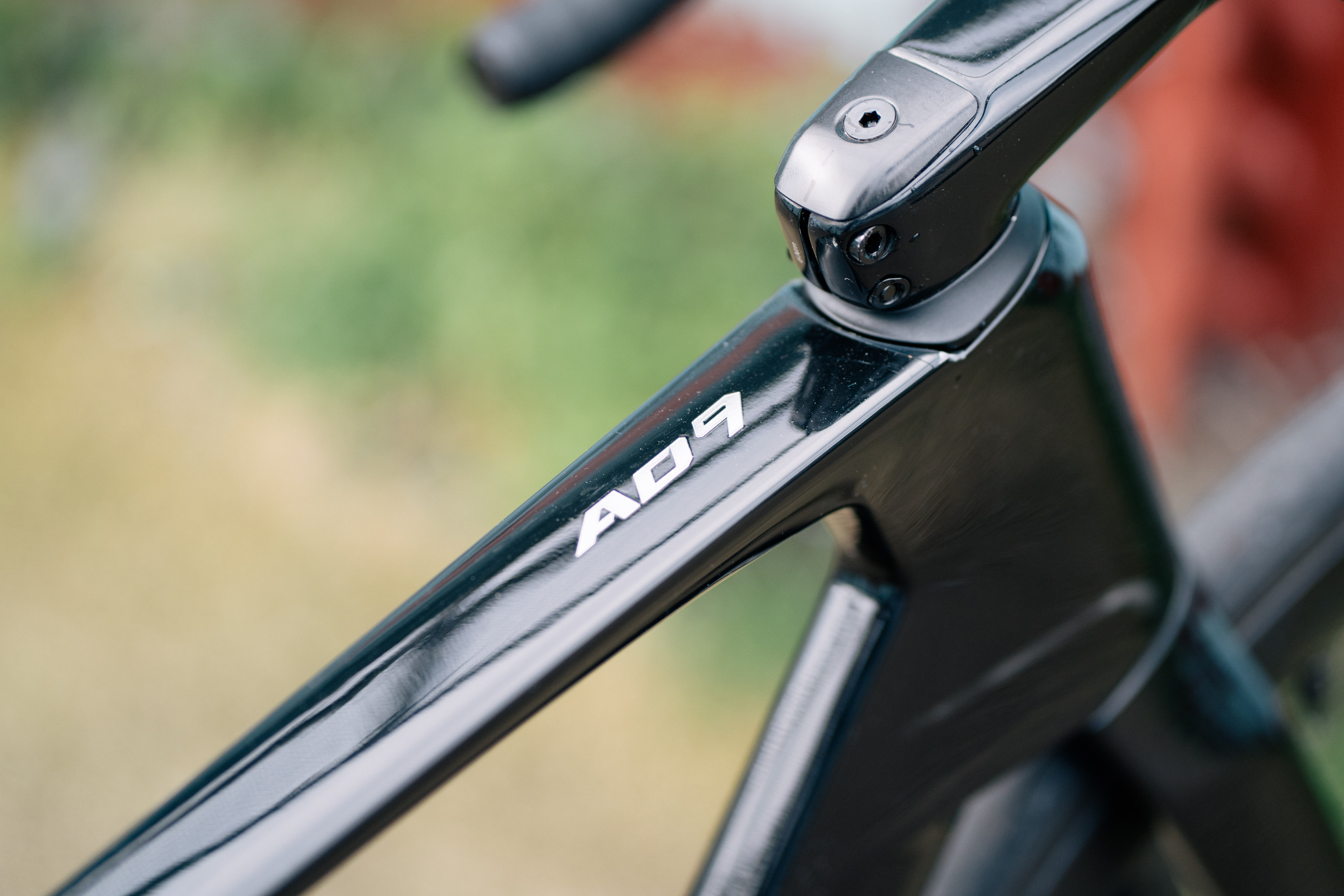 It may be a new bike to you, but there are more iterations of this machine than there are of the Tarmac. (Image credit: Will Jones)Design and aesthetics
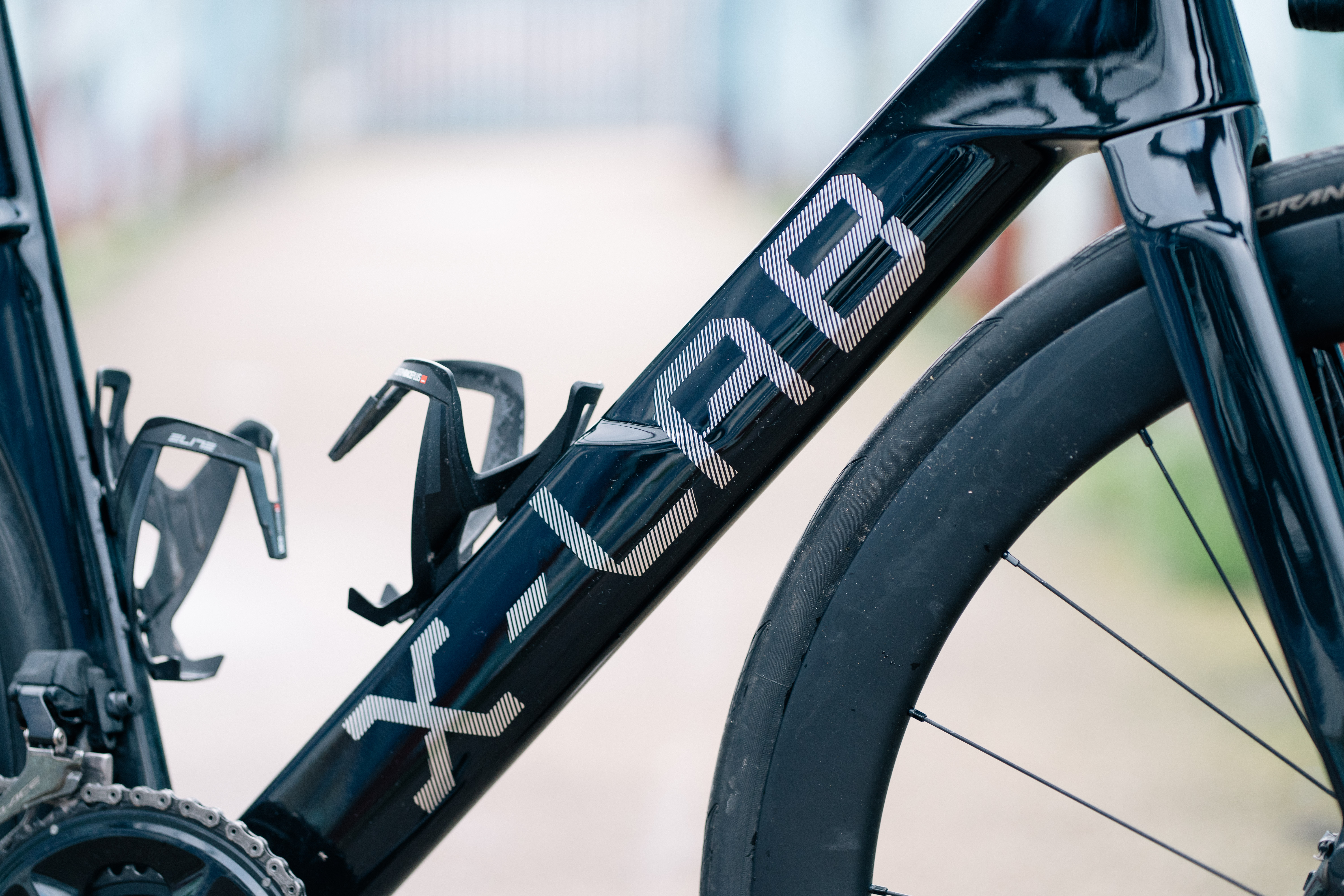
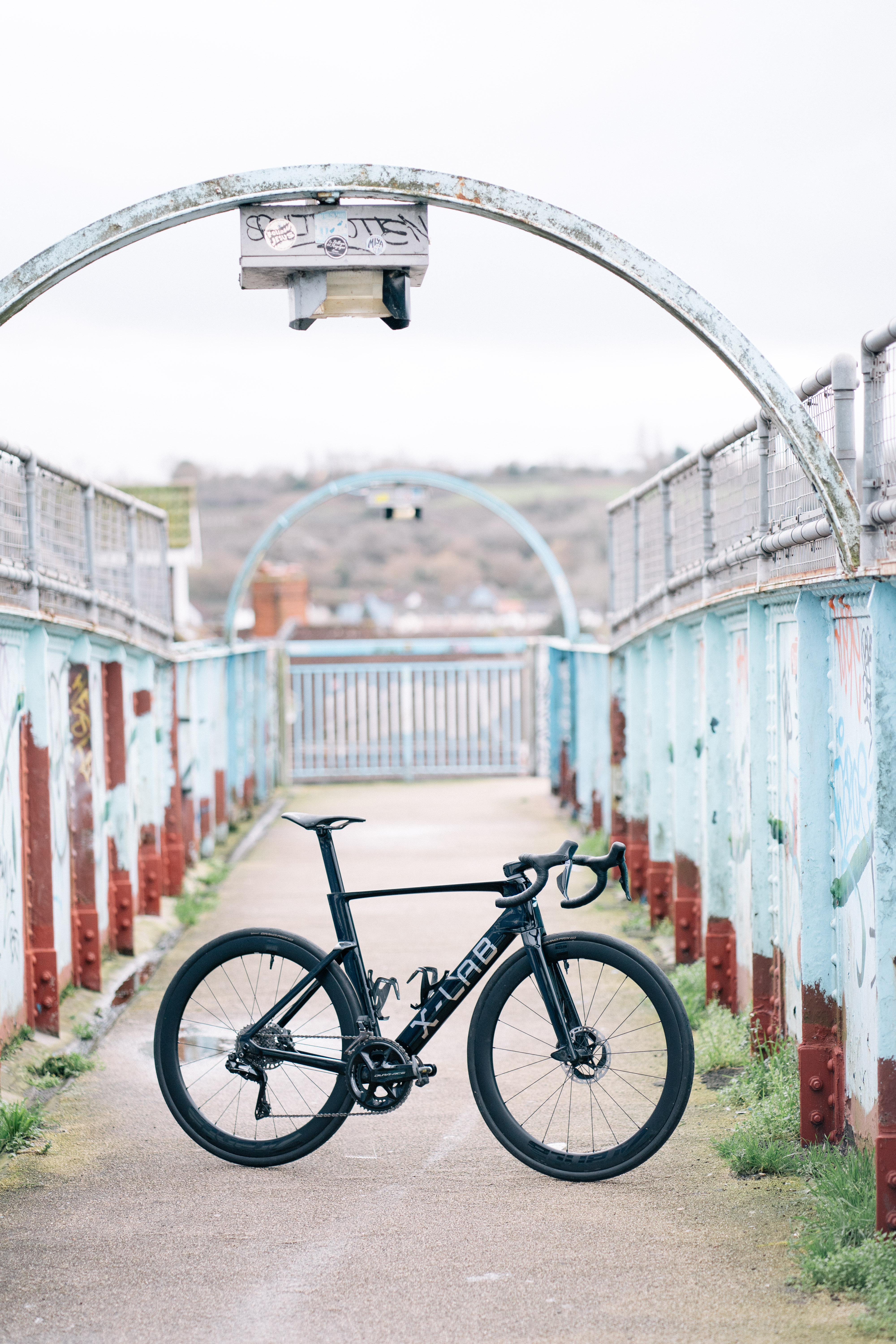
It’s a good looking bike, right? There’s more than a touch of the Canyon Aeroad about it from an aesthetic standpoint. If you discount the unfamiliarity of the brand on the downtube, highlighted in this case in quite a fetching shiny silver, and just focus on the lines, it cuts a decent silhouette.
The slight forward protrusion of the head tube is a little Pinarello Dogma or Tarmac, but not nearly so pronounced. The downtube is more slender at the top, expanding in width as you go down past the bottle bosses, presumably to aid in shaping the airflow around your bidons. There’s a classic cutout seat tube, to allow the frame to better shroud the rear wheel, a reasonably wide-set set of seat stays, and a chunky bottom bracket that is elevated almost to the point of appearing above the Dura-Ace chainset my test machine came equipped with. Even the fork ends feature little winglets.
A narrow, in-line seatpost supports your saddle and some of your body weight, and an X-Lab branded cockpit takes care of the rest. In all likelihood if you buy one of these in the UK then you’re probably going to be purchasing it as a frameset, but ours was sent for a wind tunnel test built up with a set of XDS’ own brand Branta wheels, shod with Maxxis High Road tyres, which were removed for the wind tunnel for standardisation reasons and, as I couldn’t find them again afterwards, I tested the AD9 with a set of 30mm Continental GP TR tyres.
Unlike the growing norm of comparing new bikes to a Tarmac SL8, the AD9 is compared to the Canyon Aeroad in what information I’ve been able to find online. There is a claimed 0.4-watt efficiency saving on offer over the German machine, tested at the Silverstone Sports Engineering Hub, where we do our own independent testing. This is less than the error margin of our own testing when running the setup as bike-only, without a rider, but nevertheless, it goes some way to contextualising where the brand is pitching the bike at in terms of speed.
If you want to find out more about how the AD9 held up in our own testing, then we have a dedicated write-up of the X-Lab AD9 wind tunnel results. I shan’t spoil them here, but suffice it to say that it was neither a slouch nor an absolute rocket, but existing very much in the middle of the pack.
In an as-ridden spec, my size 56 machine, complete with pedals, bottle cages, and an out-front computer mount, tipped the scales at 7.79kg. It’s certainly not going to challenge the brand’s extremely lightweight RT9, which challenges the likes of the Scott Addict RC Ultimate that I loved so much last year, but it’s not that hefty.
In geometry terms, there’s nothing radical going on, certainly nothing we’ve seen on the likes of the Factor ONE, or even the Ridley Noah Fast 3.0. A classique 73 degree head angle, 73.5 degree seat tube angle and stack and reach numbers of 553 and 395mm respectively. The chainstays are perhaps the standout, being a little longer than the norm at 410mm, but it’s a marginal difference.
Does all of this on-paper stuff come together to form a coherent machine, though?
Image 1 of 9
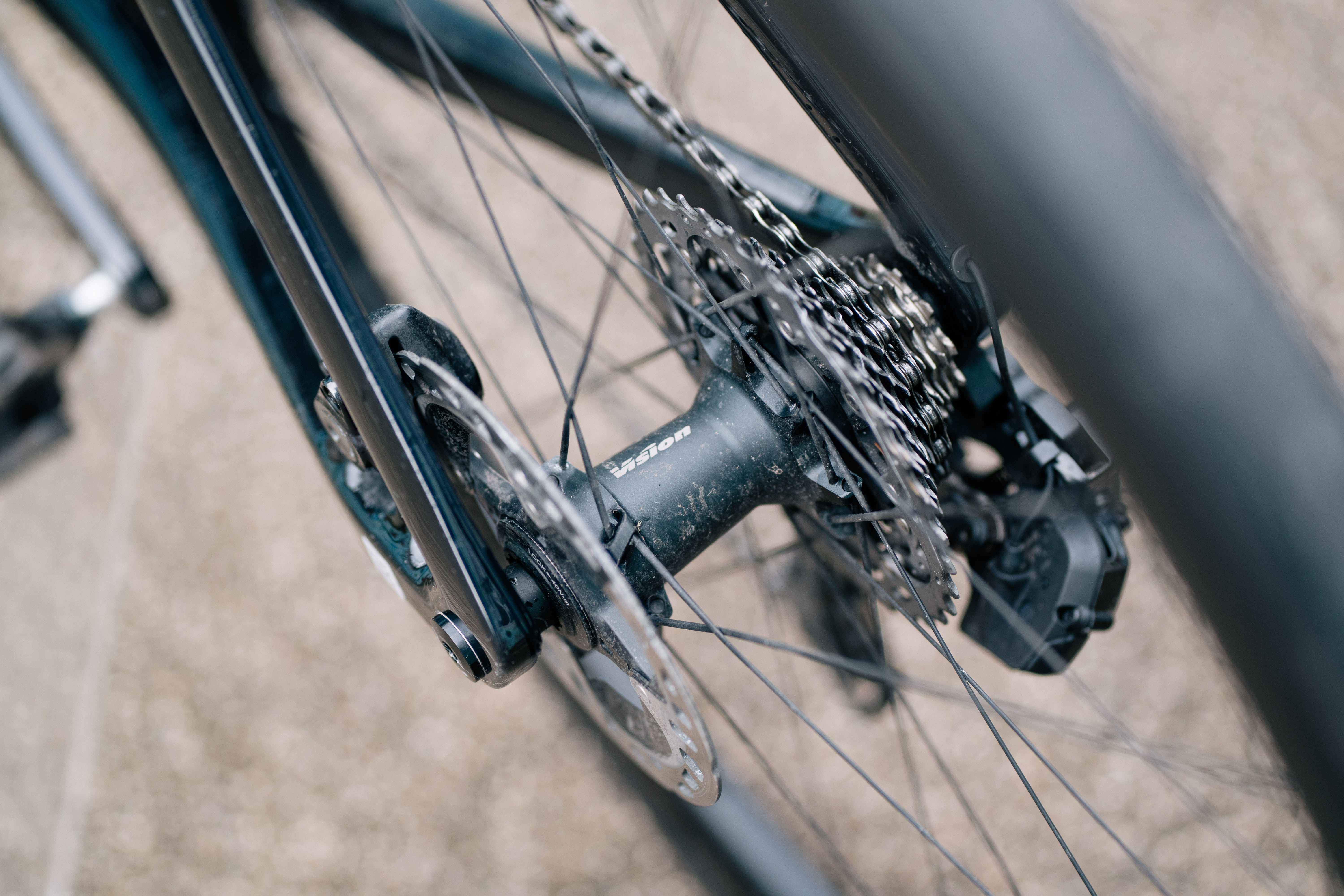 The own brand Branta wheels spin on Vision hubs. (Image credit: Will Jones)
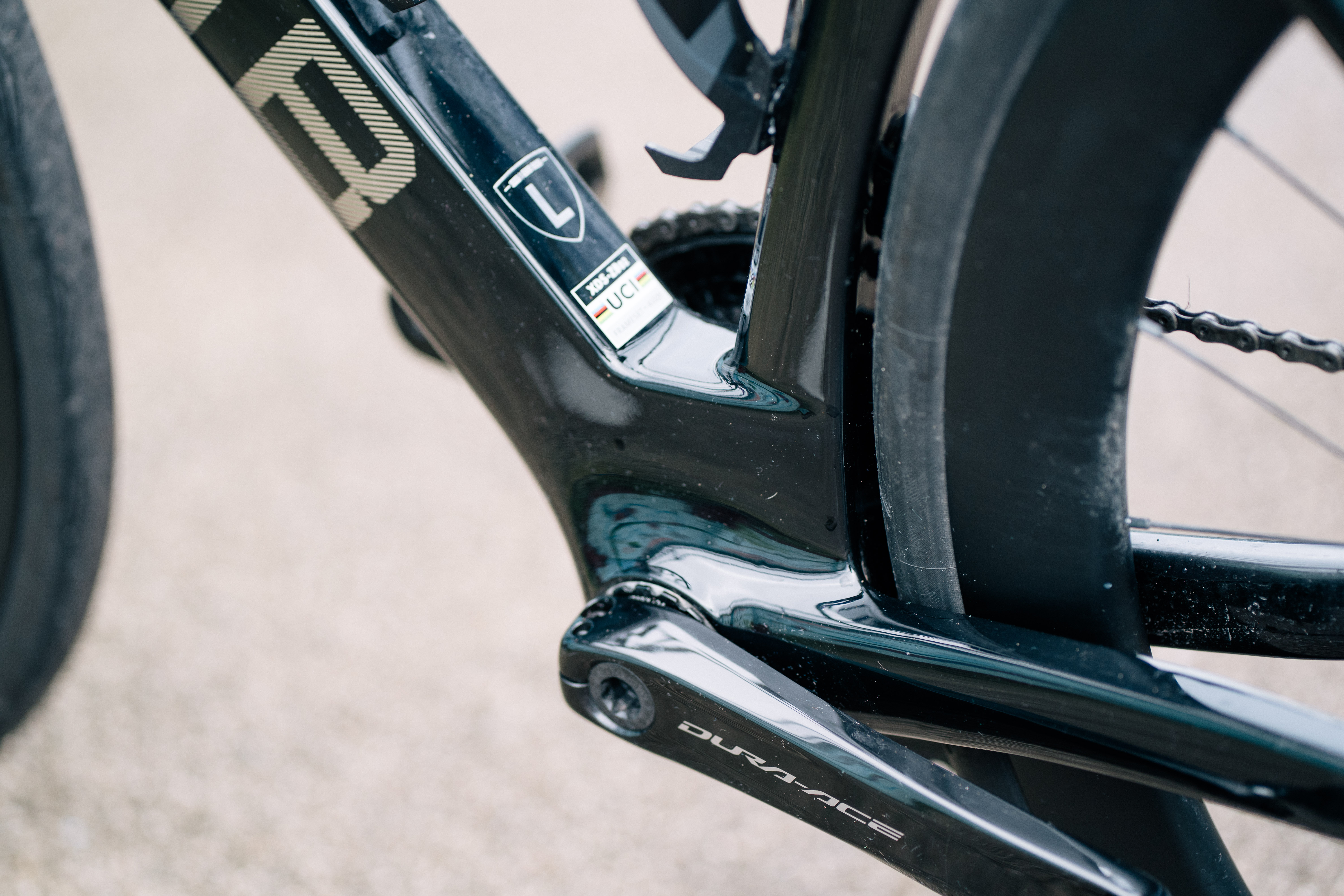 There’s plenty of chunk to the bottom bracket, and it held up to sprinting well. (Image credit: Will Jones)
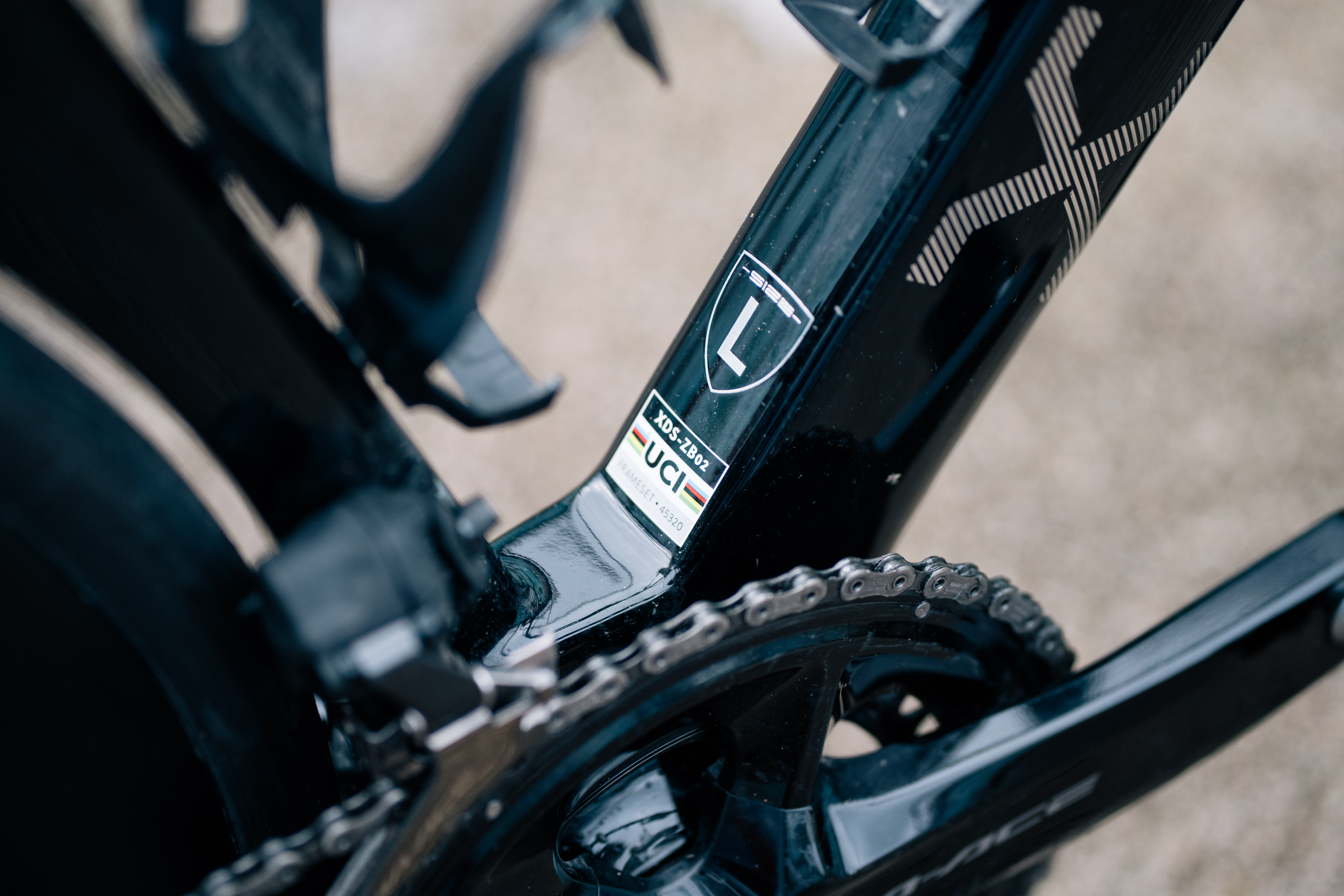 The down tube has a classic squared-off profile to it. (Image credit: Will Jones)
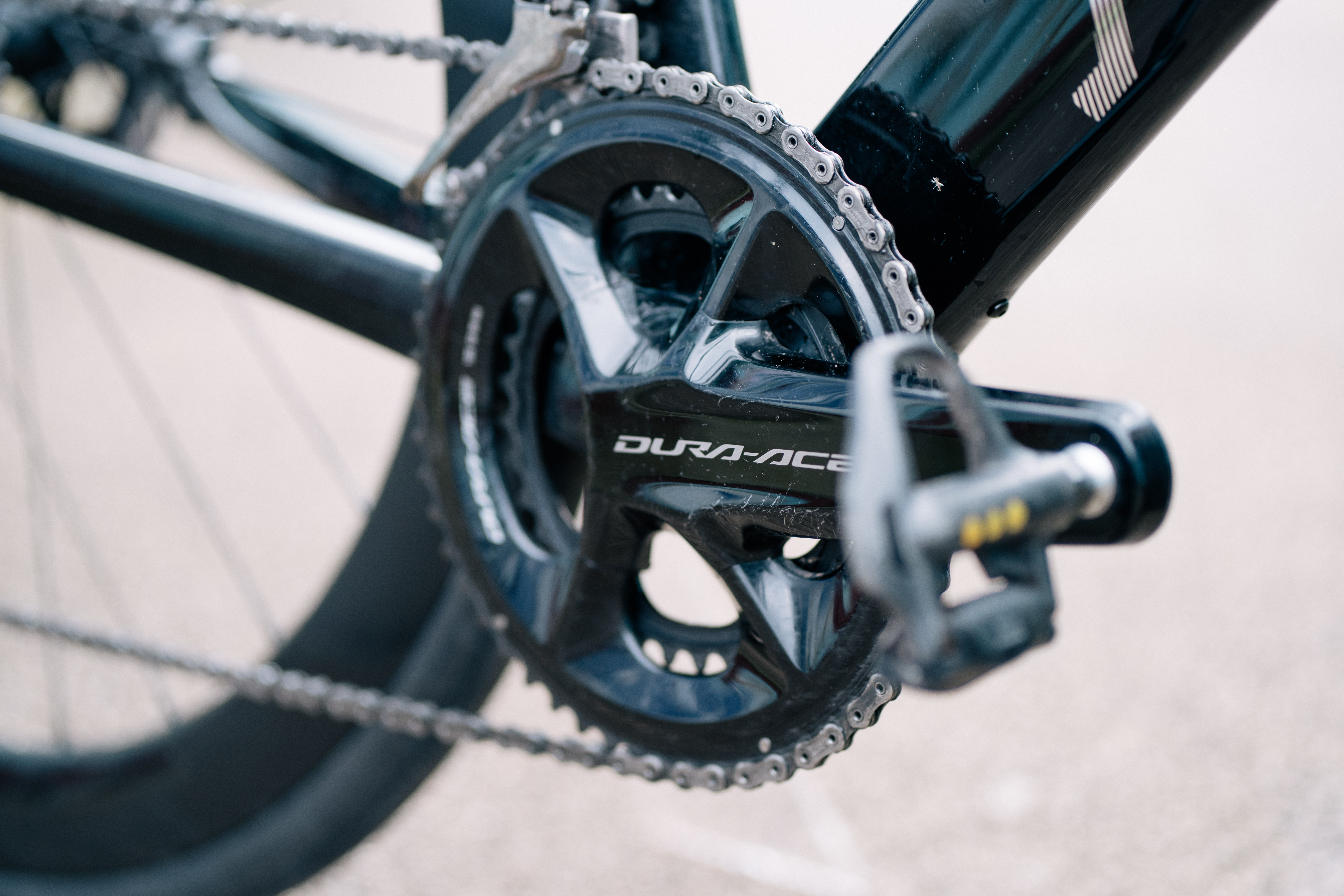 Despite being surely due a replacement soon I cannot fault Dura-Ace. (Image credit: Will Jones)
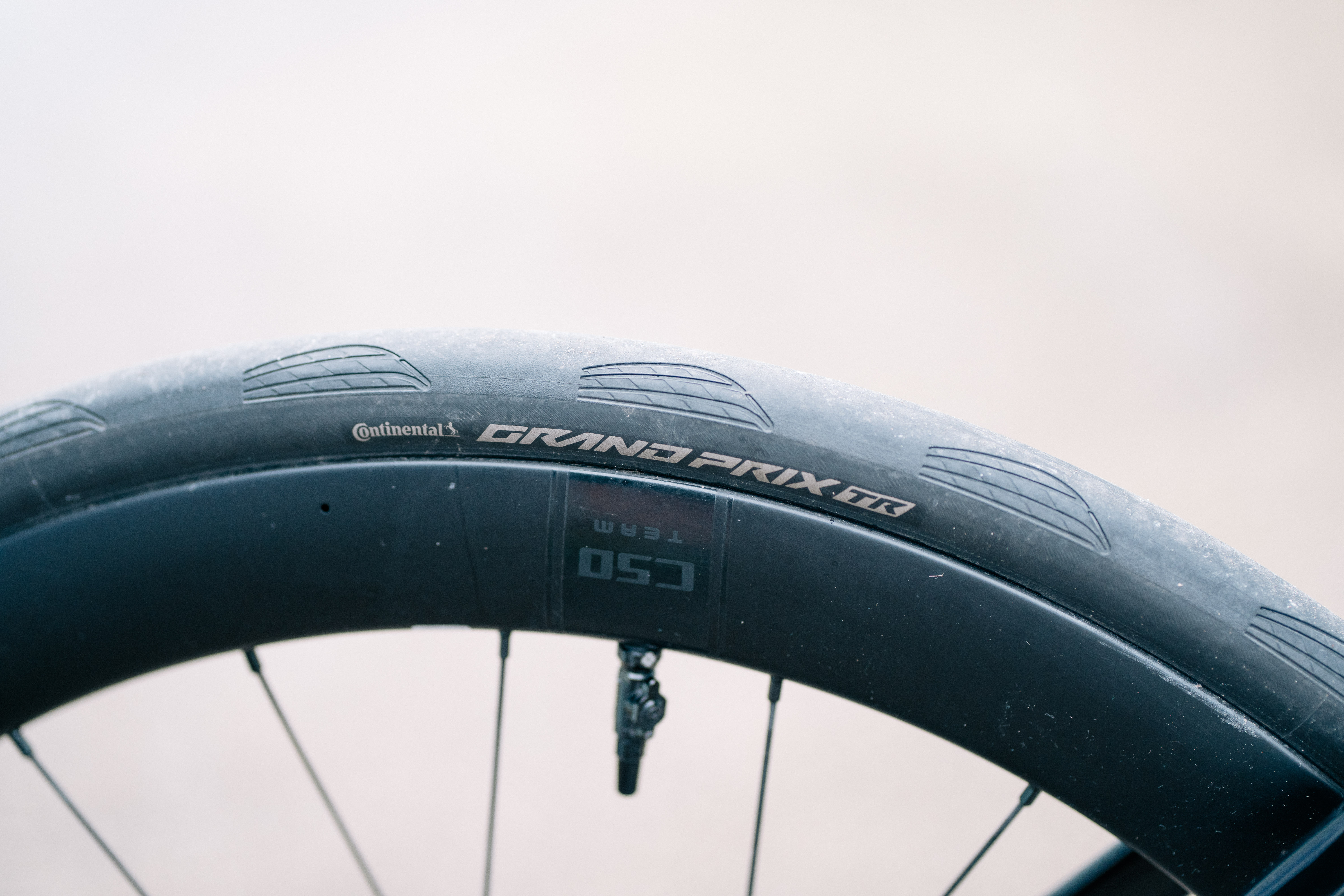 Do yourself a favour and fit larger tyres – 30mm is good. (Image credit: Will Jones)
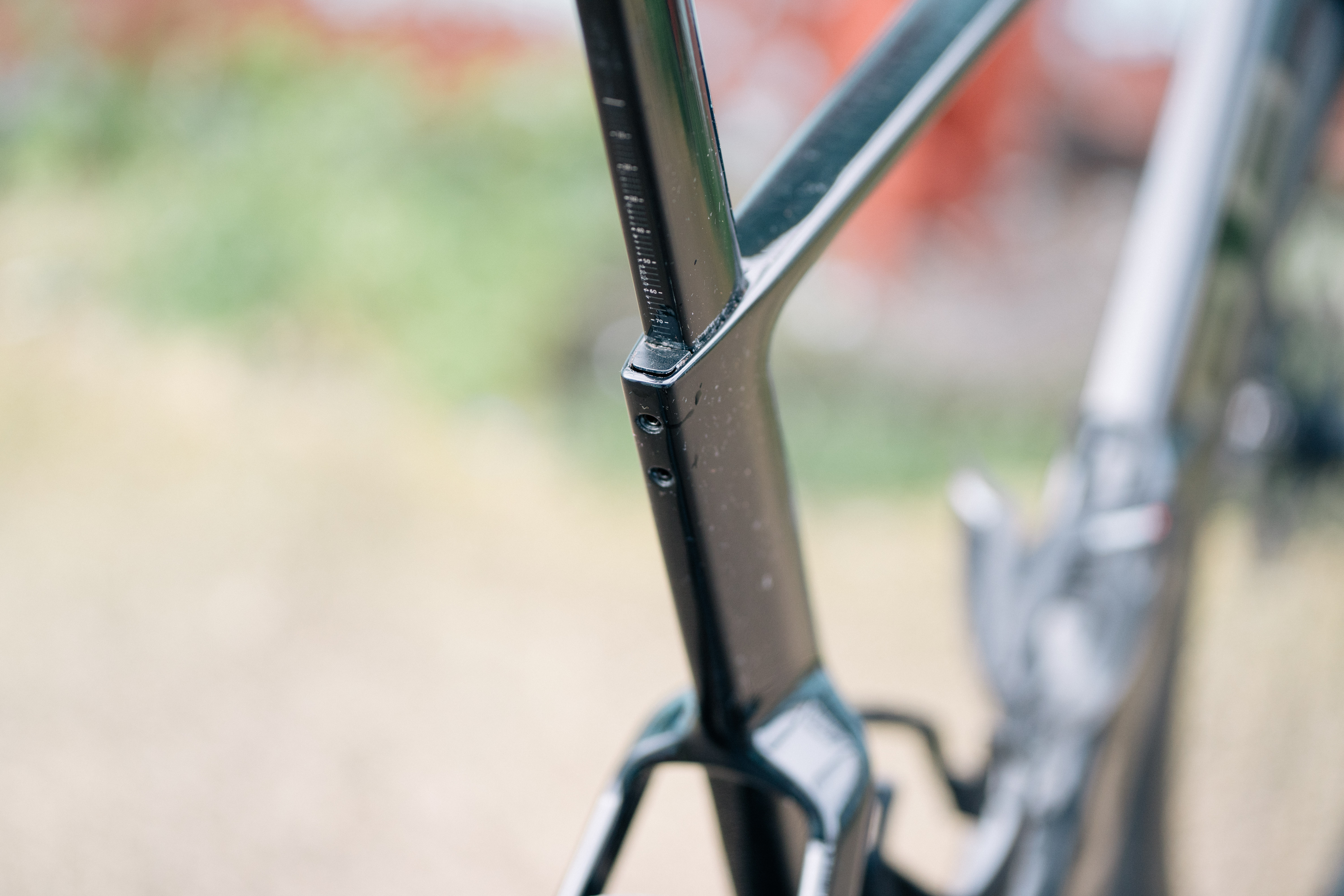 The seat clamp is neatly integrated but you’ll want to keep it free from grime to avoid these grub screws seizing. (Image credit: Will Jones)
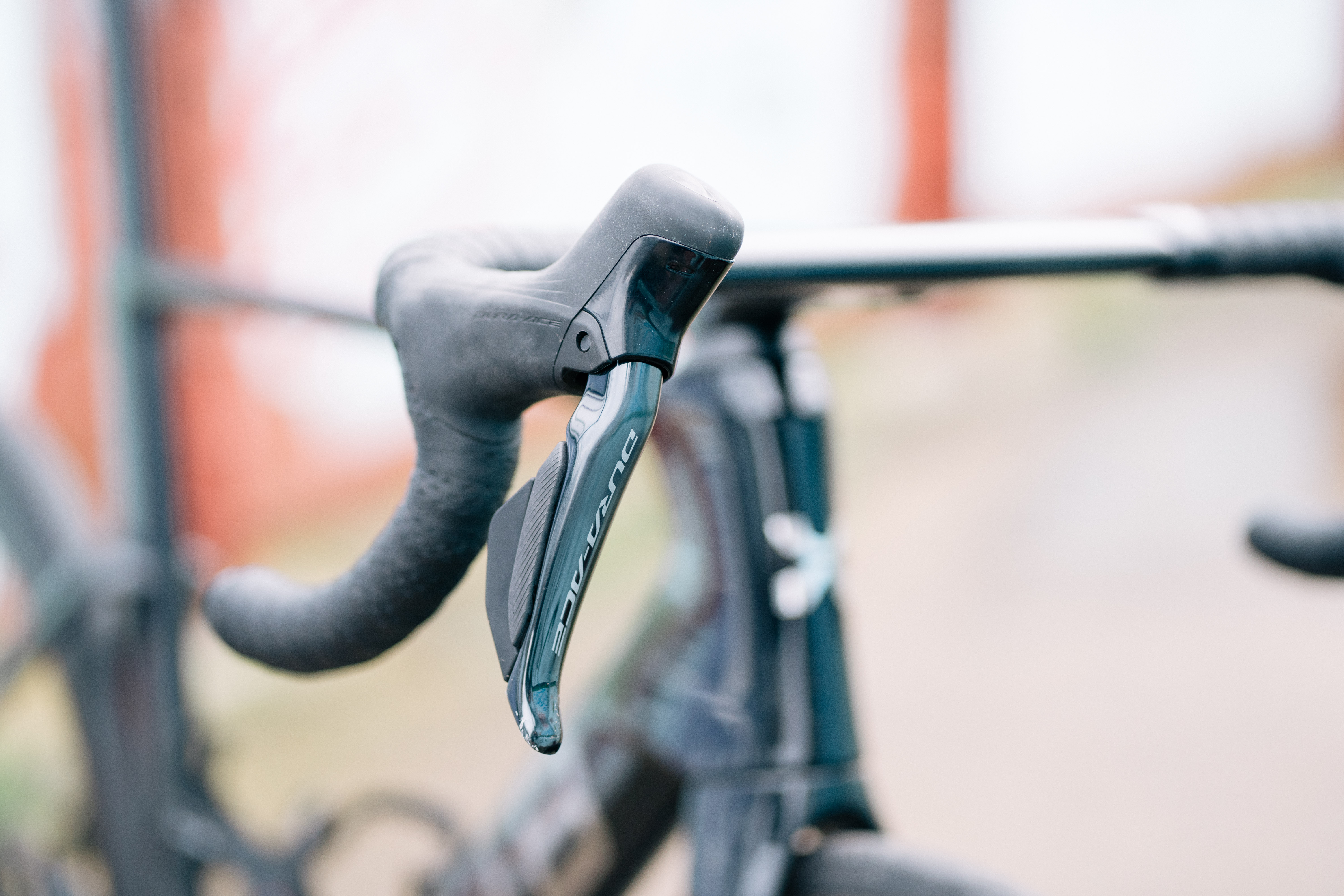 Shimano’s shifting beats SRAM, but the brakes don’t. (Image credit: Will Jones)
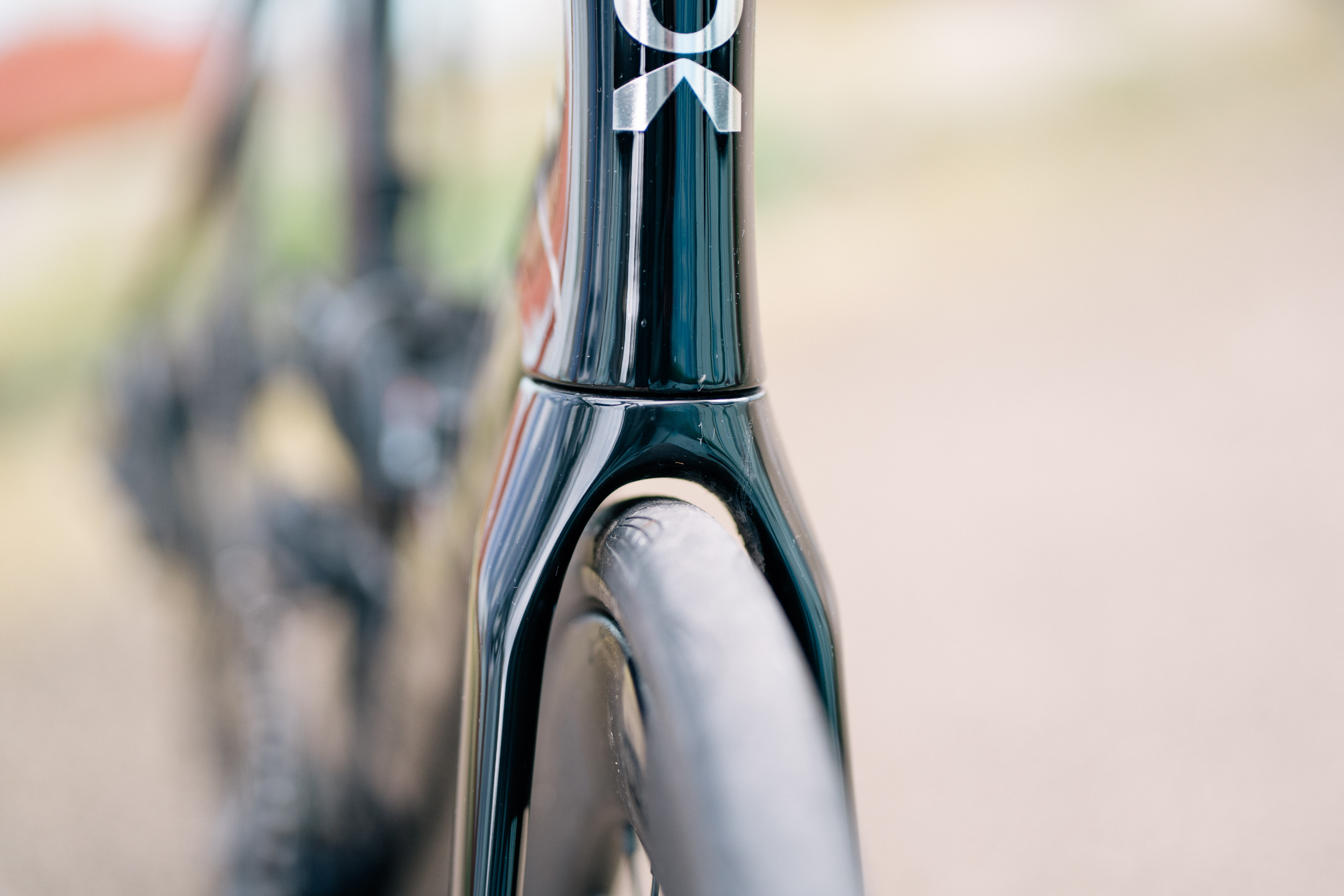 With a 30mm tyre the fork clearance is quite tight. (Image credit: Will Jones)
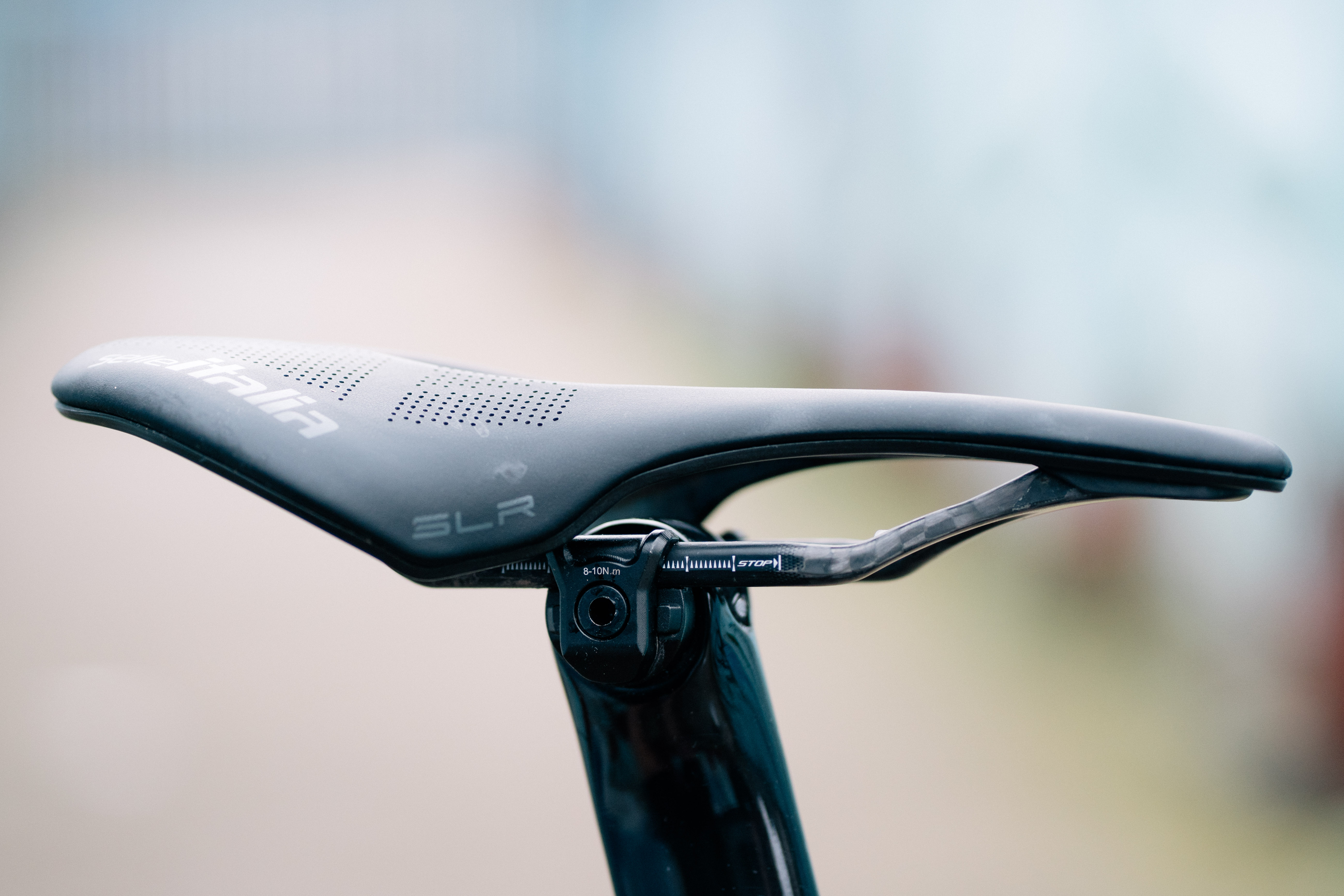 An in-line seatpost is always welcome nowadays. (Image credit: Will Jones)Performance
If you’ve come here expecting me to say that this Chinese bike is a poorly put together, poorly finished, wobbly riding AliExpress special then you’re going to be very disappointed; It’s really really good.
Chinese bikes have some baggage attached to them. When I started riding, the only Chinese bikes you’d actually see would be someone on a fake Pinarello (a.k.a. A Chinarello), or some unbadged variation thereof. The counterfeiting reputation is an ongoing concern, as evidenced by the seven arrests in December.
But this isn’t one of those bikes that would give you second thoughts riding behind, let alone on. The fit and finish is on a par with the big brands you’re more familiar with, there’s just a different logo on the down tube.
It’s a little point, but given I’ve been testing it in the depths of winter I’ve been so glad it’s got a gloss paint job. It’s so much easier to live with, and I really hope the days of matte paint are dwindling.
After a few rides, the thing that coalesced in my brain was ‘this feels a lot like a Giant Propel’. Both the AD9 and the Propel have a handling package that’s quite unbothered. There’s never a hint of instability, no matter your speed, and while the handling is never what I’d describe as darting or nimble, it’s perfectly responsive, and especially at higher speeds, it’s reassuringly predictable. Personally I prefer the alive feeling of a Dogma or an Addict, but I don’t think those are necessarily better, just different.
This is borne out by the geometry charts too, with the AD9 having the same head tube angle as the Propel, a seat angle that is 0.5º steeper, and wheelbase and reach figures that are essentially identical. The BB is a touch lower, and the longer chainstays probably add to that stable feeling too, but essentially it’s very middle of the road in terms of how it handles.
In sprints, I tended to value the slightly longer back end too. The bottom bracket and chainstays were more than a match for the 1,200 watts or so I was able to throw at it, but on some bikes with really short rear ends I often find the back wheel wants to break traction or leave the ground entirely under heavy loads; not the case here, even on steep hill sprints where your weight is naturally going to be even more over the front than it is on the flat.
For steady efforts, it’s a perfectly pleasant place to tick out the miles. My cockpit was quite wide, and needed the hoods turned in to a UCI-troubling degree to get the aero position I wanted, but if you’re building this up from a frameset, you’ll be looking to fit something that suits your needs anyway. The zero offset seatpost is good to see, and is becoming the norm (see the new Cannondale SuperSix Evo as another example), and means I could happily run a 120mm stem as opposed to my usual shorter setups, and still keep the saddle within the safe limits of the rails.
On longer climbs, I did value the tops of the bars being unswept. Much as the cockpits of the Colnago Y1Rs and Cervélo S5 offer significant aero gains, on steady efforts on training rides, I do still like to ride on the tops. 40cm wide is still wider than I’d like, but it’s still sadly quite a normal width for a 56cm build.
You might think the wheels would be the weak point, and while I am pretty unfamiliar with Branta wheels, our wind tunnel testing did reveal that there was basically no difference in performance aerodynamically when swapping to a set of Enves, so they clearly work well with the frame at the very least.
All in all, it’s a good riding bike. Not the most exciting, but by no means is it dull. Competent, collected, calm, and relatively unflappable over winding terrain. If I had beautifully maintained roads, then maybe I’d rather have something more nippy, but for British riding, it’s actually pretty on the money.
Image 1 of 5
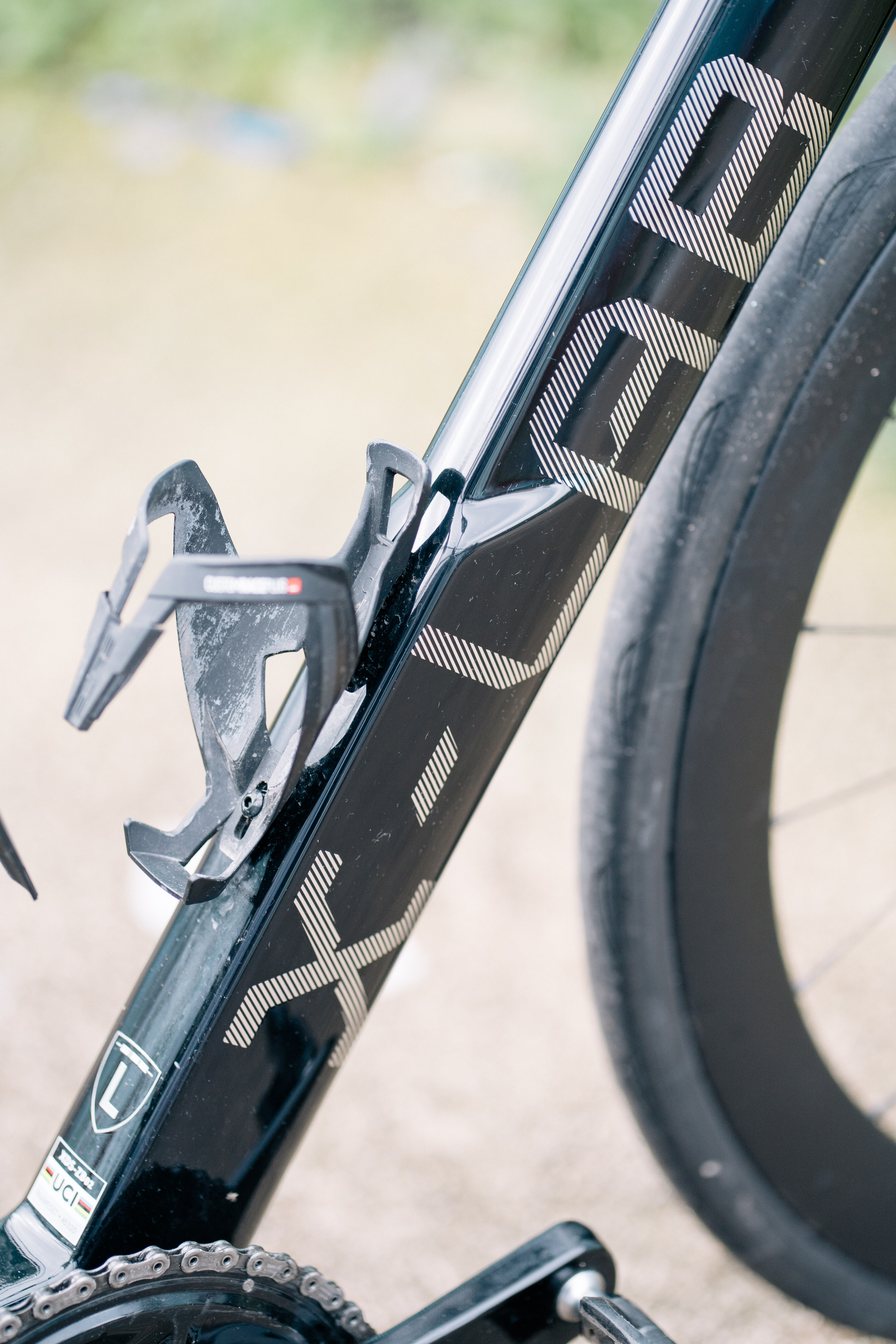 The down tube flares out around the bottles to shape the airflow. (Image credit: Will Jones)
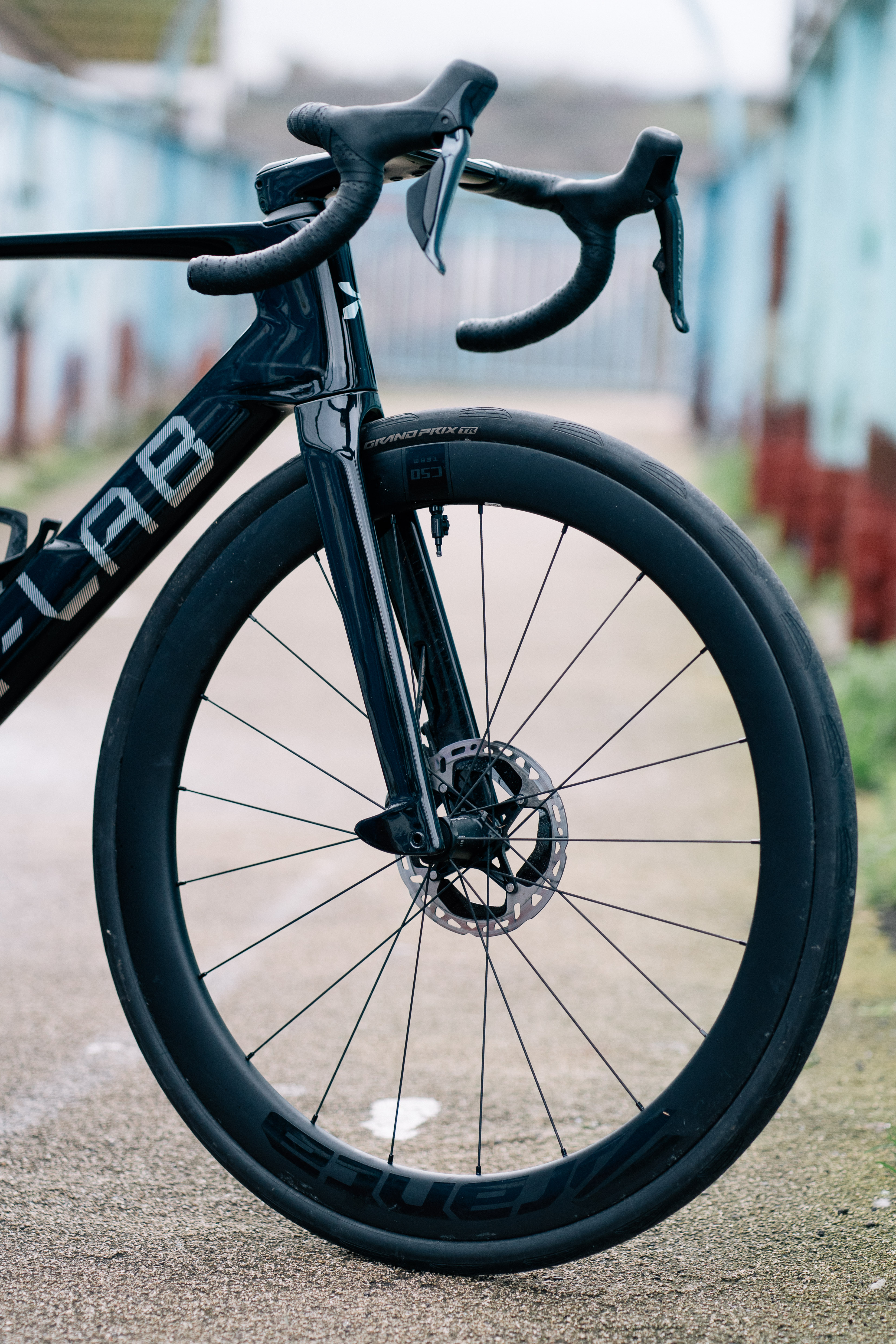 There’s nothing overly exciting about the wheels, but our testing shows that they work well with the frame from an aero perspective. (Image credit: Will Jones)
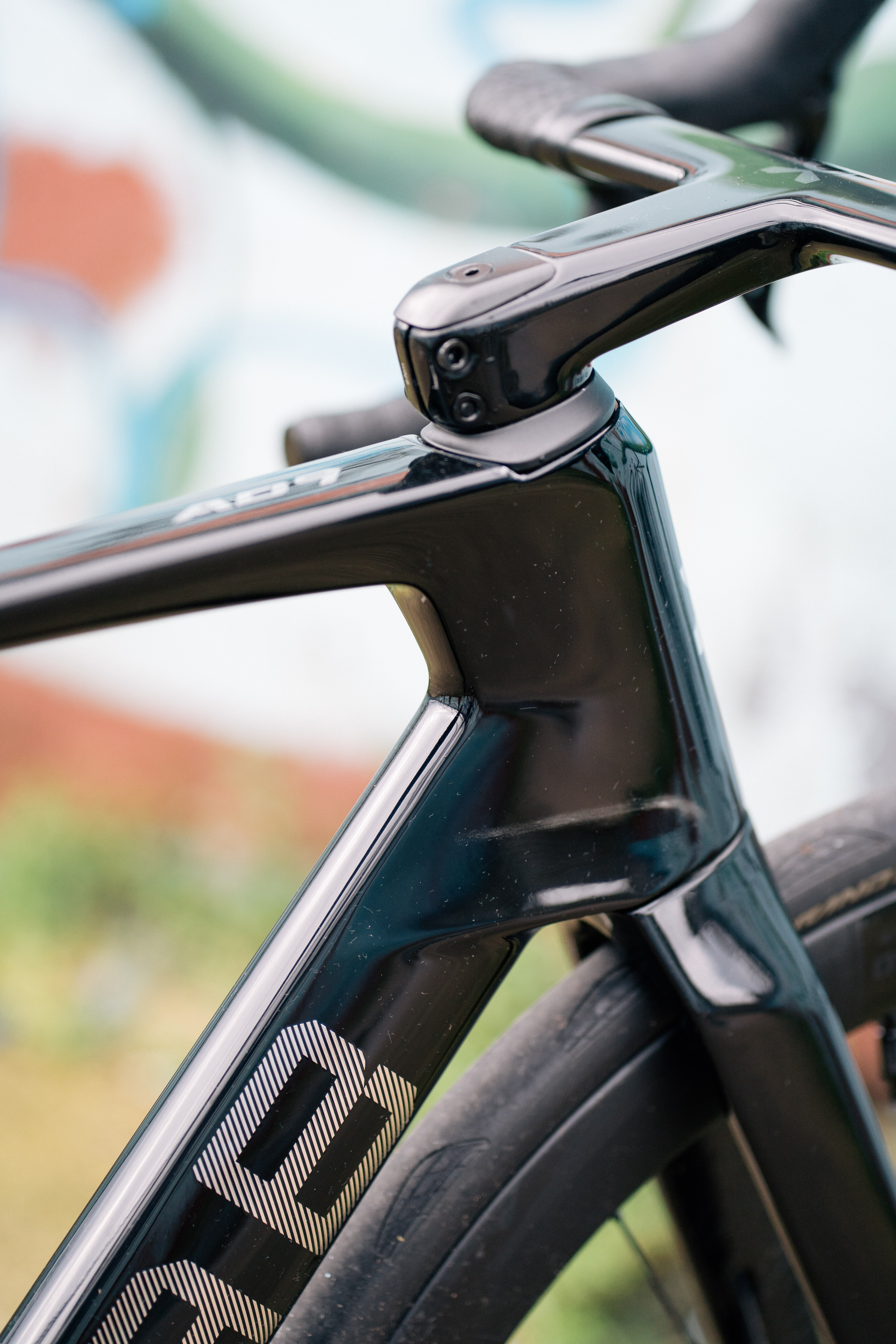 The head tube isn’t crazy deep like some. (Image credit: Will Jones)
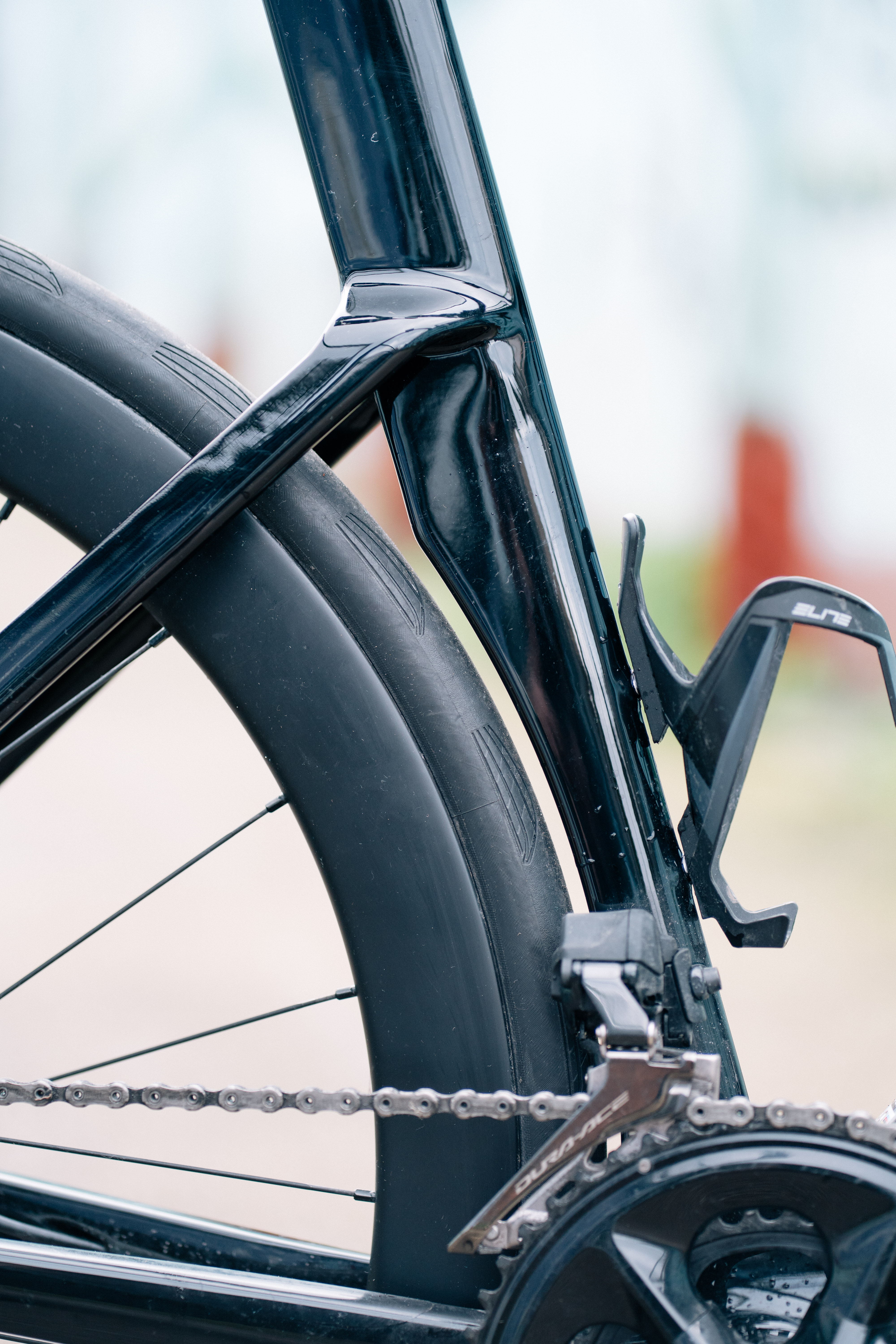 This sculpted seat tube is very Canyon Aeroad(Image credit: Will Jones)
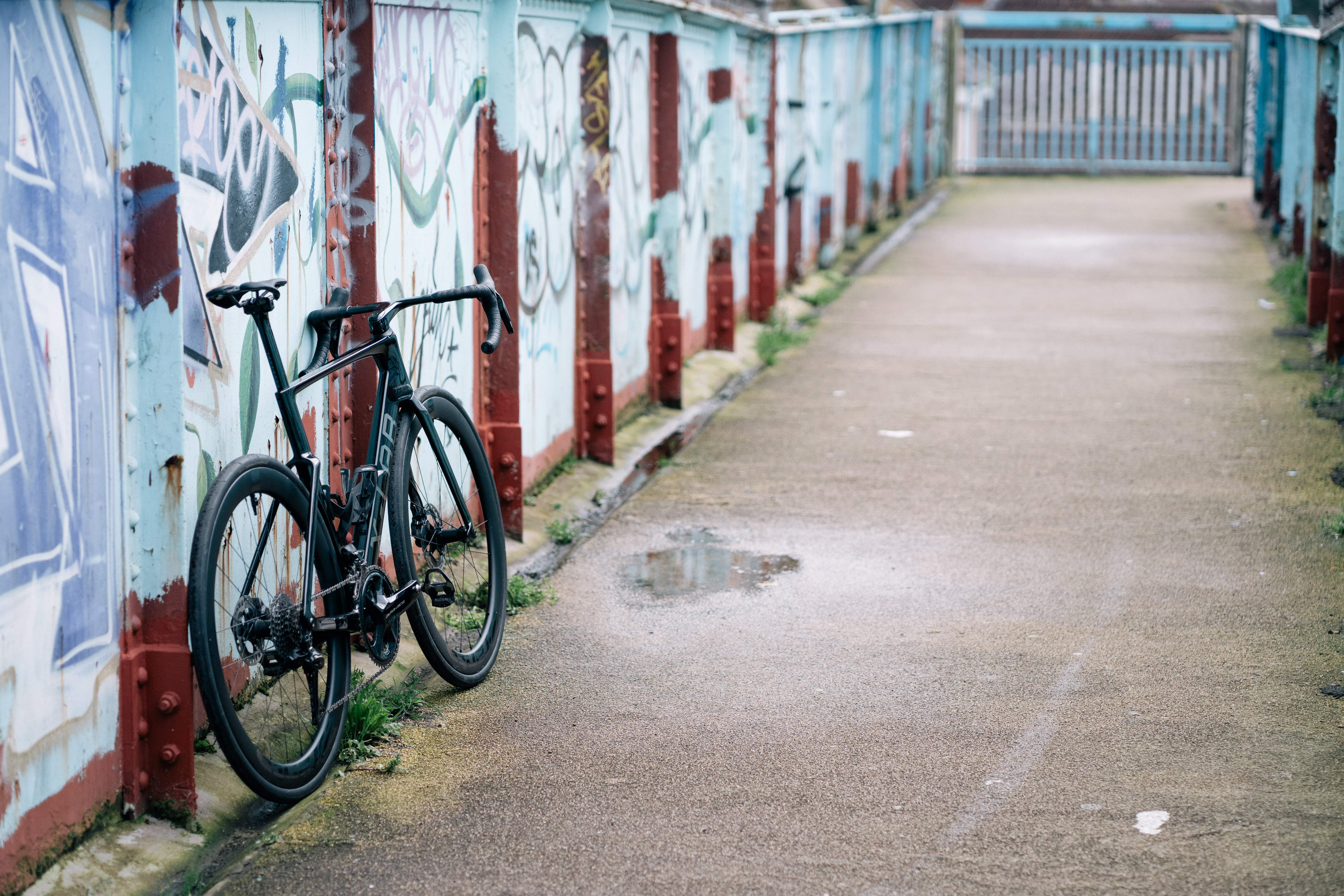
 All in all, a good riding bike. Not the most alive ride, but extremely competent and composed. (Image credit: Will Jones)Value
Chinese bikes are no longer synonymous with dodgy fakes, but in this case at least they are also no longer a guarantee of a price that is easier on your wallet than those of more familiar brands. An Astana replica full build, complete with Vision Metron wheels will set you back a cool $13,500, but if you’re building it up from a frameset, which includes the seatpost and a non-configurable bar (so I’d be stuck with a 40cm option, sadly) it’ll cost you £2,777, or $3,751.
A Giant Propel frame (albeit the older version since the new one launched last week), the lower-tier option that means you don’t have to cut your seatpost to the correct size, will cost you £2,199, and while it doesn’t come with a cockpit, I’d wager saving £500 and choosing your own is a better way to do things, and potentially cheaper too.
The AD9 is faster than the outgoing Propel, by our measures, but in either case, both represent pretty decent value for what’s on offer. Compared to bikes that aren’t quite so renowned for their value propositions, the AD9 looks like a winner. A Tarmac frameset (non S-Works) is £722 dearer, and while it has the edge aerodynamically, it’s certainly going to cost you.
Verdict
I think the X-Lab AD9 represents something of a watershed moment for Chinese bikes, not just because it’s in the WorldTour, but because it holds its own against much more familiar models. It didn’t set my world on fire with how it rode, but it was still excellent and didn’t feel lacking in any key areas either. It’s a quality machine, and I think acts as a vanguard for the coming fleet of new brands, a fleet that’s going to require a change in perception.
‘Chinese’ bikes aren’t cheap knockoffs anymore, but fully fledged race machines in their own right, and while I’m sad to report that you can’t get WorldTour performance for a fraction of the price, something that equally rings true for the Seka Spear, the fact that these machines are competitive on the road and on the wallet is at least going to upset the apple cart in terms of adding competition to what is quite a stale marketplace, and if you believe in competition driving innovation then this is good news.
The bottom line is the AD9 is a very capable race machine, with a relatively decent aero package and handling characteristics that will appeal to those who value stability and predictability over agility, which will probably be a lot of people. The only real drawback is the fact that you can’t configure your cockpit.
Swipe to scroll horizontally
Design and aesthetics
Good looking, neat, nothing crazy, and all the mod cons you’d expect from a top flight race bike.
8/10
Build
Well appointed, though the set cockpit dimensions are frustrating, The wheels aren’t going to excite you, but they work well with the frame.
8/10
Performance
Decently aero, with a handling package that’s pretty neutral. Handles sprints well, but lacks that lively quality that the very best have.
8/10
Weight
Not a brick, but not a true lightweight either by modern standards.
7/10
Value
Just because it’s Chinese doesn’t mean it’s a cheap bike anymore. It’s fine in this regard, but you can find better value, and likely an easier consumer journey, with some more familiar D2C brands.
8/10
Overall
Row 5 – Cell 1
78%
(Image credit: Will Jones)