
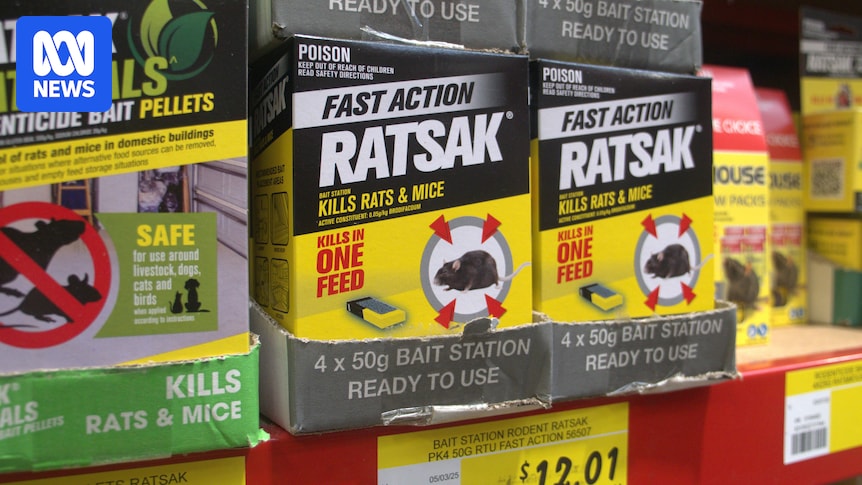
Over-the-counter rat baits could soon be taken off shelves after the federal regulator announced it would be declaring significant restrictions on popular commercially available poisons.
After starting a chemical review into rodenticides four years ago, the Australian Pesticides and Veterinary Medicines Authority (APVMA) has published a recommendation to certify second-generation anticoagulant rodenticides (SGARs) as restricted chemical products (RCP).
The RCP status would mean the purchasing of products containing certain ingredients would be restricted to individuals who meet specific licensing requirements.
SGARs have a devastating effect on native reptiles and birds, including owls, that receive lethal or crippling doses when they consume already-poisoned rodents.
Wildlife advocates have been calling for the ban due to the poison’s risk on native animals.
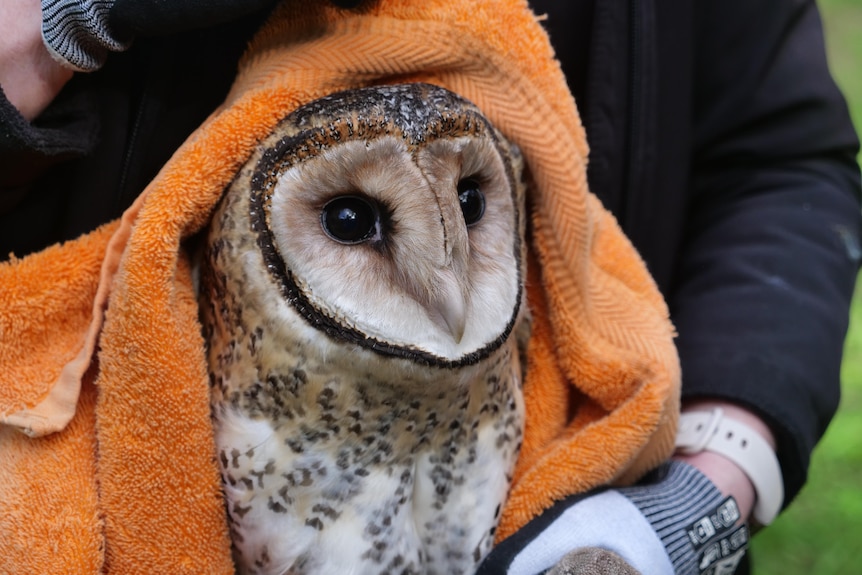
Wildlife carers in WA’s South West say owls like this one were poisoned after ingesting widely-used rat baits. (ABC South West: Madigan Landry)
Regulator embraces feedback
APVMA chief executive Scott Hansen said the decision would change the way baits were accessed.
“You would need to demonstrate and show your accreditation or your licence to be able to purchase,” he said.
“They will only be available for sale to people who have demonstrated competencies and experience, which in most cases will mean they’ll be taken off the shelves of retail outlets.”
The recommendation marks the first time the APVMA has certified a chemical as an RCP in over a decade.
In December last year the APVMA published a draft decision that only went as far as mandating changes to labelling and instructions.

Scott Hansen says the changes to the recommendation have come in response to extensive consultation with stakeholders. (Supplied: APVMA)
Mr Hansen said the final recommendation came after extensive consultation with state and territory authorities on the implications of the draft decision.
“The feedback highlighted that it would be a much simpler and straightforward way to police the fact that SGARs were only sold to people who were trained and competent in their use by making them a restricted chemical product,” he said.
It is now the responsibility of state and territory regulators, in coordination with the APVMA, to identify what criteria and training would allow individuals to purchase the poisons.
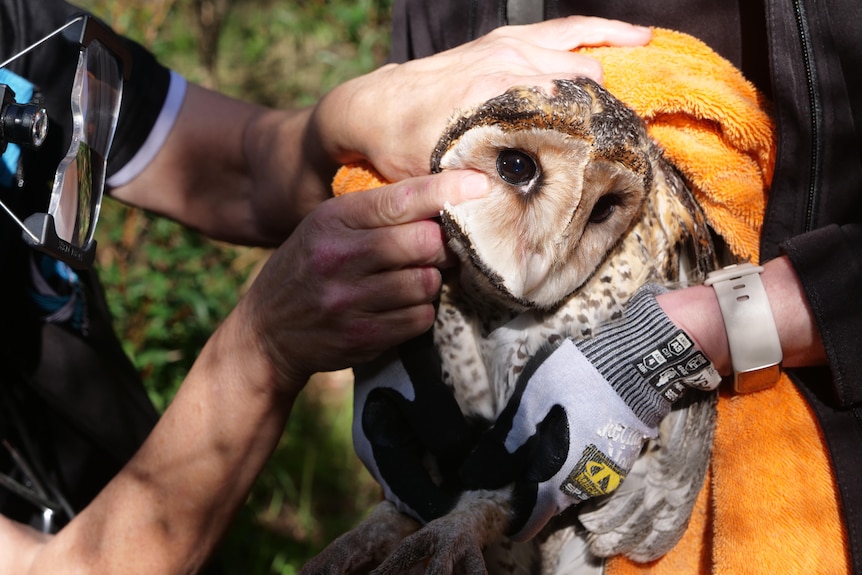
Wildlife advocates say the ruling is a first step, and a more comprehensive ban is needed. (ABC South West: Madigan Landry)
Mr Hansen said the regulator hoped new restrictions would minimise the impacts the poisons had on the environment.
“Their toxicology, their long half-life in the environment … means that they are a threat and a risk to non-target species,” he said.
“The way in which they are used needs to be very carefully monitored, very carefully deployed to ensure that you minimise that risk to non-target species.”
Significant change to wildlife safety
Animal advocacy groups have been lobbying across the country for a ban on SGARs since 2020.
In the South West of WA, Capes Raptor Centre manager Tara Finch said the latest recommendation was a step in the right direction.
“Ideally we would like them completely out of use,” she said.
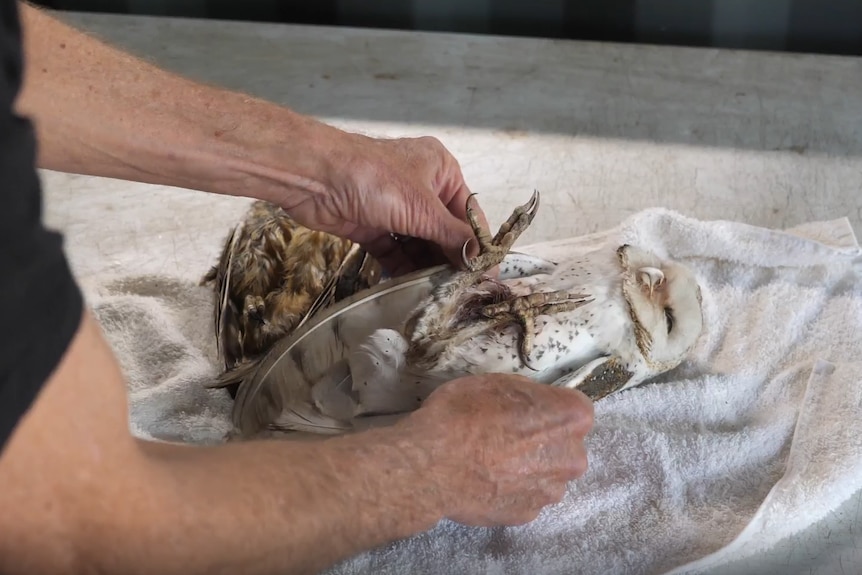
Carcasses tested for rodenticide poisoning have highlighted the damage rat baits are doing to native owl populations. (ABC South West: Madigan Landry)
“Anywhere they’re being used they have that potential to be causing harm and you can’t guarantee they’re going to remove poisoned rodents from the environment.
“It definitely goes a long way to reducing the harm to our wildlife.”
Ms Finch said it was a relief to see the regulator respond to the concerns raised by advocacy groups.
“There’s been such a huge upswelling of support from the general public, which has been fantastic, for Australians to really care about our wildlife, our raptors, our owls,” she said.
“It’s great that the government has responded to the community’s concerns.”
The AVPMA will work with state and territory governments to enact the ban in coming months.