
The Sansevero Chapel Museum in Naples will allow dozens of visually impaired visitors to take part in a rare tactile experience, letting them touch celebrated works of art including the Veiled Christ, which is widely regarded as one of the most striking masterpieces in the history of sculpture.
On 17 March, the museum will host an initiative called La meraviglia a portata di mano – Wonder within reach – organised in partnership with the Italian Union of the Blind and Visually Impaired of Naples, offering about 80 blind and partially sighted visitors a chance to encounter the marble masterpieces.
Visitors will be guided through the chapel by guides who are also visually impaired in a programme designed to place accessibility at the centre of the museum experience.
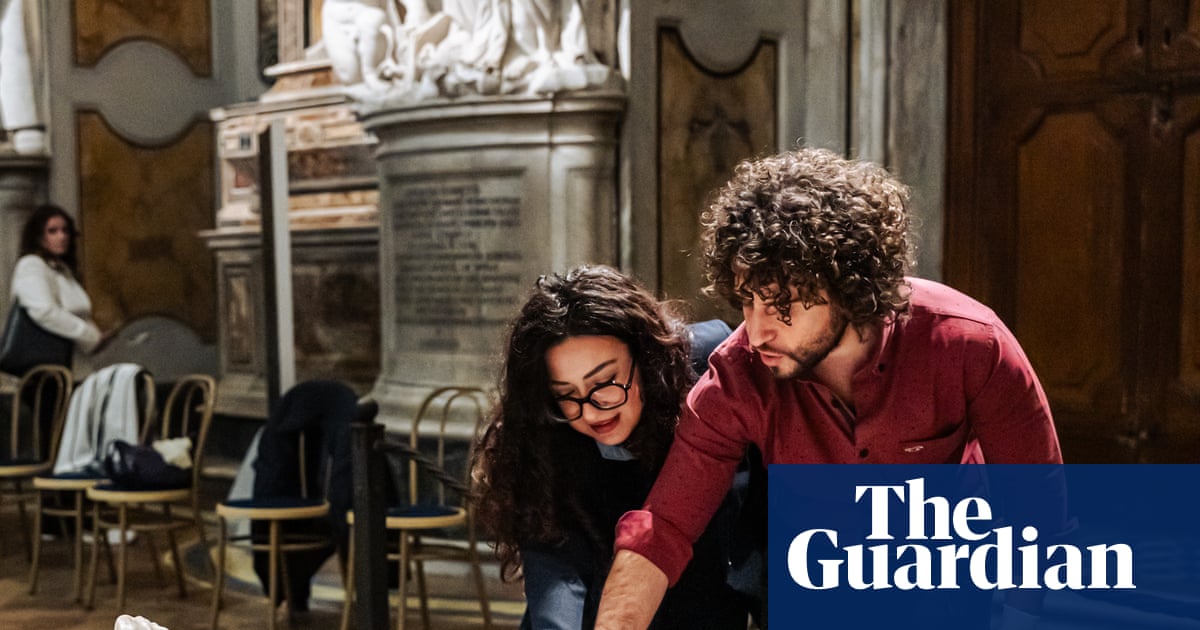
The protective barrier surrounding the sculptures will be removed, allowing participants, wearing latex gloves, to explore by touch the intricate marble surface of the sculptures. Photograph: Andrea Salzillo for Rive Studio
The protective barrier surrounding the sculptures will be removed, allowing participants, wearing latex gloves, to explore by touch the intricate marble surface of the sculptures including Giuseppe Sanmartino’s Veiled Christ, which depicts Jesus covered by a transparent shroud made from the same block as the statue. The tactile route will also extend to the reliefs at the feet of the sculptures La Pudicizia and Il Disinganno.
Chiara Locovardi, a guide, told the state agency Ansa: “The veil covering Christ is extraordinary. It’s impossible to understand how Sanmartino managed to create it. The veil defies explanation – for those who can see and for those who cannot. When you touch it, you can feel the veins pulsing beneath.”
Completed in 1753, the Veiled Christ is one of the most astonishing achievements in marble. The transparency of the shroud covering Jesus’s body appears so real that many still believe it must be the result of some lost alchemy capable of turning fabric into stone.
Maria Alessandra Masucci, the president of the Sansevero Chapel Museum, said the initiative was part of a wider programme to create an inclusive cultural space. Photograph: Andrea Salzillo for Rive Studio
Maria Alessandra Masucci, the president of the Sansevero Chapel Museum, said: “This initiative forms part of our wider programme to create a cultural space that is inclusive and accessible through dedicated pathways and tools tailored to the different needs of museum visitors.”
Giuseppe Ambrosino of the Italian Union of the Blind and Visually Impaired said the project reflected a broader principle: that the enjoyment of beauty should be a universal right.
“Art must not be a privilege reserved for sight,” he said. “Accessibility projects such as this transform a museum into a place of genuine inclusion, affirming that art belongs to everyone. In this case, visitors will not only be allowed to touch the marble sculpture; beauty itself will be able to flow through the hands and reach straight to the heart.”