
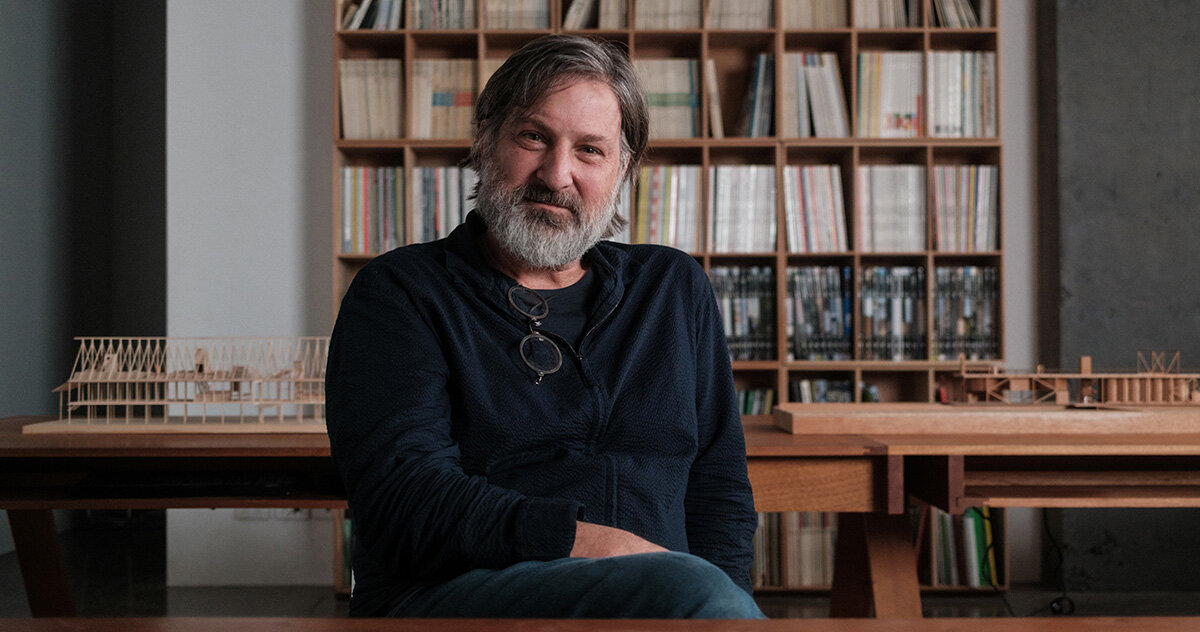
Chilean architect receives industry’s highest honor
Smiljan Radić Clarke has been named the 2026 laureate of the Pritzker Architecture Prize, the profession’s most widely recognized international honor. The announcement celebrates a body of work that invites people to experience architecture through atmosphere, material presence, and a sense of discovery. He becomes the second architect from the country to receive the honor, following Alejandro Aravena, who won the prize in 2016.
Born in Santiago, Chile in 1965 and working there since establishing his studio in 1995, Radić has built a reputation for architecture that feels deeply personal and site-attentive. Across houses, cultural buildings, installations, and pavilions, his projects carry a sense of curiosity toward materials and landscape, often pairing rough stone, translucent surfaces, or elemental forms to shape spaces that feel at once contemporary and ancient.
‘Architecture exists between large, massive, and enduring forms — structures that stand under the sun for centuries, waiting for our visit — and smaller, fragile constructions — fleeting as the life of a fly, often without a clear destiny under conventional light,‘ explains Radić.
‘Within this tension of disparate times, we strive to create experiences that carry emotional presence, encouraging people to pause and reconsider a world that so often passes them by with indifference.‘
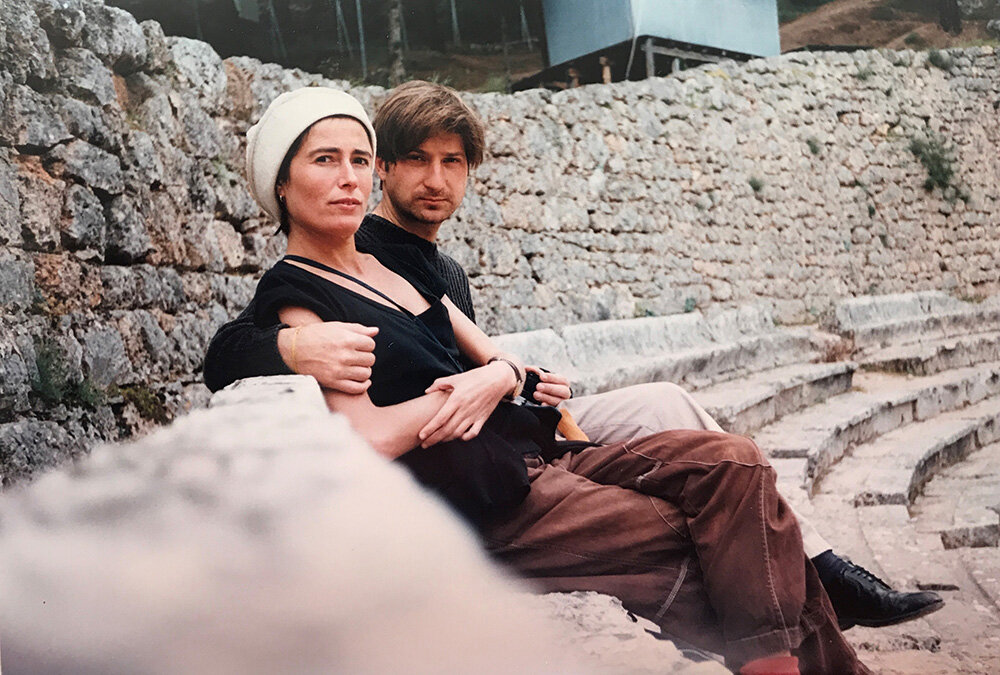
photo courtesy Smiljan Radić Clarke
Projects that balance fragility and monumentality
The work of Pritzker Prize-winner Smiljan Radić Clarke has long drawn attention for its distinctive sensibility. Projects such as the Vik Winery in Millahue, the inflatable Guatero pavilion at the 2023 Biennial of Architecture and Urbanism of Chile, and the widely visited Serpentine Pavilion in London demonstrate an approach that balances fragility with monumental presence. In many cases, structures appear almost provisional, as though they arrived lightly within their landscapes.
Across his work, he develops site-specific strategies that respond directly to each place. Thus, his buildings grow out of terrain or even out of existing structures. Some projects sink partially into the ground, as seen with the 2006-built Restaurant Mestizo in Santiago. In other cases, architecture emerges through transformation of existing fabric, as with Chile Antes de Chile, the 2013 extension to the Chilean Museum of Pre-Columbian Art in Santiago.
Alejandro Aravena, Chair of the Pritzker Prize Jury and the 2016 laureate, describes this sensibility as a defining quality of Radić’s work: ‘In every work, he is able to answer with radical originality, making the unobvious obvious. He reverts back to the most irreducible basic foundations of architecture, exploring at the same time, limits that have not yet been touched.
‘Developed in a context of unforgiving circumstances, from the edge of the world, with a practice of just a few collaborators, he is capable of bringing us to the innermost core of the built environment and the human condition.‘
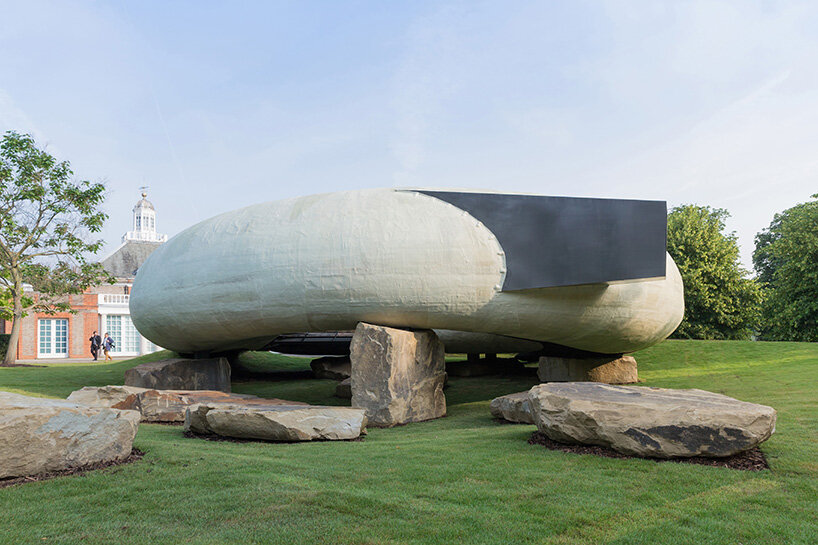
Serpentine Gallery Pavilion, photo courtesy Iwan Baan (see designboom’s previous coverage here)
A humble response to global recognition
For the architect himself, the news came as a surprise. In a message following the announcement, Radić described the recognition as a ‘huge honor,’ adding with characteristic humility that the attention it brings may feel overwhelming at first.
The Pritzker jury highlighted the emotional dimension of his architecture and the way his buildings encourage reflection through spatial experience. Many of his projects offer moments of pause. Light filters through translucent skins, rough stone meets delicate structural elements, and interior spaces invite visitors to move slowly and look closely.
The 2026 Jury Citation states: ‘Through a body of work positioned at the crossroads of uncertainty, material experimentation, and cultural memory, Smiljan Radić favours fragility over any unwarranted claim to certainty.
‘His buildings appear temporary, unstable, or deliberately unfinished — almost on the point of disappearance — yet they provide a structured, optimistic and quietly joyful shelter, embracing vulnerability as an intrinsic condition of lived experience.‘
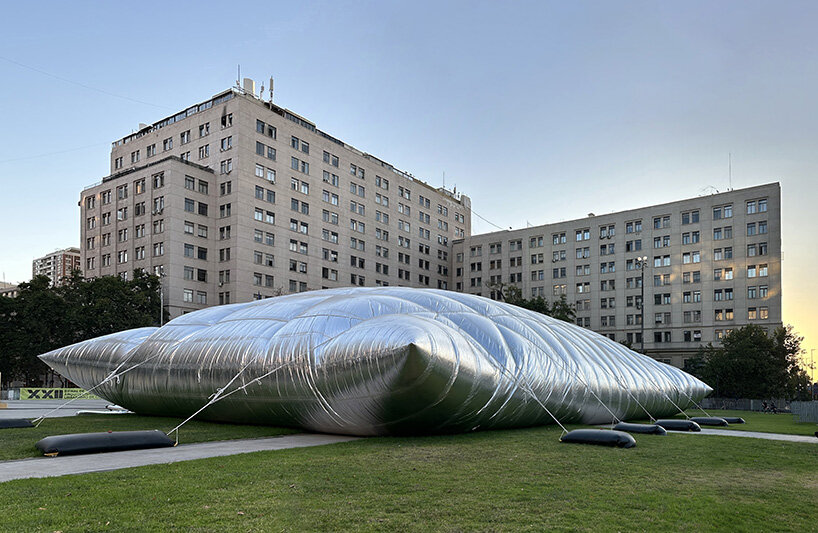
Guatero, photo courtesy Smiljan Radić
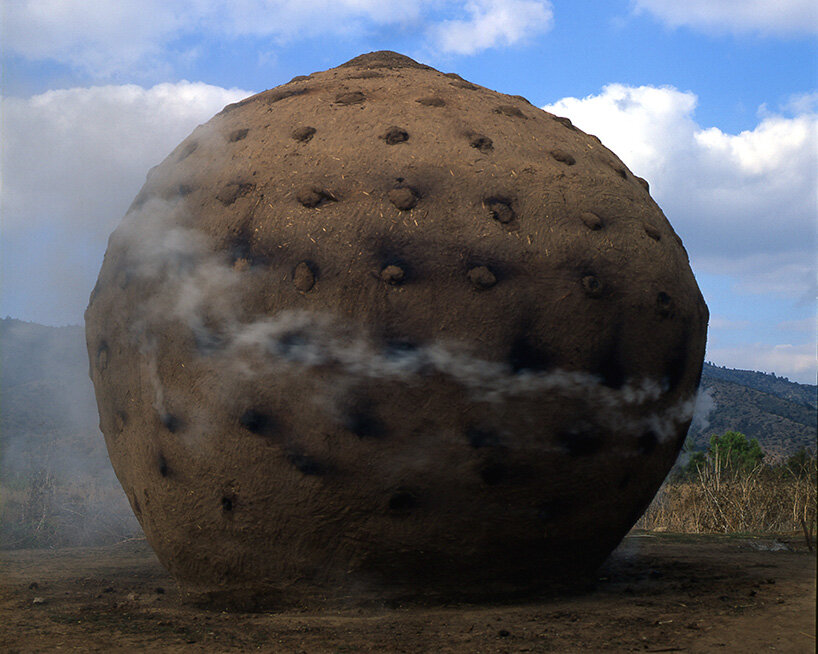
Carbonero House, photo courtesy Smiljan Radić
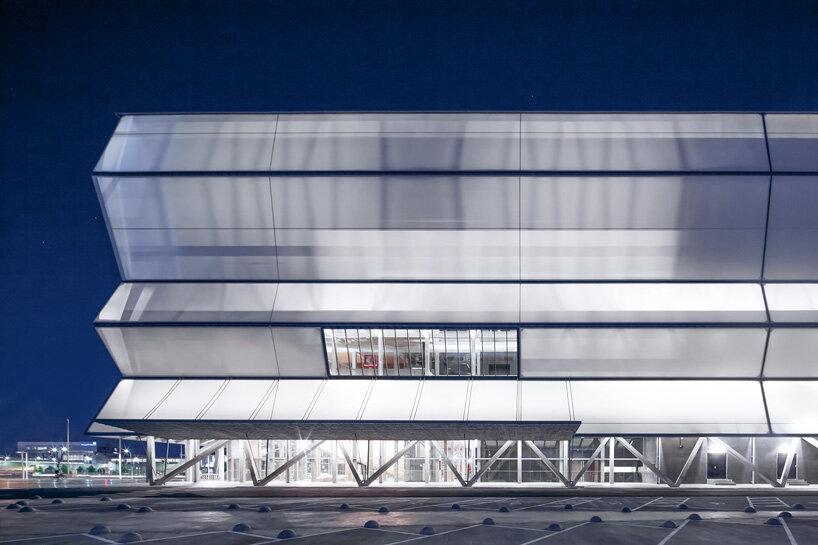
Teatro Regional del Biobío, photo courtesy Cristobal Palma (see designboom’s previous coverage here)