

Australian fishing boats are sounding the alarm as crippling diesel shortages leave fleets stranded at port, sparking fears of empty supermarkets ahead of Easter.
Concerned operators at Mooloolaba Wharf on the Sunshine Coast are demanding urgent action as fuel dries up and prices skyrocket, reportedly beyond $3 a litre.
The pressure comes as the escalating conflict involving Iran disrupts global oil supply routes.
Attacks and security concerns around the Strait of Hormuz — a key shipping corridor that carries roughly a fifth of the world’s oil — have sent fuel prices soaring and tightened supply chains for countries heavily reliant on imports, including Australia.
It’s already impacted petrol prices around the country.
Is there another story we should be covering? Contact reporter joe.attanasio@yahooinc.com
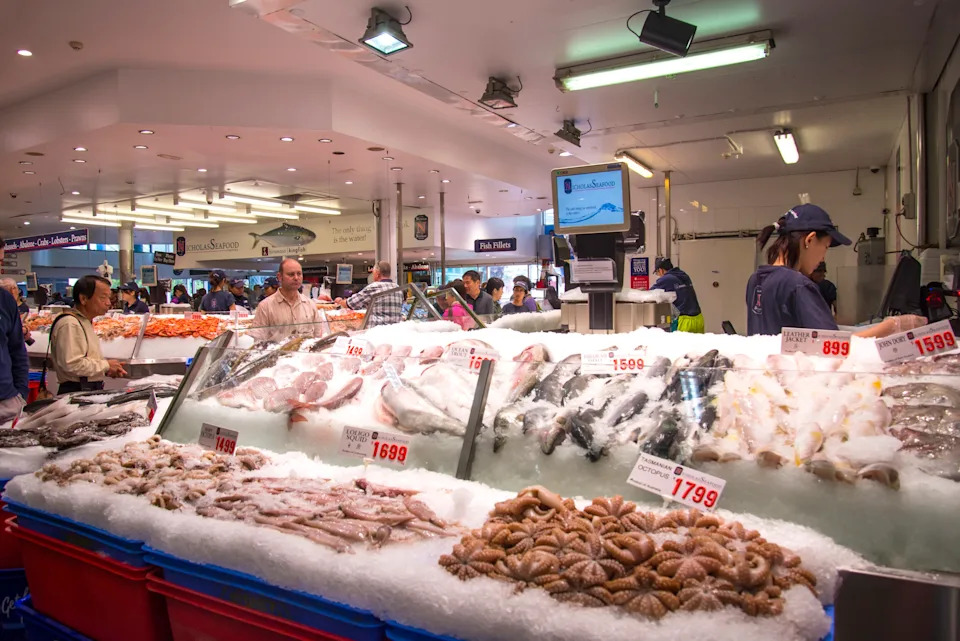
Australian fishing boats are sounding the alarm as diesel shortages leave fleets stranded. Source: Getty
(boggy22 via Getty Images)Could fuel shortages impact Easter seafood?
Pavo Walker, CEO of Walker Seafoods Australia, said the shortage was already disrupting fishing operations.
“The eastern seaboard of Australia is running out of fuel; no one can guarantee us any fuel for our fishing vessels,” he told 7News.
“We’ve got no fuel, so we can’t go to sea, and we can’t catch fish.”
Queensland MP Andrew Wallace agreed.
He said fishers at the wharf were currently unable to operate.
“Right now, on the Sunshine Coast, there is zero diesel available on the wharves at Mooloolaba for our fishers. That means they can’t leave port and they can’t go fishing,” Wallace told Sunshine Coast News.
He said around 50 local businesses rely on fishing from the harbour.
“If they can’t access fuel, they can’t operate, they can’t export, and people start losing work.”
Wallace questioned the strength of Australia’s fuel reserves, noting the shortages had emerged just days after the federal government said the country had more than 30 days of liquid fuel supply.
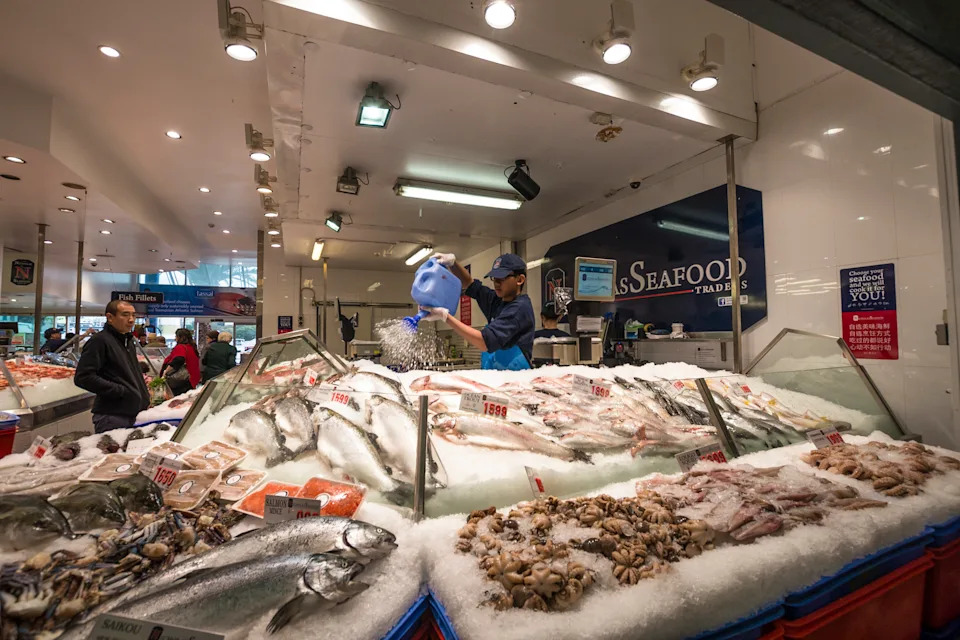
Fuel uncertainty could soon trickle down to the consumer, Australian fishers warn. Source: Getty
(PurpleImages via Getty Images)
“Yet nine days into the conflict in the Middle East, we’re already seeing industries grind to a halt because they can’t access diesel,” he said.
Walker warned the disruption could eventually push seafood prices higher for consumers.
“It’s also an issue for the Australian consumer — the lack of supply will increase pricing and add more inflation,” he argued.
“We’re going to see impacts on farmers, fishermen, miners and trucking, and ultimately on food prices and inflation for the average Australian family.”
Middle East crisis rages into second week
Nearly two weeks into the conflict in Iran, tensions across the Middle East show little sign of easing.
The war, which began in late February with strikes by a US–Israeli coalition on Iranian targets, has triggered retaliatory missile and drone attacks that have rapidly widened the crisis across the region.
Since then, both sides have continued exchanging strikes, raising fears that the fighting could spread further and disrupt key energy infrastructure and shipping routes.
Analysts say the conflict has already rattled global markets, with oil prices remaining volatile.
Much of the concern centres on the Strait of Hormuz, a narrow shipping lane where roughly a fifth of the world’s oil passes each day.
Any sustained disruption there could choke global fuel supplies and send prices even higher.
Both sides have signalled they are prepared to keep fighting, with analysts warning the risk of further escalation — and wider economic fallout — remains high.
Do you have a story tip? Email: newsroomau@yahoonews.com.
You can also follow us on Facebook, Instagram, TikTok, Twitter and YouTube.