
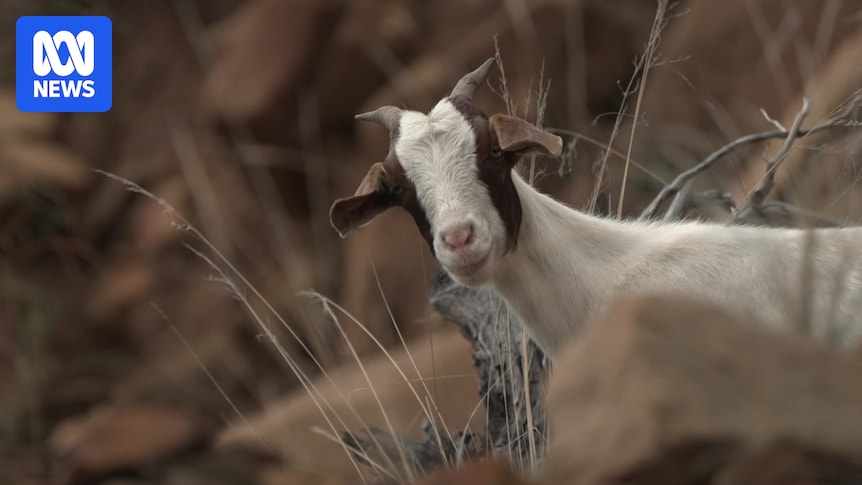
Amid some of the driest conditions in its history, Quondong Station’s valuable water and feed are sustaining not only its own livestock, but “tens of thousands” of feral goats.
Already in 2026, the station — in South Australia’s far east — has culled about 5,000 goats; 410 of which went to Monarto Safari Park as feed for lions.
Through a partnership with the South Australian Arid Lands Landscape Board, pests such as feral goats can be supplied to Zoos SA for animal feed.
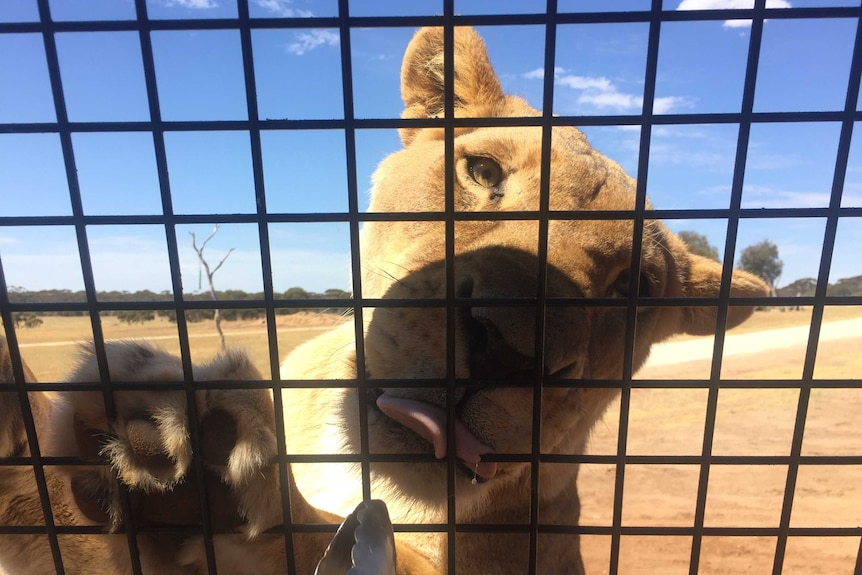
Lions, like this one at Monarto Safari Park, get a taste of feral goats from places like Quandong Station. (ABC News: Sarah Hancock)
While Quondong Station owner MaryLou Bishop said it was a “lovely initiative”, it had little effect on goat numbers.
The goats pose a serious threat to the 147,710-hectare station, which produces merino wool.
“We carry way, way more goats than we carry sheep,” Ms Bishop said.
“To up our flock, we’ve got to be able to give them feed, and to give them feed, we’ve got to get rid of the goats.
“Not only do they eat the ground cover, but they also lift their heads — which merinos do not do — to eat the trees.”
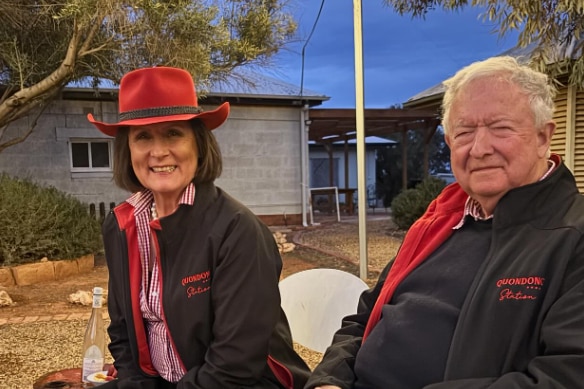
MaryLou Bishop and her husband Joe Verco, who purchased the station in 2003. (Supplied: Quondong Station)
The goats are hurting the land, too.
“When you start looking at the carrying capacity of that fragile land out there, the goats are a serious, serious problem,” Ms Bishop said.
Goats have been on the station since Ms Bishop’s husband, Joe, purchased it in 2003.
But the population has gotten “out of control” in recent years.
“Maybe it’s to do with the fact that the price of goat meat dropped and it just wasn’t worth the cost of mustering them,” Ms Bishop said.
“At one stage, probably around 18 months ago, we got $1,500 for a truckload of goats.”
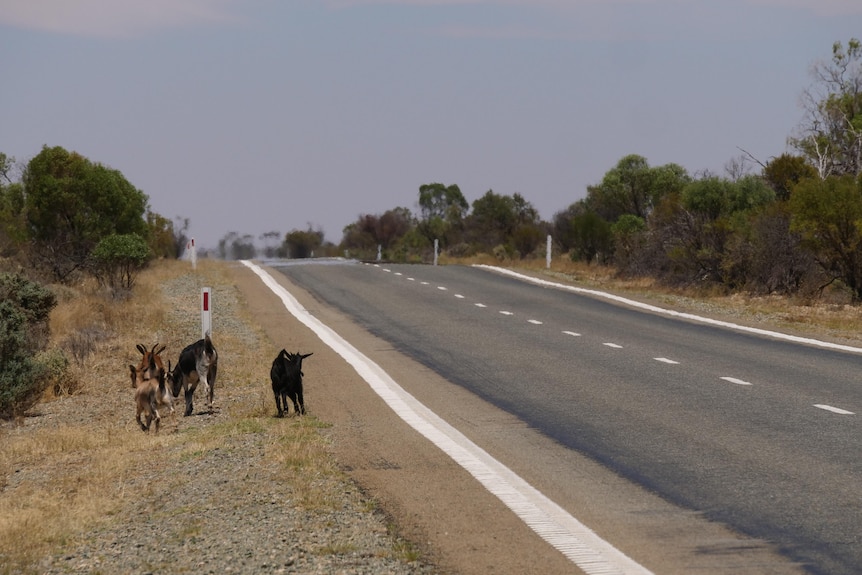
Parts of South Australia have become overrun by feral goats. (ABC Rural: Isabella Kelly )
That money is shared with the professionals hired to round up the animals, a costly process for the station.
“You’ve got the guys on the motorbikes, and you’ve got the fuel that they’re using. You’ve got trucks that truck the goats back from the water yards where they’re caught into a holding paddock … You’ve got to accommodate the mustering teams,” Ms Bishop said.
“Is it worth the effort at that stage? Probably not.”
But for Quondong Station, removing the goats is not about income.
“We need to reinvigorate our land, improve our land, try and get it back to what it should be because you can see the devastation of goats all over the world,” Ms Bishop said.
A $106m pig problem
Goats are not the only feral animal posing problems: feral pigs, recorded in parts of the northern Flinders Ranges for the first time in 2024, are spreading around the state.
Jodie Gregg-Smith, the general manager of the SA Arid Lands Landscape Board, which looks after more than half of SA, said the board had been noticing “a gradual increase” in pig numbers.
Annually, Ms Gregg-Smith said feral pigs were having a $106-million impact on the agriculture sector.
“The increased resilience of pigs has meant that those numbers continue to increase, despite the integrated approach that we’re applying,” Ms Gregg-Smith said.
“They’re able to breed in hardier conditions than they ever have before.
“They have big litters, usually of around 13 piglets, and they can have multiple litters in a year.”
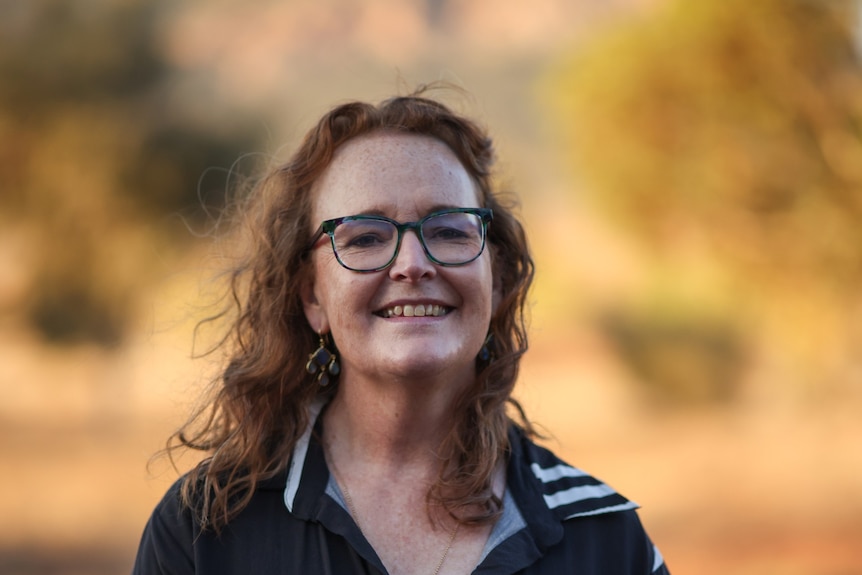
Jodie Gregg-Smith is the general manager of SA Arid Lands Landscape Board. (Supplied: Landscape SA)
Dry conditions mean the animals have been “making the best of man-made water points”.
“A lot of our pastoralists have noticed them wallowing in their troughs where their stock is supposed to be feeding,” Ms Gregg-Smith said.
“They’re an omnivore … They prey on lambs and vulnerable livestock.
“They damage the environment immensely.”
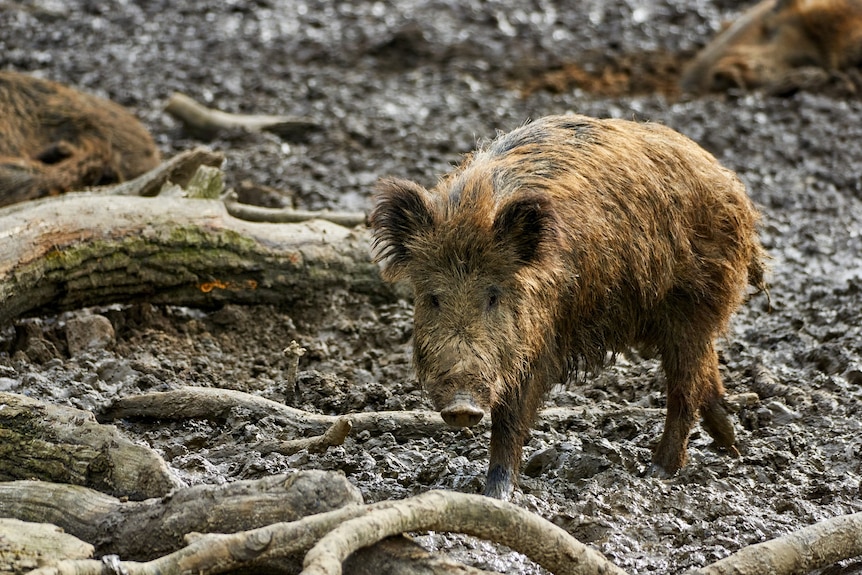
Feral pigs were introduced to Australia by early settlers and now inhabit almost half of Australia. (Supplied: Dr Christopher O’Bryan)
It is not just landholders spotting the pigs.
“These animals are turning up in townships like Hawker and Quorn from goodness knows where. Coober Pedy even had feral pigs wandering in and out at a point,” Ms Gregg-Smith said.
“They are getting hardier. Just like goats are, just like camels are, just like other large feral herbivores are.”Invasion of deer
Feral deer are one of the state’s “most pervasive pests”, according to Invasive Species Council’s senior advocate James Johnston.
“Not only do they threaten our environment and damage our precious habitats, but they cost farmers millions of dollars in lost production,” Mr Johnston said.
“There’s a lot of infrastructure damage to that too, damage to fencing and roads, and a big safety risk as people can hit them on the roads.”
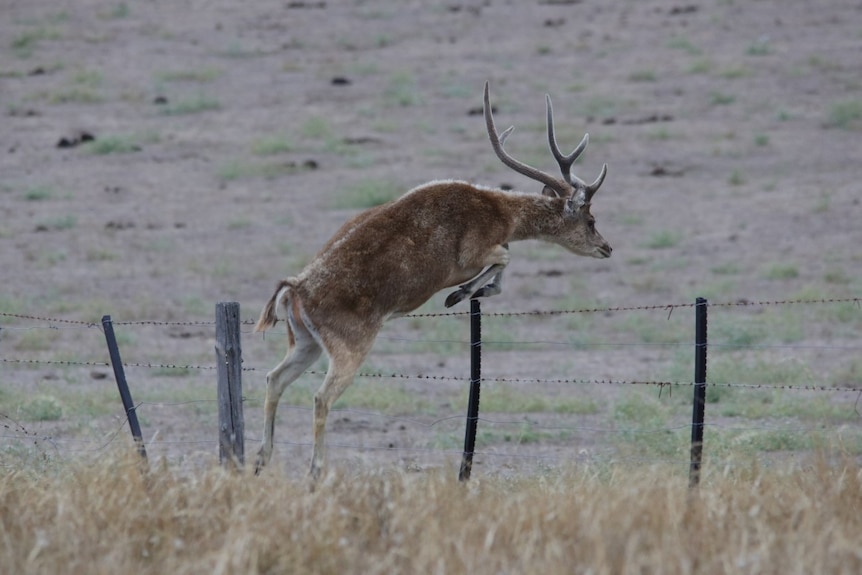
A feral deer jumps a fence on a property in south east SA. (Supplied: Limestone Coast Landscape Board)
The 2022-2032 SA Feral Deer Eradication Program started when there were an estimated 40,000 deer in SA, which has since been culled by more than 28,000.
Most of the deer are in the state’s south-east, but they are also in the Adelaide Hills and foothills, where about 3,000 are believed to be roaming.
“Deer do really well no matter what circumstance they are in, and their populations bounce back no matter what pressure they’re under,” Mr Johnston said.