
Conflict in the Middle East always reverberates around the world, and the war in Iran has already begun to hit Australians’ hip pockets.
Global oil markets are in disarray and the immediate problem for the Albanese government is managing disruptions in supply and distribution that have left some regional areas scrambling for fuel.
Iran war live updates: For the latest news on the Middle East crisis, read our blog.
But the bigger risk lies further down the economic chain.
Higher oil prices threaten to feed directly into inflation, complicating the Reserve Bank’s delicate balancing act and potentially pushing interest rates higher again.
That combination would amplify the existing cost-of-living challenges Labor is already grappling with ahead of the next federal budget.
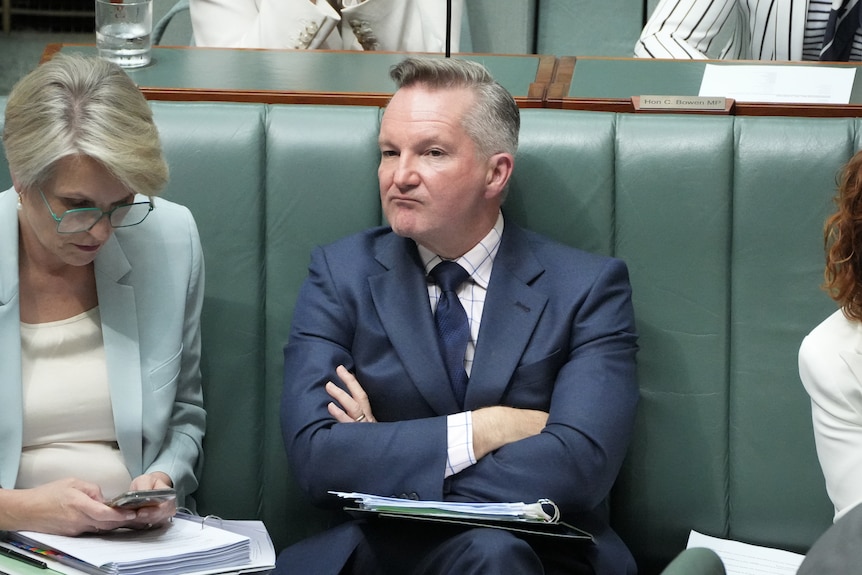
Energy Minister Chris Bowen has emphasised that the current situation is being driven by demand rather than an overall fuel shortage in Australia. (ABC News: Matt Roberts)
Extra levers available if necessary
The government moved on Friday to unlock 20 per cent of the country’s oil reserves to ease choke points in the supply chain that have left some regional areas without fuel.
Energy Minister Chris Bowen has been at pains to emphasise the current situation is being driven by demand — including some panic buying — rather than an overall shortage of fuel in Australia.
The rush of customers buying diesel and petrol is part of the picture, but there are also bottlenecks in how fuels are being distributed to the regions.
Australia releases six days’ worth of petrol from emergency stockpile
And real shortages or not, the fact remains there are Australians right now unable to buy fuel from their local suppliers or petrol stations, and that’s a problem for the government politically.
The decision to release up to 762 million litres of diesel and petrol into the domestic market, specifically for the regional areas, goes some way to help.
It also counts toward Australia’s contribution to global oil supplies as requested by the International Energy Agency (IEA).
The IEA is hoping the voluntary contributions of its signatories — Japan, the US and New Zealand are among those releasing more supply — will calm the oil market, but that’s far from guaranteed.
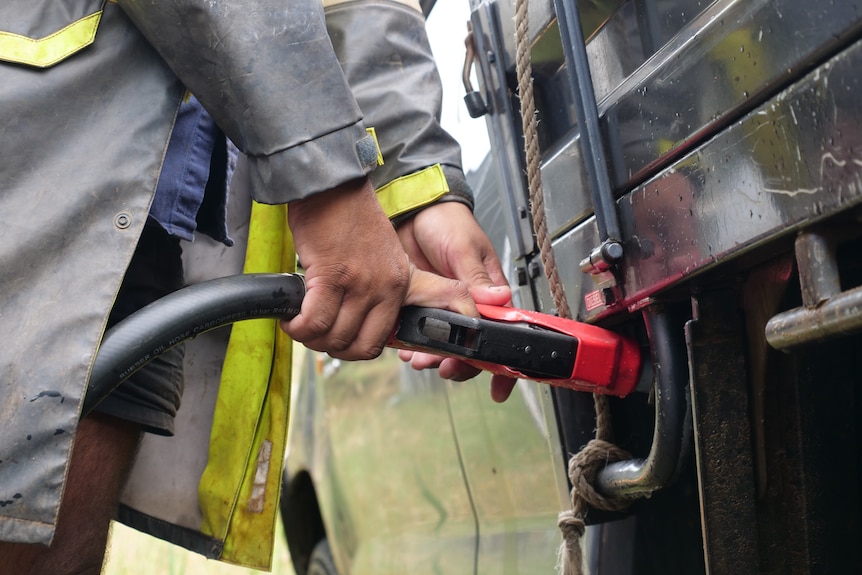
Australia will make available about six days’ worth of petrol from its emergency stockpile and five days of diesel. (ABC News: Charles Rushforth)
Chief among the complicating factors is simply the unknown length of the conflict in the Middle East.
US President Donald Trump has made an art of clutching rhetorical victory variously from the jaws of defeat, backdown or stalemate.
But in the case of the Iran war there is a high chance ongoing regional instability will disrupt oil markets long after Trump attempts to claim his version of mission accomplished.
How are rising fuel costs or supply issues affecting you or your business?
Share your insights to help inform our journalism.
To account for this the government must be prepared to use the variety of levers available to Bowen if the situation worsens.
He could declare a national liquid fuel emergency and unlock powers to direct production, sales and implement rationing — something he is not currently contemplating.
For now, the government is relying on messaging to Australians that there is enough fuel for their needs.
But as anyone who tried to obtain a roll of toilet paper in March of 2020 can attest, such reassurances have historically failed to dissuade nervous consumers from a spot of panic buying.
Loading…Oil is not toilet paper
Further adding to the government’s problems, is that unlike the mostly domestic toilet paper manufacturing industry, Australia is almost entirely reliant on overseas markets for oil.
That means not just supply risks, but volatile prices.
Treasury’s own modelling handed to cabinet this week suggests ongoing high global oil prices would add as much as one per cent to headline inflation.
Markets have responded to that risk by pricing in a more than 70 per cent chance of two back-to-back cash rate hikes — one when the Reserve Bank of Australia (RBA) meets this Tuesday and another in May.
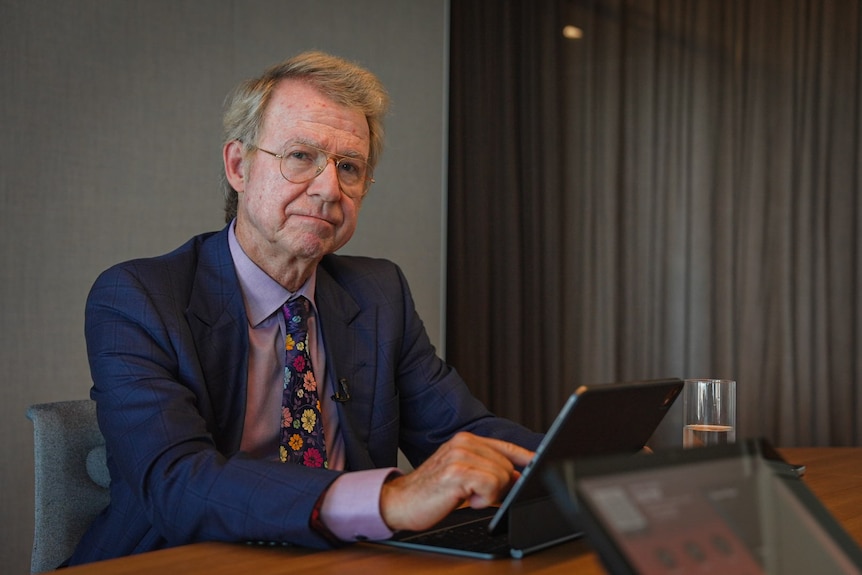
AMP chief economist Shane Oliver says the RBA would in normal times “look through” war-induced higher petrol prices. (ABC News: Daniel Irvine)
AMP chief economist Shane Oliver told this column the RBA would in normal times “look through” war-induced higher petrol prices, but with inflation already outside the central bank’s target band that is more difficult.
He’s hopeful they will hold this week given the possibility of some end to the war and a return to lower oil prices, but concedes it’s a “really difficult balancing act”.
There’s also scope for the government to step up and do more to ease pressure on interest rates.
“This is the time to be tough and cut back government spending,” Oliver says.
Based on the private accounts of multiple ministers who have fronted the Expenditure Review Committee (ERC) to pitch their policy ideas for the upcoming May federal budget.
Described by one minister as “more tough than I’ve experienced in the past,” the ERC was proving far more reluctant to crack out the cheque book even before the outbreak of war.
With the added pressure of higher-than-expected inflation, Treasurer Jim Chalmers has even more cover to reject his colleagues’ wish lists and pursue the productivity boosting measures and tax reforms economists have been crying out for.
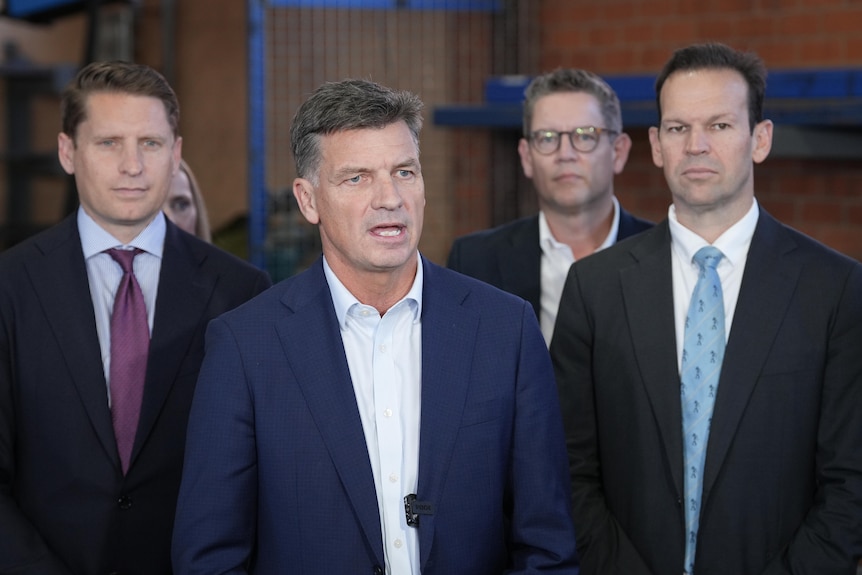
The fuel situation is the kind of crisis that perversely presents an opportunity the Coalition would be unwise to waste. (ABC News: Matt Roberts)
An opportunity for the opposition
There is opportunity too for the opposition to use whatever economic situation is left in the wake of the immediate Iran conflict to construct its own much-needed compelling alternative.
Liberal leader Angus Taylor, Shadow Treasurer Tim Wilson and Nationals leader Matt Canavan are all new to their roles and at this stage seem aware of the stakes.
Loading
They either construct an innovative and convincing economic platform to launch what Canavan this week described as a “fight back”, or consign the Coalition to electoral oblivion for another generation.
The fuel situation and ensuing inflation risk is the kind of crisis that perversely presents an opportunity it would be unwise to waste.
If the instability in the Middle East keeps energy markets volatile, the economic and political consequences will extend far beyond the petrol pump.
There are myriad human, societal and ethical costs to war, but for many Australians it’s the hit to the wallet that will likely be the most keenly felt immediate impact.
Loading…