
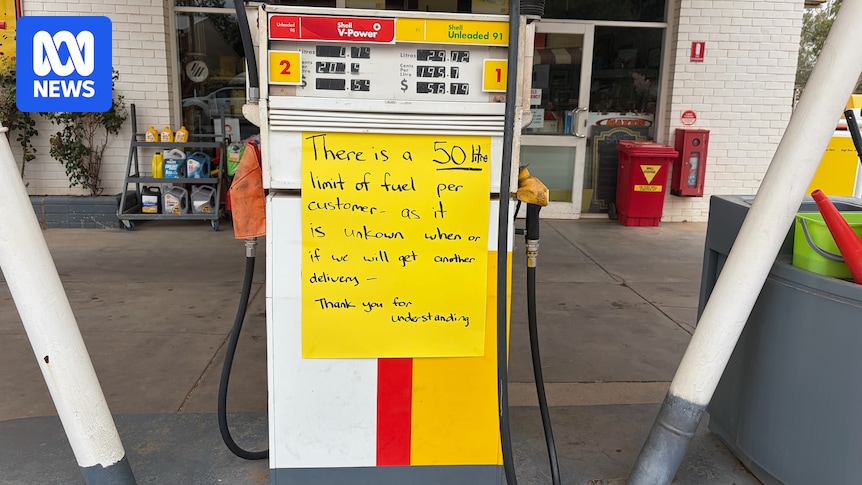
Western Australia is a long way from Iran, but the fallout from the war in the Middle East is beginning to have a tangible impact.
Iran’s blockade of the Strait of Hormuz has choked about a fifth of the world’s oil supply, and fears of fuel shortages have led to panic buying across the globe.
Iran war live updates: For the latest news on the Middle East crisis, read our blog.
A state as vast as WA, with huge distances between towns and an economy driven by a diesel-hungry mining sector, cannot function without fuel.
Supply shortages and price rises are already hitting home.
Here’s what you need to know.
Pain at the pump
Motorists in Perth told the ABC they were starting to feel the pinch of higher petrol prices.
According to FuelWatch, average unleaded prices in the state capital have risen about 70 cents a litre in less than a month, from $1.56 on February 17 to just under $2.26 on Friday.
Social worker Heather Graham said she and her husband were sharing one car to cut costs.
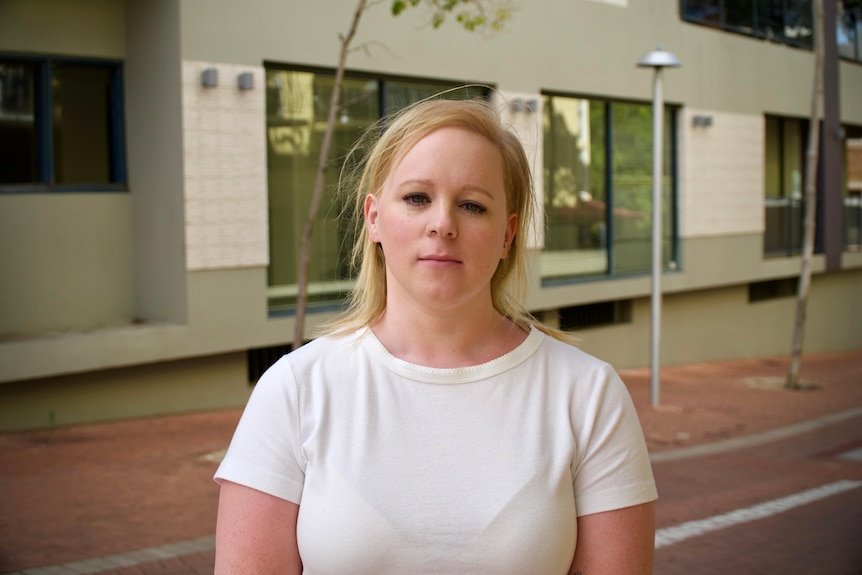
Heather Graham says she and her husband are sharing a car to limit their fuel expenditure. (ABC News: Jasmine Hughes)
“I drop him off at work and work my shift, so I can then go and pick him up,” she said.
“We try to work it so we are not having to rely on two cars.”
Glenys Sorensen has postponed an upcoming holiday to the South West because she is worried prices will keep rising.
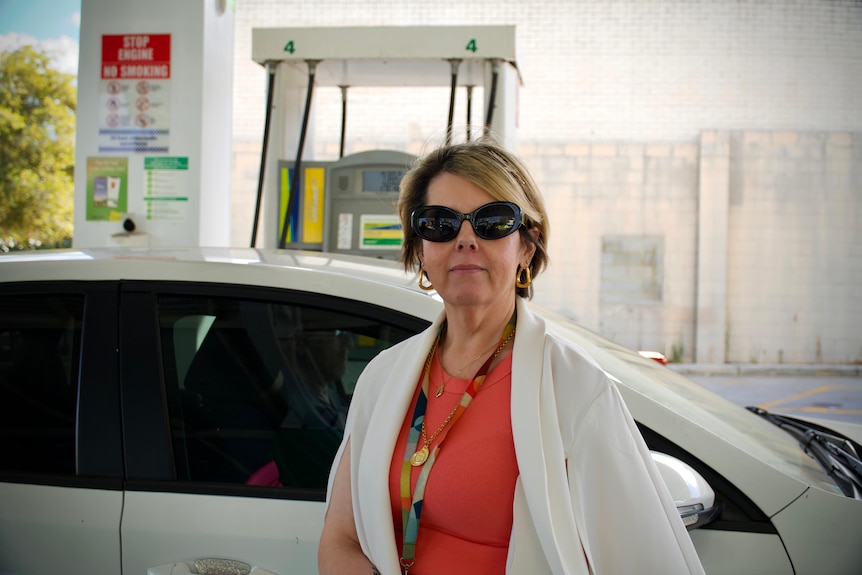
Glenys Sorenson says she will postpone her holiday because of petrol price uncertainty. (ABC News: Jasmine Hughes)
“We were planning to go down south, but we probably won’t now because of the hike,” she said.
“We’ll just put it on the back burner for a while and see what happens.”
Mining uncertainty
WA’s resources sector, which is heavily dependent on diesel fuel, is bracing for higher oil prices.
Mines generally carry stockpiles of diesel for emergencies such as flooding, but every site is different, and amounts vary.
Most of WA’s major gold miners have told the ABC operations are yet to be affected, with AngloGold Ashanti saying it is “business as usual” so far, though that could change if the war drags on.
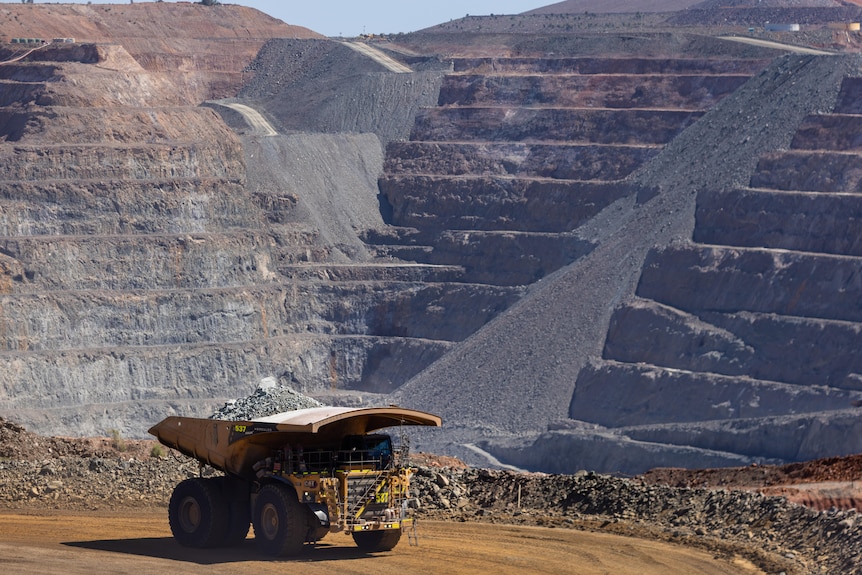
Super Pit operator Northern Star has downgraded its production forecasts. (ABC News: Jarrod Lucas)
On Friday, Australia’s biggest gold miner, Northern Star Resources, downgraded its production forecasts for the second time since January, blaming ongoing operational challenges at Kalgoorlie’s Super Pit.
In response to questions about the factors affecting the company’s production costs, managing director Stuart Tonkin admitted there was uncertainty about diesel costs.
“What we don’t know, going forward, is the impacts around oil. We do know that it has impacts, and so we look at the sensitivities to it,” he said.
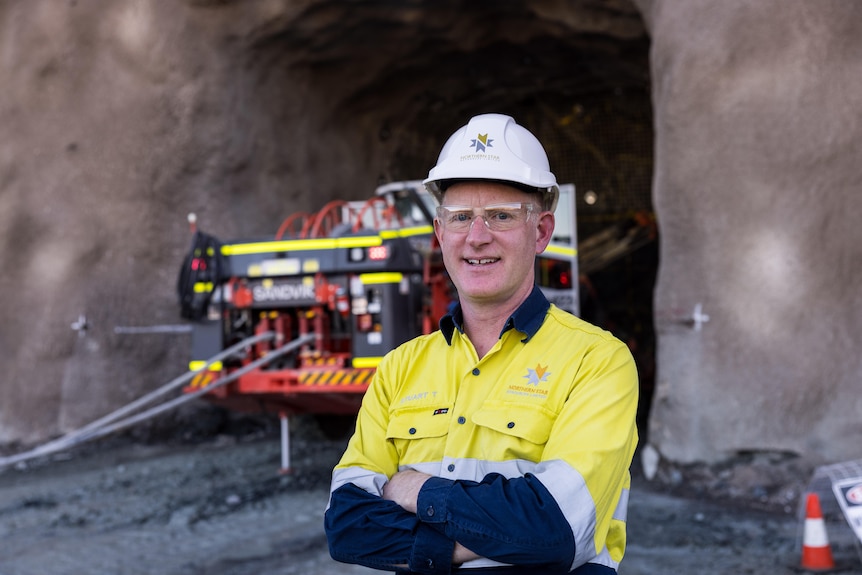
Stuart Tonkin says there is a lot of uncertainty about diesel prices. (ABC Goldfields: Jarrod Lucas)
Gold miner Ramelius Resources has tried to shield itself from potential volatility by locking in diesel prices via forward sales contracts, a practice known as hedging.
As of December 31, Ramelius had hedged a total of 3.9 million litres of diesel at an average price of 78 cents a litre until March 2027.
LoadingFarmers nervous
Latham canola farmer Dylan Hirsch said he had stopped his seeding program until more fuel supplies could be secured and had asked staff to take leave.
He has got about a third of the 60,000 litres of diesel he needs for seeding at his Mid West property and does not know when he will get more.
Expert analysis on the Middle East:
“Normally we’d be deep ripping now, but we are pulling up, and we’ll be reserving that 20,000 litres for [beginning] seeding as a risk management strategy,” Mr Hirsch said.
He is not alone — farmers across the state are scaling back or stopping their pre-seeding work programs due to concerns about fuel availability.
Grain exporter John Orr said costs had increased by $16 a tonne in a fortnight, which meant his business would make a loss honouring existing sales contracts.
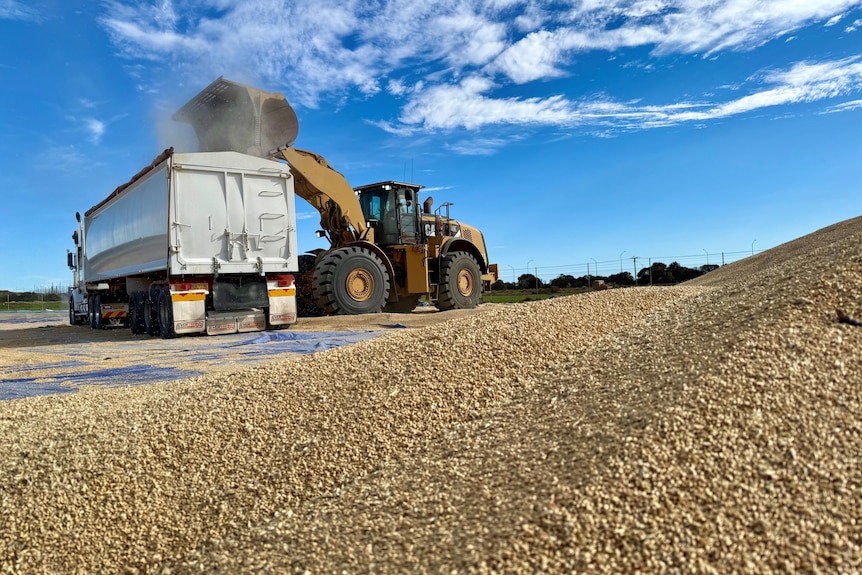
Grain exporters say costs are skyrocketing. (ABC News: Jo Prendergast)
“With already thin margins in export businesses, it doesn’t take much of a cost increase to erode those margins, unfortunately,” he said.
Tourists anxious
Australia’s North West Tourism chief executive, Bill Tatchell, said operators received calls from travellers anxious about making plans.
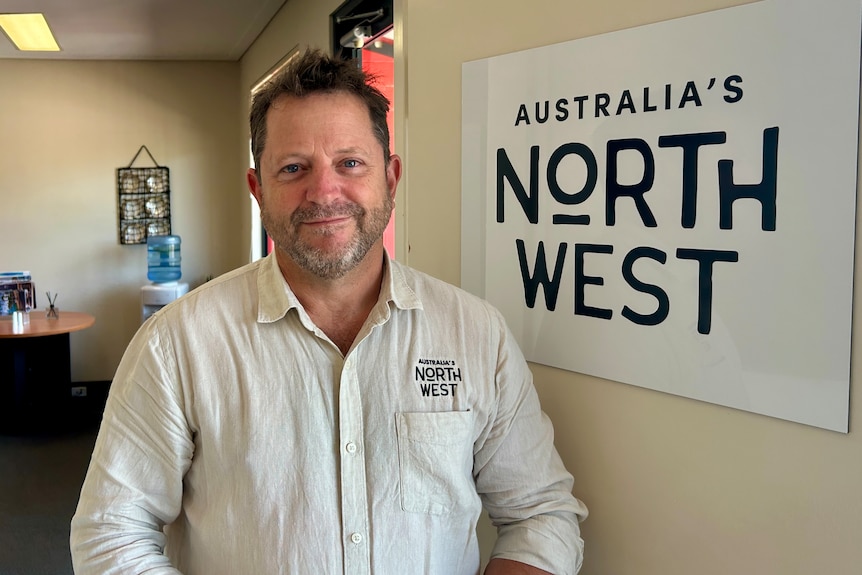
Bill Tatchell says travellers are expressing hesitation about holiday plans. (ABC News: Ruby Littler)
“What we’re hearing and what people are inquiring is not so much about the cost of fuel, but whether they are going to be able to get fuel,” he said.
“But at this point we’re not seeing cancellations.”
Exmouth tour operator James Small said he had received numerous calls from clients worried about the impact of fuel security on their holiday bookings.
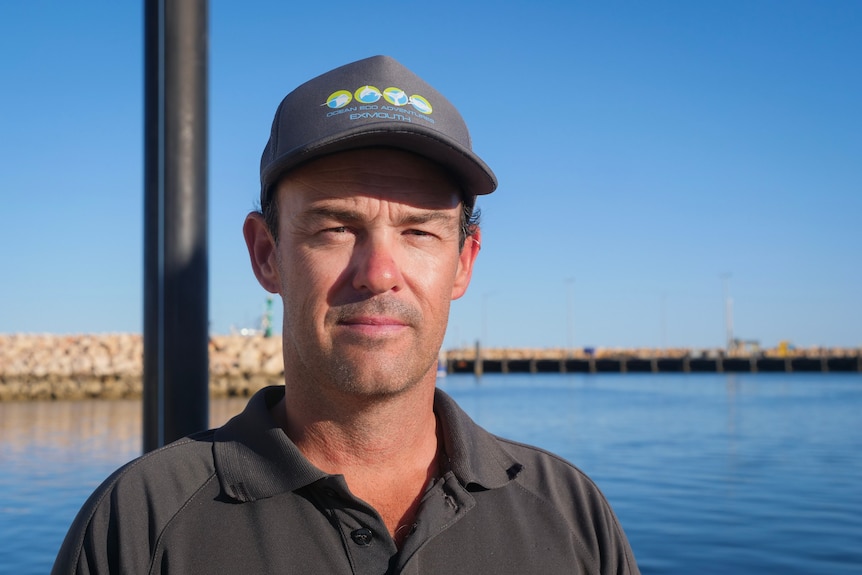
James Small is the owner of Ocean Eco Adventures in Exmouth. (ABC News: Alistair Bates)
The remote town is entering its peak tourist period as whale sharks start arriving at Ningaloo Reef.
Mr Small said his business used about 20,000 litres of diesel on its snorkelling tours each year and recently added an electric boat to its fleet, which has made it more self-sufficient.
“There’s going to be an impact, definitely, but I don’t think it’s going to be a massive one. We’ve dealt with high fuel prices before,” he said.
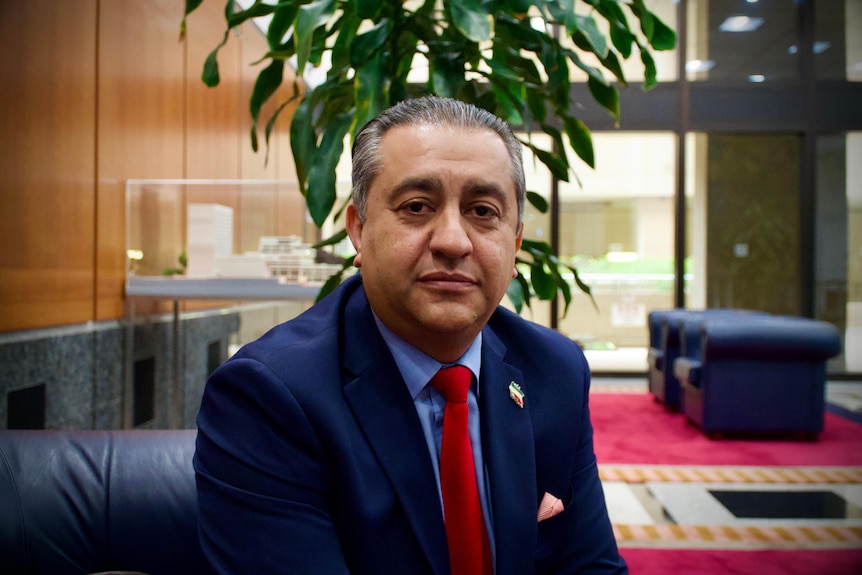
Yashar Bahmani says it is a worrying time for Iranian Australians, but many are hoping the war will lead to positive change. (ABC News: Jasmine Hughes)
Iranian community hopeful
Iranian Australian lawyer Yashar Bahmani said it was a difficult time for the Iranian community in WA.
“Over here, it goes without saying that you worry,” he said.
“The fact that there’s very little communication doesn’t help things.
“My wife hasn’t spoken to her family for a while, and she’s worried, naturally.”
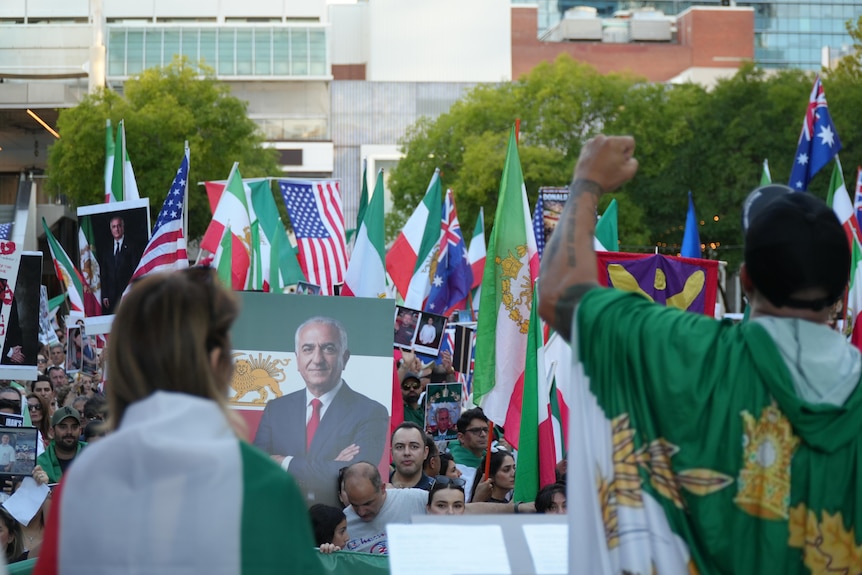
Protesters rallied in Perth last month in support of regime change in Iran. (ABC News: Mya Kordic)
But Mr Bahmani said the community supported the US-Israeli attempt to end the “murderous regime”.
“It’s a regime that’s holding a population hostage,” he said.
“No power, no voice, no form of resistance.
“We want the whole regime gone … and I don’t think Iranians will be settling for anything less.”
Iranian Australian architect Shiva Ghaderi agreed.
“We don’t look on this situation as a war — we call this a rescue,” she said.
Loading…