
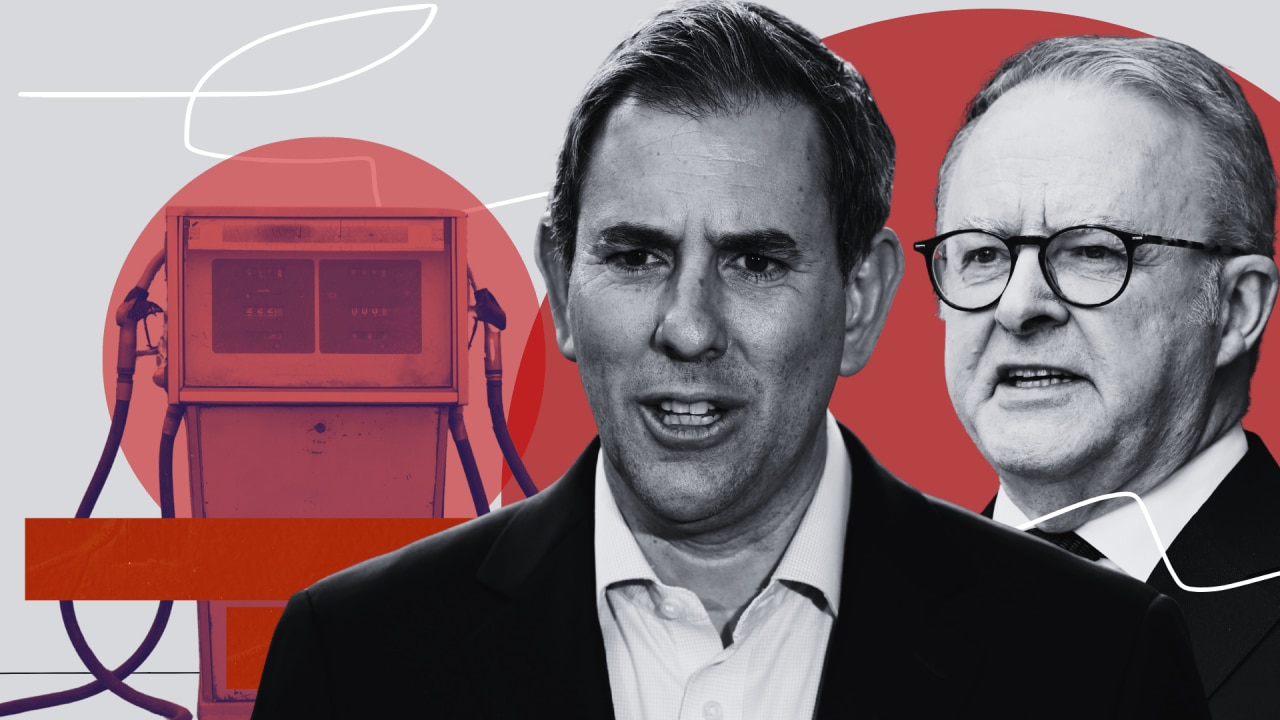
The Albanese government has been accused of sending mixed messages about fuel scarcity, amid concerns Australia’s fuel supply could run dry.
According to the latest petroleum statistics, Australia has 29 days of petrol consumption cover, with the Middle East conflict threatening supply chains.
Treasurer Jim Chalmers told Sky News Sunday Agenda he did not expect Australia to run out of petrol, but could not rule out such a possibility.
“We have really more than enough fuel as it stands right now. We’ve got big stockpiles of fuel, whether it’s petrol or diesel or jet fuel,” Mr Chalmers said.
Australia had just 29 days of automotive gasoline cover, 26 days of diesel cover and 19 days of jet fuel cover, as of January 2026.
“We work around the clock to make sure that Australia doesn’t run out. We’re certainly not expecting that we will,” Mr Chalmers said.
Asked if petrol prices could exceed $3 per litre, Mr Chalmers said modelling did not predict prices would reach that high, but he did not rule out the possibility.
“We don’t have a model that has petrol prices going that high, but there’s a lot of volatility and a lot unpredictability in the global oil market,” he said.
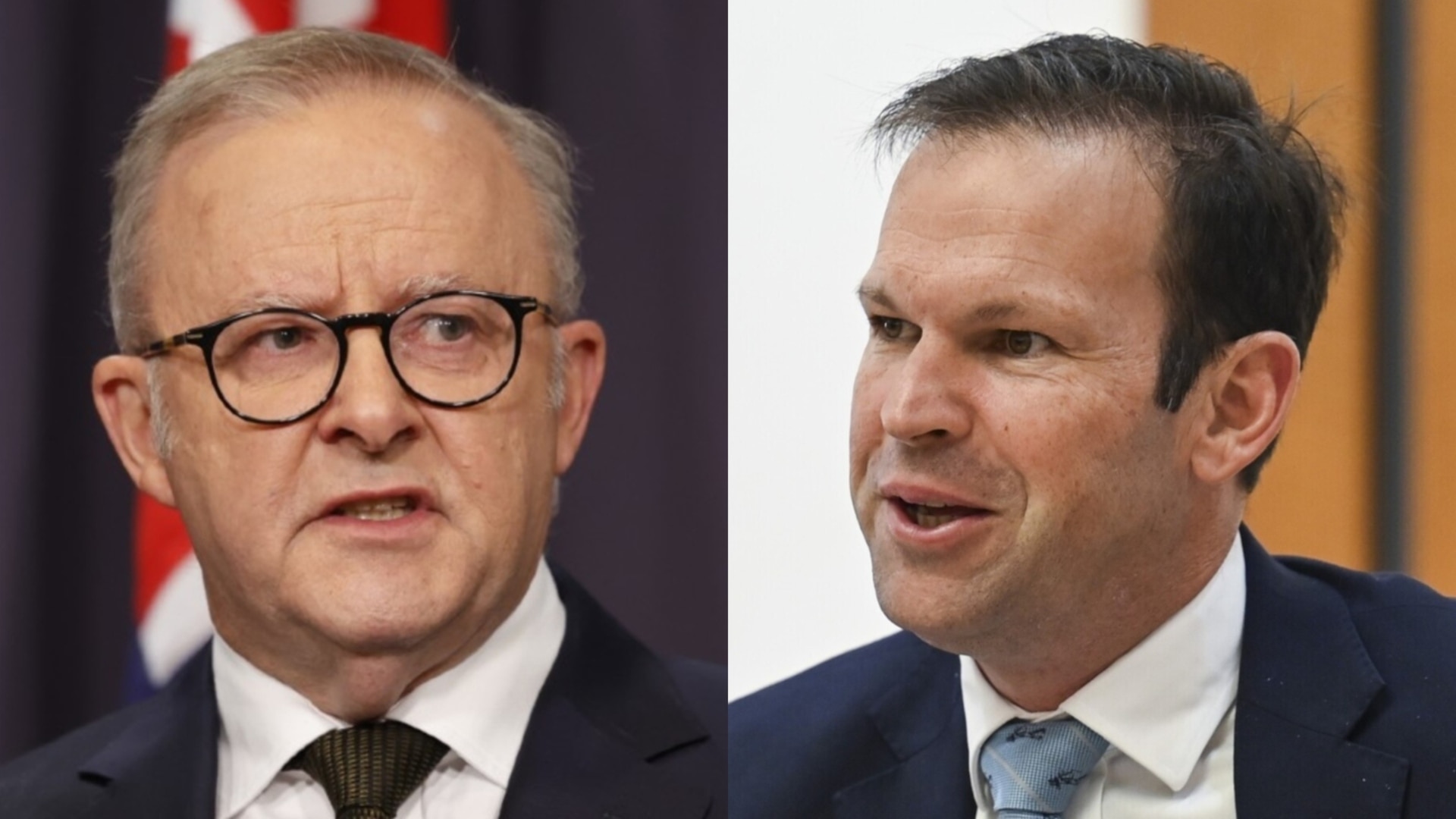
In response, Nationals leader Matt Canavan said the Albanese government had sent mixed messages about fuel supply and whether there was a national crisis.
“Well, look, the first thing that would be good is to have a consistent message on this issue,” he said.
“When you all would have been watching footy on Sunday afternoon last week, the government was saying there wasn’t a supply crisis.
“By Friday night footy this week, the government said there is a national crisis. These mixed messages are what’s causing people to lose confidence in the government.”
Mr Canavan said the conflicting statements risked fuelling uncertainty and panic buying.
“It unfortunately has led to some people unjustifiably panic buying and making the situation worse,” he said.
“But the government has to provide confidence and assurance to people that they’ve got this in hand.”
Mr Canavan argued that even if national fuel volumes were technically adequate, businesses and farmers in regional areas were encountering local shortages.
“They tell us, and I think this does seem to be true, that there’s enough volume of fuel in Australia right now,” he said.
“But that’s a small mercy for those people, particularly our farmers … when they go to the petrol station or they call their contractor and there’s no fuel available.
“There may not be (a crisis) across the entire country, but there has to be solutions for Texas in Queensland, for Deniliquin in New South Wales. All these places need petrol.”
The Albanese government has introduced a series of measures aimed at easing pressure in the fuel market, including temporarily relaxing fuel standards.
The government also released up to 20 per cent of the baseline Minimum Stockholding Obligation for petrol and diesel.
The move allows the release of up to 762 million litres of petrol and diesel from Australia’s domestic reserves.
Mr Canavan said that a potential cut to the fuel excise should be considered to counter rising fuel prices, but warned about knock-on effect of doing so.
“I think that has to be very carefully considered and when I say that I mean the whole impacts of that,” he said.
“When you cut the fuel excise there is an implication for the diesel fuel rebate which our trucking fleet relies on.
“Obviously we can’t do anything right now which would make life harder for our truck driving industry.”
Mr Canavan said the government should focus on actively managing distribution rather than simply reassuring the public.