
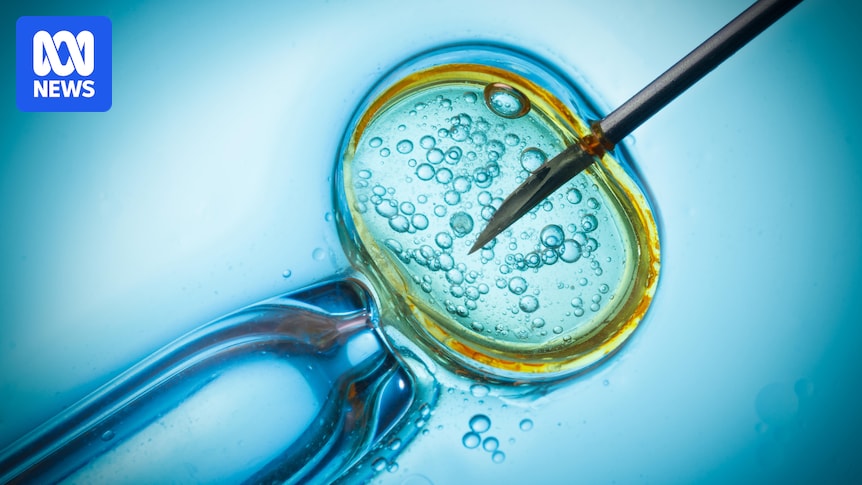
Fertility experts warn further life-changing historical errors could be discovered in Australia’s IVF industry, as DNA testing becomes more widespread and accessible.
It comes after the ABC revealed a historical embryo mix-up at Royal North Shore Hospital in 1995, which led to a woman giving birth to twins who were not biologically related to her.
The mistake was only discovered after one of the twins, Sasha Szafranski, submitted her DNA to online genealogy website Ancestry.com three decades later.
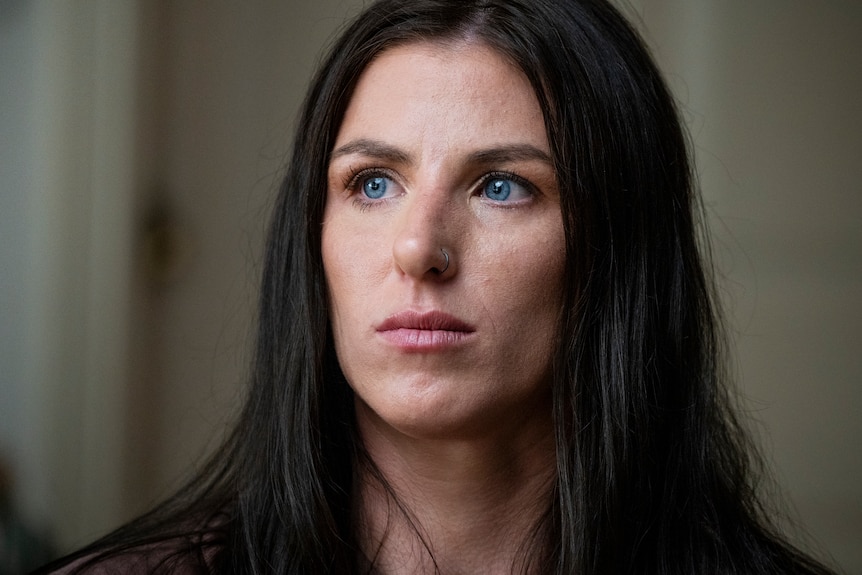
Sasha Szafranski discovered her mother was not biologically related to her due to an IVF mix-up, 30 years after her birth. (ABC News: Danielle Bonica)
Former embryologist and patient advocate Lucy Lines said while she was saddened by the revelations on Tuesday of another IVF mix-up, she was not surprised.
Ms Lines said the increasing availability of DNA testing could see more IVF mistakes discovered in the future.
“We are going to uncover more and more situations where people don’t have the parentage that they thought they did,” she said.
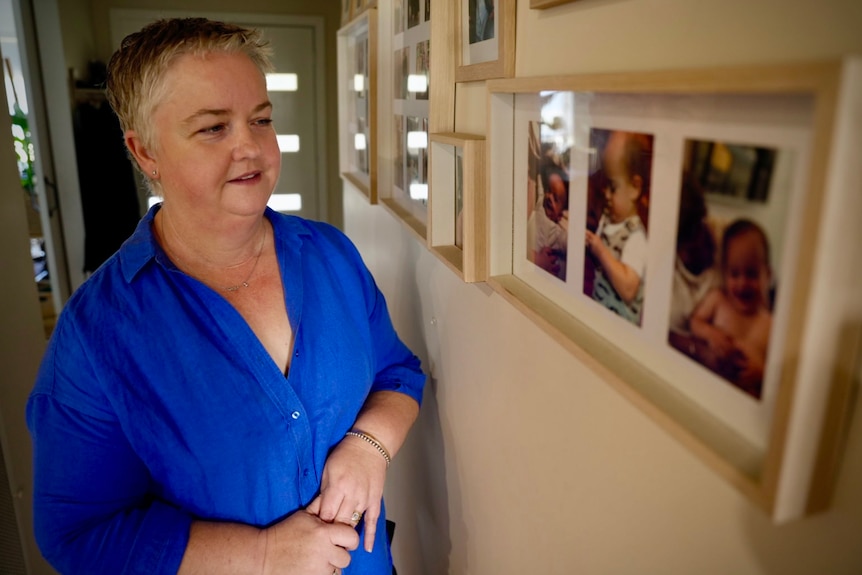
Lucy Lines helps people navigate the IVF industry as an advocate. (ABC News: Stephen Opie)
She said that all people who underwent IVF deserved transparency, but warned those seeking to confirm their genealogy with DNA testing should do so after careful consideration.
“You need to really deeply consider what information you might want, and what the impact of having that information might be on your current life,” she said.IVF industry undergoes rapid change in 30 years
Ms Lines stressed that things had changed significantly in the IVF industry for the better since 1995, when the Royal North Shore Hospital mix-up is alleged to have occurred.
She said the industry had progressed so much in three decades that there may not be any practicable lessons to be gained from the mistake.
“What happened in an IVF clinic in 1995, there were probably handwritten notes; it was probably then transcribed onto a computer, so there’s a risk for error there,” she said.
“There are a lot of points at which things could be translated incorrectly.”
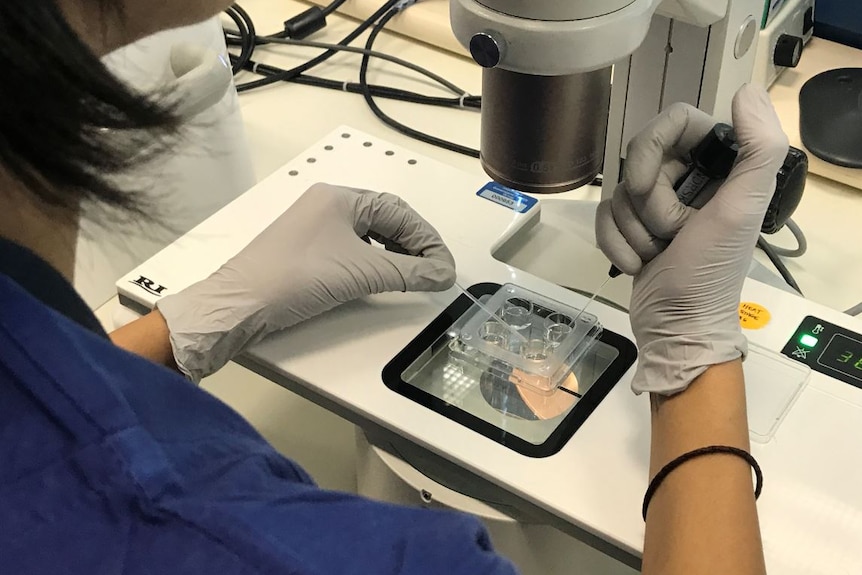
Lucy Lines says processes in the IVF industry have improved over the past 30 years. (ABC News: Jessica van Vonderen)
Women’s health researcher and former clinical IVF nurse Karin Hammarberg said technology had transformed the IVF process since the 1990s, when things were far more low-tech.
“In the earlier days we probably were handwriting little labels and putting them on dishes,” she said.
“There was less of that kind of technological ability to keep track of what belongs to who.”
The families involved in the 1995 mix-up say they have not been offered support by any authorities, something Dr Hammarberg said she found “quite shocking”.
“The only thing we can do at this point is support the people that have been affected,” she said.
“If support hasn’t been extended, I find that quite sad and I think they deserve better.”
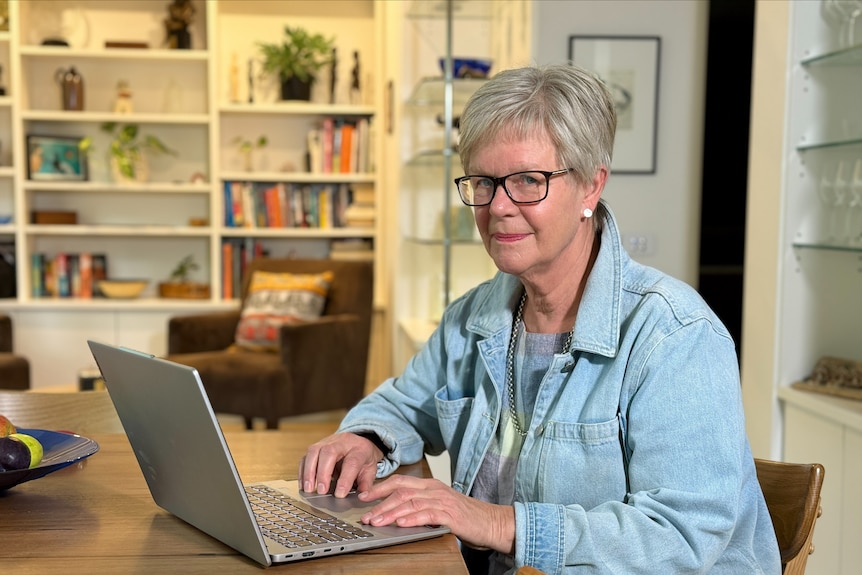
Karin Hammarberg says it may be difficult to find out what really occurred in the IVF laboratory 30 years ago. (ABC News: Darryl Torpy)
When asked about the mix-up, NSW Premier Chris Minns said he was not sure about any “immediate remedies” from the government, but would look into assisting.
“They haven’t reached out to us about a specific way to help, but I’d be open to it,” Mr Minns said.
“If they can get solace from us or from Royal North Shore, then I hope they do.”
Family exploring avenues for compensation
The IVF mix-up at Royal North Shore Hospital was discovered last year, with legal action and an investigation process now underway.
Lawyers acting for one of the families involved in the mix-up provided the ABC with a statement, saying they have been in correspondence with a hospital and IVF clinic on behalf of their clients.
“Our clients are hopeful that a formal apology and compensation can be negotiated without the need for issue of court proceedings,” the statement said.
Litigation expert Danielle Snell said any potential court proceedings would hinge on how the court assesses the damage done to the affected families.
“There is usually an emotional toll, that is obviously what causes psychiatric injury,” Ms Snell said.
“And from a legal perspective, it’s the psychiatric injury that ultimately determines part of the obtaining damages in a court case.”
The discovery of the 1995 IVF mix-up has dramatically impacted the lives of the two families involved. (ABC News: Danielle Bonica)
Sasha Szafranski, one of the twins born from an embryo in the mix-up, said she had dropped out of the litigation because of the stress and hurt it was causing her.
Ms Snell said the litigation process can add to the strain of a life-altering discovery like an IVF mix-up.
“There’s an impact on relationships, on work, on hobbies, on passions,” she said.
“Life as they knew it would never will never be the same again, and that’s where the law must assess how they can compensate for this type of epic error.”Hospital, fertility provider deny responsibility
The families involved in the mix-up have also faced challenges in finding a party to accept responsibility for the mistake.
North Shore ART, the company that Royal North Shore Hospital says provided fertility services in 1995, no longer exists.
In the early 2000s, it was acquired by another company, which was later acquired by IVF giant Virtus Health.
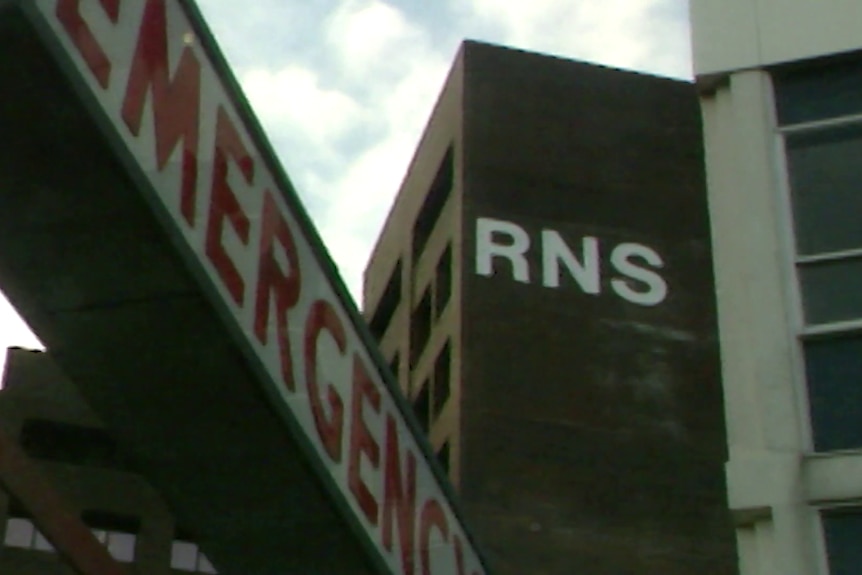
The mix-up is alleged to have occurred at some point in 1995 at Royal North Shore Hospital in Sydney. (ABC News)
It leaves questions about who is now legally responsible for the 1995 IVF mix-up.
“Certainly where the defendant company is no longer in business, the critical issue there is: ‘Is there a legal entity to bring a legal claim against?’ But that’s where investigation needs to be,” Ms Snell said.
“Certainly even if a company is deregistered, there can be avenues upon which you can effectively sue their insurer directly.”
Neither Royal North Shore Hospital, where the IVF procedure was conducted, or Virtus Health, the parent company that acquired the fertility provider, have accepted responsibility for the mix-up.
The mistake at Royal North Shore Hospital in 1995 is the latest in a string of high-profile IVF mix-ups to come to light in recent years.
Last year, Monash IVF revealed a woman unknowingly gave birth to a stranger’s baby after the wrong embryo was transferred in Brisbane, while an ABC investigation revealed an IVF mix-up led to a biracial baby being born to a white couple.
In 2024, a Four Corners investigation found some parents had been given the wrong donor sperm by a major IVF company, leading several mothers to pursue legal action.