
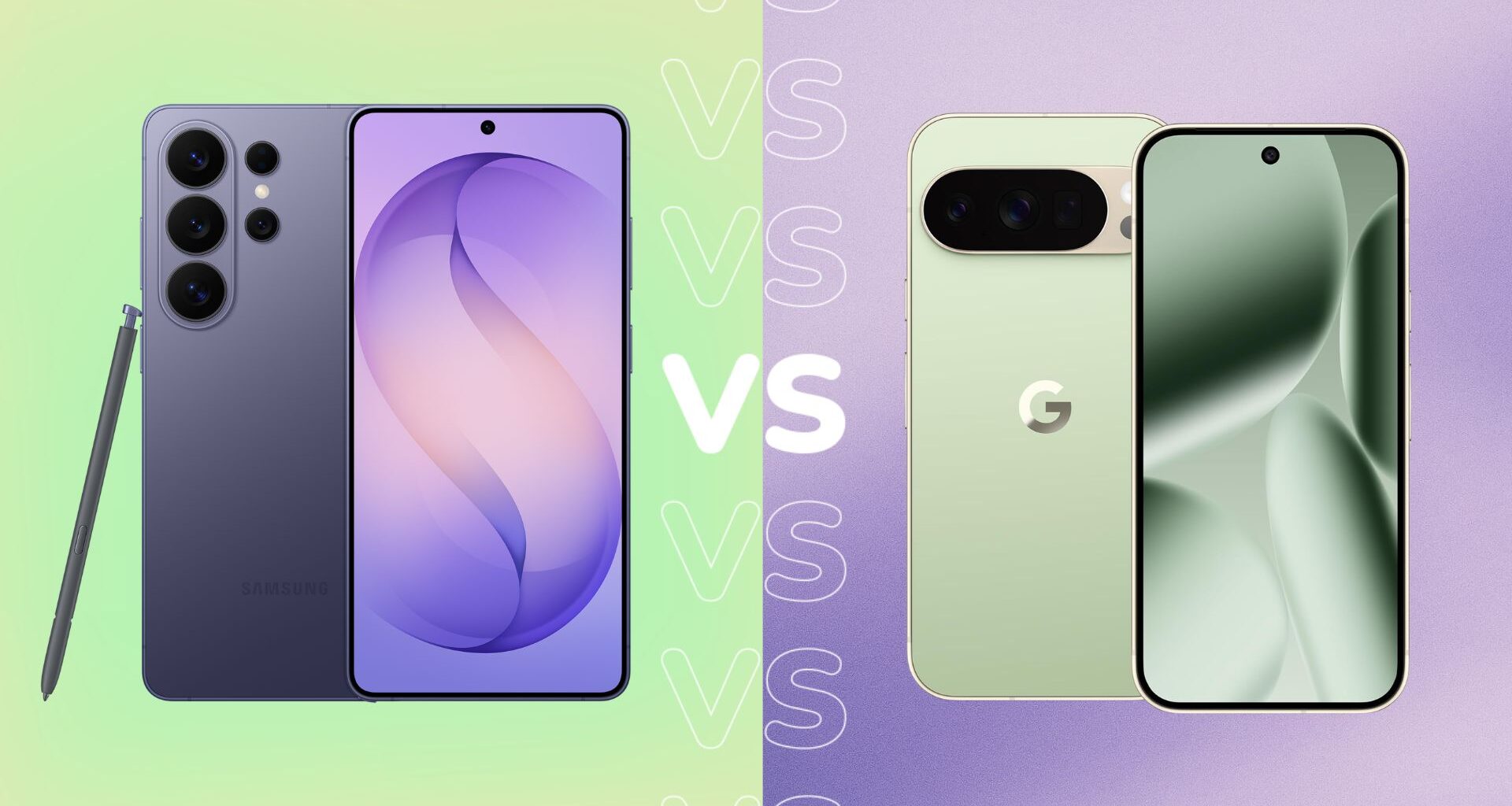
The Samsung Galaxy S26 Ultra and the Google Pixel 10 Pro are two very different takes on a premium Android phone.
Samsung’s offering is the classic all-rounder – a polished, feature-packed flagship with a big screen, an S Pen and a quad-lens camera system refined over the years. The Pixel 10 Pro, meanwhile, is Google’s more compact alternative that leans hard into software smarts and AI, with a camera that’s been the benchmark for Android photography for years.
Neither phone rips up the rulebook, but the Samsung Galaxy S26 Ultra and Google Pixel 10 Pro remain two of the most capable handsets you can buy, and there’s a lot more than size separating the two.
Pricing and availability
The Samsung Galaxy S26 Ultra was revealed in February 2026, and after a brief pre-order period, it’s now available to buy starting at £1,279/$1,299.
SQUIRREL_PLAYLIST_10208275
The Pixel 10 Pro, on the other hand, launched back in August 2025 and comes in at a more palatable £999/$999 – if not cheaper, depending on where you’re looking.
Advertisement
SQUIRREL_PLAYLIST_10207881
Design
Galaxy S26 Ultra is thinner and lighter than last year
Pixel 10 Pro is much more pocketable
The S26 Ultra features a built-in stylus
These two phones couldn’t feel more different in the hand.
The S26 Ultra is a big, bold slab of a phone with a 6.9-inch screen, and while Samsung has made it slightly slimmer (7.9mm, down from 8.2mm) and lighter (214g, down from 218g) than last year’s S25 Ultra, it’s still very much a two-handed phone for most.
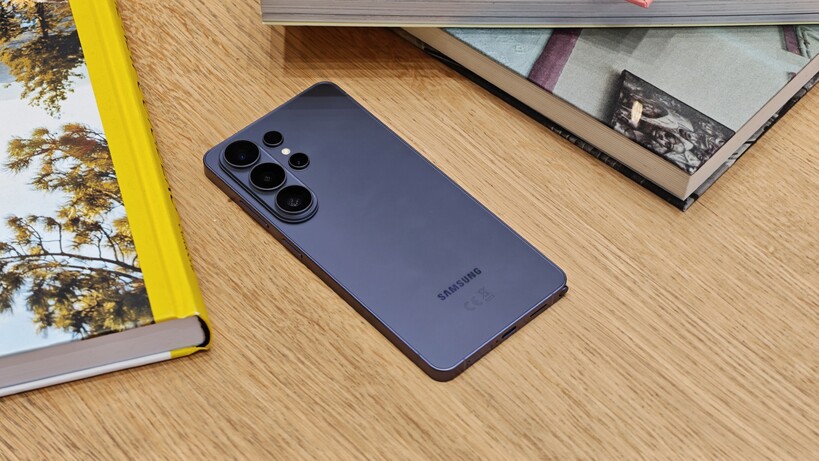 Samsung Galaxy S26 Ultra. Image Credit (Trusted Reviews)
The curvier corners bring it more in line with the rest of the Galaxy S26 range, and Samsung has swapped the premium titanium frame of the S25 Ultra for Armour Aluminium – a change that makes sense, since aluminium handles heat better and helps prevent the throttling titanium can cause. It comes in some nice colours too, including Cobalt, Violet and Sky Blue.
Advertisement
The Pixel 10 Pro is a noticeably smaller, more manageable 6.3-inch phone – something becoming rarer in a world filled with big-screen slabs. It looks almost identical to the Pixel 9 Pro – same polished sides, frosted back and uniform bezels – but the slightly rounded edges make it comfortable to hold in a way the larger XL model isn’t.
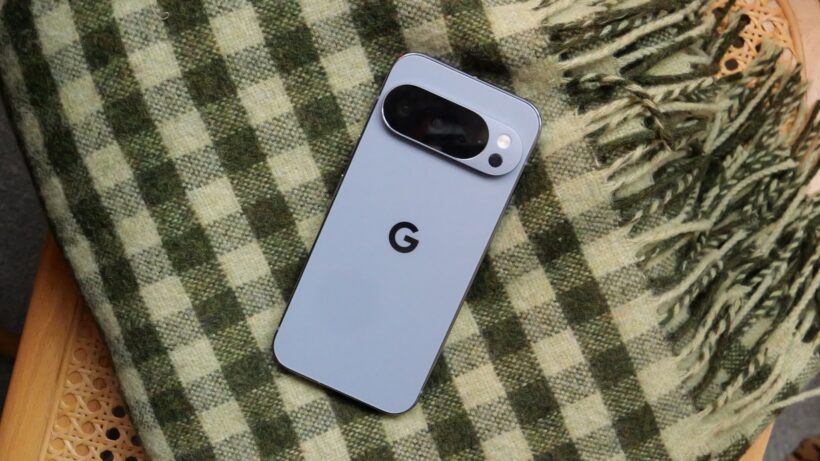 Google Pixel 10 Pro. Image Credit (Trusted Reviews)
The S26 Ultra also comes with the S Pen, though the redesigned stylus now has a slightly curved top to match the phone’s rounder corners, meaning you have to insert it a specific way for it to sit flush. A minor annoyance, but worth noting.
Screen
S26 Ultra sports a large, high-res 6.9-inch screen
S26 Ultra features world-first privacy screen tech
Pixel 10 Pro’s 6.3-inch screen is compact but gorgeous
The S26 Ultra’s 6.9-inch Dynamic AMOLED 2X display, sporting a QHD+ resolution and a 120Hz LTPO refresh rate, is one of the best screens on a phone. It’s not bigger or brighter than last year’s model, but it remains class-leading – and this year it gets a fascinating new trick: Privacy Display.
Privacy Display off
Privacy Display on
Advertisement
This built-in feature works like a privacy screen protector, narrowing viewing angles so the screen looks black to anyone not looking at it head-on. You can enable it for specific apps or just notifications, which is genuinely useful if you use your phone in public or in meetings.
The catch is that it noticeably degrades screen quality when active, making blacks look pale and grey, and it makes notifications hard to read from an angle when the phone is on a table. Still, it’s a world-first and an impressive piece of screen tech.
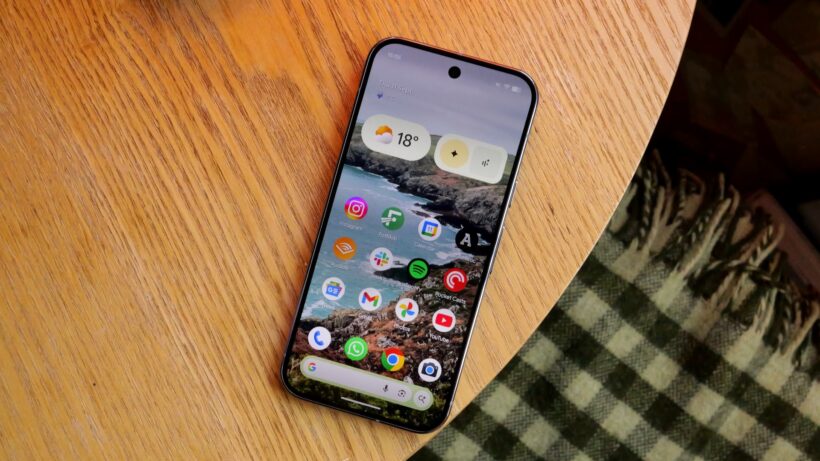 Google Pixel 10 Pro. Image Credit (Trusted Reviews)
The Pixel 10 Pro’s 6.3-inch OLED is smaller but no less impressive. Google claims around 3,300nits peak brightness, and the way it adapts to ambient conditions is among the best around. Colours are well-calibrated and natural – greens and reds aren’t oversaturated, and the warm default tone feels inviting rather than clinical. HDR content looks great and natural.
It’s a smaller canvas than the S26 Ultra, for sure, but one of the best-tuned panels around.
Cameras
S26 Ultra boasts a primary, ultrawide and dual zoom lenses
Pixel 10 Pro boasts a primary, ultrawide and zoom lens
Both phones are great, but have different strengths
Advertisement
This is where the comparison gets interesting, because both phones take very different approaches.
The S26 Ultra packs a quad-lens system comprising a 200MP main sensor with a wider f/1.4 aperture (a 47% boost in light intake over last year), a 50MP periscope zoom, a 50MP ultrawide, and a 10MP 3x telephoto.
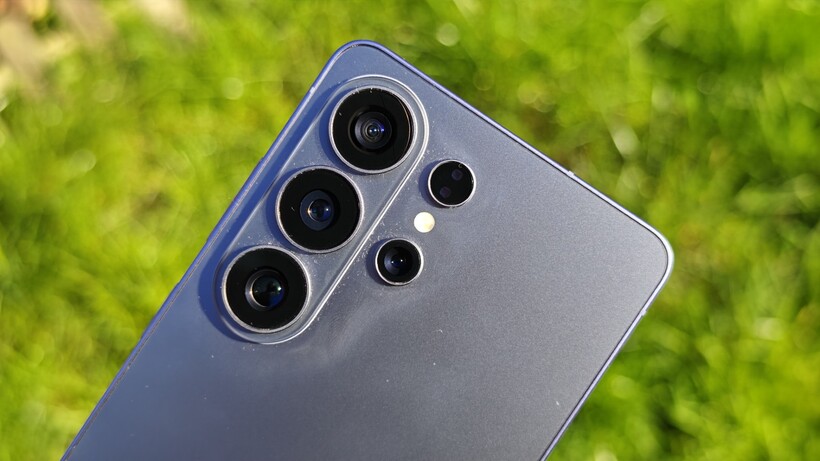 Samsung Galaxy S26 Ultra. Image Credit (Trusted Reviews)
The main sensor is genuinely impressive, delivering brighter and more detailed results than the S25 Ultra, with more neutral colours than previous Samsung flagships, striking a better balance between accuracy and social-media-friendly vibrancy. The periscope zoom is a highlight, delivering strong results up to around 30–40x before things get overprocessed.
The weak link is the 10MP 3x telephoto – a lens that’s starting to look dated compared to the competition, with a smaller sensor and megapixel count, so shots in the 3–5x range lack the punch of the lenses on either side of it.
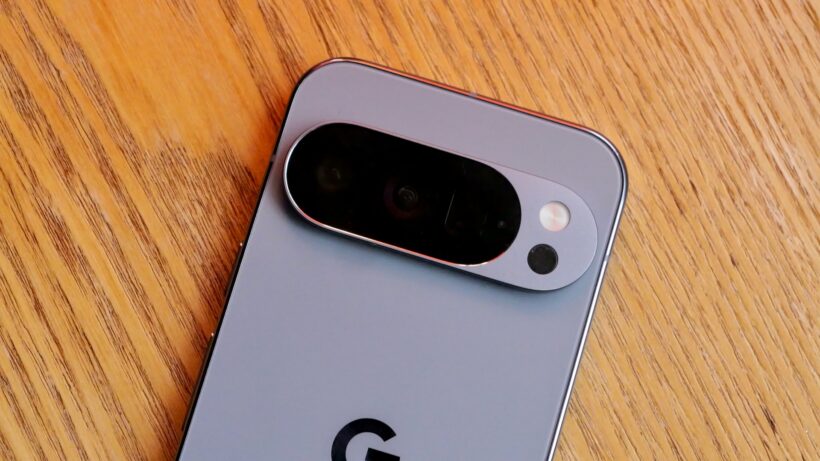 Google Pixel 10 Pro. Image Credit (Trusted Reviews)
Advertisement
The Pixel 10 Pro uses a 50MP wide, 48MP ultrawide with Macro Focus and a 48MP 5x telephoto. The overall camera system is reliable and consistent – great contrast, accurate skin tones and strong night performance across all three lenses thanks to Night Sight. Google’s image processing is mature and well-tuned, and the results are warm, rich and detailed in most conditions.
Where it starts to struggle is video – there’s no log mode, no external drive support and very few customisation options, making it feel decidedly un-Pro in that department.
Performance
S26 Ultra sports a custom Snapdragon chipset
Pixel 10 Pro features Google’s Tensor G5
S26 Ultra offers much better performance
The S26 Ultra runs the Snapdragon 8 Elite Gen 5 for Galaxy – the same chip worldwide – which is a meaningful advantage over the base S26 and S26 Plus, which get Samsung’s Exynos 2600 in most markets. It’s paired with 12GB of RAM on the 256GB and 512GB models, or 16GB on the 1TB version.
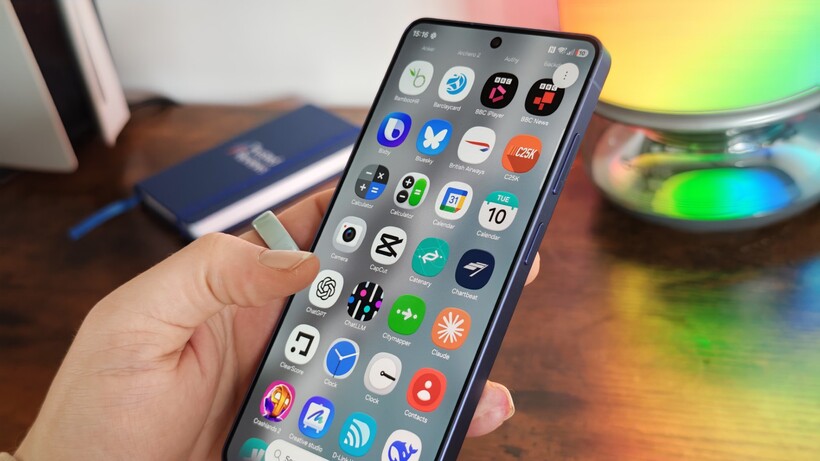 Samsung Galaxy S26 Ultra. Image Credit (Trusted Reviews)
In practice, it’s as rapid and smooth as you’d expect – apps open instantly, gaming at maximum settings is handled without breaking a sweat, and sustained performance has improved this year, likely thanks to the aluminium chassis and an upgraded vapour chamber. It gets warm under load, but not uncomfortably so.
Advertisement
The Pixel 10 Pro is a different story. Google’s Tensor G5 chip is designed primarily for AI tasks, and it shows. AI features are fast and responsive, and day-to-day use is smooth, but in GPU-heavy tasks, it performs closer to mid-range Qualcomm chips than flagship ones.
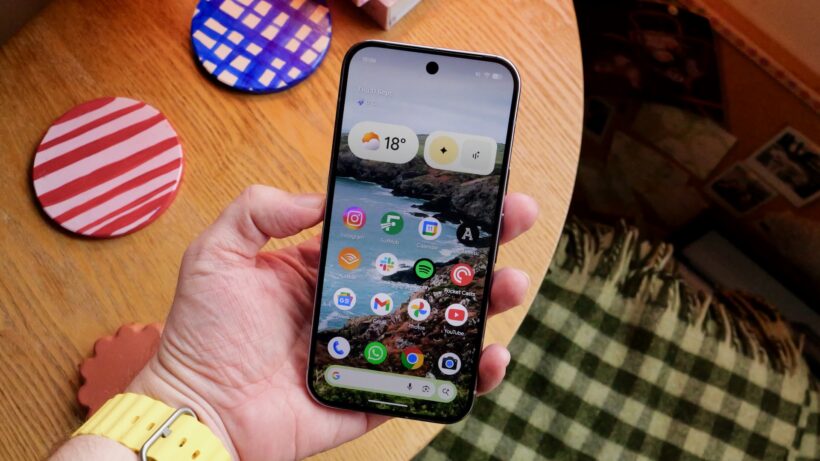 Google Pixel 10 Pro. Image Credit (Trusted Reviews)
Demanding games like Wuthering Waves and Genshin Impact stutter, frames drop, and the phone gets noticeably hot. Even the camera stutters when shooting in 50MP mode, so it’s not limited to gaming either. It’s paired with 16GB of RAM, which is generous, but the chip’s limitations in graphics performance are a real drawback for anyone who games.
Software
S26 Ultra runs One UI 8.5
Pixel 10 Pro features stock Android 16
Both offer plenty of AI smarts, but Pixel feels more mature
Both phones run Android 16 and both promise seven years of OS updates – a strong long-term commitment that puts them ahead of most of the competition. But the software experiences are quite different in day-to-day use.
The S26 Ultra runs One UI 8.5, which looks and feels much like One UI 8 but with a handful of S26-exclusive AI additions.
Advertisement
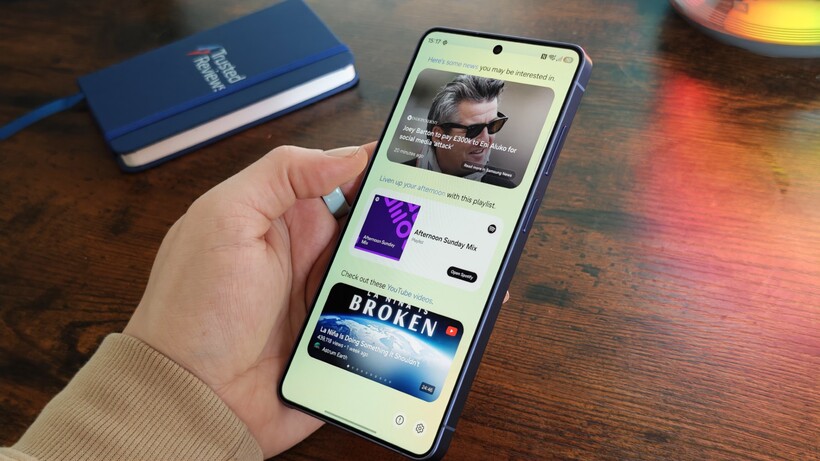 Samsung Galaxy S26 Ultra. Image Credit (Trusted Reviews)
Galaxy AI gets updates, including a more personalised Now Brief, a more contextual Now Bar and Search with Finder – a semantic search tool that lets you search through messages, emails and settings using natural language. Photo Assist is the most impressive new feature, letting you add photorealistic elements to photos with generally convincing results.
None of it is revolutionary, and features like Now Brief rarely get used in practice, but it’s a polished, feature-rich experience, and the S Pen integration adds a layer of productivity that no other Android phone can match.
The Pixel 10 Pro runs Google’s own flavour of Android 16 with the new Material 3 Expressive design language, which adds fresh animations, better wallpaper-based colour theming and a more playful, bouncy feel.
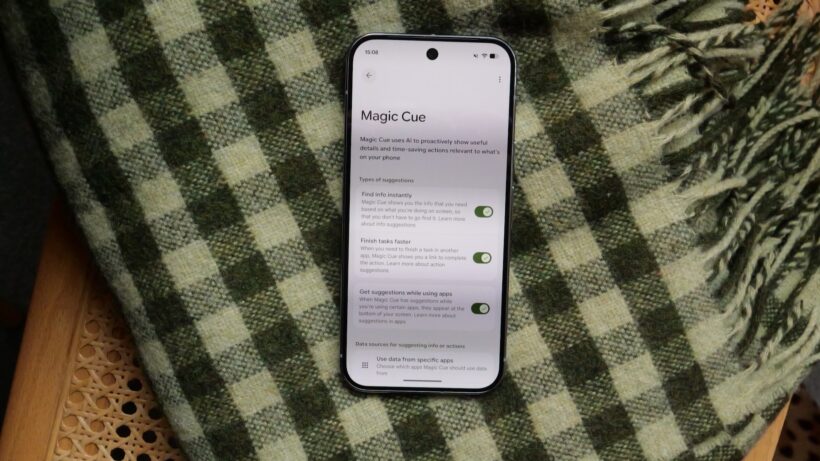 Google Pixel 10 Pro. Image Credit (Trusted Reviews)
The AI integration here is, arguably, the best you’ll find on any phone right now – not because it’s the most feature-packed (even if it is), but because it’s the least intrusive.
Advertisement
It’s packed with AI tools that you wouldn’t notice at a glance, because for the most part, it all works in the background and only appears when needed. Elements like Magic Cue surface useful information – phone numbers, directions, calendar links – without pop-ups or obvious prompts. Call screening is more accurate than the competition, and the Recorder app’s transcription and search capabilities remain excellent.
Battery life
Galaxy S26 Ultra has a bigger battery, but neither are stellar
Galaxy S26 Ultra can fully recharge in under an hour
Pixel 10 Pro offers support for PixelSnap/MagSafe accessories
Neither phone is a battery champion, but for different reasons.
The S26 Ultra sticks with the same 5000mAh cell it’s had for years, in a market where competitors are now shipping 6000mAh, 7000mAh and even larger batteries. The result is battery life that’s fine but not exceptional – around four hours of screen-on time before needing a charge, and the need to top up daily during heavy use.
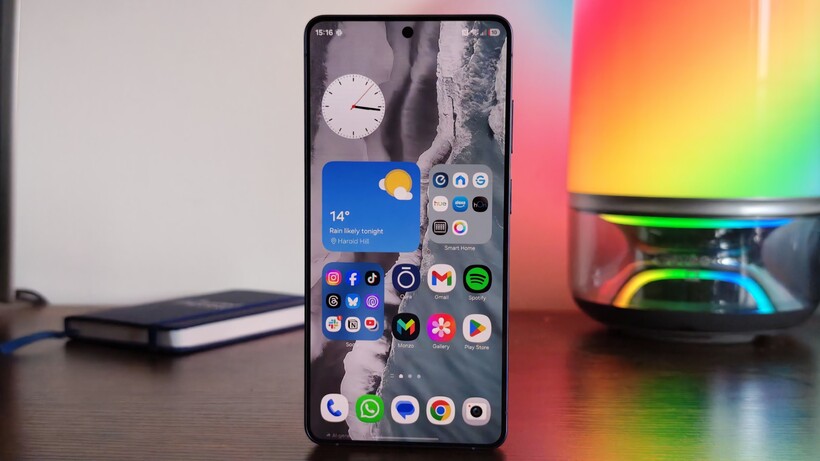 Samsung Galaxy S26 Ultra. Image Credit (Trusted Reviews)
The good news is that charging has improved, jumping from 45W to 60W, delivering 75% in 30 minutes and a full charge in 53 minutes. Wireless charging has also been upgraded to the latest Qi2 standard at 25W – but it’s not full Qi2 with magnets, which feels like a missed opportunity, especially compared to Google’s flagship.
Advertisement
The Pixel 10 Pro has a 4870mAh battery – slightly larger than its predecessor – and delivers a similar story; fine for most days, but demanding users will need a top-up.
On light days, it finishes with around 45% remaining, while it can run dry by the evening on heavy days with five or six hours of screen-on time. Charging tops out at 30W wired, which is slower than the S26 Ultra, and despite a smaller cell, a full charge takes around 100 minutes.
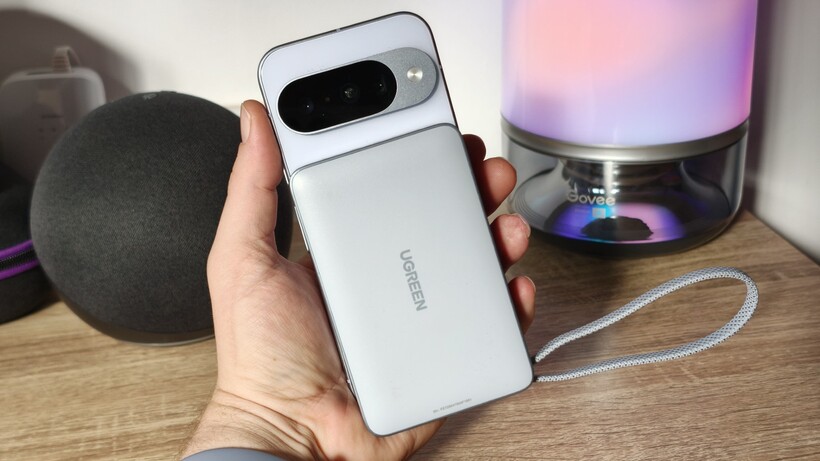 Google Pixel 10 Pro. Image Credit (Trusted Reviews)
The biggest addition is PixelSnap, a ring of magnets embedded in the phone’s rear that supports MagSafe accessories and Qi2 wireless charging, making it one of the few Android phones to properly embrace the MagSafe ecosystem.
Neither phone will impress anyone used to the multi-day endurance of Chinese rivals like the Oppo Find X9 Pro, but the S26 Ultra’s faster wired charging gives it a slight edge for quick top-ups.
Verdict
Both phones are excellent in their own way, but they serve different users.
Advertisement
The Samsung Galaxy S26 Ultra is the definitive big, powerful flagship with one of the best screens around, a versatile camera, top-tier performance and the productivity boost of the S Pen. Privacy Display is a clever extra, and seven years of updates make it a strong long-term pick, though the dated 10MP 3x telephoto and merely ‘fine’ battery life hold it back.
The Google Pixel 10 Pro is smaller and more focused, prioritising smart software and AI over raw power, with a beautifully tuned display, consistently great stills camera and genuinely useful PixelSnap MagSafe support. Tensor G5’s weak gaming performance, middling video tools and slower charging are drawbacks, but at £280/$300 less than the S26 Ultra, it still represents excellent value.
If you want the most complete, powerful Android flagship and are already in Samsung’s ecosystem, pick the S26 Ultra. If you prefer a compact, smarter phone with standout software and everyday photography, the Pixel 10 Pro is the better fit.
For a wider overview of some of the top Androids around, take a look at our selection of the best Android phones.
Test Data
Samsung Galaxy S26 Ultra
Google Pixel 10 Pro
Geekbench 6 single core
3519
2343
Geekbench 6 multi core
10713
5986
Geekbench 6 GPU
24611
–
3DMark Solar Bay
46.9
–
1 hour video playback (Netflix, HDR)
–
7 %
Battery drain 60-min (music streaming offline)
–
4 %
30 minute gaming (intensive)
–
7 %
30 minute gaming (light)
–
5 %
1 hour music streaming (online)
–
1 %
1 hour music streaming (offline)
–
1 %
Time from 0-100% charge
53 min
100 min
Time from 0-50% charge
19 Min
35 Min
30-min recharge (no charger included)
75 %
55 %
15-min recharge (no charger included)
39 %
25 %
3D Mark – Wild Life
7281
–
3D Mark – Wild Life Stress Test
67.6 %
–
GFXBench – Aztec Ruins
–
48 fps
GFXBench – Car Chase
–
52 fps
Full Specs
Samsung Galaxy S26 Ultra Review
Google Pixel 10 Pro Review
UK RRP
£1279
£999
USA RRP
–
$999
Manufacturer
Samsung
Screen Size
6.9 inches
6.3 inches
Storage Capacity
256GB, 512GB, 1TB
128GB, 256GB, 512GB, 1TB
Rear Camera
200MP + 50MP + 50MP + 10MP
50 MP wide, 48 MP ultra-wide with Macro Focus, 48 MP 5x telephoto lens
Front Camera
12MP
42 MP Dual PD selfie camera with autofocus
Video Recording
Yes
Yes
IP rating
IP68
IP68
Battery
5000 mAh
4870 mAh
Wireless charging
Yes
Yes
Fast Charging
Yes
Yes
Size (Dimensions)
78.1 x 7.9 x 163.6 MM
72 x 8.6 x 152.8 INCHES
Weight
214 G
207 G
Operating System
OneUI 8.5 (Android 16)
Android 16
Release Date
2026
2025
First Reviewed Date
25/02/2026
11/09/2025
Resolution
3120 x 1440
1280 x 2856
HDR
Yes
Yes
Refresh Rate
120 Hz
–
Ports
USB-C
USB-C
Chipset
Snapdragon 8 Elite Gen 5 for Galaxy
Tensor G5
RAM
12GB, 16GB
8GB
Colours
Violet, Sky Blue, Black, White, Silver Shadow, Pink Gold
Moonstone, Jade, Porcelain, Obsidian
Stated Power
60 W
–
Advertisement