
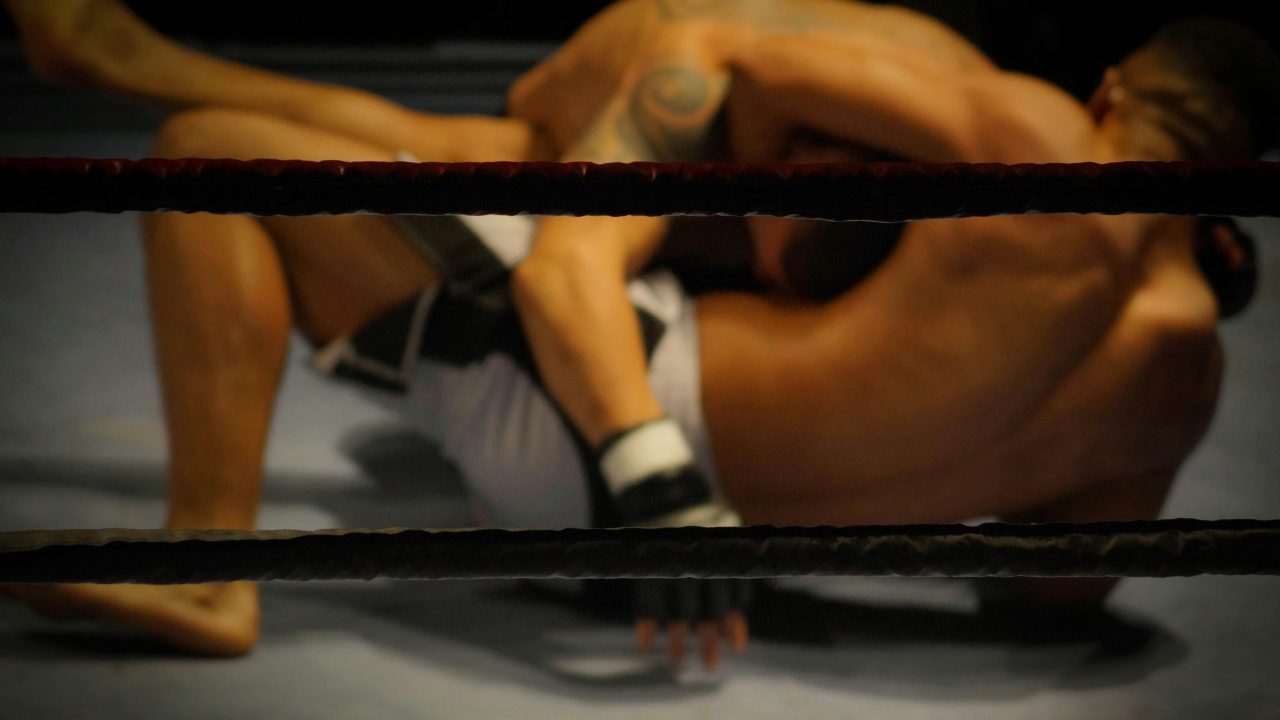
Mixed martial arts looks like controlled chaos from the outside. Two fighters moving, clinching, shooting for legs, trading punches — it can seem like instinct and aggression are the only things that matter. But elite-level MMA is something closer to applied engineering, where every movement connects to the next and fatigue is treated as a variable to be managed, not just survived.
The sport rewards fighters who can build order inside the chaos — and that means understanding two layers that run simultaneously in every fight: technique, which is visible, and endurance, which is almost entirely invisible until one fighter runs out of it.
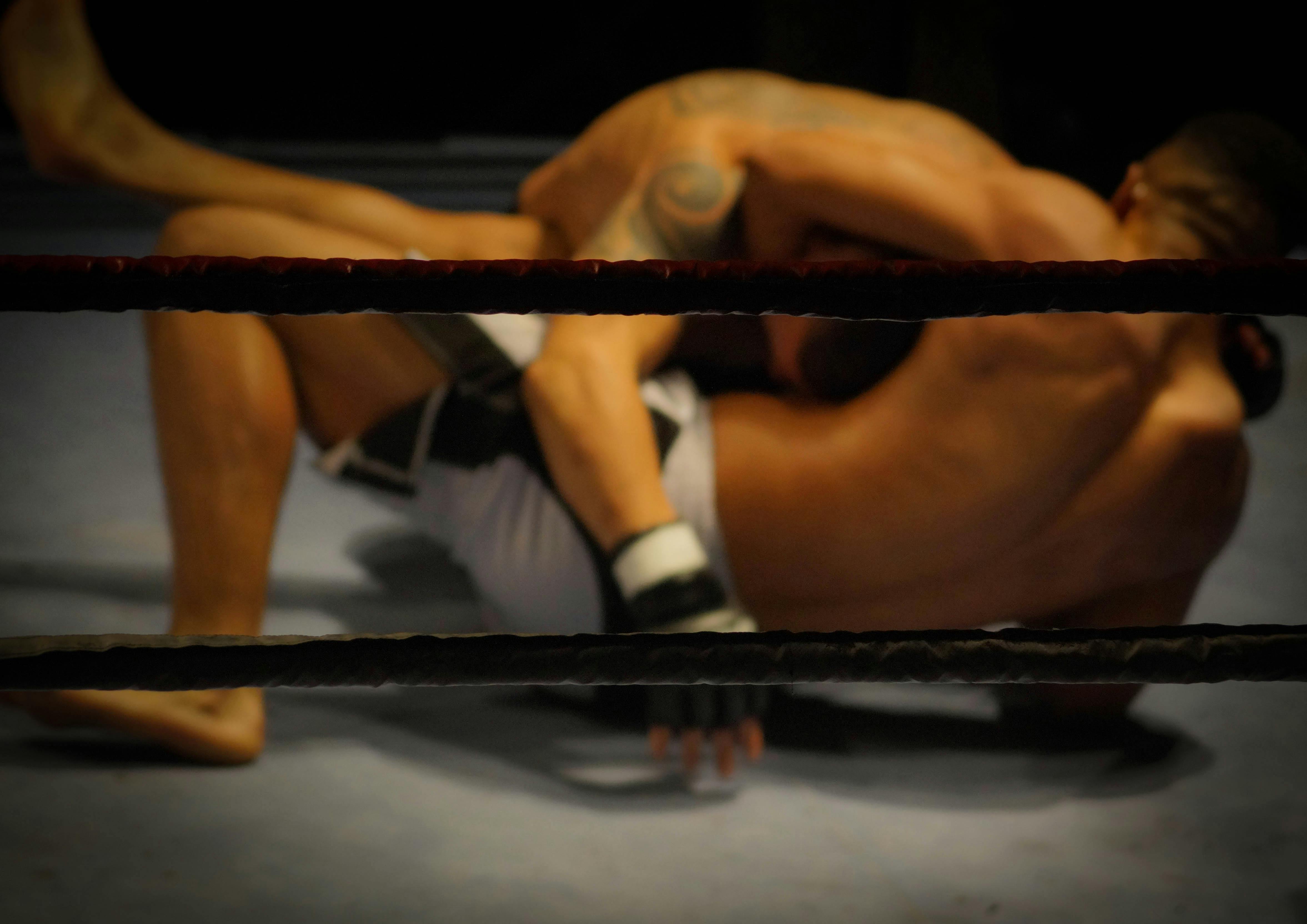
Those two layers are more connected than casual fans might expect. A perfectly sound defensive technique means nothing if a fighter can no longer execute it in the fourth round. And elite conditioning means nothing if the underlying skills fall apart under pressure. The best fighters in the world train both systems together, deliberately.
Why MMA Technique Is More Like a Chain Than a Set of Skills
Technique in MMA doesn’t exist in isolation. It functions as a chain — and every link has to hold under stress, not just in a controlled training environment.
Striking, for example, can’t be separated from wrestling threats. A powerful punch thrown from a stance that leaves a fighter vulnerable to takedowns becomes a trap for the striker, not an asset. Footwork determines where exchanges happen and how often a fighter finds themselves against the fence — one of the most disadvantageous positions in the sport. Every offensive choice carries a defensive implication.
The sport has produced recognizable archetypes built around these connected skills:
Pace-heavy strikers — fighters in the mold of Max Holloway, who use volume and forward pressure to impose their tempo on opponents
Clinch specialists — fighters who control range through the tie-up, using it both offensively and as a tool to neutralize opponents
Chain wrestlers — grapplers who link takedown attempts in sequence, exhausting opponents’ defensive energy over time
Patient counter punchers — fighters who create openings by reacting to aggression rather than initiating it
Each archetype requires a different technical foundation — but all of them depend on the same underlying principle: the skill has to still work when the fighter is tired.
How Grappling Has Shifted Toward “Position Plus Purpose”
On the ground, the philosophy guiding elite fighters has evolved significantly. Grappling coaches and fighters at the top level now operate under what can be described as a “position plus purpose” framework — the idea that a takedown only truly matters if it leads to meaningful offense.
Taking someone down and holding them there, without creating damage, submission threats, or disrupting their breathing rhythm, doesn’t win fights at the highest level. Judges score effective aggression, and top control that generates nothing tends to stall momentum rather than build it.
This shift has made mat work more dynamic and more demanding. Fighters are expected to threaten constantly from top position, forcing opponents to defend rather than recover. That requires technical precision and significant gas tank — two things that have to be trained in combination.
The Training Science Behind Five-Round Endurance
Elite MMA training, at the level where five-round championship fights are a realistic outcome, is less about general fitness than about precision conditioning. The goal isn’t to be “in shape” in a broad sense — it’s to tune specific energy systems to a preferred fighting pace, and to rehearse tactics under conditions that replicate late-round fatigue.
Training Layer
What It Develops
Why It Matters in a Fight
Skill stacking
Techniques that connect and reinforce each other
Creates compound threats that are harder to defend
Energy system tuning
Conditioning matched to a fighter’s preferred pace
Allows a fighter to sustain their game plan over five rounds
Weight management
Early, gradual weight cuts rather than last-minute draining
Preserves energy and cognitive function on fight night
Fatigue-state drilling
Rehearsing tactics while already exhausted
Ensures techniques hold up when decision-making degrades
The weight management piece is worth highlighting separately. Fighters who manage their weight early — rather than forcing aggressive cuts in the final days before a weigh-in — arrive on fight night in better physical and mental condition. Late, severe cuts drain the body in ways that no amount of rehydration fully corrects before the opening bell.
The Silent Layer: What Endurance Actually Does to Decision-Making
Endurance in MMA isn’t just about the legs holding up or the lungs staying clear. It’s about the ability to keep making correct decisions after the body starts sending distress signals and the opponent stops being cooperative.
That last part matters more than it sounds. An opponent who is fresh and moving well is a very different problem than an opponent who is tired, desperate, and unpredictable. Fatigued fighters make stranger choices — they scramble harder, take more risks, abandon their game plans. The fighter with superior conditioning has to recognize those shifts in real time and adapt, which requires cognitive clarity that fatigue directly erodes.
This is why elite camps don’t just train fighters to be fit — they train fighters to think clearly while exhausted. Sparring rounds deliberately pushed past comfort zones, drilling at the end of long sessions, and tactical problem-solving under physical stress are all tools designed to close the gap between what a fighter can do fresh and what they can do at the end of round five.
What This Means for How You Watch MMA
Understanding these two layers changes what to look for during a fight. Early rounds often reveal a fighter’s technical baseline — their preferred stance, their go-to entries, how they set up their strongest weapons. Later rounds reveal whether any of it holds.
Watch for small signs of fatigue affecting technique: punches that drop slightly in the return, takedown defense that gets lazier, footwork that stops moving laterally and starts moving straight back. Those aren’t random — they’re the moments when endurance runs out and technique has to carry the weight alone.
The fighters who win championship fights are the ones who’ve closed that gap in the gym, long before the lights come on.
Frequently Asked Questions
What does “technique as a chain” mean in MMA?
It means individual skills can’t be evaluated in isolation — a strong punch thrown from a poor stance, for example, can leave a fighter exposed to takedowns, turning an offensive tool into a liability.
Who is Max Holloway, and why is he mentioned as an archetype?
Max Holloway is referenced in
What is “position plus purpose” in grappling?
It’s a philosophy where takedowns are only considered valuable if they lead to real offense — damage, submission threats, or disrupting an opponent’s breathing — rather than simply controlling position without consequence.
Why do elite fighters manage their weight early rather than cutting late?
Early weight management preserves the body’s energy stores and cognitive function, whereas severe last-minute cuts drain fighters in ways that rehydration doesn’t fully reverse before the fight begins.
How does fatigue affect decision-making in a fight?
As fatigue sets in, fighters lose the cognitive clarity needed to read their opponent and adapt in real time — which is why elite training deliberately rehearses tactics under conditions of physical exhaustion.
Is MMA training primarily about fitness?
At the elite level, it’s described as closer to engineering than general fitness — fighters stack interconnected skills, tune energy systems to a specific pace, and rehearse tactics that still function when fatigue arrives.