
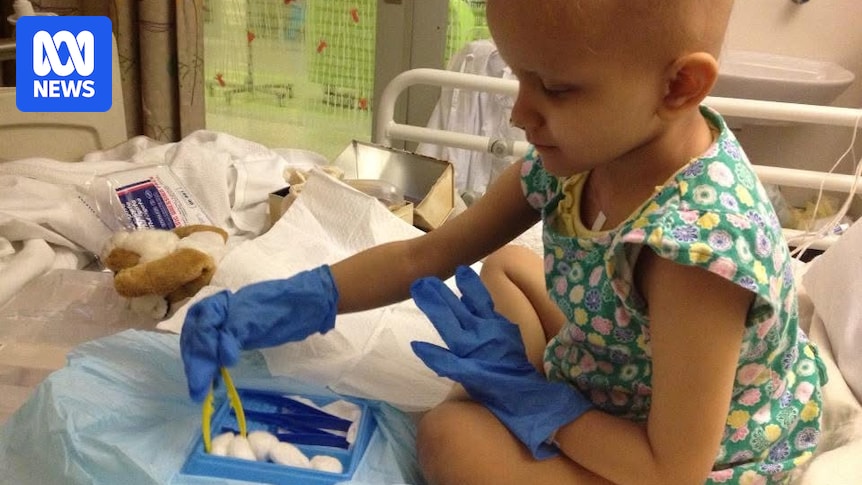
Maya Oldroyd was three when she was diagnosed with stage 4 neuroblastoma, a rare and aggressive cancer that had developed in her nerve tissue.
Eighteen months and multiple surgeries later, Maya was declared cancer-free.
But the vigorous therapies that saved her life also left Maya with complex, lifelong health issues.
“I’ve had hearing loss, I’ve had chronic illness, stuff that you wouldn’t think would happen [due to cancer treatment] but it does,” Maya said.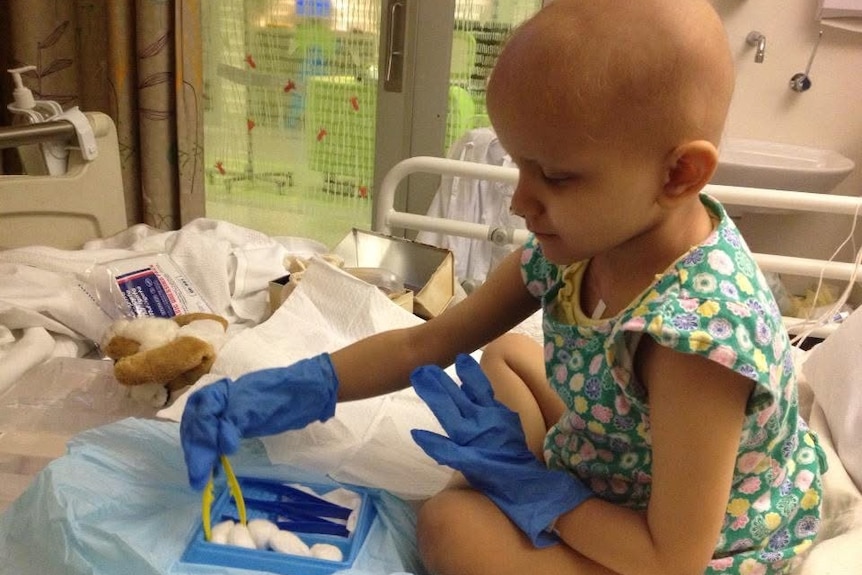
Maya Oldroyd doesn’t remember the time she spent in hospital as a toddler. (Supplied: Sheila Patel)
At 10, specialists told Maya she was in early menopause and would be infertile. At 13, Maya had part of her small bowel removed.
Now 16, Maya has hearing loss and lives with a chronic gut condition, both of which she manages with help from her family.
Maya’s story is not an isolated one.
Four-in-five survivors of childhood cancer experience at least one long-term health problem, including pain, fatigue, infertility and memory decline.
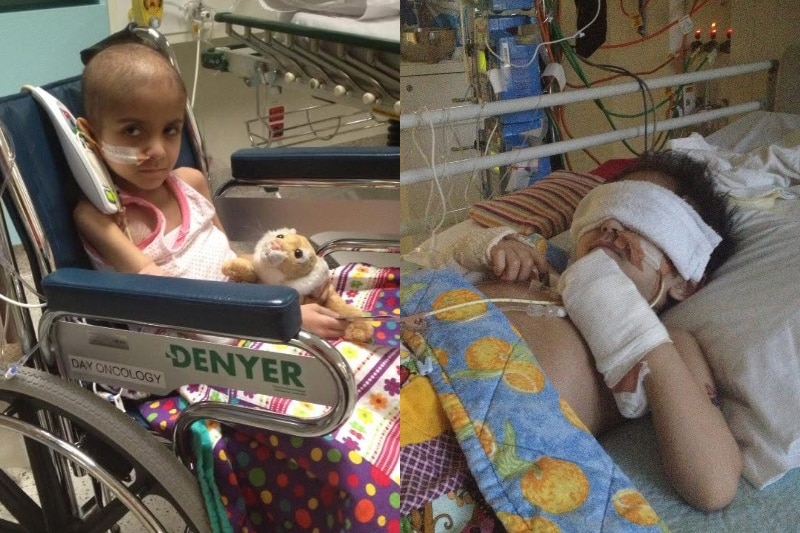
Maya Oldroyd was declared cancer-free when she was four, but her health journey was far from over. (Supplied: )
And as more Australian kids beat childhood cancer, researchers are learning more about the potential long-term impacts of cancer treatments.
More than 20 Australian health and research organisations, led by non-profit organisation Children’s Cancer CoLab, are calling for greater awareness, effort and investment for the youngest cancer survivors.
They say the focus needs to now shift from simply keeping kids alive, to making sure survivors also have a good quality of life.
Paediatric cancer in Australia
In Australia, about 750 kids aged 14 years and younger are diagnosed with cancer every year.
Greg Wheeler, radiation oncologist at the Peter MacCallum Cancer Centre, said survival rates for kids with cancer had improved “significantly” over the past few decades.
Why does cancer exist at all? The answer may lie in deep time
Dr Wheeler also runs the hospital’s paediatric and late effects unit, monitoring and treating patients who have survived childhood cancer.
“Overall, the prognosis of childhood cancers is significantly better than adult cancers,” Dr Wheeler said.
“We expect about 80 per cent of kids diagnosed with childhood cancer to survive.”
Dr Wheeler said the key treatments for children and adults in Australia were fairly similar.
The main three options for treating cancers in both adults and kids are chemotherapy (using drugs to destroy or slow fast-growing cancer cells), radiation (using x-rays to destroy or damage cancer cells) and surgery.
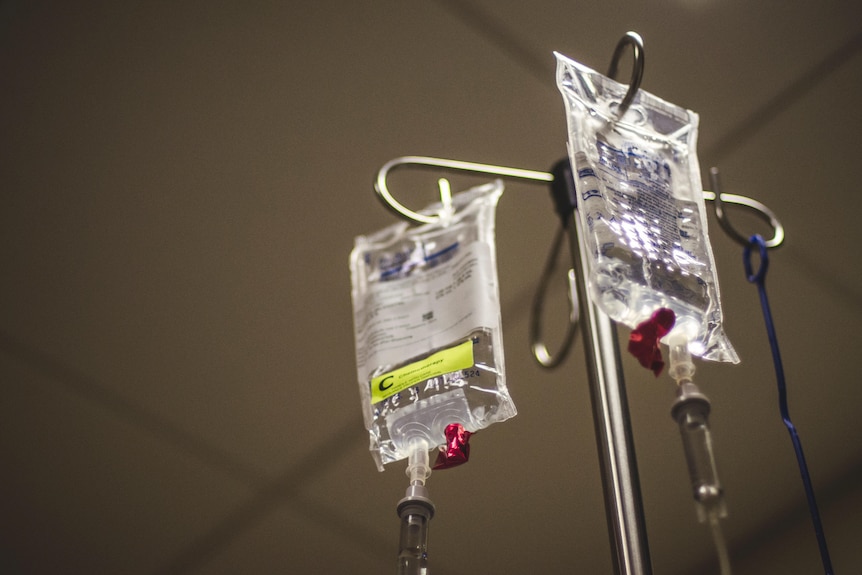
Chemotherapy takes a toll on the body as it attacks cancer cells. (Getty images: Glasshouse Images)
Dr Wheeler said kids appeared to cope better with more intensive chemotherapy than adults.
But, he said, there was a delay in making new cancer drugs, which had been approved in adults, available for children.
This is because chemotherapy agents approved for use in adults need further testing before they can be given to children safely.
Chronic health issues for survivors
When someone has cancer, cells in their body start growing uncontrollably and lose their function, which can be deadly if they spread and disrupt organ function.
Chemotherapy and radiation target and destroy fast-growing cancer cells.
But these treatments can also accidentally destroy other non-cancerous cells (including blood cells or hair cells), causing patients to experience a range of side effects such as hair loss and fatigue.
After cancer treatment ends, healthy cells start to regrow and temporary side effects from treatment start to disappear.
ABC Health in your Instagram feed
But the treatments can also have long-term side effects, said Maria McCarthy, who leads the psycho-oncology and cancer survivorship research program at Murdoch Children’s Research Institute.
“When children have cancer, obviously the treatment they are receiving is during times of critical development,” Dr McCarthy said.
“Their bodies are developing, their brains are developing, and [cancer treatments] can have a significant impact on their long-term health.”
While Dr Wheeler urged childhood cancer survivors not to panic about the possibility of future health conditions, he said it was important for them to be aware of their own individual risk profile.
“Not everyone carries the same risk,” he said.
“Not everyone needs an intensive survivorship plan, but everyone needs to be aware they may need it.”
‘Invisible impacts’ for families
Udani Reets, head of Children’s Cancer CoLab, said survivors needed comprehensive lifelong care, even after they had been declared cancer-free.
She said there was also a raft of “invisible impacts” associated with childhood cancer, such as medical trauma, financial distress, social isolation and mental health challenges.
If you or anyone you know needs help:
Tracy Hollington, whose son Angus was diagnosed with cancer twice, described the experience as a “complete tornado” that ripped through her family.
Angus was diagnosed with an aggressive bone tumour called Ewing sarcoma in 2014 when he was 11.
Five years later, as a result of the treatment from the first round of cancer, Angus developed secondary acute myeloid leukaemia.
Shortly after the second diagnosis, his leg became infected and had to be amputated.
Now, after 18 rounds of chemotherapy and a stem cell donation, Angus is cancer-free but his treatment has left him with a number of complex health conditions including infertility.
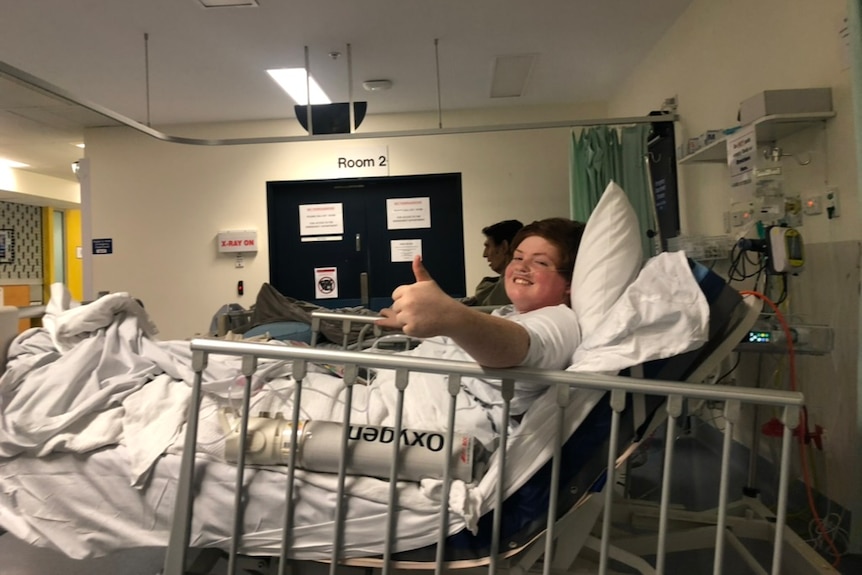
Angus Hollington was 11 when he was first diagnosed with cancer. (Supplied: Tracy Hollington)
“I also have cardiomyopathy, where my heart was permanently damaged by one of the types of chemotherapy drugs I received,” he said.
Alongside better and less toxic treatments for kids, Angus said there needed to be support to help survivors of childhood cancer navigate adult hospitals and help to return to school and work.
He also thought people with lived experience of cancer should be consulted about the delivery of health services, as well as future research and funding priorities.
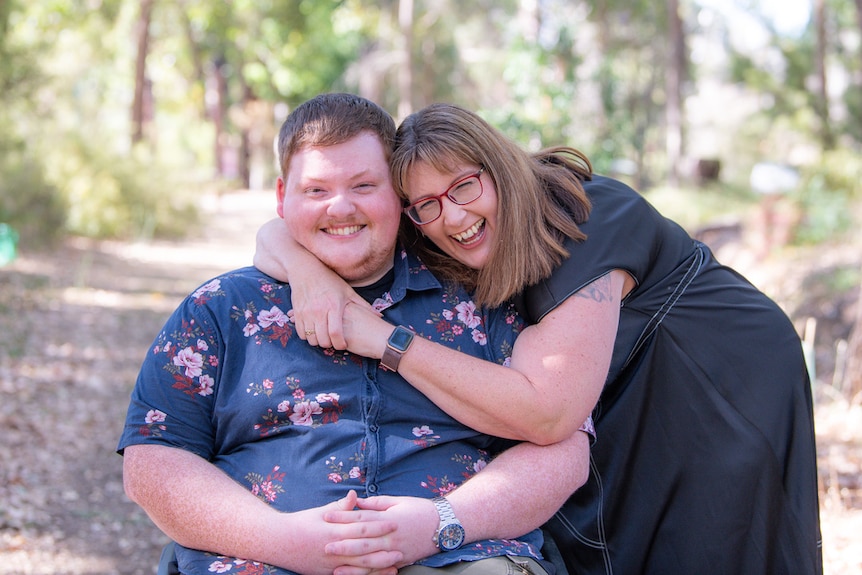
Tracy and Angus Hollington want there to be better treatment options for Australian kids with cancer and more support for families. (Supplied: Tracy Hollington)
Where to from here
Maya, who underwent chemotherapy, radiation and immunotherapy, will start having breast screenings in her 20s — decades ahead of her peers — to prevent secondary breast cancer.
But for now, Maya’s focus is on her bright future, with ambitions of performing on stage after finishing school next year.
“I don’t know what the future is going to hold, it’s really unpredictable,” she said.
“I don’t know if my gut is going to flair up again, if I relapse, if my hearing is going to get worse.”
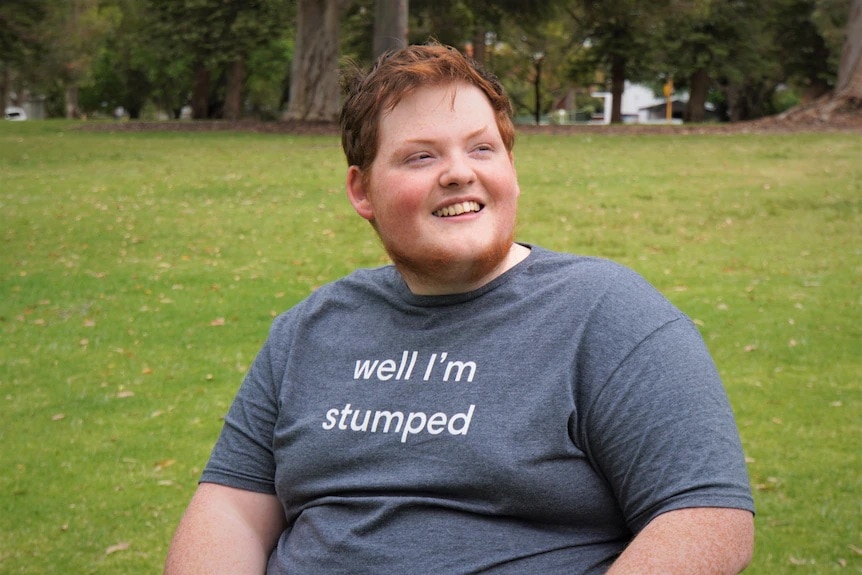
Angus Hollington lost his leg to cancer, but not his sense of humour. (Supplied: Tracy Hollington)
As for Angus, his goals are clear.
“Retain my remaining limbs. No more cancer,” he said.
“I look forward to where my career will take me, and hopefully soon being able to save enough to buy a small place of my own.”