
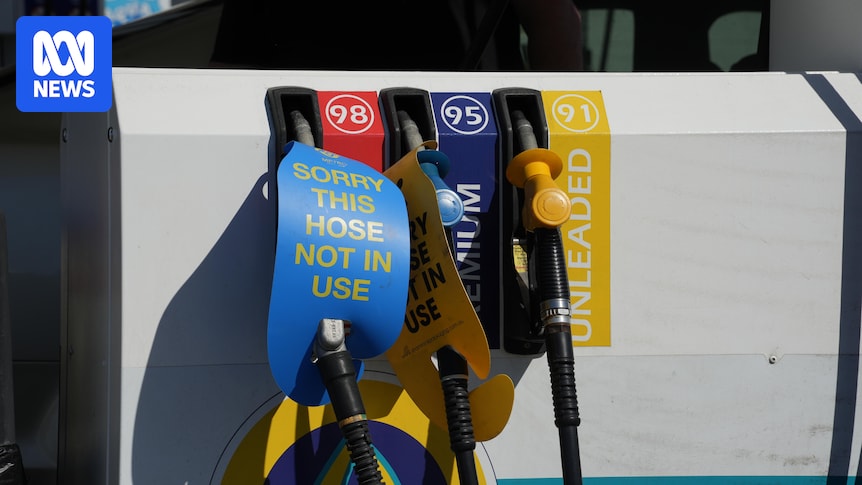
We’re doing all we can to address the situation — but don’t panic.
We’ve appointed a fuel security state controller — to prepare for future challenges.
We may need you to use less fuel and more public transport — but not just yet.
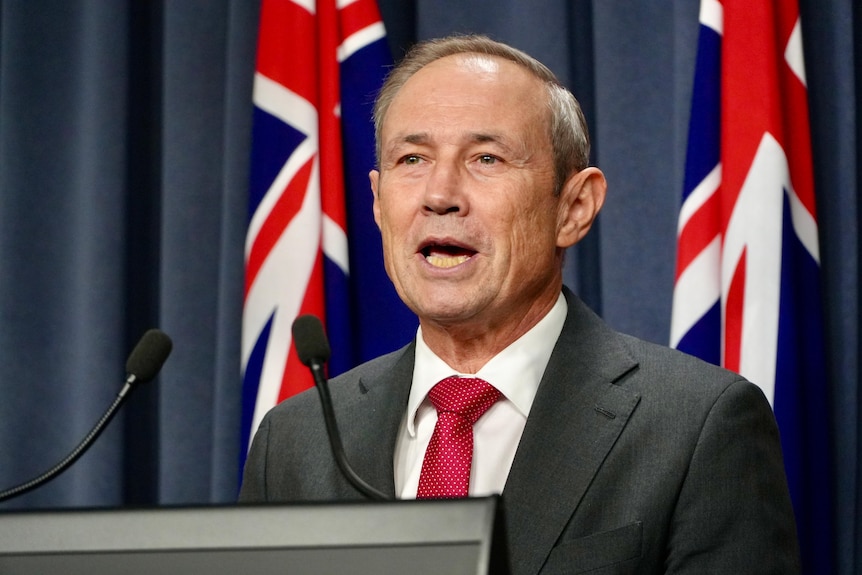
Roger Cook acknowledges the community concern about fuel prices. (ABC News: Courtney Withers)
“I know there’s a lot of anxiety in the community at the moment about fuel supply and fuel prices,” Western Australia Premier Roger Cook said on Wednesday.
“Part of the work we are doing is to reassure West Australians that we are doing everything we can to minimise the impact of this current challenge.”
It’s a tough line for governments — taking enough action to reassure the public, but not too much to cause anxiety about a problem it’s hoping will go away.
Fuel rationing?
The government has been hesitant to weigh in on the “what ifs” and “what’s next” if the reverberations from the Middle East war continue locally.
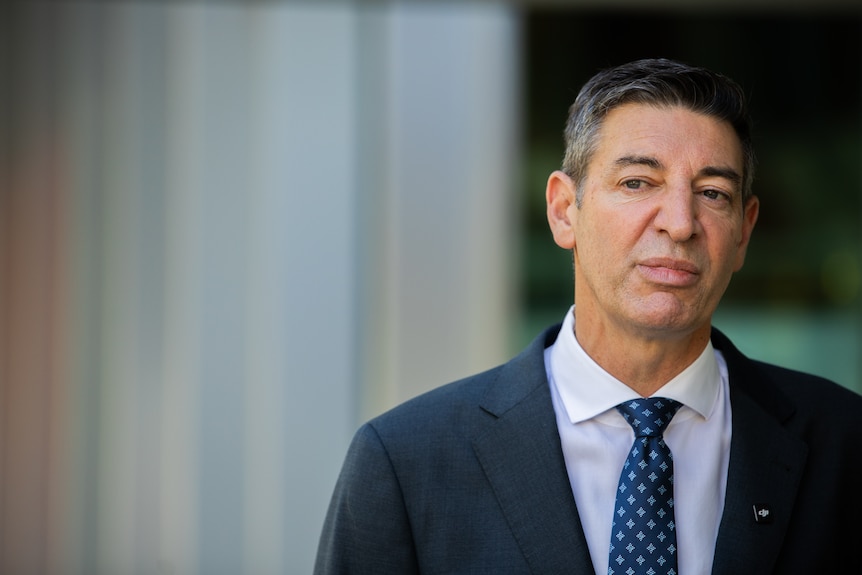
Basil Zempilas calls on the government to provide more information about the fuel situation. (ABC News: Keane Bourke)
“It would be incumbent upon the government to tell us, ‘This is where we are today. These are the scenarios that could be in play,’ and, ‘This is what we might need you all to do,'” Opposition Leader Basil Zempilas declared on Wednesday.
Fuel panic buying ‘causing system to break down’
It’s a point being discussed around dinner tables this week. Could we be asked to ration fuel — and if so, how would that work?
In the late 70s, governments responded to severe petrol shortages in Australia with strict rationing, including a number plate system based on odd and even numbers buying fuel, and some energy experts say rationing could be on the horizon.
Does the government owe it to us to tell us what that could look like now, even hypothetically?
“We understand that WA has sufficient supply for April and May, and we’re ensuring that supply is getting to the areas that need it most,” Energy and Decarbonisation Minister Amber-Jade Sanderson said on Wednesday.
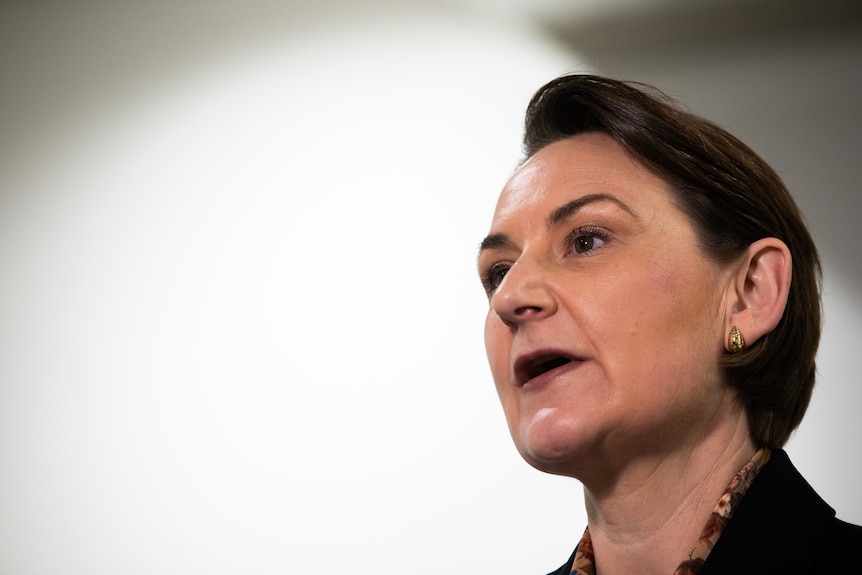
For Amber-Jade Sanderson, rationing isn’t on the cards. (ABC News: Keane Bourke)
Beyond that, she wouldn’t say.
“That’s [rationing] not under consideration in Western Australia; what we’re doing is ensuring that we’re restocking those areas that were hit by a spike in demand,” the minister said.
The premier also didn’t want to discuss anything hypothetical and didn’t give a figure when asked about WA’s share of the national stockpile.
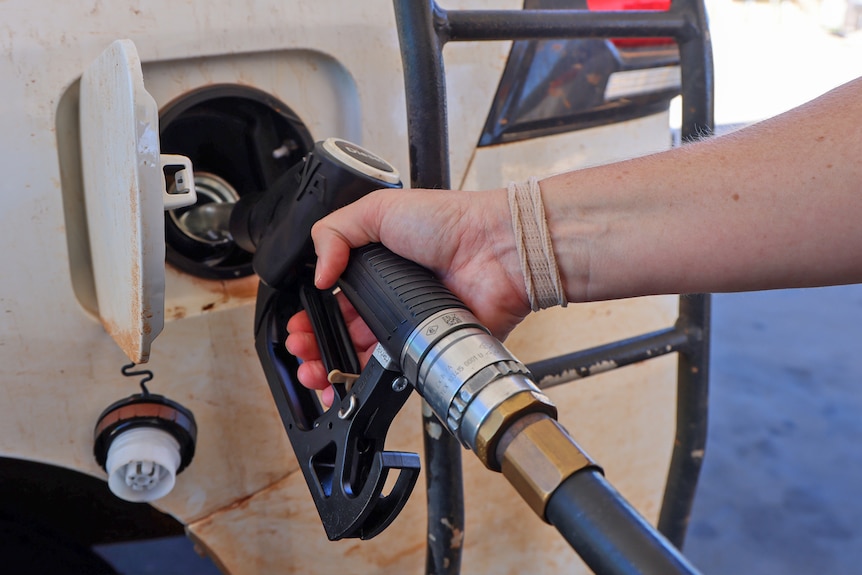
The premier is confident in the medium-range supply of fuel. (ABC News: Chris Lewis)
“Oil companies purchase their supplies around 6 to 8 weeks in advance. At the moment they’ve got a full order book, they’ve got a full list of customers, so we are confident about medium-term supplies of fuel, but we need to make sure we monitor the situation,” Mr Cook said on Thursday.
However, there were some clues about what the government is thinking.
“Well, you can anticipate a point in the future where we’ll be encouraging people to use less fuel if they can, but that’s only if the situation continues to deteriorate,” Mr Cook said.
How the Iran war is impacting WA
“That’s only if, and that’s a big if, we don’t see those fuel supplies come into Western Australia.”
Will extra trains need to be put on if people in the city ditch their petrol and diesel cars? Maybe.
The premier indicated public transport is one of the areas the newly formed fuel State Management Team will be looking at in detail, but again, no changes are needed, just yet.
That’s despite Transport Minister Rita Saffioti telling parliament there had been about a “10 per cent increase” in the second week of March for Transperth patronage compared to the same week in 2025.
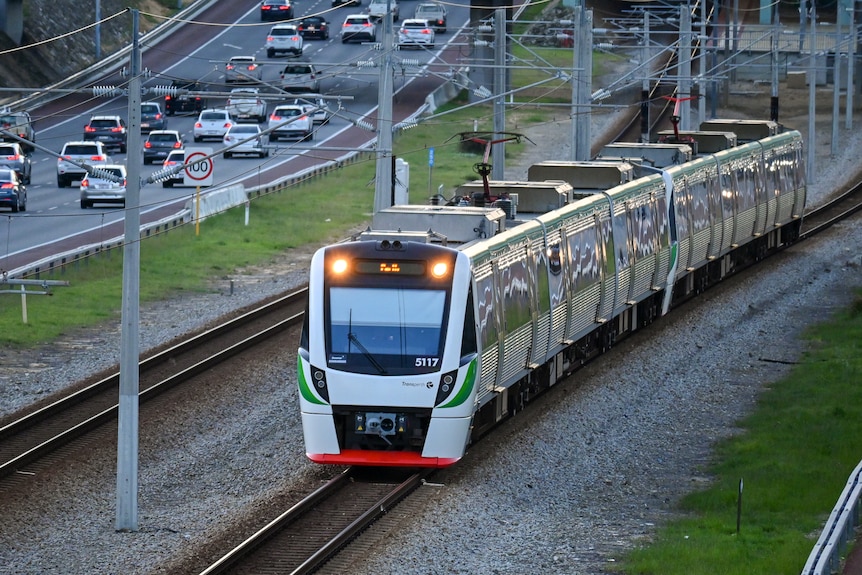
More people are taking public transport than the same time last year. (ABC News: Andrew O’Connor)
Transport aside, the government maintains fuel distribution is the biggest challenge, but there remain deepening concerns about local supplies.
“I’m all out of diesel and unleaded, so pretty much I have nothing underground to sell at the present moment,” Brad Gregory from Exmouth Fuel Supplies told 102.5 ABC Perth on Thursday.
Loading…Opposition softens approach
While the government continues to encourage large industry to step up and support smaller regional providers, the opposition leader has changed his approach.
After taking a harder line last week, calling on the government’s fuel security roundtable to not just be “an exercise for the cameras”, Mr Zempilas softened his approach on Thursday.
Can Australia dodge another gas price gouge?
“The premier only need ask, obviously,” he said when asked if he was willing to provide any cross-party support.
“We understand that a situation like this, working together is very important, and we’re fully signed up to that.”
The Liberals’ alliance partner was keen to keep the pressure on about regional fuel supply and its impact on farmers.
“If they can’t get that produce to market, then there will be food scarcity issues in Perth, and with scarcity we see a rocketing crisis,” Nationals leader Shane Love said on Tuesday.
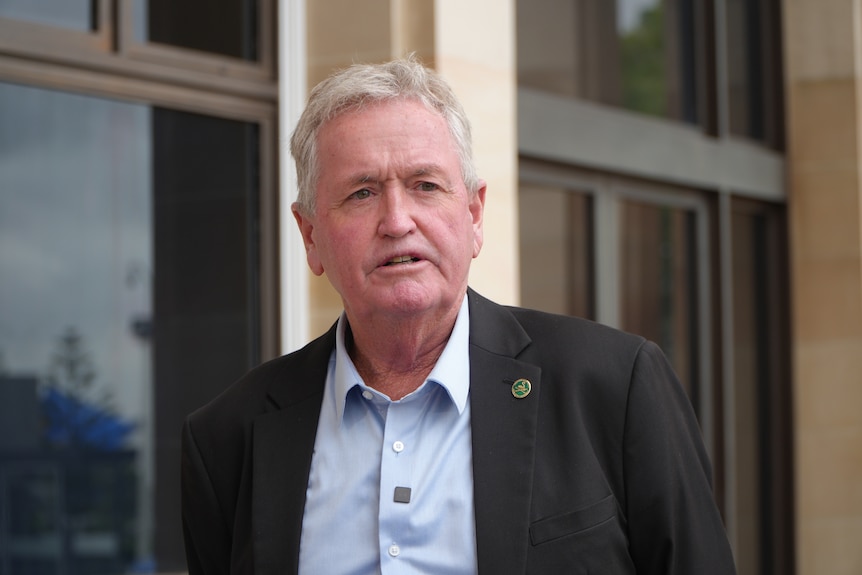
Shane Love is worried about the implications for farmers. (ABC News: Kema Johnson)
The government says it’ll continue taking appropriate action where necessary, but maintains the situation is under control.
So prepare for more carefully worded fuel updates and announcements — at least until there comes a time when hypotheticals become reality.