

Simon Nadel was at home in Ealing, west London, when news broke of the cluster of meningitis cases in Kent that had already claimed the lives of two people, including 18-year-old Juliette Kenny.
Less than a week later, 29 cases of invasive meningococcal disease had been reported, making it one of the largest outbreaks in a generation. By Thursday last week, more than 9,800 doses of antibiotics had been handed out and 2,360 students vaccinated.
For Nadel, the Kent outbreak was a grim echo of a career spent on the front line of the NHS trying to tame a disease that still strikes fear into the doctors and nurses who see its effects up close.
“It is a terrible disease, and kills in a matter of hours,” said Nadel, 65. “My first thought was that it’s shocking. Why and how has it happened? It is very unusual to have such a large number of cases. In a normal outbreak you might get two or three cases that are all connected, but this appears to be an inordinately large number all at once. I think no one truly understands why.”
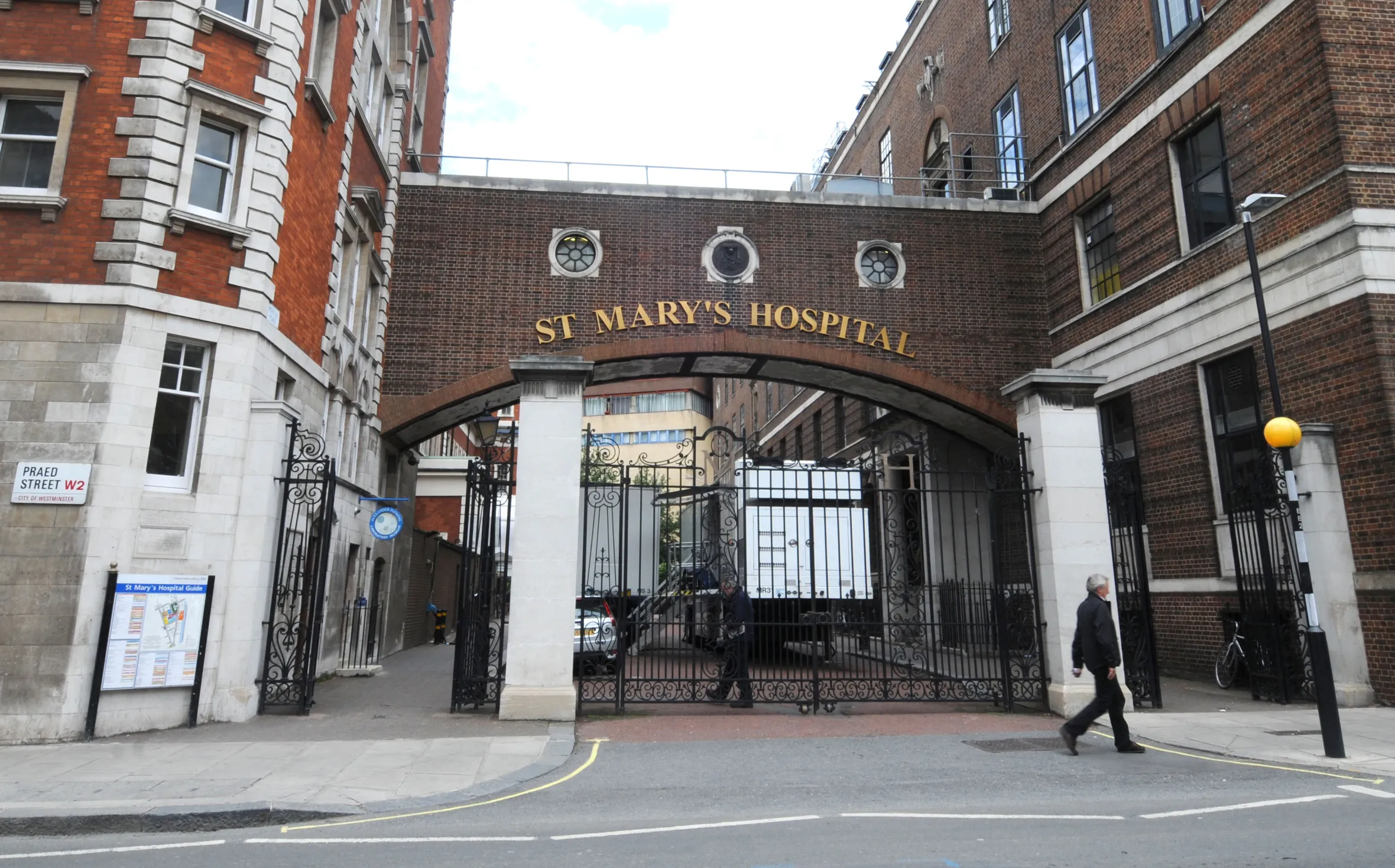
The paediatric intensive care consultant worked for three decades at St Mary’s Hospital, in Paddington, west London, helping to research meningitis and find the best ways to treat it.
In 1992, St Mary’s set up a dedicated paediatric intensive care unit in response to the large numbers of meningitis cases, which at their peak hit more than 2,500 a year. The hospital became a regional centre. “Effectively it was the main centre for children with meningococcal infection and at the height of the outbreak in the 1990s we would see in our intensive care unit 100 children a year with meningitis,” said Nadel, who joined the hospital as a research fellow in 1991.
 Alamy
Alamy
As a result, St Mary’s helped to develop the first protocol for treating meningitis cases, saving hundreds of lives. At the hospital, mortality rates for meningitis cases fell from 23 per cent in 1992 to 2 per cent in 1997.
The team’s work remains the standard of care to this day.
Few bacterial infections are as lethal and devastating as those caused by Neisseria meningitidis. In the blood it triggers meningococcal septicaemia, sparking an overwhelming immune response in the body that can kill sufferers on the day they begin feeling unwell.
If the bacteria gets into the spinal fluid, where it can proliferate and spread to the lining of the brain, it causes meningitis, leading to brain swelling and complications such as cerebral palsy, deafness and epilepsy. Patients can suffer multi-organ failure and if they survive, may have to have limbs amputated.
The disease first rose to prominence in the First World War when army recruits from across the world were crammed together in close quarters. Nadel said from the moment an infection begins, the clock is ticking and treatment with antibiotics is essential. “Unfortunately it does look just like a flu-like illness with people generally feeling achy and unwell,” said Nadel.
“A large number of patients go to their GP first or to the emergency department. They have to recognise signs of a serious illness such as a very rapid heart rate. The first specific sign of meningitis is a rash that does not disappear when under pressure. That’s why paramedics are told they should give a shot of penicillin as quickly as possible. The earlier you give antibiotics the better.”
Often, the most crucial factor for seriously ill patients is to increase the amount of fluid in their blood to improve circulation to major organs. Nadel said that over a series of hours a teenager’s entire blood volume could be replaced with IV fluids.
With minute-by-minute observations, the team of clinicians look out for complications such as kidney failure and support the body to heal. “It is one of the most challenging jobs,” Nadel said, adding: “Unfortunately the majority of patients who die from septicaemia die in the first 24 to 48 hours.”
Among the pressures, he said, was keeping families informed and handling their trauma. “You have to tell them that there’s a significant risk that their child is not going to survive. You may have to tell them that their arms or legs may need to be amputated or their fingers or toes. You may have to tell them they may have brain damage.”
However, Nadel has seen children bounce back from the worst stages of the disease. He recalled the case of a 14-year-old girl who was so severely ill she needed cardiac massage almost as soon as she arrived on the ward and suffered kidney failure within hours.
“It also became clear that one of her feet was turning black as it wasn’t receiving enough blood,” he said. After ten days she recovered and although she had to have an amputation she recovered and four years later went to university, where she joined the mountaineering society.
With the Kent outbreak driving a debate about wider vaccination, Nadel said he had always hoped the meningitis B vaccine would be used regularly.
He said: “Maybe this outbreak demonstrates that you know there’s still a significant risk in young adults and adolescents and we need to re-look at the data, particularly if the incidence of the disease might be going up because of a lack of shared immunity or people who’ve not acquired the immunity because of what’s happened post-Covid.”
But he said crucially people needed to get vaccinated, adding he was worried that not enough parents were getting their children jabbed.
“I think people are relying on the fact that other kids are protected so they’re relying on herd immunity to protect them and I think we’ve shown with the measles outbreak that that really isn’t adequate. The only way you can be sure that your children are protected is to get them vaccinated.”