
Investigations are underway after reports that masses of roosting grey-headed flying foxes have been displaced.
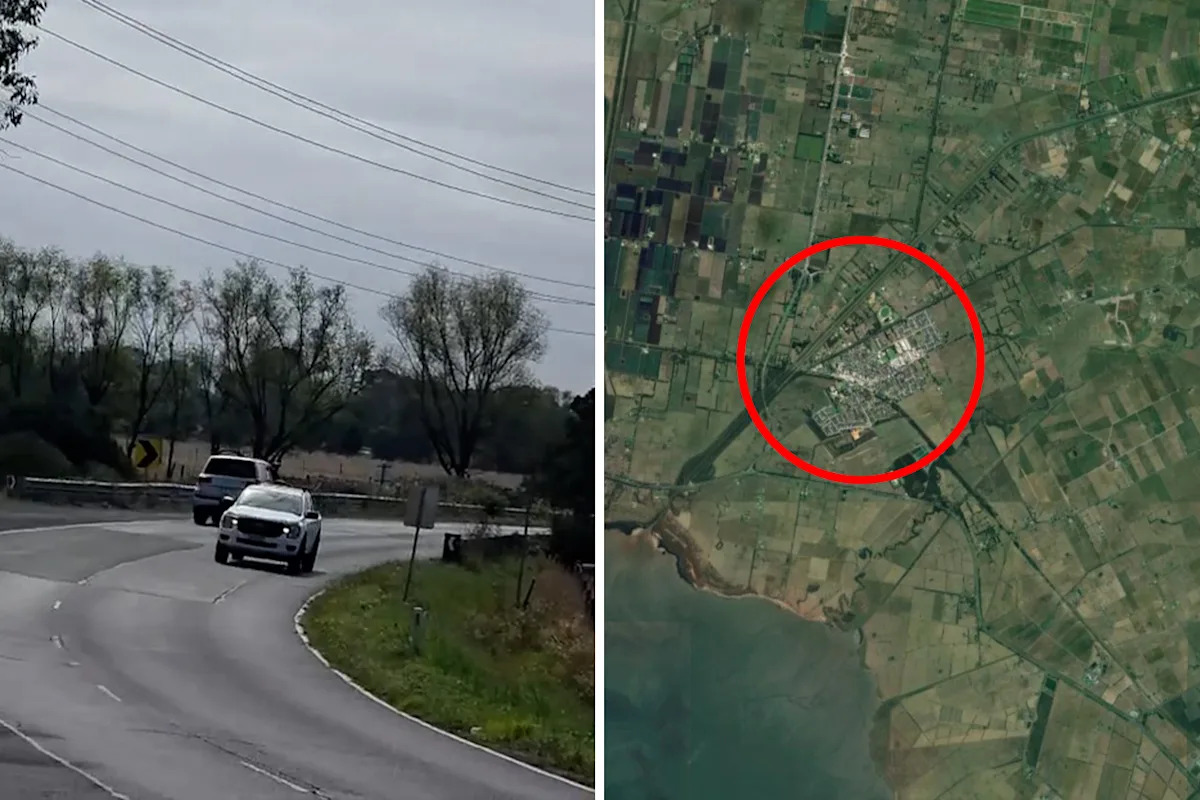
Large numbers of bats have been filmed flying around 63km southeast of Melbourne, after tree harvesting works began in a plantation they had been roosting in.
Flying fox rescue group Fly By Night has warned anyone driving in the Koo-Wee-Rup area to take “extreme caution”, as it expects disoriented bats to be travelling low at night, posing a danger to themselves and people.
Across Australia, there have been previous incidents during which flying foxes have collided with humans after being displaced.
In an unrelated event in 2022, disoriented bats flew into cars, people, and even dogs during a starvation event.
And in 2023, wedding guests at a property in NSW were unnerved after flying foxes flew towards their tables.
While grey-headed flying foxes are still commonly seen in the night sky, numbers have plummeted around Australia, and the species is listed as vulnerable to extinction both federally and internationally.
If members of the public find a displaced animal on the ground, they are warned not to touch it, as on rare occasions, they can carry zoonotic diseases.
Instead, they’re urged to contact their local wildlife rescue group.
Thoroughness of investigation questioned
Officers from Victoria’s Conservation Regulator, which sits within the Department of Environment (DEECA) were sent to the private property in Koo-Wee-Rup where logging occurred, after multiple wildlife rescuers reported grey-headed flying foxes had been displaced between Wednesday and Friday.
It told Yahoo News that its officers “found no immediate animal welfare risks”.
But Fly By Night, independent rescuers, and a Victorian politician, have questioned the thoroughness of the investigation, alleging officers have not adequately searched the property or looked under logs for crushed animals.
Founder of the Fly By Night, Tamsyn Hogarth, told Yahoo News, “They really need to check under the logs for bodies”.
She’s repeatedly voiced concerns that flying foxes aren’t as highly regarded as other native species in Australia, because they’re often maligned as a nuisance.
Animal Justice Party MP Georgie Purcell echoed her concerns about the search, saying it was “inexcusable” if the reports were correct that officers had not looked beneath logs.
She also questioned whether the stress had been factored into the agency’s assessment.
“The impacts that this operation may have had on this colony likely won’t be known for some time,” she said.
When contacted by Yahoo News, the Conservation Regulator did not respond directly to the concerns raised about its investigation, but it noted the matter was ongoing.
Do you have a story? Contact newsroomau@yahoonews.com
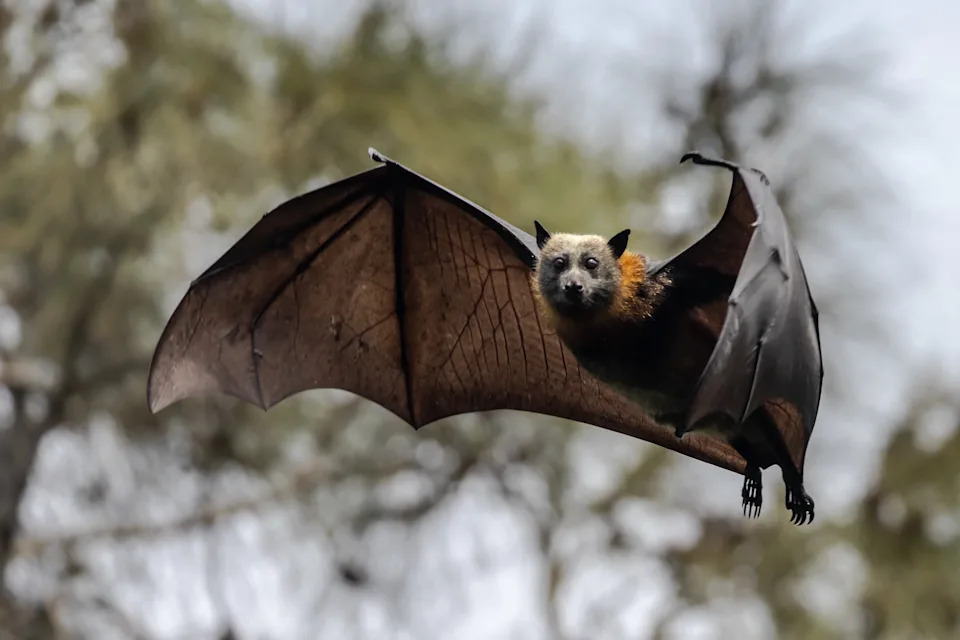
Grey-headed flying foxes are listed as vulnerable to extinction. Source: Getty
(Getty Images/iStockphoto)1,000 bats alleged to have been displaced
Fly By Night estimates there were at least 1,000 flying foxes living at the site, but surveys after the tree harvest found only 200 in the immediate area.
Hogarth warns that a sudden loss of habitat would leave the animals exhausted as they search for a place to roost and feed.
But it’s the juveniles she’s particularly concerned about.
“I’m confident there would have been pups – we’re still seeing 12-week-olds in camps,” she said.
“They’ll still be dependent on their mums and pretty vulnerable because they can’t do long-distance flights.”
Displaced flying foxes are particularly susceptible to hot weather, and thousands died in heatwave events earlier in 2026.
To survive, they seek out dense forests where it’s cool. But, worryingly, the large numbers of flying foxes have been seen in exposed narrow patches of trees beside railway tracks and fencelines.
Anyone with information about the alleged incident is urged to contact Crime Stoppers on 1800 333 000.
Do you have a story tip? Email: newsroomau@yahoonews.com.
You can also follow us on Facebook, Instagram, TikTok, Twitter and YouTube.