
Months before the Iran war shuttered global oil exports, a report warned the federal government of a “severe economic impact” if a fuel supply crisis hit.
The report was unearthed by the ABC during a freedom of information request to the National Emergency Management Agency (NEMA).
Set up in 2022 in response to the catastrophic Black Summer fires, NEMA is the primary government body for disaster recovery and emergency management.
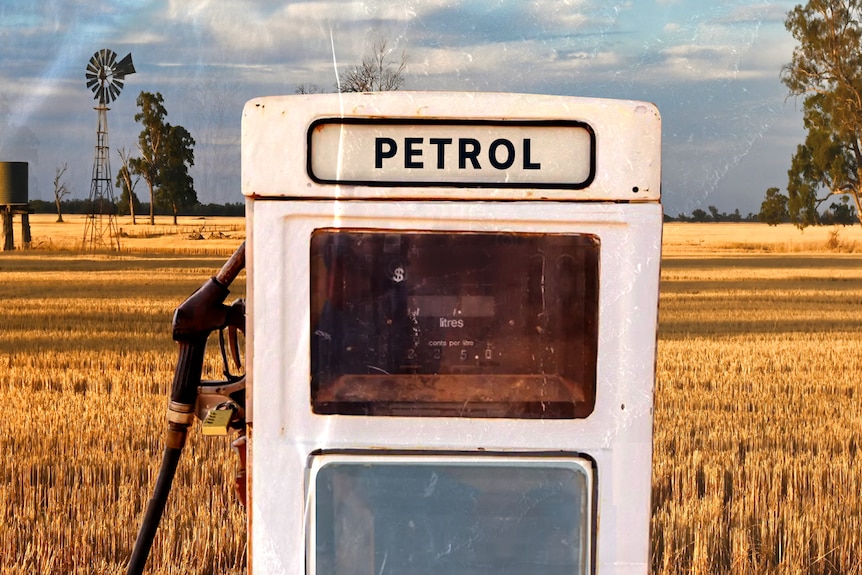
The agriculture sector and the regions were likely to feel the pain first, according to the exercise report. (ABC News: Sharon Gordon)
In May last year, 314 government agencies, industry partners and not-for-profit organisations took part in a NEMA exercise to “war game” responses to a disaster.
Part of the 21-day scenario probed how the government would respond if fuel imports into Australia fell by 75 per cent and an ensuing misinformation campaign took hold.
Nine months later, the country is staring down the barrel of disrupted fuel supplies with regional towns already running out of fuel.
Do you know more?
If you have any information about the story, contact Anton Rose.
Dubbed “Exercise Convergence”, the operation focused on what would happen if a fuel supply crisis was compounded by other simultaneous disasters.
The final report from the exercise, obtained by the ABC, identified state government agencies who took part warning of several “areas of concern”.
A national fuel shortage, it found, would have: “A cascading effect on logistics and emergency services.”
Warnings of ‘severe economic impact’ last year
The exercise played out a scenario eerily similar to what is now unfolding as Iran shut the Strait of Hormuz over its war with the United States and Israel.
The strait handles about 20 per cent of the world’s oil exports — its closure has sent prices at the bowser across the country soaring.
Some service stations have been selling fuel for over $3 a litre.
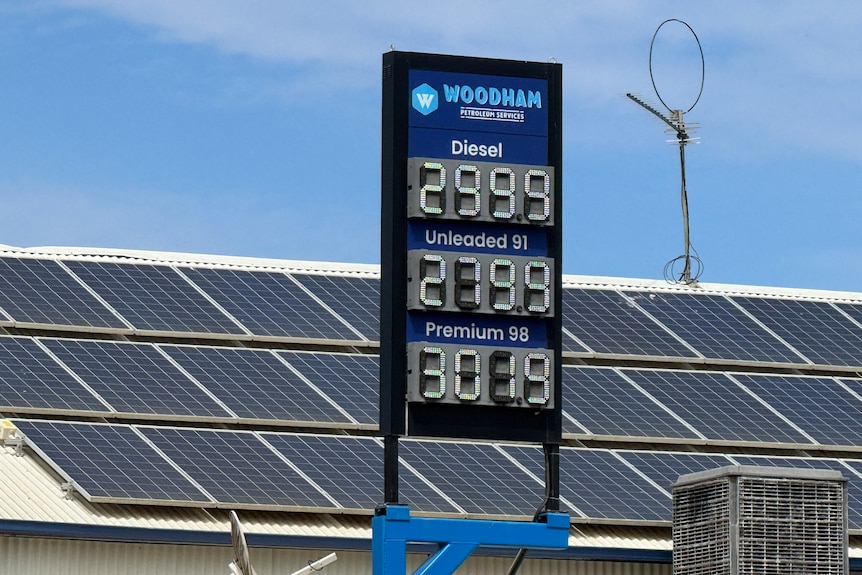
A fuel station in Walgett, where diesel was listed for $2.99 a litre this week. (Supplied)
The crisis last week forced the federal government to feed about a week’s worth of fuel held in its reserves into the domestic market.
According to the NEMA report, industry representatives who took part in Exercise Convergence last year warned of a “severe economic impact”.
“Industry and non-government sectors noted that catastrophic crises like the ones presented at Exercise Convergence would cause a severe economic impact, principally with regard to limited fuel supply,” it said.
“Most notably, limited fuel supply having a significant impact on the agricultural sector, particularly in relation to crop and harvests.
“Maintaining critical service delivery is a top priority and is crucial to the economic stability and social well-being of Australia.”
The fuel crisis comes at a difficult time for farmers and outback communities already reeling from a fertiliser shortage.
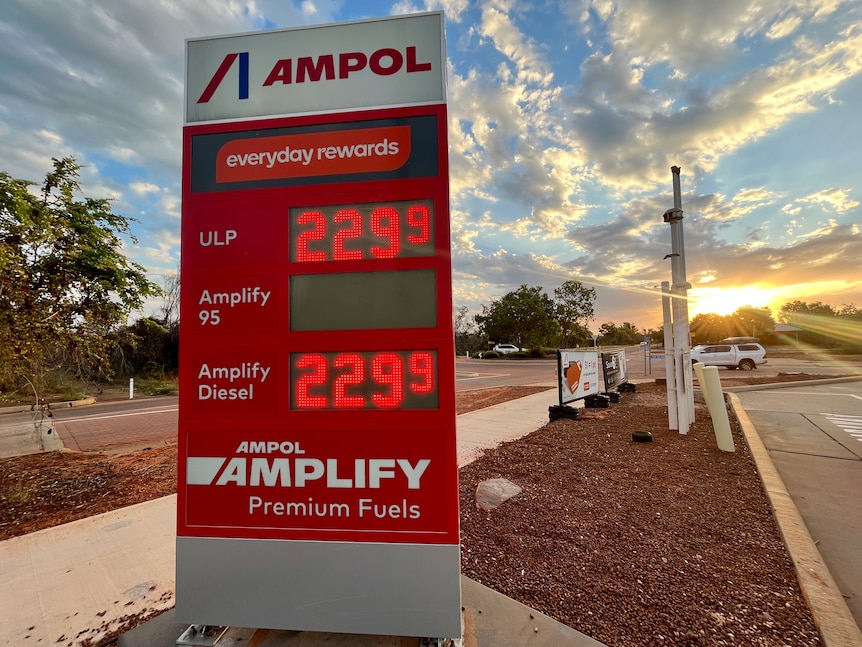
In Broome last September prices for unleaded petrol were already at 229.9 cents per litre. (ABC News: Erin Parke)
On Wednesday, growers told the ABC the double hit to the sector would impact the winter cropping season and see prices rise in the supermarket.
“Fuel shortages, for example, have cascading impacts across jurisdictions, particularly regarding disrupting logistics, inflating prices, and threatening the delivery of essential goods to disproportionately at risk communities,” the NEMA report warned.
“These primary and tertiary consequences expose the fragility of critical infrastructure and the urgent need for better coordination, particularly in fuel distribution and supply chain resilience.”
The 2025 report now raises questions over how well-prepared Australia was to handle the current fuel crisis.
The federal government did not respond directly to questions when contacted by the ABC.
“The purpose of the exercise is not to provide formal advice to the government about any one type of emergency,” a spokesperson for Emergency Management Minister Kristy McBain said.