
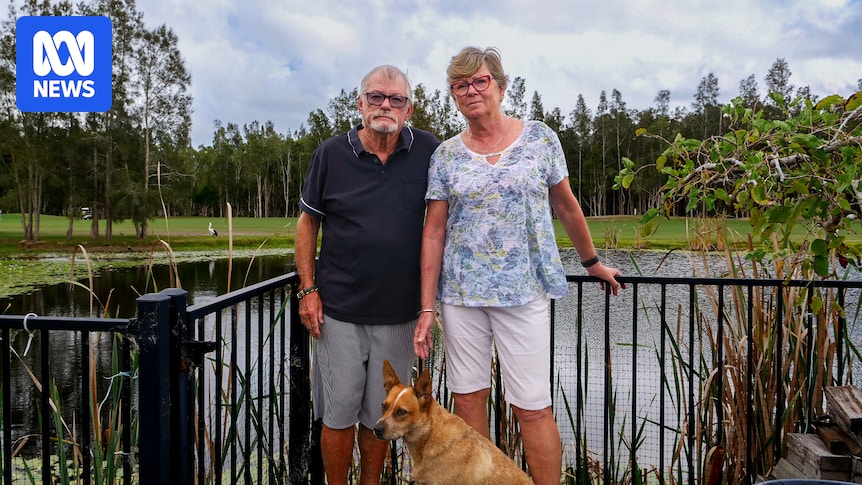
The promise of Australian retirements is often sold to look something like Carolyn Smith’s.
A sea change to a small, like-minded community. Modest but affordable living, propped up by superannuation cultivated over a lifetime’s hard work.
Comfort, contentment, happiness.
Only, for the 67-year-old Ms Smith, and many other Australian retirees, that promise has started to break.
A phase of life that looked quietly hopeful now prompts a sense of dread.
“It is scary,” said Ms Smith, who lives on the NSW Mid North Coast.
“We try not to think about it too much because it would be a very overwhelming feeling.”
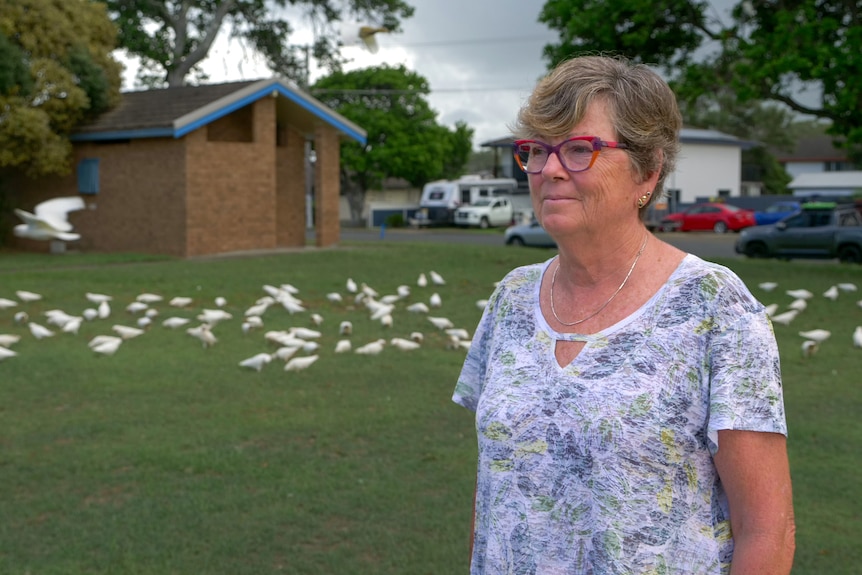
The cost of insurance is changing the retirement plans of Carolyn Smith. (ABC News: Wiriya Sati)
Amid the swirl of ever-suffocating cost-of-living pressures, what has proved truly destabilising for Ms Smith’s retirement is the rising cost of insurance.
Over the past five years, the average cost of home insurance in Australia has increased by 51 per cent, according to analytics firm Finity.
That might be difficult enough to absorb for working-aged Australians, but for some retirees on constrained budgets, it is seeing a dream collapse in on itself.
“These are fixed incomes that once something changes in their budget, like their home insurance premiums going up above the level of inflation, suddenly their situation becomes much more precarious,” said Billy Pringle from the Combined Pensioners and Superannuants Association of New South Wales (CPSA).
“It turns retirement into a little bit of a prison.”Costs wipe 25 years off retirement plan
When the ABC recently asked Australians what their biggest expenses were, insurance was a consistent response.
“I’ve just had my home insurance come through, which is now $30 more per month. There’s just no room for splurging on anything outside the necessities,” wrote Jackie, who lives in the Victorian town of Geelong.
“Home insurance, storm insurance, health insurance and car insurance are more than $10k combined. More than what we spend on groceries for a family of three,” wrote Julia in Brisbane.
Many respondents said paying for home, car and health insurance were their biggest expenses, forcing them to cut back in other areas.
One Queensland respondent said she had cancelled all her insurance policies to make ends meet.
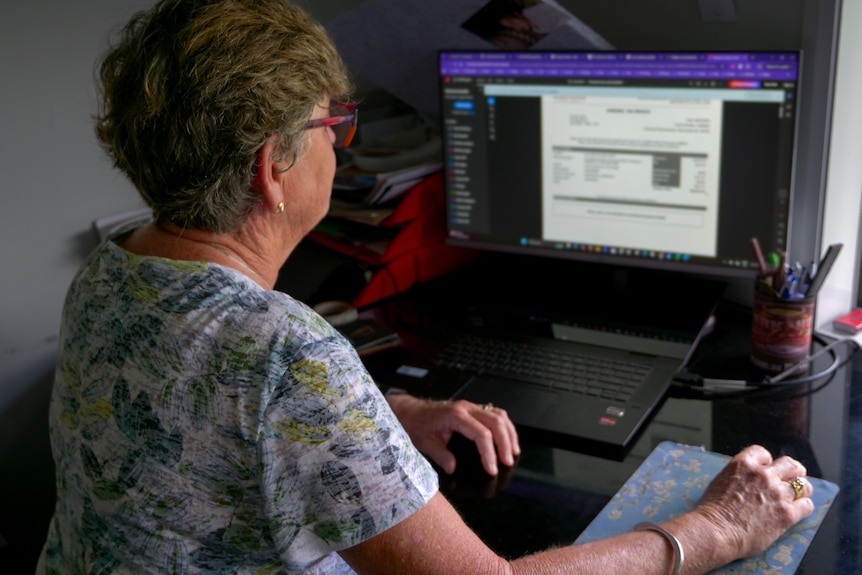
The Smiths are now paying almost $100 a week for home and contents insurance. (ABC News: Wiriya Sati)
When Ms Smith and her husband Ian made the move eight years ago from Sydney to Harrington, about an hour south of Port Macquarie, they thought they had got the balance for their retirement just about right.
They found a home close to the coastline but, according to the local council, not at risk of flooding.
Their insurer saw it differently.
Ms Smith had been a “loyal NRMA customer for 40-odd years,” but she said they rejected the flood risk assessment and quoted an additional $6,000 to the premium.
The Smiths shopped around and found a better deal through a broker – but in the short time they have lived in Harrington, the amount they pay each year has doubled.
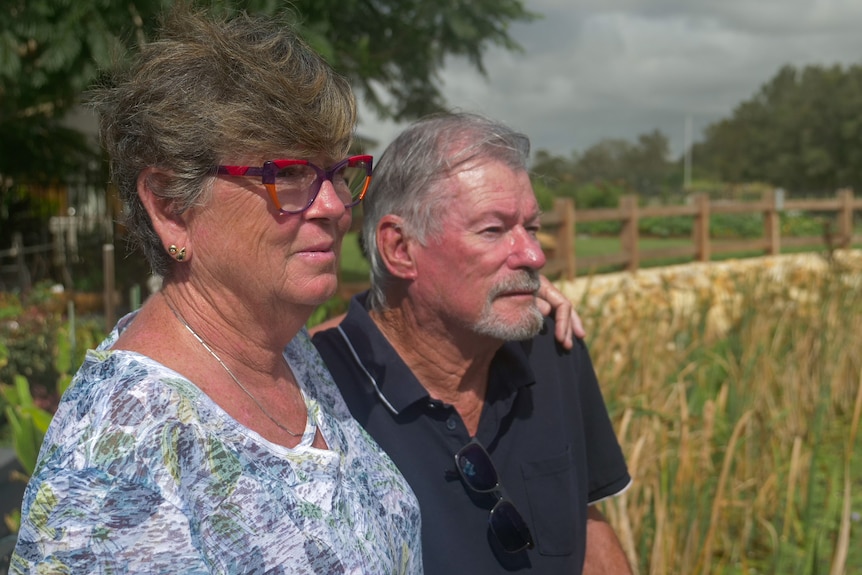
The Smiths have been told to rethink their financial outlook. (ABC News: Wiriya Sati)
When combined with other insurance (health in particular) and swelling cost of living pressures, the future the couple mapped out for themselves now looks unsustainable.
“This morning, we had a conversation with our financial planner. When we first retired and started living off my super and pension, he gave us a predicted age we could get to when our super would run out,” she said.
“We used to be looking at close to the 100-year-old mark. Now he’s saying we’re going to have to look at downsizing or doing the reverse mortgage thing in about 10 years at the longest if we keep going through our funds at this rate.
“That’s 25 years difference.”
Climate change only part of the problem
It is a scenario Julia Davis from the Financial Rights Legal Centre has been witnessing more.
“The cost of insurance is … easily becoming unaffordable. It’s well above inflation. It’s well above wage growth,” Ms Davis said.
“We just spoke to someone whose premiums have increased 400 per cent. She’s on a fixed income, she’s retired, there’s just no way she can absorb that cost.”
As whole towns risk becoming uninsurable due to the effects of climate change, much of the focus around rising costs has been directed at communities exposed to extreme weather events like fire and flooding.
According to the Insurance Council of Australia, extreme weather events have cost insurers an average of $4.8 billion per year since 2020.
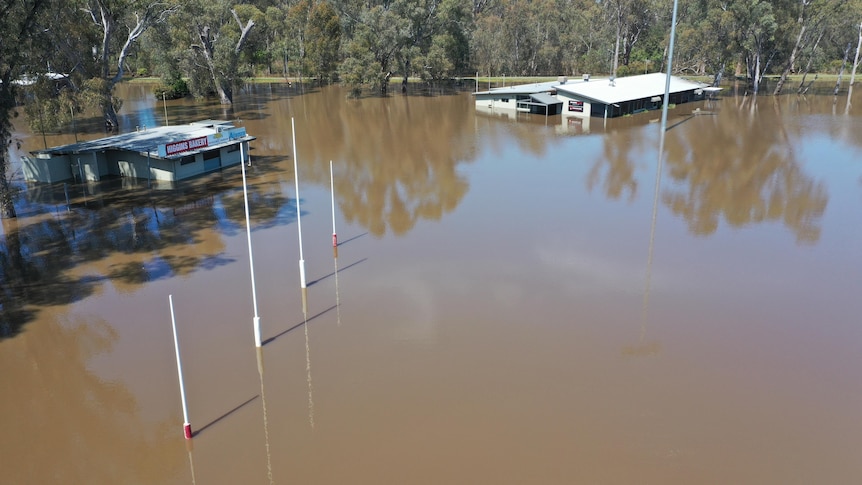
Extreme weather events are driving up insurance costs, but they are not the only factor. (Supplied: Shepparton Swans)
The effect of that is being felt even in areas not at risk of flooding or bushfires.
“Insurance pricing is risk-based, but there is some degree of cross-subsidisation,” said Han Li, associate professor of actuarial studies at the University of Melbourne.
Dr Li, whose research cuts across insurance risk and ageing populations, said it is not just climate change or inflation pushing up prices.
“The cost of repairing or rebuilding homes has also risen significantly due to higher construction costs and supply chain pressures,” she said.
“Even if we assume that the frequency of claims does not change from time to time, the cost per claim is higher, just because the cost of repairing and rebuilding homes is higher.”
That cost is increasingly being borne by people who cannot afford to pay it.

Cost-of-living pressures like rising insurance are destibilising retirements. (ABC Wide Bay: Lucy Loram )
Data from the Actuaries Institute shows 15 per cent of Australian households are unable to afford home insurance.
The CPSA, who advocate for older people, particularly those on low incomes, said they are increasingly hearing from members that insurance cost is a key concern.
Around 75 per cent of respondents to a recent survey by the organisation ranked rising insurance premiums as a “very important” issue.

There are fears retirees on fixed incomes will start forgoing social and community activities. (ABC News: Jeremy Story Carter)
“As they’re seeing their premiums go up, they’re often having to face the very difficult decision of, ‘do I cut back in my other living expenses in order to afford this or do I do I forego the insurance altogether?'” said Mr Pringle, a senior policy officer at the CPSA.
“We’re hearing from our people that it’s creating a real sense of anxiety for them. It leaves them in a very difficult position, and it puts them at a really great risk.”
There is also a real onward danger, Mr Pringle believes, of older Australians pulling back from the sort of social community activities that are vital for physical and mental health.
“If they are not able to leave their house, because doing so in any way except maybe going for a walk around your block is going to cost you some amount of money, it means that all they’re doing is just trying to get by day-to-day,” he said.
“That’s a really horrible way for somebody to live.
“It represents a bit of a betrayal of that expectation and the assumptions of what you’re working towards when you’re working towards a retirement.”
Anxiety and a ‘lack of control’
The Insurance Council of Australia has called for more spending on climate resilience, and Dr Han Li thinks greater focus should be directed toward mitigation measures for communities.

Han Li research cuts across insurance risk, climate change, retirement and ageing. (Supplied: University of Melbourne)
“I totally understand people feeling the lack of control and the unknowns making people feel very anxious about the future, about their retirement planning,” she said.
“This problem is not going to be solved by one sector of society. It’s not going to be solely solved by insurance pricing; it’s not going to be solved just by people being more aware of the risk. It’s going to need a joint effort.”
She encouraged people to shop around regularly for better deals on their insurance.
Recent YouGov polling commissioned by the Climate Council found that one in five people are likely to consider going without insurance if premiums continue to rise.
In Rockhampton, retiree Christine Haynes is one of them.
“It’s our biggest expense. Every year in January, we get the letter from our insurance people, and I cross my fingers saying, ‘Oh my God, I hope it hasn’t gone up too much,'” Ms Haynes said.
“It’s difficult to say what would the tipping point be of when we decided, ‘No, it’s too expensive to pay.'”
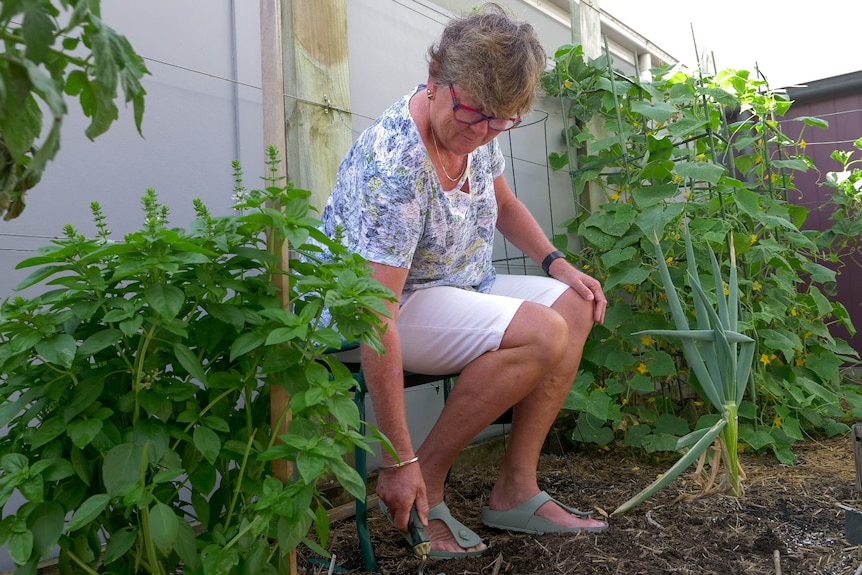
Carolyn Smith is trying to grow more and more of the food they eat at home. (ABC News: Wiriya Sati)
Across the border in NSW, the Smiths’ home and contents insurance now costs them almost $100 a week.
Whatever wealth they have is tied up in their home, so the thought of going without insurance and potentially losing everything if something happened to the property has not been considered.
Instead, they are attempting to grow more of their own food and pull back in the few remaining places they have left.
“We don’t go out for meals anymore. If we have to go into town to do shopping, we take lunch with us rather than even getting a sandwich and a soft drink at a cafe,” Ms Smith said.
“We try to just sort of be a bit laid back, but that’s hard, and [the issue] keeps coming up.
“It’s very frightening, the whole thing.”