
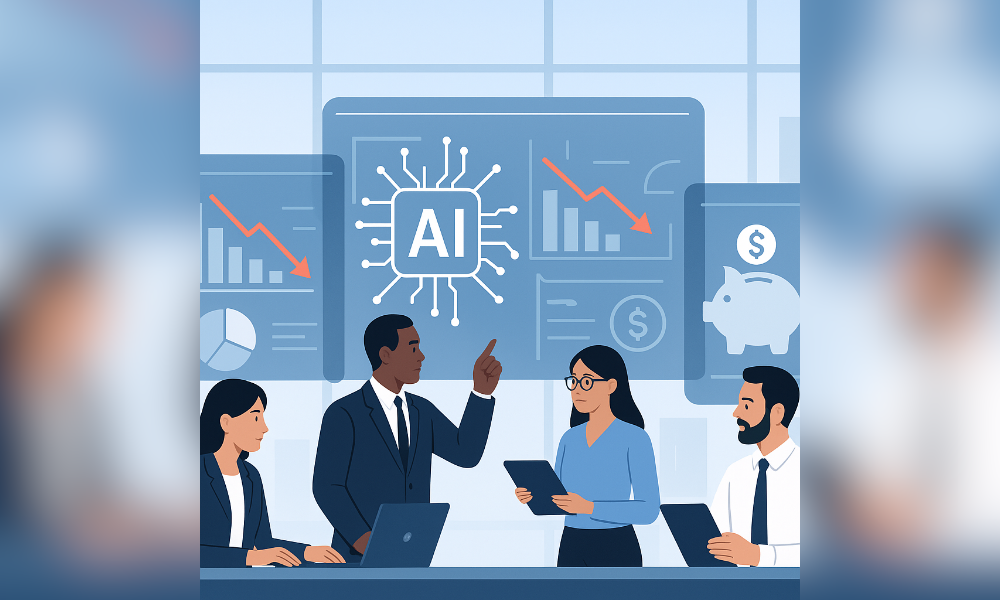
The traditional architecture of professional development rested on a straightforward exchange. Junior workers performed high-volume, lower-complexity tasks — research, drafting, data processing, scheduling, analysis — in exchange for mentorship, exposure, and the gradual accumulation of judgment. That exchange is breaking down. The tasks that formed the bottom of every career ladder are precisely the tasks that large language models and AI agents perform cheaply, instantly, and without requiring onboarding, superannuation contributions, or annual leave.
The consequence is not simply that fewer graduates get hired. It is that the cohort currently entering the workforce will develop their careers with less foundational experience, fewer opportunities to build judgment through repetition, and a compressed timeline between university and senior expectation. That has implications that will reverberate through Australian organisations for a decade or more — in leadership pipelines, in institutional knowledge, and in the capacity to mentor the generation that follows.
For heads of people and culture, talent acquisition directors, and chief human resources officers, this is not an abstract concern. It is a concrete challenge to the operating model of how their organisations grow capability over time.
The skills gap is wider than most Australian organisations realise
Sunak describes AI literacy as the contemporary equivalent of a driving licence. It is a deliberately everyday analogy, and it is the right one. The question is no longer whether employees will need to work alongside AI tools. It is whether your organisation is seriously building that capability, or assuming it will arrive organically.
The evidence suggests most organisations are behind. According to Stanford’s 2025 AI Index, 78% of organisations globally are already using AI in at least one significant part of their operations — up from 55% in a single year. Yet only around 43% of workers in developed economies report regularly using AI tools at work, and roughly 40% describe themselves as actively disengaged from AI adoption.