
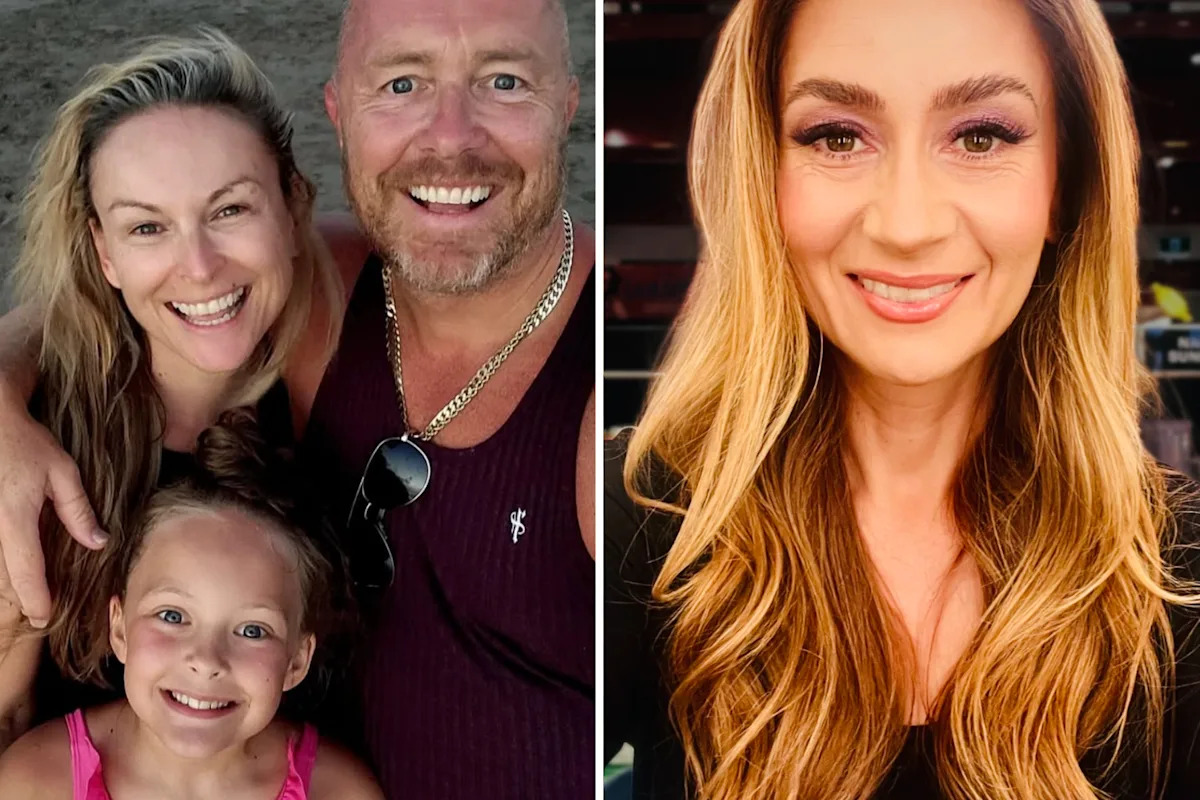
With the tragic death of Married At First Sight expert Mel Schilling, many Aussies might be now looking into colon cancer, what causes it, and how to prevent it.
Incidents of colon cancer, also called bowel or colorectal cancer, is slowly decreasing for Aussies over 50, partly thanks to increased early detection screening measures.
But there’s been a spike in younger people developing the disease, and the concerning part of that trend is experts aren’t sure what’s causing it.
Gastroenterologist Dr Réme Mountifield, who specialises in Inflammatory Bowel Disease (IBD), told Yahoo Lifestyle there are plenty of theories out there, but nothing concrete just yet.
“Genetics and family history don’t change, so what must be changing to increase the incidence is something in the environment. We just don’t know what the cause is yet,” the Associate Professor said.
RELATED:
But the South Australian expert said there could be certain dietary changes people can make over time could lower the possibility of developing the life-threatening disease.
“What we do know is that a diet higher in fibre, lower in processed red meats, little bit higher in calcium, all these things are really important in bowel cancer prevention,” she said.
“In the long term, it would be great to be able to give people a diet prescription and say, ‘Here’s your genetics, this is your risk profile, and this is what you should eat in order to prevent cancer’.
“The research really isn’t ready for that.
“But it’s going in a good direction to understand how diet influences the bugs in the gut or the microbiome, and how that then influences your risk of cancer.”
Do you have a story to share? Contact au.lifestyle.ent@yahooinc.com
What do we know about colon cancer in Australia?
Colon cancer was the second-most common cause of death from cancer in 2025 and, according to Cancer Australia, an estimated 14,784 cases were diagnosed last year alone.
The disease develops in the lining of the colon or rectum, often without obvious symptoms at first, and can spread rapidly if not detected early.
It’s typically thought of as an old person’s disease, with the average age of diagnosis being 68 for men and 69 for women.
But health data shows cases among Aussies aged 30 to 39 have more than tripled in the past 25 years, and experts are trying to find out why.
“There have been theories,” Sydney-based gastroenterologist, Professor Viraj Kariyawasam, told Yahoo Lifestyle.

Professor Viraj Kariyawasam said the rates of bowel cancer in people 30 to 39 have jumped up massively. Source: Viraj Kariyawasam/Supplied
“Any any kind of cancer or any diseases have a genetic predisposition and then a environmental switch that triggers it.”
He didn’t have any involvement in Mel’s case, but he said experts are still trying to know more about the disease and how it ticks.
“Whether it’s driven by the gut microbiome, whether it’s driven by processed food, whether there are connections to other environmental changes, or chemicals within the environment, we don’t know,” he said.
Colon cancer, IBD and fibre intake
Dr Mountifield said patients who suffer from IBD, such as ulcerative colitis and Crohn’s disease, face a two‑to‑three‑fold increased risk of colorectal cancer.
IBD is associated with an increased risk of colorectal cancer due to chronic inflammation of the intestinal lining.
Research has shown that people living with IBD have a three to five times higher risk of developing colorectal cancer compared to the general population.
While Aussies are obsessed with ensuring they have enough protein in their diet, Dr Mountifield said fibre should also not be forgotten about.
“Fibre is so important to gut health in a number of ways, not just for bowel cancer prevention but also in keeping your bowels regular, which can improve IBD,” she said.
“Green leafy vegetables are your best source of fibre, fresh fruit, nuts, and legumes, beans, cereals, and wholegrains will give you a lot of both insoluble and soluble fibre.”
“If you eat a good amount of fibre, you’re going to have a really healthy microbiome and healthy gut.”
Why you shouldn’t wait if symptoms start showing
Mel Schilling was diagnosed with the cancer when she was in her early 50s.
While she had surgery to remove a tumour and chemotherapy, the disease metastasised and spread to her brain over two years.
Mel admitted she delayed seeking treatment and dismissed many of the early warning signs.
Early detection through screening tests and colonoscopies is crucial, as 99 per cent of bowel cancers diagnosed early can be cured.

Mel Schilling revealed earlier this month the cancer had spread to one side of her brain. Source: Instagram/Mel Schilling
“People should not have the ‘ick factor’ by having a stool test or about a colonoscopy. Go and see the GP if you have any concerns, and don’t dismiss symptoms,” Dr Mountifield said.
“It’s really important and life-saving.”
Professor Kariyawasam said doctors might not be inclined to scope younger people because the majority of the symptoms could be viewed as benign or caused by irritable bowel syndrome (IBS).
“I think that has led to lot of the GPS and doctors not taking young patients symptoms seriously and labelling them as it’s nothing,” he said.
“That is, unfortunately, leading to delays in diagnosis because people are ignoring these symptoms.”
However, with the rise in cases among younger people, this is now being challenged.
He’s calling for the national screening program to lower the age eligibility from 45 to 40, as that could help catch even more cases of the disease before they get worse.
Want the latest lifestyle and entertainment news? Make sure to follow us on Facebook, Instagram, and TikTok.