
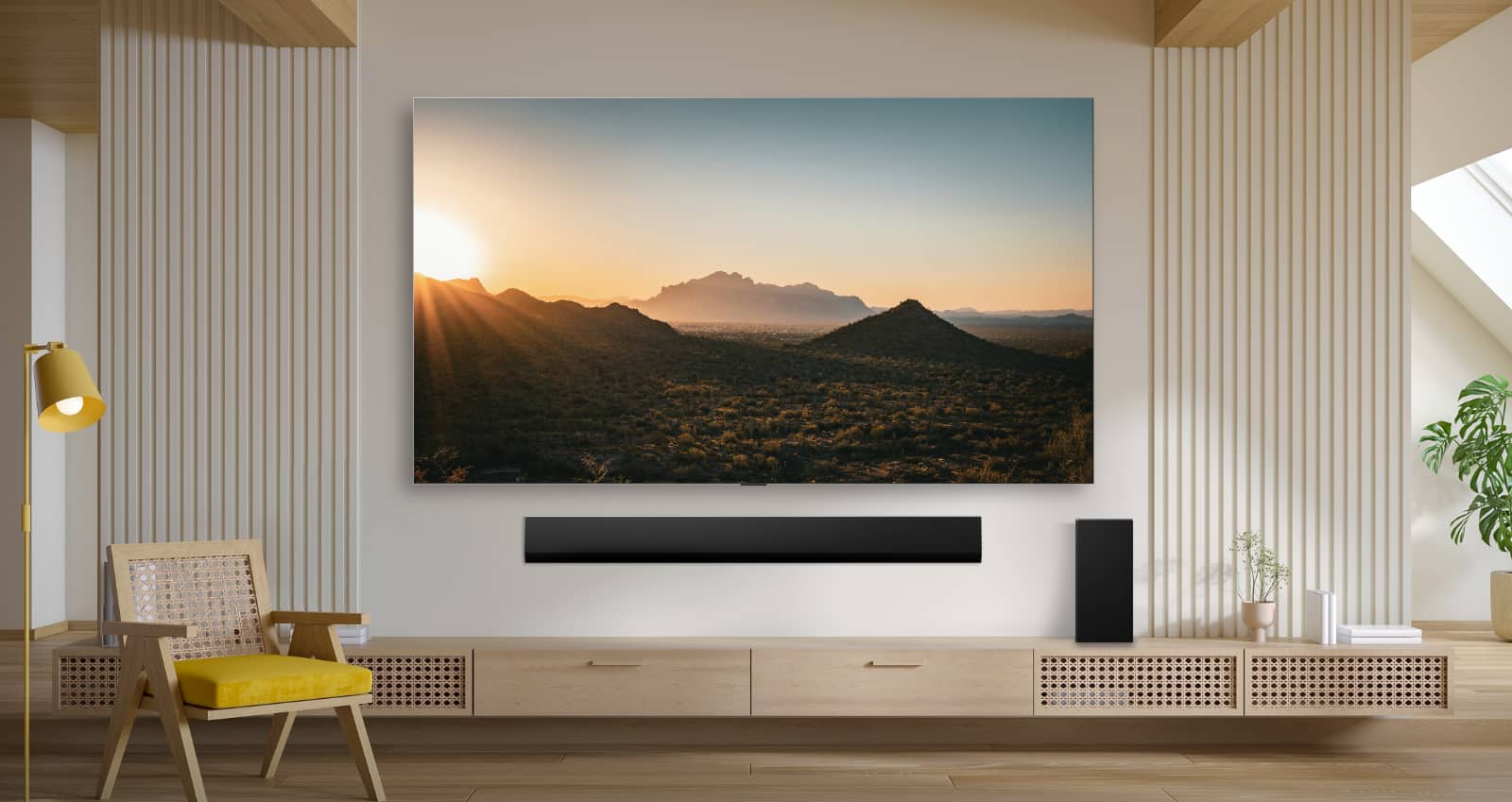
There’s a time every year when you can bet that old TV prices will go down in the lead up to new TVs arriving. It’s just a part of the year, much like when new phones come out and force the cost of old ones to go down.
For TV buyers, that time signals what’s about to be “old” as the “new” arrives, and if you’ve been paying attention, that time is also now.
LG is one of the first, beaten ever so slightly by Samsung’s 2026 OLED launch, though LG has a little more that it’s revealing than simply OLED screens. Rather, it has LED backlit screens for some price points, OLED for others, and a new technology that’ll start to pop out, too, sitting in the middle: Micro RGB.
It’s a combination of technologies that’ll see bright screens for pretty much every price point, and even flexible sound on offer, as well.
“We don’t believe in a one-size-fits-all solution, said Tony Brown, General Manager for Media Entertainment Solutions Marketing at LG Australia. “Our commitment is to offer Australians a genuine choice, backed by our deep expertise across a range of world-class display technologies,” he said.
2026 QNED Evo
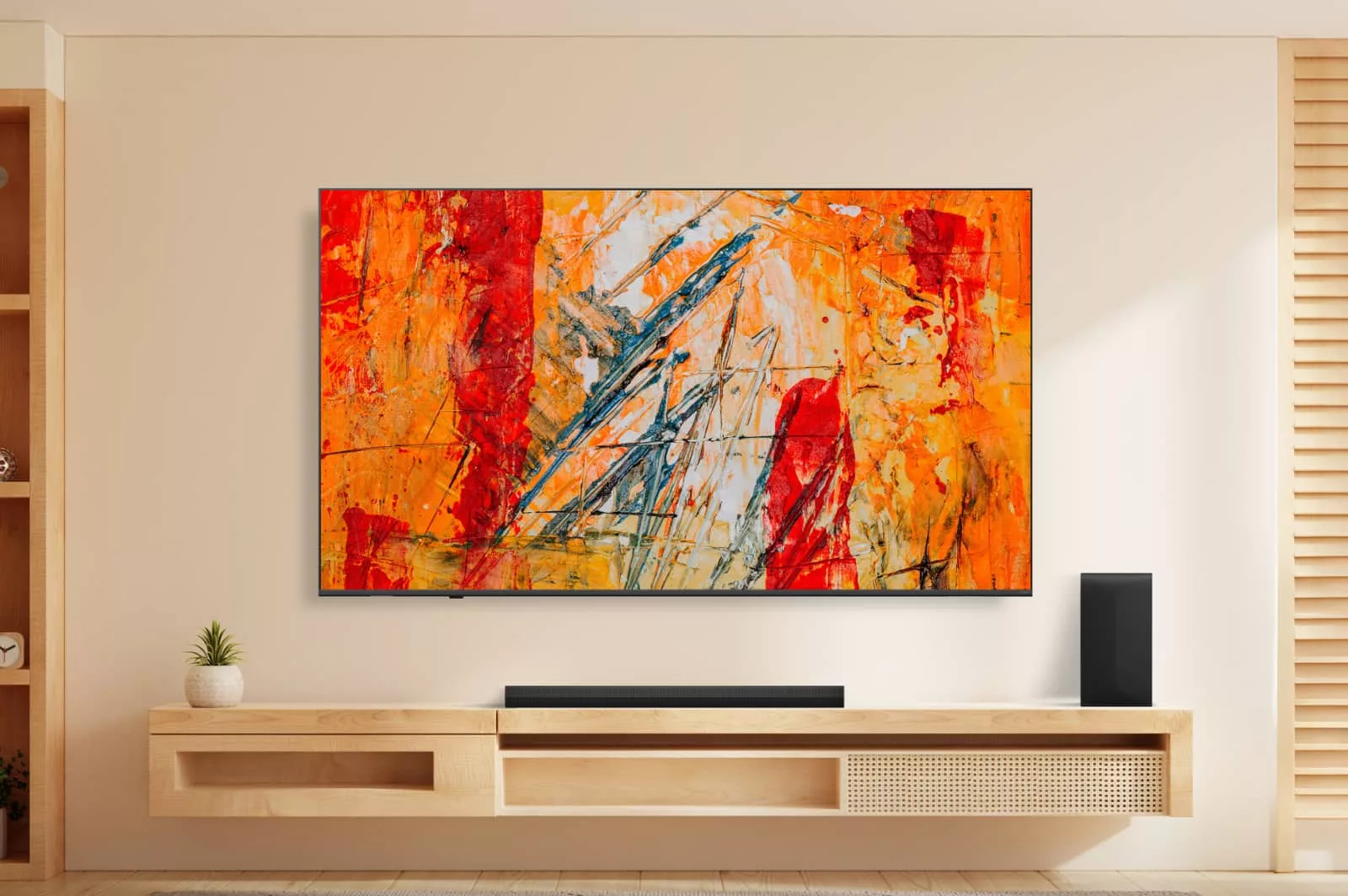
LG’s QNED technology kicks that off, back for another year with more quantum dots (hence the “Q”) and more Mini LEDs (technically the “NED” for “Nano-Emitting Diode”). This technology is essentially LED-backlit tech with tiny white LEDs for the light behind the screen, and quantum crystals to hone the colour of the pixels.
Think of it as reaching similar colour vividness to OLED without having to spend up on OLED.
It’s clearly not the same technology, but the 2026 QNED Evo approach will boost the colour to 100 percent of the P3 gamut, the same colour profile used on Macs and other high-end screens, bringing it to more displays at the low and high end of the range.
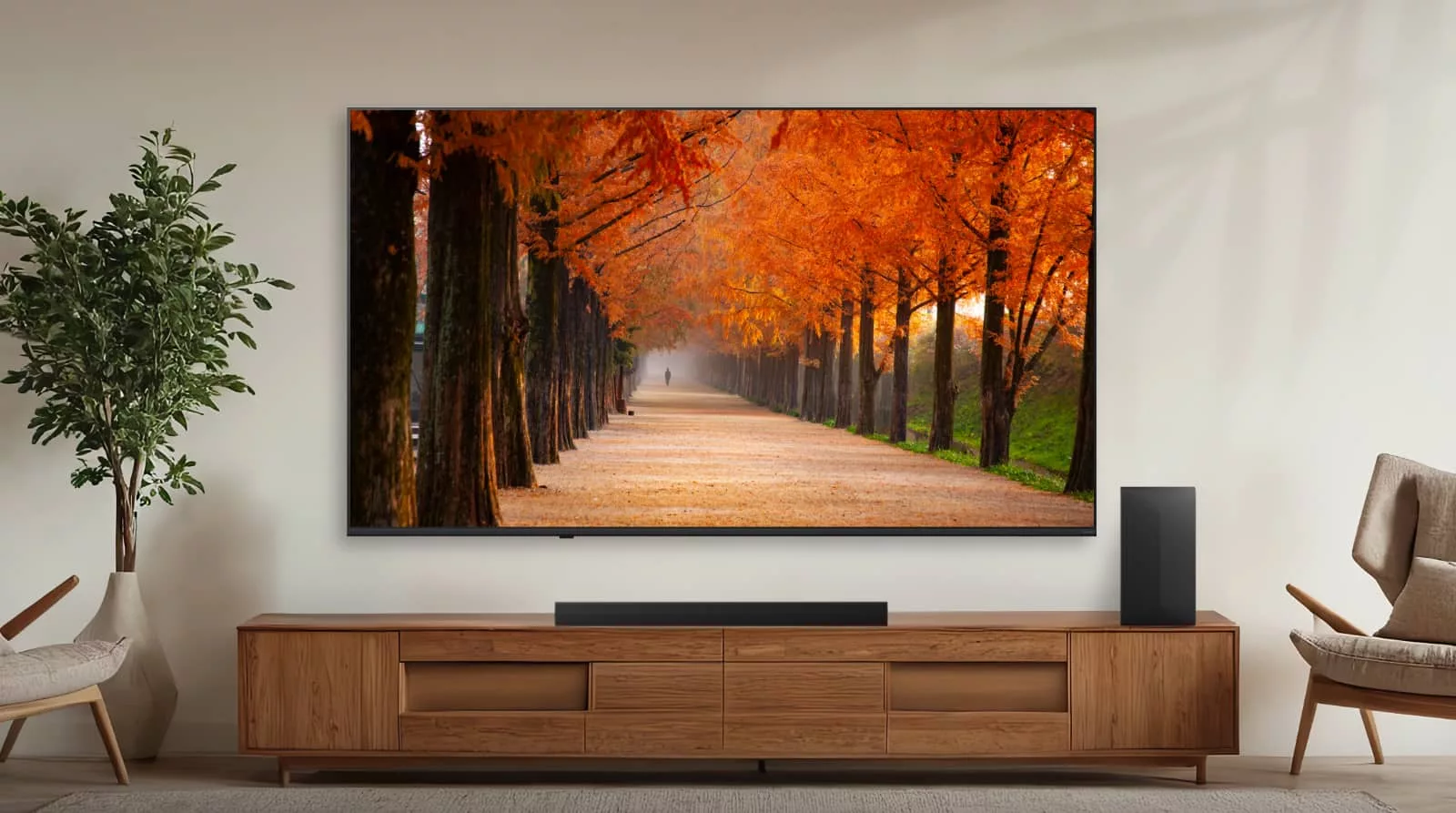
LG’s 2026 QNED range will kick off from the QNED70 (above), an entry model priced from $749 in a 43 inch, with a 55 costing $999 and an 86 inch for $2499, with 65 and 75 inch models in between.
There’s a little more from the QNED80B which gets the newer “Evo” technology, priced from $999 for a 43 inch and $1399 for a 55 inch, with the 86 inch model costing $3499 there, too.
Other variants can be found, including the QNED86B sized from 50 to 11 inches, and later this year, the LG QNED90B will bring the hardware to a 115 inch size for a hair under $25,000. Yikes.
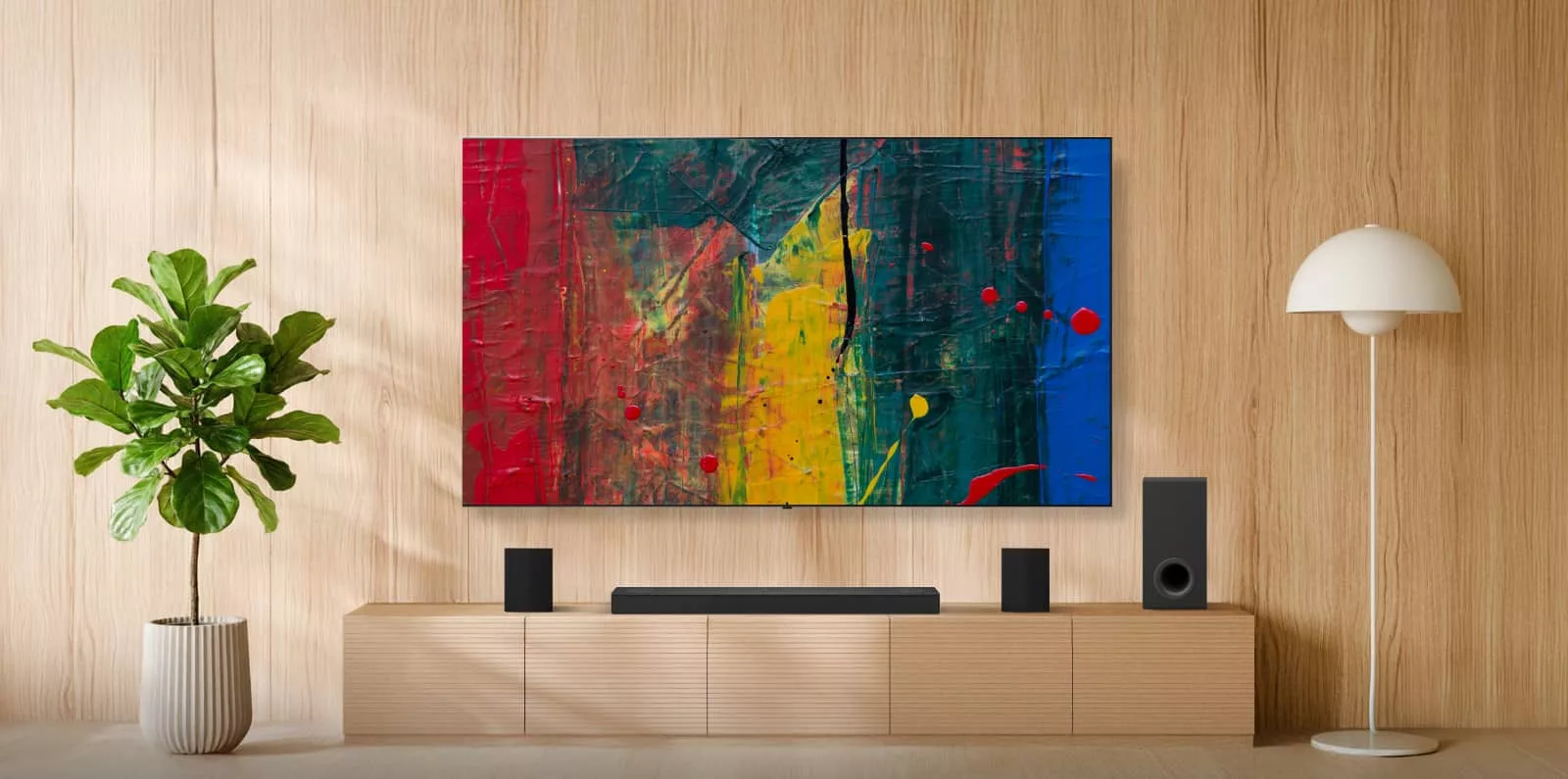
Micro RGB
Once you get past the Mini-LED TVs, there’s normally the OLED screens right after it. But hold on, not so fast, because LG has been working on a technology made for big screens: Micro RGB.
Similar to Mini-LED, Micro-RGB uses tiny LEDs as the backlighting system, but instead of one LED per pixel, uses three. That moves the one tiny white LED to a combination of red, green, and blue LEDs behind the pixel, providing more dimming control on the screen level.
It’s a technology we’ve seen from both Hisense and Samsung prior, and LG is using it this year, as well, available on screens sized from 75 inches to 100 inches.
When it comes to Micro RGB, the new technology — which is basically an upgrade on Mini LED thanks to its combination of tiny red, green, and blue LEDs — isn’t quite the OLED beating tech just yet.
“It’s great, it’s exciting, [and] it’s got a lot of advantages. But at this point, OLED has the superiority,” said LG’s Tony Brown
That means Micro RGB is specifically suited to a market: people looking for great big TVs that are like OLED, but won’t break the bank the way and OLED screen might.
As it is, the 75 inch LG MRGB96 Micro RGB screen will cost $7999 in July, with the 86 inch model retailing for $9999 and the 100 inch for $19,999. By comparison, an 83 inch OLED ranges from $7499 to $11,999 depending on the model.
…and yes, OLED, too.
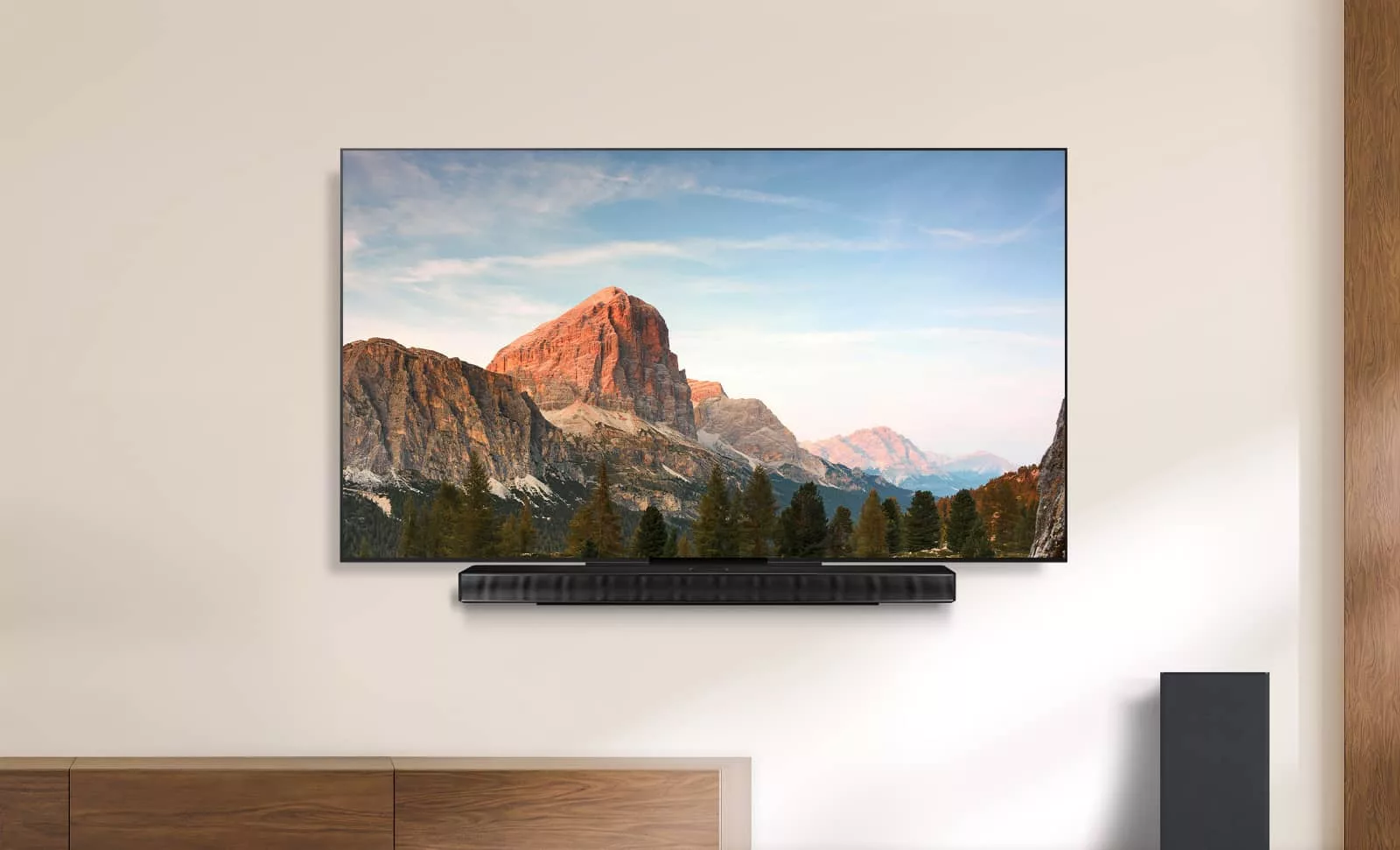
OLED can get expensive, but there’s a reason why: it is currently considered one of the best TV technologies around, and LG may well be the maker of the most of them, or at least the company that sells the most around the world. You could call OLED LG’s bread and butter.
This year, there are a few variations of OLED, including an inexpensive offering in the continuation of LG’s B-series OLED, and then more premium offerings with newer technologies.
At the low end, the B6 OLED models will start at $1999 for a 48 inch and cost $2499 for 55 inches and $3299 for 65 inches, and essentially be a bright OLED offering for folks keen on the technology, just not a big spend. Those self-emitting pixels won’t pay for themselves.
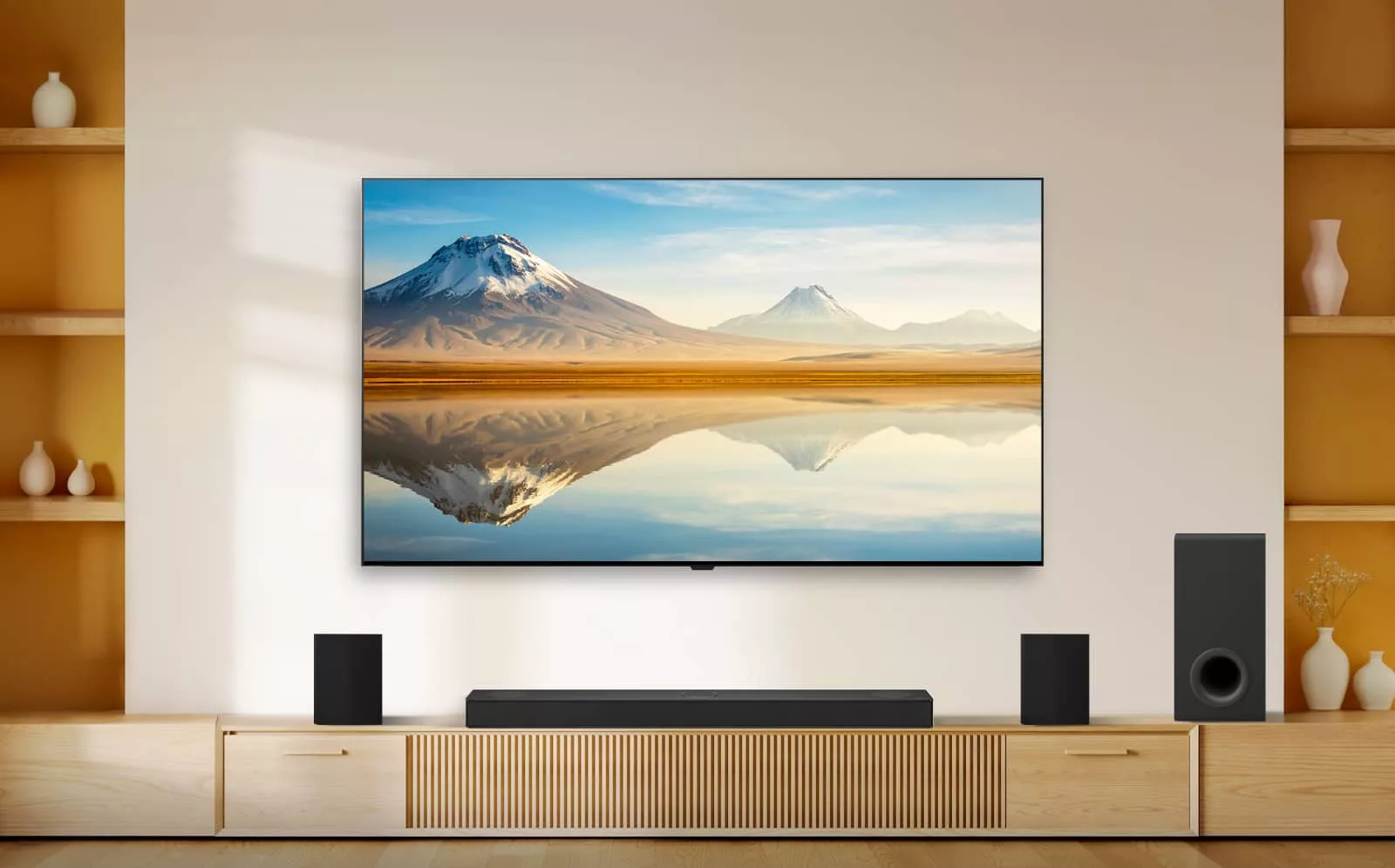 LG’s B6 OLED TV
However, the more interesting models are in LG’s OLED Evo, which includes the C6, offering picture quality roughly three times brighter than the B-series and new AI processing.
The C6 OLED models will start at $1999 for a 42 inch, costing $2999 for a 55 inch and up to $7499 for an 83 inch, with a few more sizes in the middle.
Next up is the gallery style in the OLED Evo G6, which receives a brightness boosting technology and a “flush fit” design, as well as a five year limited warranty for the panel. The LG G-series OLED screens also include a built-in polariser to deal with light reflections, essentially making them better in bright rooms, a known problem with OLED TVs.
Priced from $3999 for a 55 inch and up to just under $30K for the 97 inch, the G6 is more like LG’s premium offering, though there is one that goes higher.
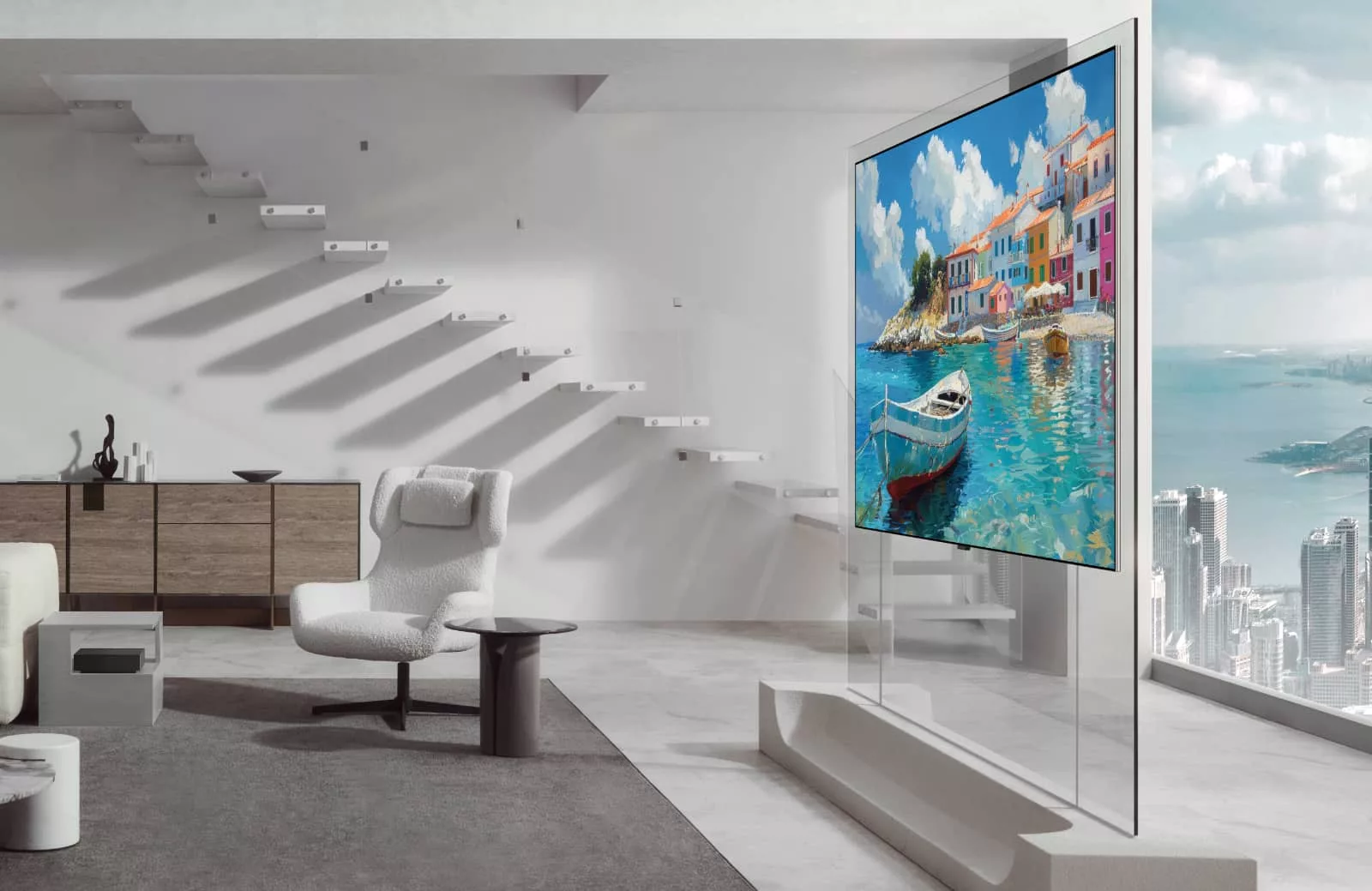
Announced at CES earlier this year, LG’s OLED Evo W6 is the return of the company’s wallpaper design, meaning it basically looks like wallpaper, and simply floats where ever it’s mounted. Depending on where that is, it might be a spot of glass or perspex simply floating in the living room, or on the wall, measuring 9.9mm thin, just marginally thicker than the 8.75mm iPhone 17 Pro Max.
That includes support for LG’s Zero Connect box, which uses a wireless connection to transmit to the TV, instead of cords potentially messing up the look of your home cinema.
Surprisingly, that box uses a variant of mmWave, albeit not like the kind some phones use. Unsurprisingly, however, the W6 OLED wallpaper TV won’t be cheap, arriving from $9499 in a 77 inch model and $11,999 in an 83 inch when it lands in July.
Atmos for the win
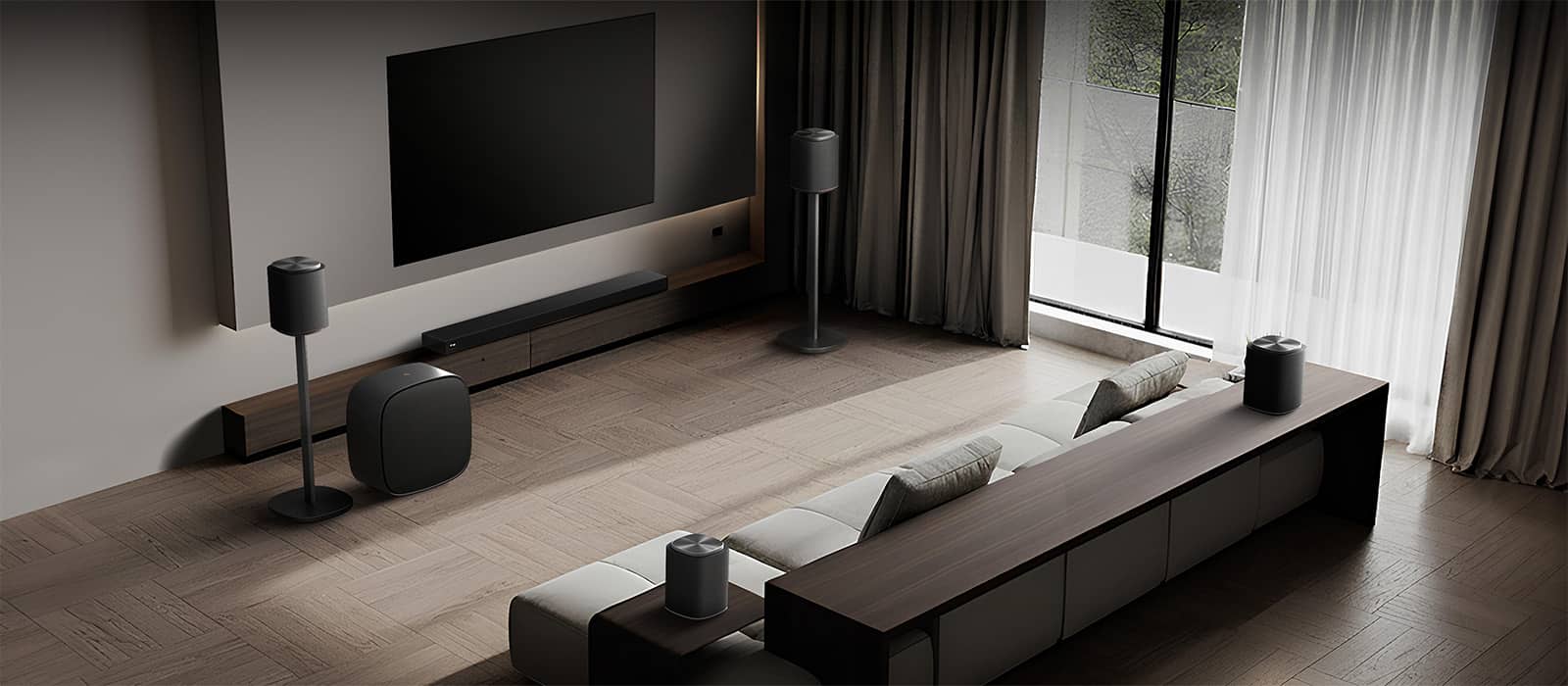
Regardless of what size or picture quality you throw in your living room, sound remains a crucial part, and so LG is providing a few options this year, using Dolby’s modular system known as “FlexConnect”. The idea basically means you can bring multiple speakers and enhance the setup gradually and over time, not unlike how you can add speakers to a Sonos system and do the same there.
For the LG systems, it means a wide assortment of sound, complete with support for spatial audio in Apple Music and movies, what Dolby Atmos was arguably built for.
Interestingly, LG’s use of Dolby FlexConnect won’t support two subwoofers at launch, though LG did say that’s coming, handy if you plan on upgrading your system later on. Which seems to be the point of FlexConnect’s approach in the first place.
These speakers do have some time, however, with the H7 hub speaker starting at $1699, and select extra models coming around the same time: May.
As for the TVs, many arrive now (in March), with April through to July set for others. There’s even one last non-4K TV coming in a 32 inch LN655B for $399, which might be handy for the kids rooms, or simply where you don’t need a big or high-res TV.