
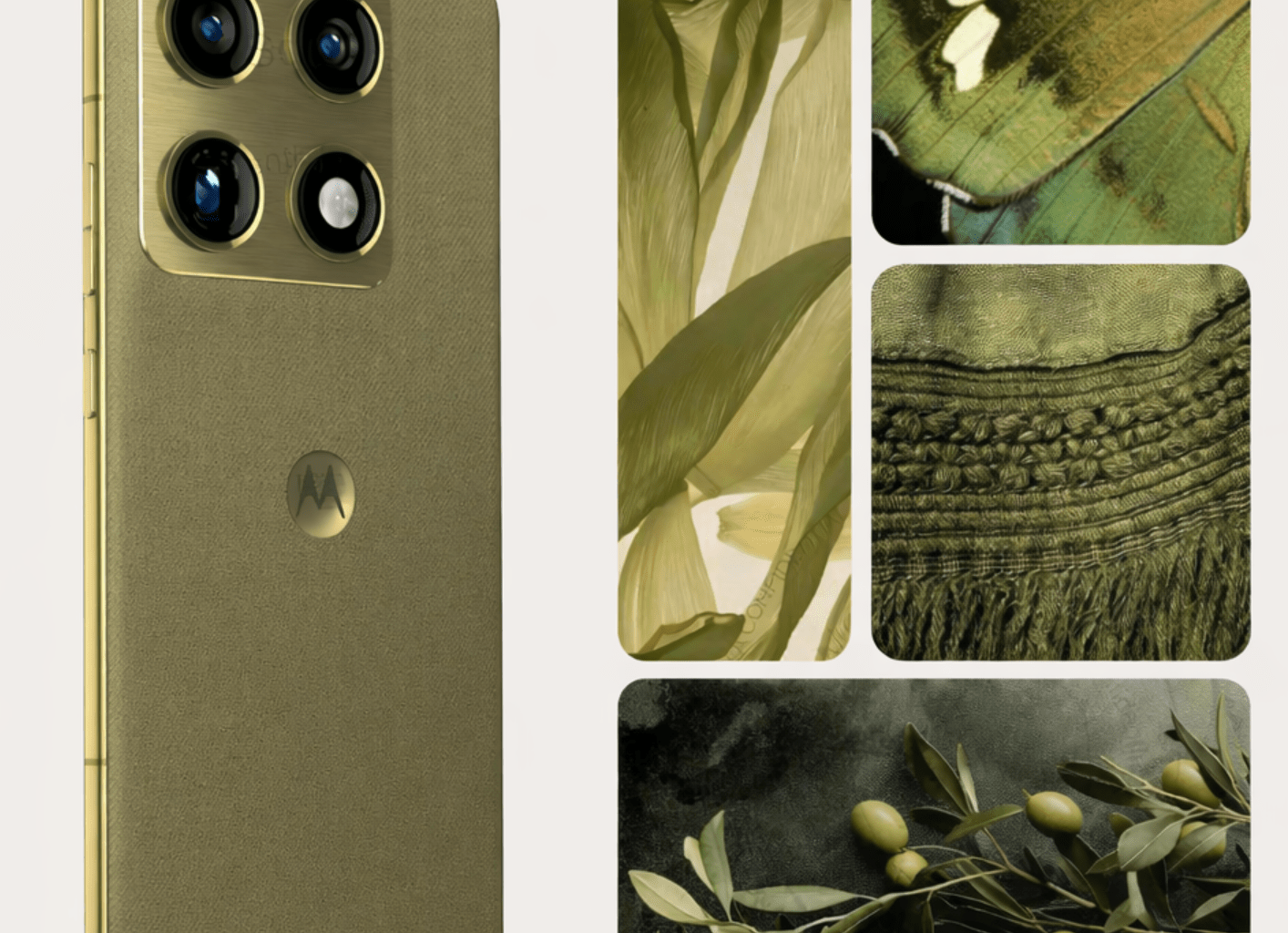
Motorola is preparing an aggressive assault on Australia’s premium smartphone market, taking direct aim at Apple, Samsung and Oppo with a new lineup of high-end devices that could disrupt a fiercely competitive segment long dominated by incumbents.
At the centre of the push is a new “Signature” flagship smartphone and a foldable device due in May, alongside a wafer-thin Moto Edge 70—products the Lenovo-owned brand believes will reset expectations around design, colour and materials in the premium category.
Both the Signature flagship and the Moto Edge 70 will be available on pre order this month.
Despite recent struggles by rivals to drive demand for ultra-thin smartphones, Motorola is betting heavily on differentiation through aesthetics and partnerships, leaning into bold Pantone-certified colours, upgraded camera systems and improved battery performance.
The launch marks what insiders describe as a full-scale relaunch of the Motorola brand in Australia, with major carriers including Telstra, JB Hi-Fi and Harvey Norman already signed on to support the rollout.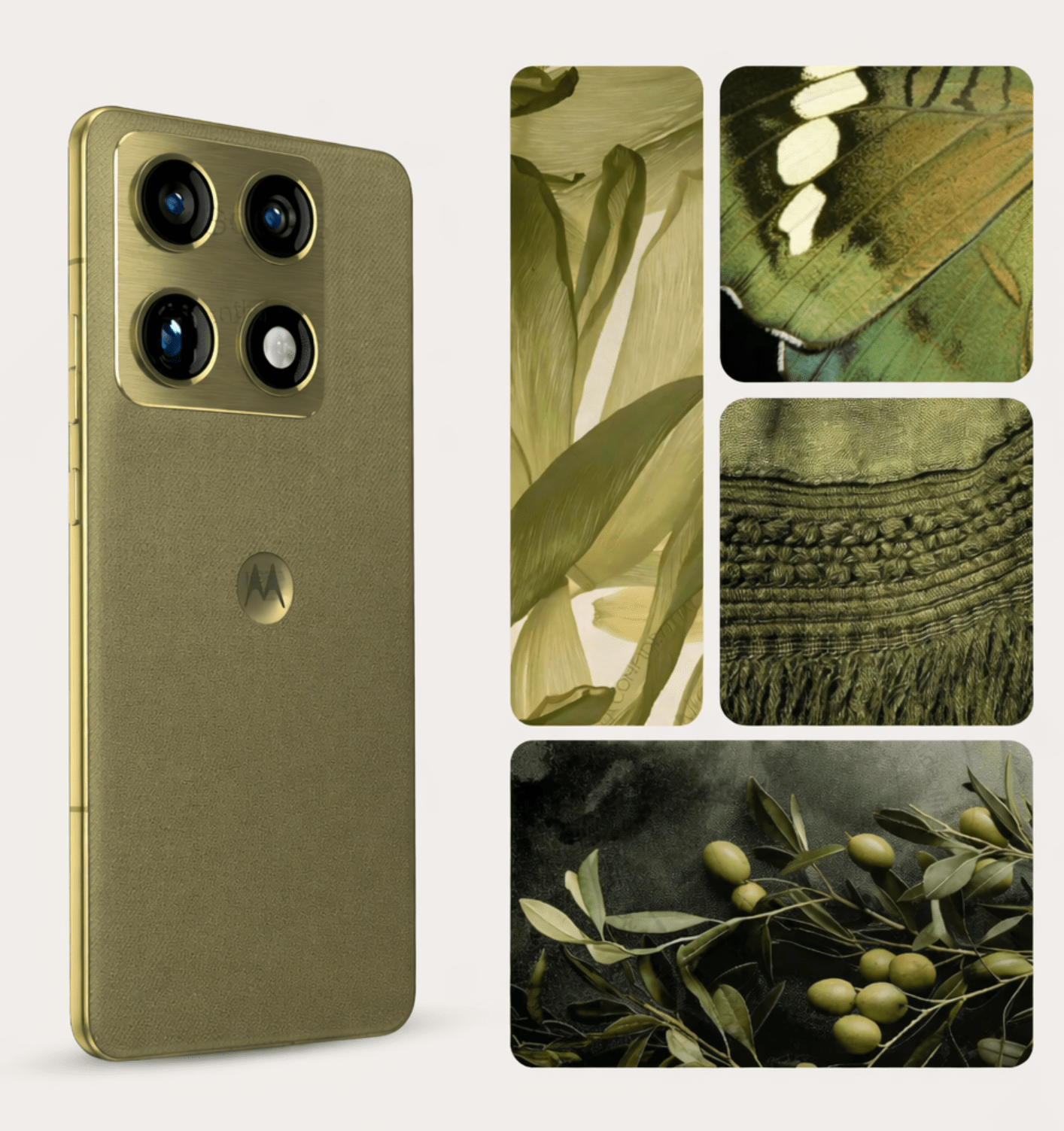
Premium Play in a ‘Brutally Competitive’ Market
Motorola Mobility’s Australian head, Praveena Raman, in an exclusive briefing with ChannelNews, acknowledged the scale of the challenge but expressed confidence that the company now has the “ammunition” to gain share at the top end of the market.
“We’re entering a brutally competitive space, but this is the debut of an entirely new series—our most refined and complete phone yet,” Raman said.
The strategy appears to be gaining traction. IDC data shows Motorola’s local market share grew by 10% over the past year and 17% during the past three months of 2026,while globally the company is on track to deliver 17% growth for FY2025/26, despite a weak mid-year quarter.
Motorola shipped more than 65 million smartphones over the past 12 months, with standout growth in regions such as South America exceeding 200%.
Design-Led Disruption
A key pillar of Motorola’s premium strategy is design—specifically colour, materials and finish—areas where the company believes competitors have stagnated.
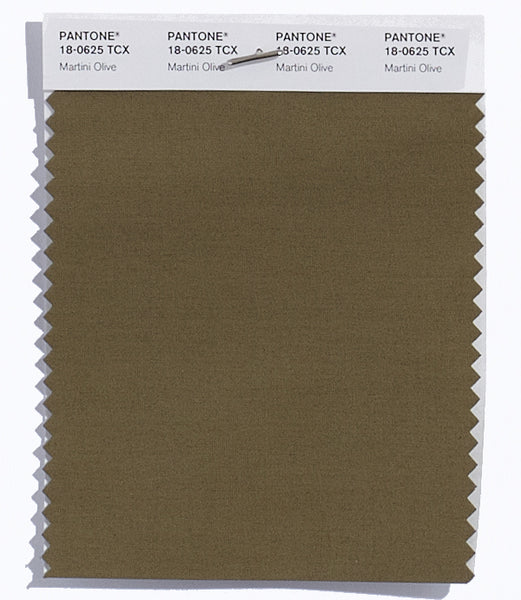
The partnership with Pantone has already delivered results. According to Raman, 65% of Motorola devices sold last year featured bold Pantone colours, with shades like pink and Olive Martini outperforming expectations. New colours, including Violet Indigo, are expected to drive further demand in 2026.
 Motorola is also strengthening its ecosystem play, moving away from previous accessory partners and forging new relationships with Bose, Swarovski and others to expand into audio and wearable categories.
Flagship Specs, Lower Price
The new Signature smartphone is positioned as a direct challenger to devices such as the Samsung Galaxy S26 and Apple iPhone 17 Pro Max—but at a lower price point.
Set to retail at $1,499, the device undercuts key rivals while offering comparable—or in some cases superior—hardware, according to early hands-on impressions.
The device features a 165Hz AMOLED display, Snapdragon 8 Gen 5 processor, a 5200mAh battery and a quad 50MP camera system. Motorola is also promising seven years of Android updates, matching or exceeding industry benchmarks.
Early testing suggests camera performance is competitive with Samsung’s Galaxy S26 Ultra and may surpass Apple’s latest iPhone in certain conditions.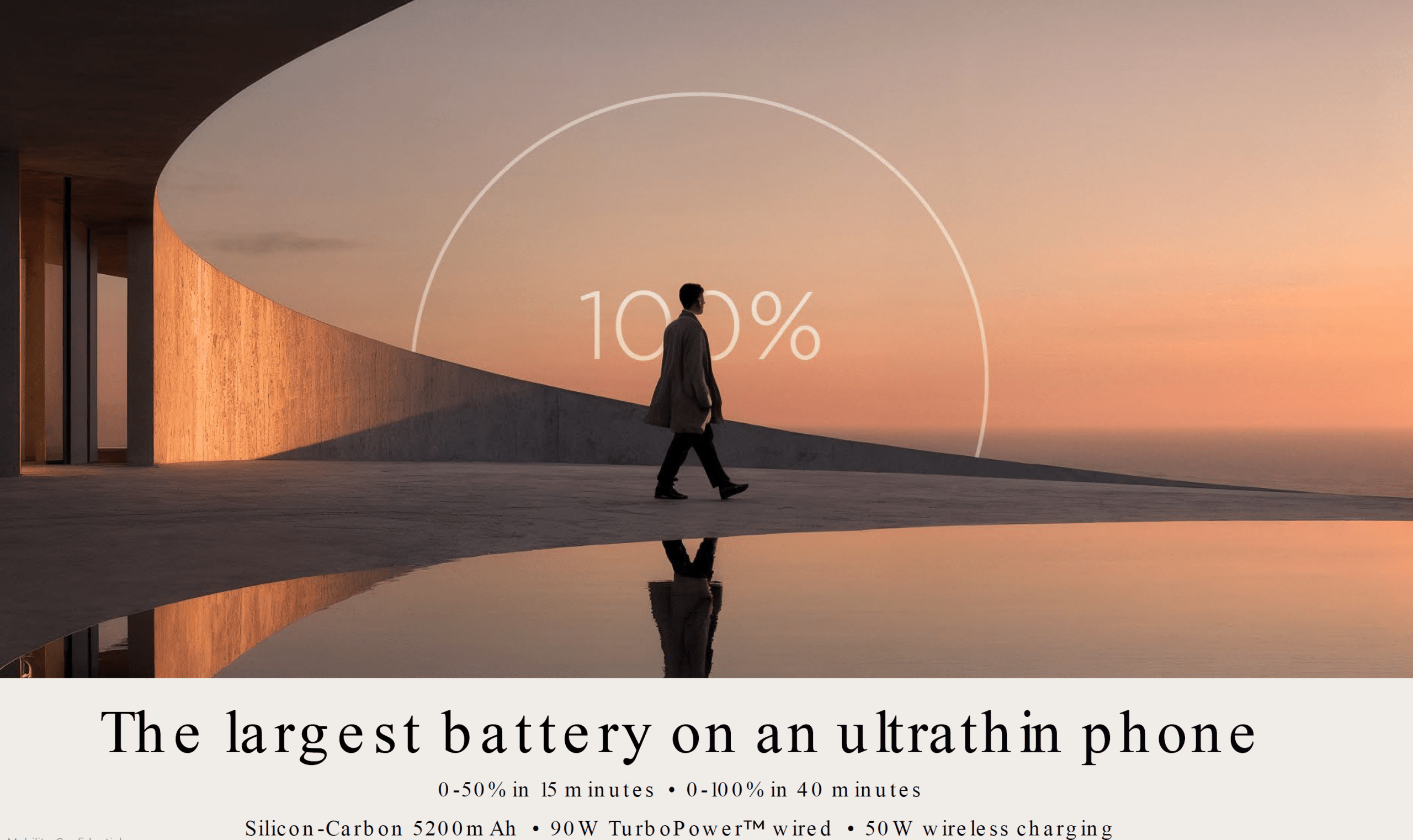
Make-or-Break Moment
For years, Motorola has flirted with the premium segment, largely through its Razr foldable. This latest push, however, represents its most serious attempt yet to establish itself as a top-tier brand.
The company is banking on a combination of design differentiation, strong specifications and aggressive pricing to win over younger consumers and those seeking alternatives to Apple and Samsung.
But challenges remain—particularly around brand perception and marketing investment.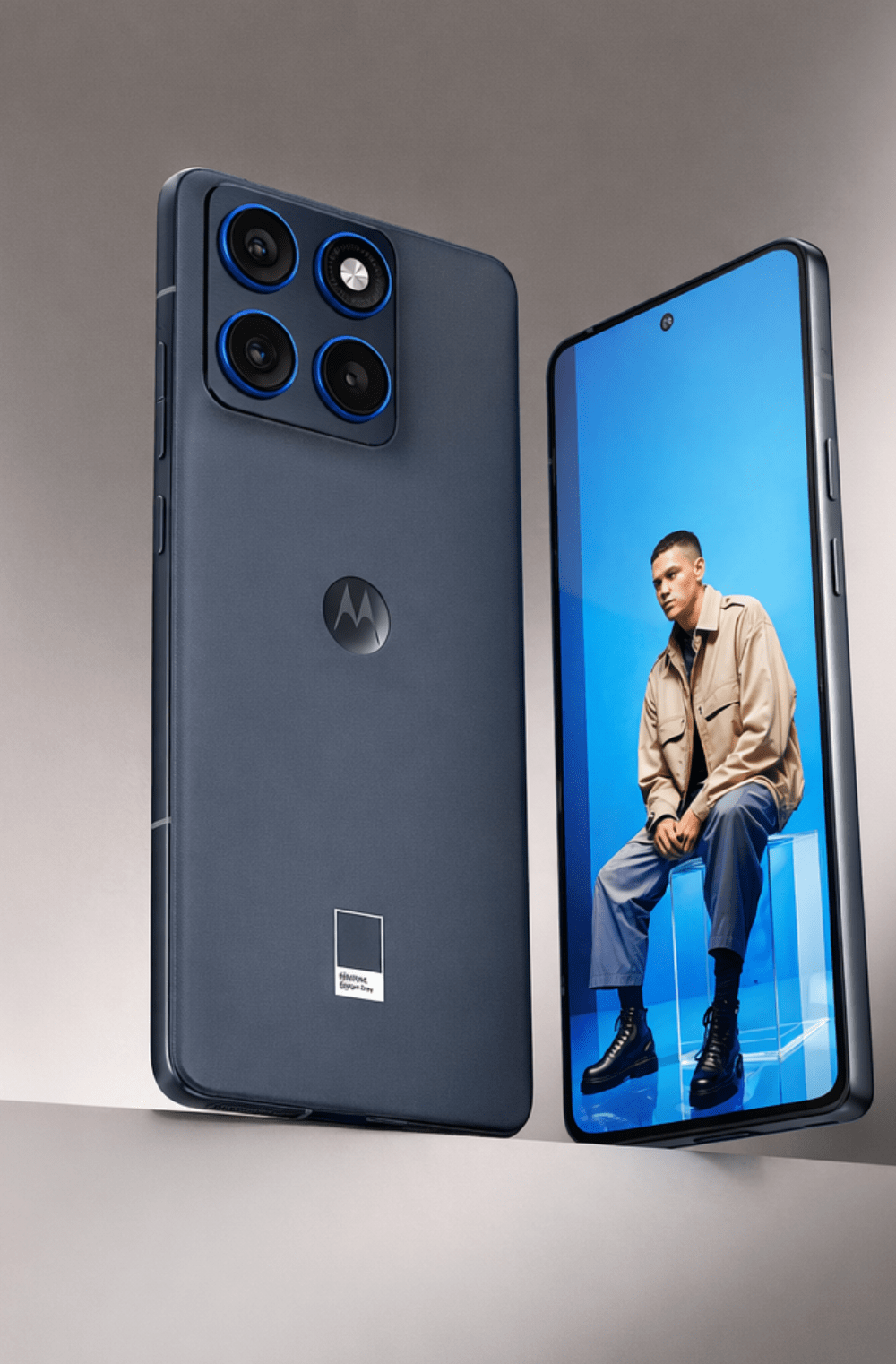
Industry observers note that building a premium brand takes time and sustained spend, pointing to BMW’s multi-year investment before achieving market leadership in Australia.
Motorola’s technology credentials may now be in place, but without a significant marketing push, the impact of its new lineup could be limited.
Outlook
With a full portfolio spanning smartphones, wearables and audio products—and backed by high-profile partnerships—Motorola’s 2026 lineup represents one of its boldest plays in years.
Whether it can translate product strength into premium market share remains to be seen, but one thing is clear: Motorola is no longer content to sit on the sidelines.