
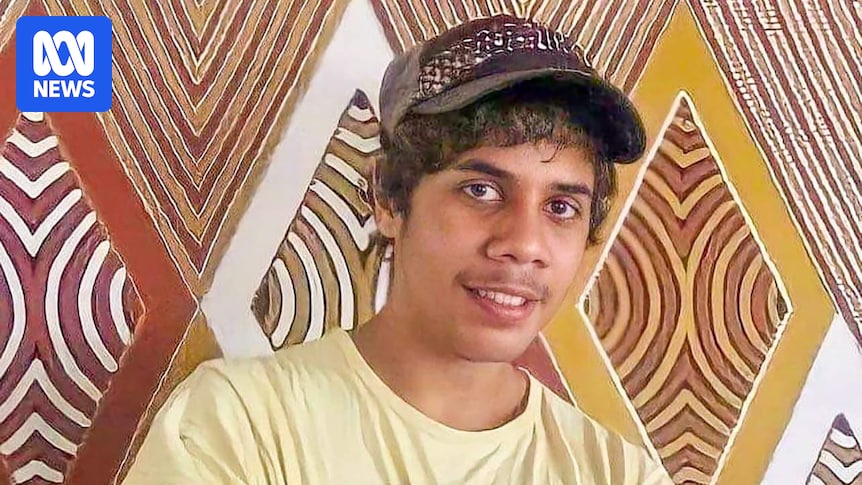
More than 3,000 people are calling on the Queensland coroner to release body-worn camera video of the moments leading up to the death of Indigenous man Steven Nixon-McKellar.
The name and image of Mr Nixon-McKellar have been published with permission from his family.
Mr Nixon-McKeller died while being arrested on the Darling Downs in October 2021.
He was 27.
A coronial inquest was held in Toowoomba in September 2023 to examine the death of Mr Nixon-McKellar after an altercation with police, during which a lateral vascular neck restraint (LVNR) was applied to him.
Queensland coroner Terry Ryan found the contentious and now-banned police tactic used during Mr Nixon-McKellar’s arrest was not the cause of his death in custody, “despite it being the final use of force option exercised”.
Acting state coroner Stephanie Gallagher earlier this month ruled that the body-worn camera video in the moments leading up to Mr Nixon-McKellar’s death would not be released to the public.
Steven Nixon-McKellar’s last moments
But Mr Nixon-McKellar’s mother, Raylene Nixon, told the ABC she believed the video should be released to allow the public to make their own minds up about what happened to her son in his final moments.
Police had been responding to an anonymous report of a car that may have been bearing false plates when they came across Mr Nixon-McKellar on Stone Street, Wilsonton, in Toowoomba.
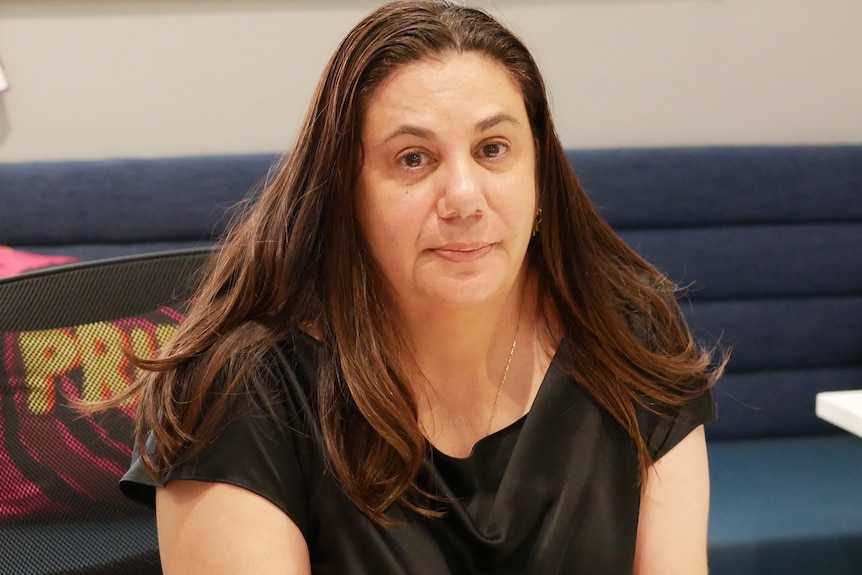
Raylene Nixon wants the video to be released. (ABC Southern Qld: Aisling Brennan)
“I think it’s so important for transparency and accountability and for the public to have the opportunity to see for themselves the events as they unfolded,” Dr Nixon said.
The inquest was shown the police body camera video of police officers Constable Brandon Smart and Senior Constable Simon Giuliano, who had engaged in a five-to-10-minute struggle with Mr Nixon-McKellar.
When other officers arrived at the scene, Senior Constable Giuliano was heard on the body-worn camera video calling out for one of his colleagues to “choke this c*** out”.
His colleague, Senior Constable Tylarr Colman, approached Mr Nixon-McKellar and applied an LVNR, which resulted in him losing consciousness.
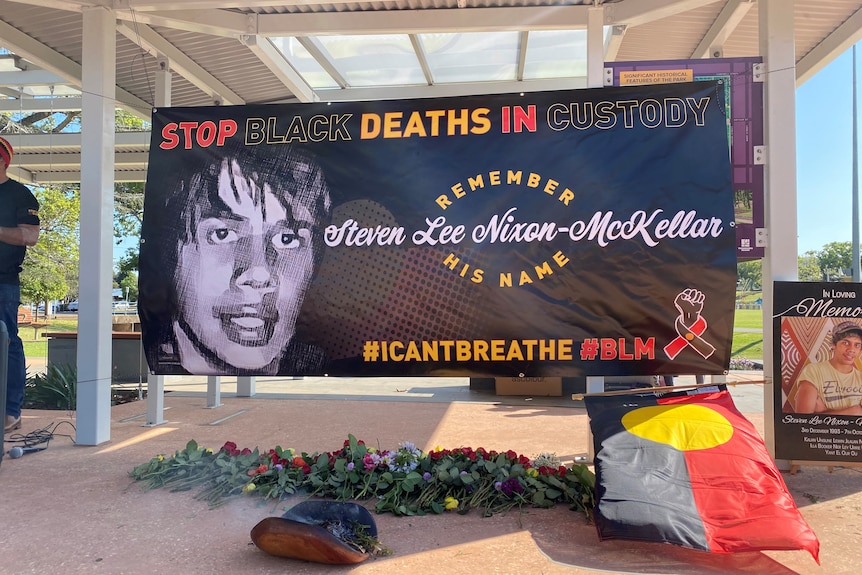
A memorial was raised during a 2023 inquest into Steven Nixon-McKellar’s death. (ABC Southern Qld: Laura Cocks)
Dr Nixon said the footage highlighted how police escalated the situation without assessing how her son was acting during his arrest.
“They haven’t listened to anything that he’s said,” she said.
“They have painted him as the violent aggressor, and you can clearly see in the footage the only fight that he was having was for his own life.”
Mr Ryan found Mr Nixon-McKeller’s death was “multi-factorial” and had “most likely” been the combined result of several factors, including “physical and psychological exertion related to the restraint, brief pressure applied to the neck, stimulant drug intoxication, asthma, bronchopneumonia, and coronary atherosclerosis”.
Dr Nixon said her son, who was schizophrenic, was clearly unwell in the footage she saw of his death.
“If the police involved on that day had taken more than one second to look at Steven, to see past anything other than the colour of his skin, they would have seen how sick he was,” she said.
Call for vision to be released
University of Melbourne associate professor of criminology Amanda Porter has since launched a petition calling for the body-worn footage of Mr Nixon-McKellar’s arrest to be released, despite the coroner’s decision.
She said it was “vital” that the footage be released to allow the public to better understand what happened.
More than 3,000 people have since signed the petition to “demand justice” for Mr Nixon-McKellar.
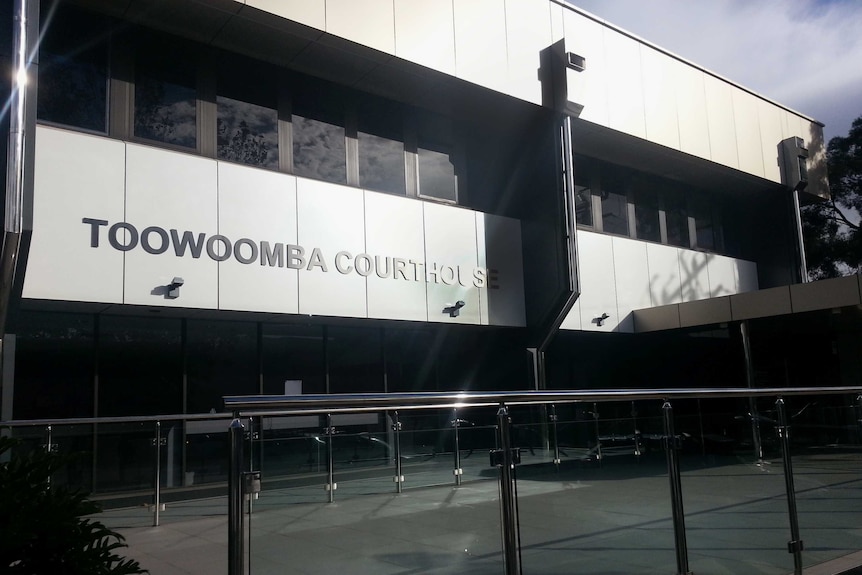
The coronial inquest was heard in Toowoomba in September 2023. (ABC News: Nancy Webb)
In the petition, Dr Porter stated: “In countless cases involving police violence, visual imagery has been essential in raising public awareness and advocating for justice on the part of the victims of police brutality.”
In a statement, a Queensland Police Service spokesperson said the findings “provide reflections for the organisation”, noting QPS no longer used the LVNR and had “made significant changes to our systems and processes to ensure the community feels safe and is safe”.
The Commissioner of Police’s legal team submitted after the inquest findings were handed down that the public interest and open justice was “not further served, or benefited, by granting the media access to the relevant footage … when weighed against the potential injury to the public interest when regard is had to the context in which the footage will likely be received by the wider public”.
Ms Gallagher accepted the commissioner’s submission and found that release of the body-worn footage was “not in the public interest”.