
Commbank agricultural economist Dennis Voznesenski has warned a “genuine shortage” of fertiliser could cause food costs to spike for Australian households.
Iran’s effective closure of the Strait of Hormuz has sent shockwaves through global markets, with fuel costs soaring and regional Australians struggling to cope with petrol and diesel shortages.
Mr Voznesenski told Sky News the Strait’s closure was also disrupting Australia’s access to key fertilisers, with the nation “almost entirely” dependent on imports for its supply.
While Australia does produce some fertilisers domestically, with Orica a major supplier, Mr Voznesenski said the nation would not be able to meet demand if the Middle East conflict continued over the coming months, even with new production facilities due to be completed.
“It could be a big deal,” he said.
“If there’s not sufficient fertiliser, we have less production and by year-end if this persists and there’s a genuine shortage – it’s still a big if, we don’t know what’s going to happen tomorrow – but if that happens it could lead to higher (food) prices.”

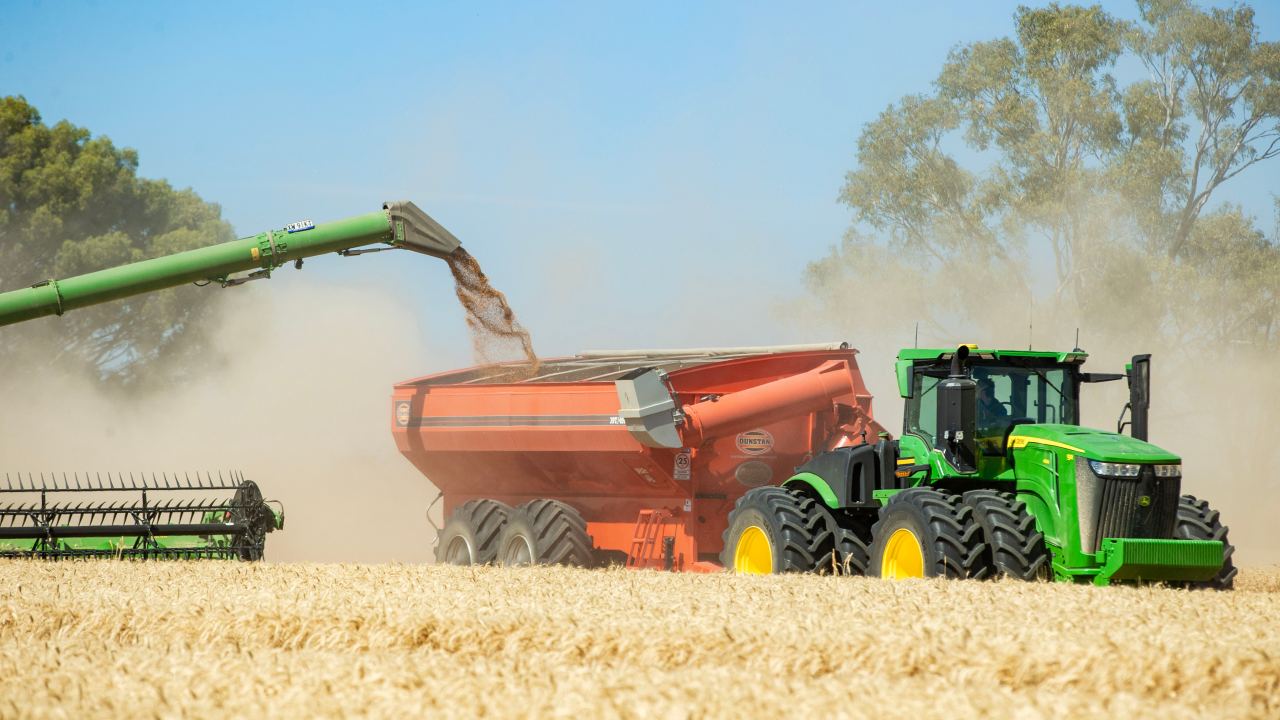
Mr Voznesenski explained a lack of access to fertiliser meant farmers would have to switch away from “nitrogen-intensive” crops, such as wheat, which would lead to higher prices for some products due to lower supply.
“Instead of having a low wheat price environment, you might start seeing higher prices later in the year,” he said.
Asked how long it could take for price rises to take effect, Mr Voznesenski said the next three months were crucial.
“The immediate short-term, say the next one to three months, we still have an overflow of grain from last year, globally and locally,” he said.
“But if that Strait isn’t open for a few months and fertiliser isn’t available as we move towards harvest around October, you might have significantly less production.
“When you have less production, prices go up.”