
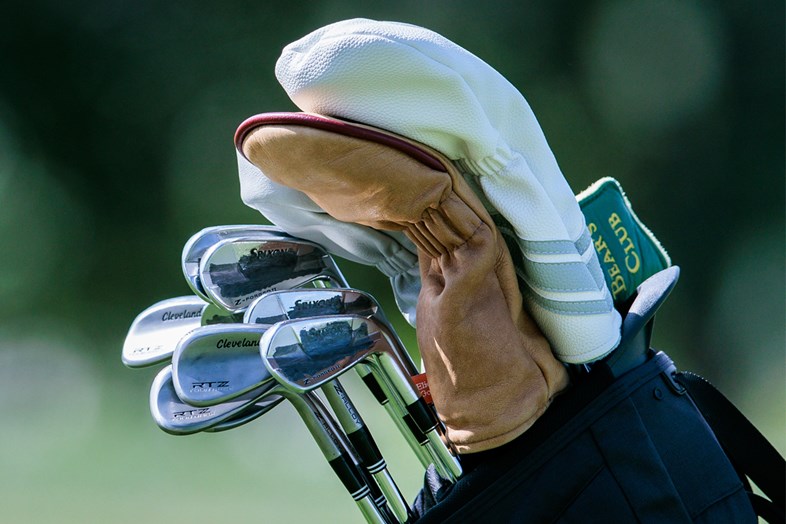
Drivers get all the attention when it comes to the rising cost of golf equipment – but the numbers suggest we might be looking at the wrong club.
If I had a dollar for every time someone complained about “the cost of drivers nowadays”, well, I’d be able to afford to buy a new one.
And yes, drivers aren’t cheap. But if you actually look at the numbers, they’re comparatively good value compared to years gone by – and against some of the other clubs in your bag.
Before you decide I’ve lost the plot or been held hostage by TaylorMade or Callaway, let’s look at the data.
The price rise no one talks about
Go back 20 years and a premium wedge would cost you around $90-$100.
Today, you’re looking at $209 for a Vokey SM11.
That’s more than a 100% increase – comfortably outpacing drivers and irons over the same period.
Drivers, for all the noise, have climbed from roughly $400 to $500-$600 – an increase that broadly tracks inflation.
Irons? A decent set has gone from $900-$1,200 to $1,200-$1,500.
But wedges have doubled in the same time.
And that’s before you consider another change that has had a huge impact on the amount golfers actually spend on them.
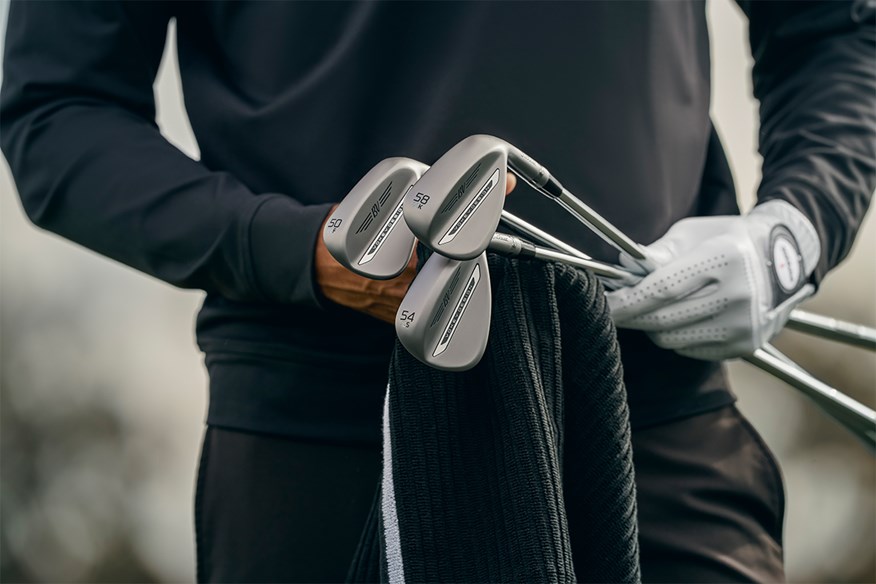 Why wedges are such a big investment now
There was a time when it wasn’t uncommon to have only one specialist wedge in your bag – at most, two.
Now? Three wedges is the norm. And four isn’t unusual.
So instead of spending $90 on one wedge, golfers are routinely dropping close to $600 to replace their three-wedge setup at around $200 per club.
Why? Iron lofts have strengthened dramatically. A traditional pitching wedge in the 1990s and 2000s used to sit at around 48° of loft. Today, most are 44-46° – with some as low as 43°.
That creates a big gap at the bottom of your bag – and the need for more wedges to fill it.
So you’re now paying more per wedge, and you need more of them.
That already means a big dent in your bank balance, but there’s an even bigger issue…
See more TG content in your feed! Click here to add Today’s Golfer as a preferred source on Google.
 The only club that wears out
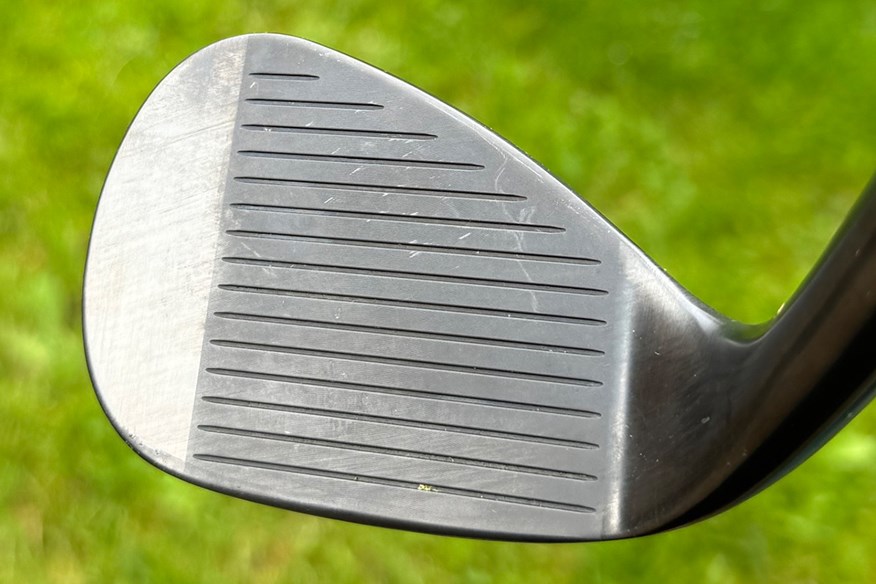
The problem with spending so much on wedges is that, unlike drivers, fairway woods, hybrids, irons, and putters, they wear out.
Wedges are the only clubs in your bag that manufacturers openly admit have a limited performance lifespan.
“We recommend that every golfer should evaluate their wedges and grooves at around 75 rounds of play to get the best spin performance,” Titleist say. “Wedges may look fine, but may not be delivering maximum spin. You should inspect your wedges for groove wear every 60-70 rounds.”
And they’re not wrong. We’ve tested it. Grooves wear down. Spin drops. Performance declines.
But if you play three times a week, are you really expected to buy a new set of wedges every six months? Imagine buying a new driver and being told it would start losing distance and forgiveness halfway through the season. You wouldn’t accept this degradation from any other club, but with wedges, it’s par for the course.
 Is the price of wedges unfair?
It’s not that wedges are necessarily unfairly priced.
A modern wedge costs about the same as a single iron from a premium set. $1,300 for a set, divided by seven irons – that’s $185 per club, which is about the going rate for a wedge.
That seems fair enough, but the key difference is that irons don’t wear out. Many golfers will keep a set for five or 10 years.
Wedges? If you want maximum performance, you could get through 10-20 sets in that time.
So while irons spread their cost over years, wedges compress it into months.
You’re paying iron money – but far more often.
 The most expensive club in your bag
Look at it another way.
A $550 driver you keep for five years costs you $110 per year.
A $1,300 iron set used for seven years. Around $185 per year.
But three wedges at $180 each, replaced every two seasons? That’s $270 per year.
Replace them annually – as regular golfers would need to do to maintain top performance – and you’re looking at over $500 per year.
Suddenly, that driver looks pretty good value, doesn’t it? In fact, it might be the cheapest club in your bag.
 How to keep your wedge costs down
If you want to maximize wedge performance while minimizing cost, there are things you can do.
1. Clean your grooves (properly)
A quick clean after every shot – and a proper clean regularly – can make a noticeable difference over time.
It sounds basic, but it matters. Dirt and sand accelerate wear and reduce spin long before the grooves are actually “gone”.
2. Rotate your wedges
If you’re practising a lot, spreading the load between your wedge set, rather than always using your 56° or 60°, can stop your favorite wedge getting worn out so quickly.
But there is an alternative option…
3. Replace selectively, not as a set
Some golfers use one wedge for most of their short shots. If that’s you, you might not want to use a different loft in practice.
Instead, accept that your go-to wedge will wear out quicker, safe in the knowledge you can replace it in isolation and keep the others for longer.
4. Practice smarter
Considering you might only hit a handful of wedge shots during a round of golf, it’s practice that tends to see your wedges clock up the most wear. The solution isn’t to give up practising, but to keep an old wedge for the range and short game area, while keeping your gamers fresh for on-course action.
If you’re using this strategy, it obviously helps if your old practice wedge is very similar to your newer ones – if it’s a completely different profile or shaft length, that might do you more harm than good.